Rodolfo Soriano-Núñez Lunes, 10 de Agosto del 2026
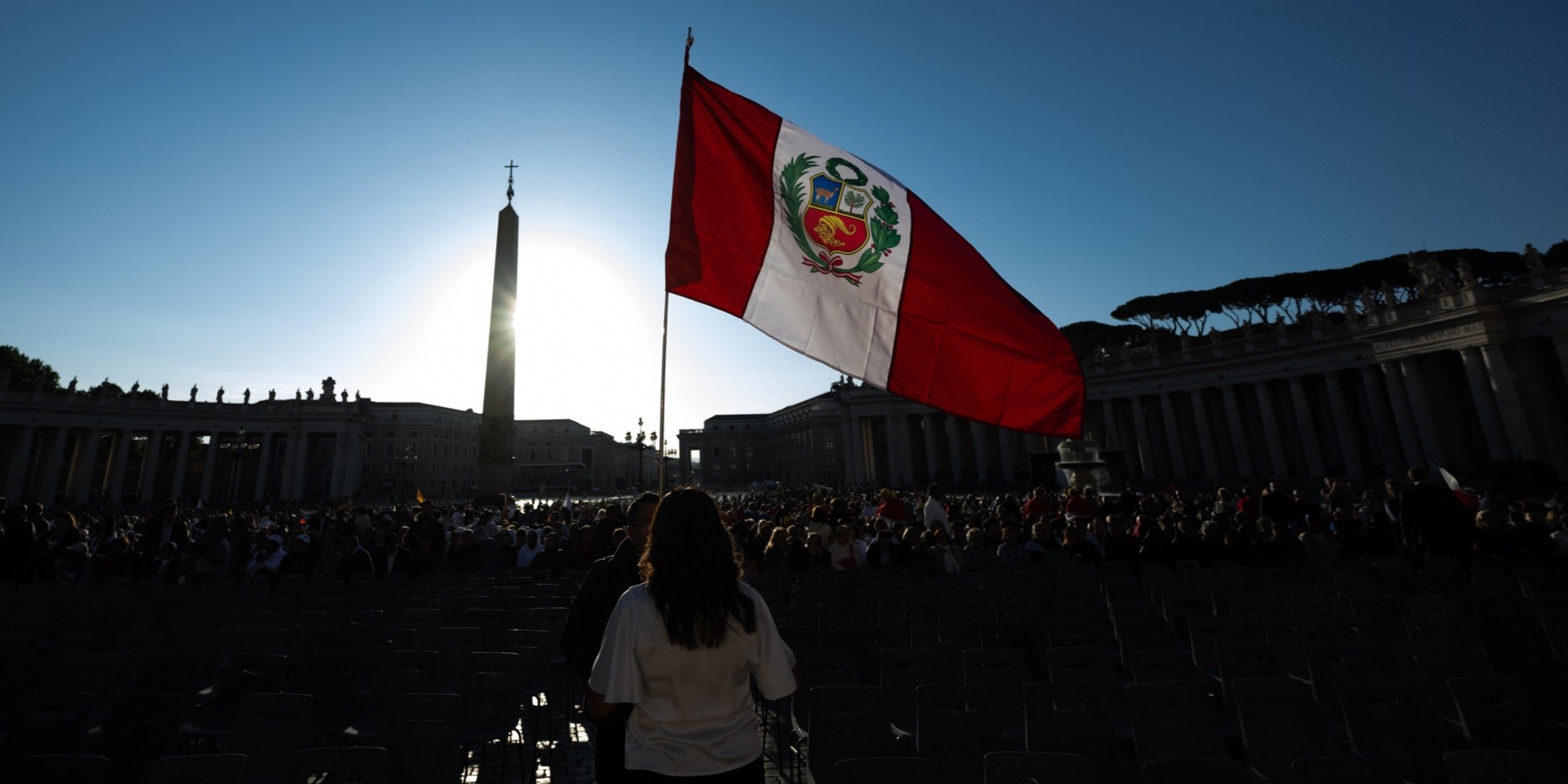
In Peru, Keiko Fujimori will host Leo XIV while wielding special legislative powers, as her father did back in the 1990s.
Although Uruguay poses little political risk, Leo XIV will have to confront the “emptying of the pews” in a country where religion cannot claim to be a major player in public life.
By Rodolfo Soriano-Núñez
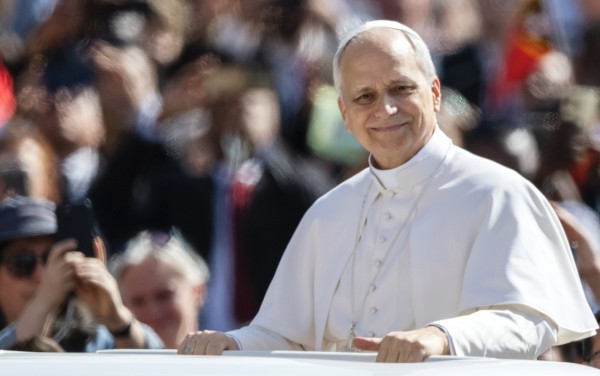
Early on Wednesday, August 5, Vatican officials announced the dates for Pope Leo XIV’s long-awaited three-country pastoral visit to Uruguay, Argentina, and Peru, scheduled from November 6 to 17.
Speculation regarding a South American trip has swirled since late April 2025, when Robert Prevost, the former head of the Peruvian diocese of Chiclayo and then Prefect of the Dicastery for Bishops, was elected to the Papacy.
While former Peruvian President Dina Boluarte led a prominent bipartisan delegation to his May 18, 2025 inaugural Mass, Peru's political instability, election calendar and the need to accommodate other countries in the Pontiff’s agenda, pushed the official announcement to the first week of August 2026.
On that day, the conferences of bishops and the governments of the three countries used their social media profiles to spread the news, as official Vatican media did.
Although there is no official itinerary for the visit at this point, Pope Prevost will leave Rome on Thursday November 5 to arrive in Montevideo the next day. From the capital, he will travel to Paysandú and Florida, a key destination in Uruguayan history, marking how the country defended its territory from both Brazil and Argentina.
From Florida, he will cross the River Plate to reach Buenos Aires on November 8, to preside over a series of activities in the nation’s capital and the Province of Buenos Aires, including a trip to the National Basilica of Our Lady of Luján, the very heart of Argentine Catholicism, and the city of Córdoba. From Argentina he will travel to Lima, the capital of Peru, on November 11.
According to the preliminary itinerary released on Wednesday by Matteo Bruni, the head of the Holy See’s Sala Stampa, Pope Leo XIV will go back to his adoptive country’s capital on November 11, and from there he will travel to Chiclayo, a coastal town, 420 miles or 675 kilometers north of Lima, where he was first appointed as bishop by Pope Francis.
He will also visit Cuzco, a remote archdiocese, 370 miles or 590 kilometers southeast of Lima, home to over two million inhabitants, to end his visit on November 17 in Pucallpa, a town less than 70 miles or little more than 100 kilometers west of the border with Brazil, in the heart of the Peruvian Amazonia, making it one of Peru’s smallest and most isolated apostolic vicariates, equivalent to a diocese.
Unlike Mexico or Argentina, where most of the dioceses are presided by bishops born in said countries and are, for the most part, secular or diocesan priests, a share of Peruvian, Bolivian and Ecuadoran dioceses are actually under the care of a religious order and in some cases the bishops are not native to the country. That is why, at some point in the previous decade, Pope Francis saw fit to call Robert Prevost, who was at the time the superior of the Augustinian order and a U.S. national to appoint him as bishop of Chiclayo.
Despite the original burst of enthusiasm after the pastoral trip’s announcement in Rome, media in Latin America highlighted some of the many challenges Leo XIV will confront in Montevideo, Buenos Aires and Lima. Even if nominally the three countries are still majority Catholic, a convergence of issues have eroded the Catholic blocs in Uruguay, Argentina and Peru.
Uruguayan autonomy
Including Florida in his itinerary seems to be an explicit attempt of the Vatican to acknowledge the very history of Uruguay as driven from the need to assert, almost simultaneously, its independence from Spain, Brazil (at the time part of the Portuguese Empire) and what was originally named the United Provinces of the River Plate that eventually would become what is nowadays Argentina.
Last year, Uruguay celebrated the 200th anniversary of the Independence assembly met on August 25, 1825 in Florida. Although full independence from Brazil and Argentina would only be acknowledged after a war concluded in 1828, Florida plays a major role in the country’s history.
Ever since, Uruguayan history has been an exercise in finding the middle of the road between the excesses of both the Brazilian and Argentinean elites to the north and south, respectively.
More so as, nowadays, Presidents Javier Milei and Luiz Inacio Lula da Silva, are the main characters in what is, up until now, a social media war, that has already resulted in a diplomatic conflict that will not end, at least until the presidential elections in both Argentina and Brazil return their results.
In Brazil, the first round will happen on October 4, 2026, with the almost unavoidable runoff scheduled three weeks after. One year after, on October 24, 2027 the first round of the Argentine presidential election will happen, with its runoff scheduled for November 21.
Although early in the 20th century, Uruguay was perceived as a felicitous exception, especially when compared to the violence and conflict that had already happened in Mexico in the 19th century and was happening or about to restart in Venezuela and Mexico as far as the Church-State relation, almost a century after the “friendly Church-State divorce,” the situation seems to be dire for the Uruguayan Catholic Church.
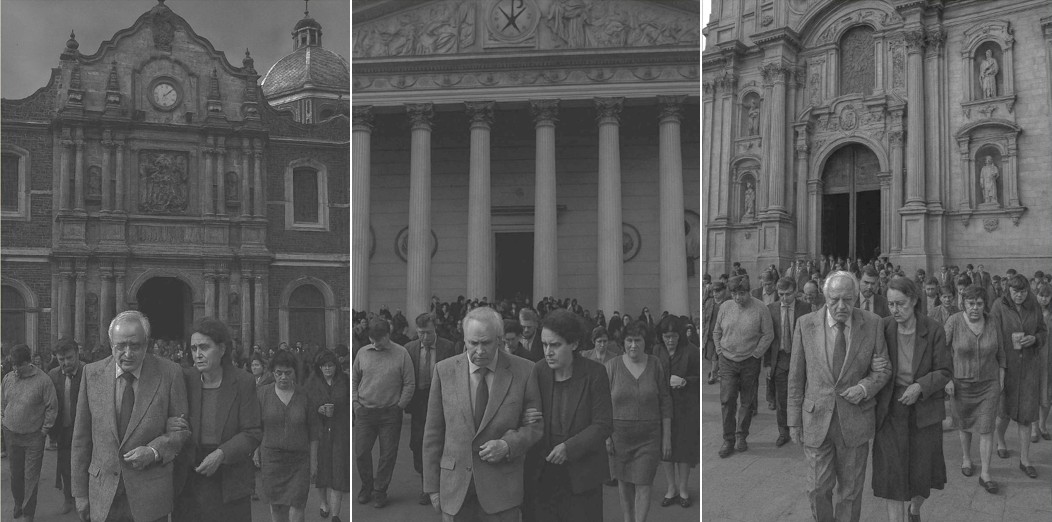
The amicable separation of Church and State avoided the sterile conflicts in Mexico, but did little to avoid the constant erosion of the old Catholic majority and, as the stories linked before and after this paragraph showed over the last year, Church attendance and other indices of religious participation have Uruguay following similar patterns of secularization to those of Europe and Canada.
English Edition
Latin American Catholicism, decades of loss
What is worse, as it happened in Mexico, the rather strict Church-State separation, a world away from the Catholic Church’s status in other Latin American republics such as Panama, the Dominican Republic or Peru, did nothing to prevent the main issue affecting the Catholic Church these days: the clergy sexual abuse scandals.
As it has happened elsewhere in the region, Uruguay has had its share of abuse scandals, and despite the Uruguayan political elites’ tradition to differentiate themselves from the excesses and failures in other Latin American countries, on the issue of clergy sexual abuse it is hard to find a silver lining.
In that regard, even if the Uruguayan Catholic bishops never were forced out of their country, as the Mexican bishops were in 1917 and 1926, and there is no memory of armed conflicts where religion played a major role as in the Mexican Cristero War (1926-9) or the Civil War in Spain (1936-9), the secularization of Uruguayan public and private life is an undeniable and potentially irreversible fact that merits some reflection from Leo XIV during his visit.
More so, as neither Francis nor Benedict XVI ever visited the country, at least as Popes, and to find the memories of the only visit of John Paul II one must go back to 1987. Although already then, the main reason to touch ground in Uruguay was to celebrate the signature of the 1984 Treaty of Montevideo (content in Spanish), an agreement brokered by the Holy See to prevent a war between Argentina and Chile over their borders in the southernmost tip of both countries and the control of the so-called Beagle Channel.
Barking up the wrong tree
As it happened elsewhere in the region in the last decades of the 20th century, the Catholic bishops bet high on fighting the wrong war. Many of the efforts of the Latin American Conference of Bishops, CELAM after its Spanish acronym, centered during much of John Paul II’s and Benedict XVI’s papacies on the “fight against sects.”
Unable to figure out what was happening at the time in their flocks, bishops such as Mexico City’s Norberto Rivera Carrera, issued the wrong prescription against an ill they were unable to diagnose, as most former Catholics leave their Church to join the ranks of the so-called “nones,” and not the pews of Pentecostal churches, in a manner all too similar to what has happened in the United States and Canada since the end of the 20th century.
Although Pope Francis dropped the war and epidemic metaphors when diagnosing religious change in Latin America at large, probably as a consequence of his in-depth knowledge of what was happening in Buenos Aires and other Latin American megalopolis, his Pontificate and the pastoral approaches he promoted were unable to reverse the erosion of the old Catholic blocs from Tijuana, Mexico all the way down to the dioceses in the Argentine and Chilean Patagonia.
Much of the commentary on Latin American media has been centered on how Pope Leo XIV will deal with Argentine President Javier Milei’s conflictive personality. One must remember that, while a candidate, Milei called Pope Francis “a representative of the malignant one on Earth.”
In August 2026, across a series of interviews in friendly media, a vociferous Milei accepted his ways are awful, but that he was delivering on his campaign promises even if there is no evidence of such accomplishments, as Jorge Fontevecchia’s analysis in the video linked after this paragraph proves.
Original audio in Spanish, the audio has an English-audio dubbed track available at YouTube’s control panel.
Milei’s claims are harder to accept when one takes into consideration how he had to backpedal many of his original campaign promises, including his alleged desire to blast the Argentine Central Bank and to adopt the U.S. dollar as currency as El Salvador and Ecuador have done before in Latin America.
Most of Milei’s ability to tame inflation has been only possible after receiving a series of public endorsements from Donald Trump himself. Scott Bessent, the U.S. Secretary of the Treasury, took the unusual step of “buying” large amounts of Argentine pesos to inject U.S. currency into the local markets and stabilize, in doing so, the local currency.
Bessent’s actions have also played a major role in pushing the International Monetary Fund to endorse Milei’s economic reform program that still depends largely on extremely low wages and the promise to deindustrialize Argentina and turn it into a raw materials and commodities exporter.
Low wages and the impact of macroeconomic policies is one of many areas where the Pope, the Argentine and other Latin American conferences of bishops stand on the opposite side of Milei’s positions. Iglesias y Minería (Churches and Mining) a Facebook community frequently posts the many homilies and documents published by Latin American bishops and priests who call out the many excesses of the extractive industries in the region.
Most recently, Milei’s policies and public discourse were the target of extremely careful and courteous criticism from Jorge García Cuerva, the current head of the Archdiocese of Buenos Aires, who was handpicked by Pope Francis himself to succeed Mario Aurelio Poli, Francis’s direct successor in the Argentine capital after his election in 2013 as Pontiff.
As Jorge Mario Bergoglio used to do during his tenure as Archbishop of the nation’s capital, García Cuerva used the so-called Ecumenical Te Deum to criticize the social effects and costs of Milei’s austerity policies.
The Ecumenical Te Deum is usually held on July 9, Argentina’s Independence Day. Presided over by whoever is the Catholic Archbishop, the activity almost always has the sitting President of the country as a guest of honor, although at some point in the Aughts, then President Néstor Kirchner escaped the Cathedral in Buenos Aires to avoid Bergoglio’s darts and the unavoidable questions raised by the media.
At the time, Bergoglio was branded by La Nación and other major newspapers in the country’s capital as the “leader of the opposition” in Argentina, at a time when Kirchner, as much as Milei now, had done his best to silence and chastise any kind of criticism of his administration.
García Cuerva’s full homily for the Te Deum is available as a PDF in the box after this paragraph. An English translation has been appended to the Spanish-language original.
Milei’s own relationship with Catholicism is conflictive to say the least. He has hinted repeatedly at his desire to convert to Judaism and yet, when he had the chance to attend Mass at Saint Peter’s Basilica by the end of Pope Francis’s life, he did so.
A major issue during Pope Leo XIV’s visit will be Argentine Vice President Victoria Villarruel’s conflictive relation with both Milei and the Catholic Church itself. It is almost impossible for her to join Milei’s ticket again in next year’s presidential election, as there is an open rift and signs of a potential run for her as an independent candidate for the Presidency.
As it happens in the United States, the Argentine Vice President also presides over the Senate sessions, but in Argentina the role is far more independent and Milei did little to incorporate her in any of his government’s policies and decisions. What is worse, Karina Milei, the President’s sister whom he calls “The Boss,” frequently leaks criticisms of Villarruel to social media influencers loyal to the Pink House, the seat of the Argentine Presidency.
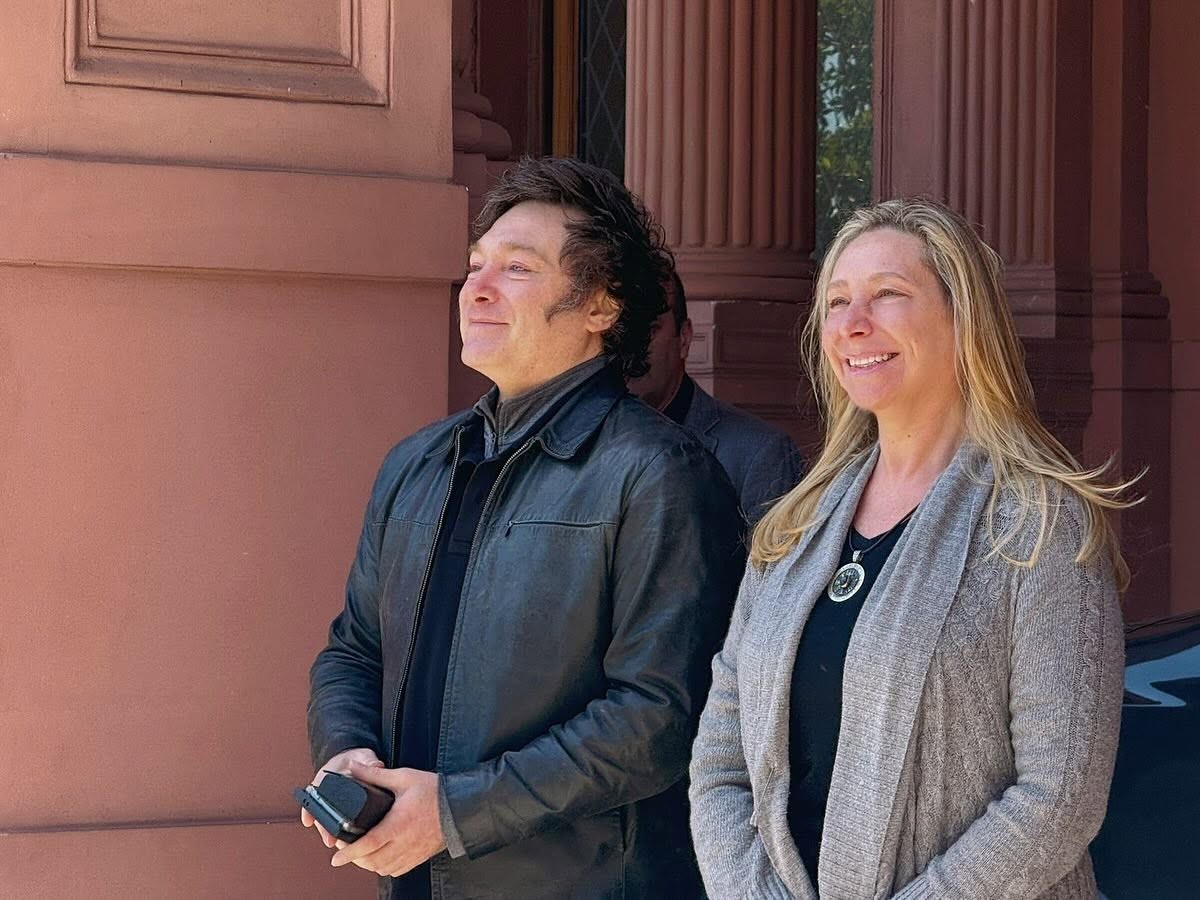
Although Villarruel was loyal to Milei’s government in the first year or so of the current term, by the second year the differences were almost impossible to hide, and now she stands in open confrontation with Milei on different issues.
If that was not enough, Villarruel is a member of a parish of the Argentine branch of the recently excommunicated Society of Saint Pius X, the Traditionalist order-like organization recently expelled from the Catholic Church after their decision to consecrate without Pope Prevost’s authorization four of their priests as bishops in their cradle, the seminary in Ecône, Switzerland.
As a consequence of the Milei-Villarruel rift the Vice President has done her best to avoid attending ceremonies or venues when she knows Milei will be in attendance, but also will she try to take communion during any of the Masses presided by Leo XIV?
Andean postcards
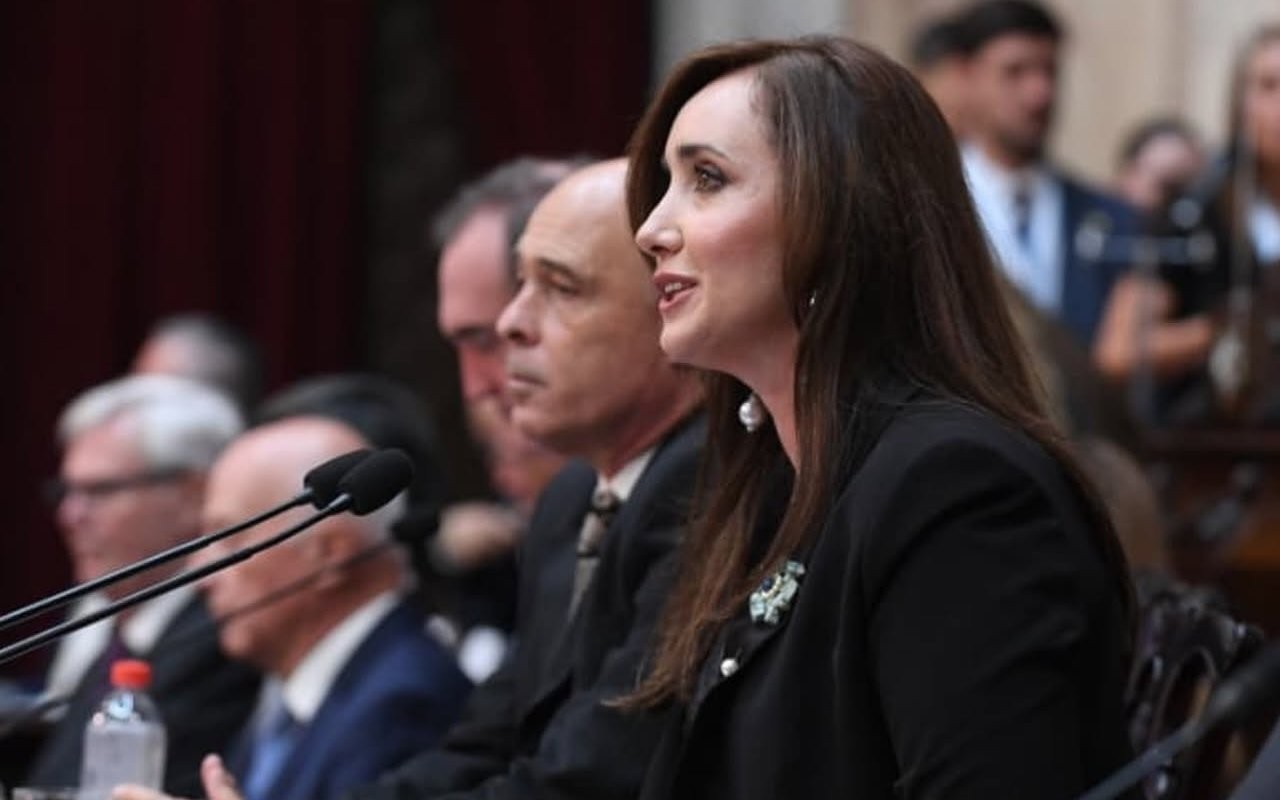
Something similar has happened in Lima during the Te Deum presided on July 29 by Cardinal Carlos Castillo Mattasoglio, the current head of the Archdiocese of Lima. During the most recent Te Deum in Lima Castillo raised questions about the inability of the Peruvian political elite to address corruption, violence and income inequality.
Even if he avoided the specifics of the issues, it was clear that his message was addressing among many other topics the dizzying rotation at the country’s Presidency that, over the last decade has had nine different individuals as Head of State, but also the inability of the political elite to address the root causes of political instability and the impact their permanent quarreling has on markets and incomes. Castillo’s homily in both Spanish and English appears as a PDF in the box after this paragraph.
These are the nine individuals elected or appointed as President of Peru:
- Pedro Pablo Kuczynski who left the office in the midst of a scandal, on March 23, 2018 to avoid congressional impeachment.
- Martín Vizcarra assumed the office, only to be ousted on November 9, 2020.
- For the next five days Manuel Merino, at the time the speaker of the National Congress held the position of Head of State, only to be forced out by the extent of mass mobilization in different Peruvian cities.
- The Peruvian presidency remained vacant for over 40 hours, as Francisco Sagasti was only appointed on November 17, 2020 to serve the remainder of the term until July 28, 2021.
- On that day Pedro Castillo was installed as President only to be ousted less than one year and a half later on December 7, 2022, when he was impeached, removed from office and later incarcerated on charges reminiscent of Alberto Fujimori’s self-coup back in April 1992.
- The Peruvian Congress acknowledged Dina Boluarte, Castillo’s Vice President and she was able to survive as Head of State from December 7, 2022 until October 10, 2025, when she stepped down as the most unpopular President since polls on presidential approval or popularity have been recorded in Peru.
- After Boluarte’s removal, the Congress appointed José Enrique Jerí Oré as Head of State. He served as interim from October 10, 2025 until February 17, 2026.
- Castillo’s term would be completed by José María Balcázar, a former judge and lawmaker affiliated with Castillo’s and Boluarte’s party from February 18, 2026 until July 28, 2026.
- On that day, Keiko Fujimori assumed the Peruvian presidency after winning the 2026 general election runoff.
As if that was not enough, there is the issue of the many Peruvian former presidents who have been indicted in courts and the many of them who have been charged with jail terms.
But the mill of political scandals seems to be the closest any human device has come to a perpetual motion machine as just this week the current mayor of Lima and former candidate to the Presidency, Rafael López Aliaga, announced what amounts to an attempt to violate the Peruvian Constitution that restricts the consecutive terms a mayor is allowed to serve.
What López Aliaga did was to enlist the help of Luis Rubio, a strawman, who registered himself as a candidate for the mayoralty with López Aliaga as his Vice Mayor. When the strawman saw fit, he dropped his candidacy leaving Porky, as López Aliaga calls himself, as the sole candidate of that party to the mayoralty of the oldest capital city in South America.
The issue would not merit inclusion here were it not for the fact that López Aliaga is a so-called “numerary” member of Opus Dei, an order-like Catholic organization marred worldwide by allegations of spiritual and labor abuse of its so-called “auxiliary” members by the “numerary” and “supernumerary” elite, as well as its unwillingness to abide by episcopal authority in Spain, and by sectarian practices that are at the center of the request, originally issued by Pope Francis, to perform a major reform of its bylaws and internal organization.
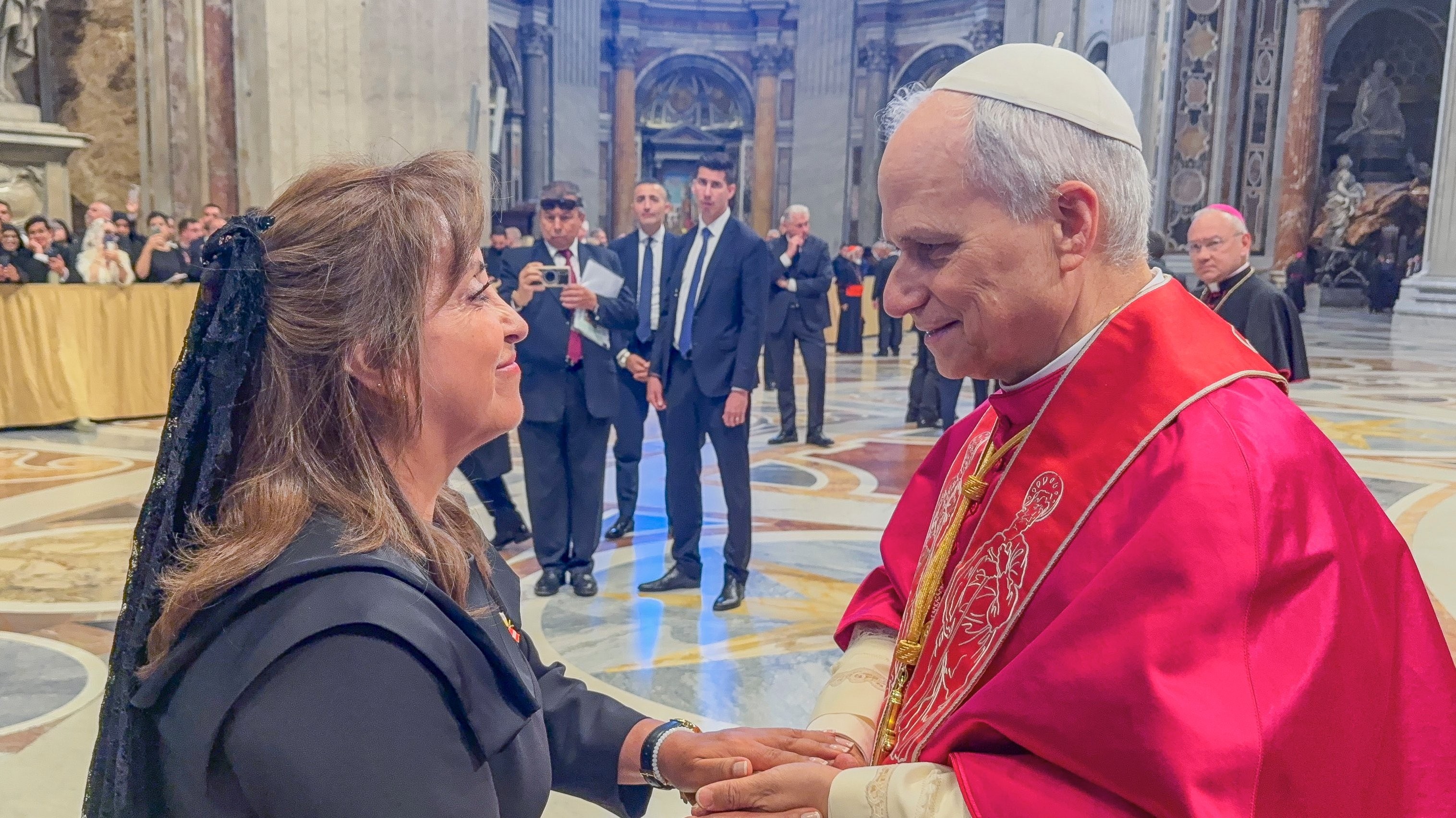
It is almost impossible for López Aliaga’s opposition to let this pass, making the chances of a judicial battle as high as the Andean peaks. The main problem is that the Nation’s Attorney General Office and the judiciary itself are in the midst of an endemic crisis, ensuring that any ruling on López Aliaga's antics will spark a scandal.
More so as López Aliaga did his best to portray himself, in full MAGA fashion, as the victim of a “monstrous” electoral fraud during the first-round of the Peruvian Presidential election, a fraud that only exists in his and his followers’ fertile imaginations, as neither the international observers of the election nor the major media outlets endorsed his claims.
To make matters worse, this unfolds as Keiko Fujimori actively seeks “special powers” from Congress to legislate without legislative oversight. This happens at a time when the Senate was just restored this year, allegedly to improve the legislative branch’s performance.
Special powers were precisely what her father, Alberto Fujimori, sought in the 1990s, and what Pedro Castillo attempted when he launched his failed self-coup. If Fujimori gets her way, Pope Leo XIV’s visit will take place during what amounts to a presidency on steroids, juiced by the kind of special powers that usually go hand in hand with major human rights violations.
And, despite the apparent unity around Robert Prevost Martínez, as the adoptive Peruvian Pope used to style his civilian name in Spanish, there is a deep rift in the Peruvian Conference of Bishops.
The best evidence of this is how isolated the current head of the Archdiocese of Lima, Cardinal Carlos Castillo Mattasoglio, remains. He was willing to travel to one of the sites where evidence of abuse, sexual and otherwise, at the hands of the leaders of the now dissolved Sodalitium of Christian Life took place, and ask for forgiveness on site.
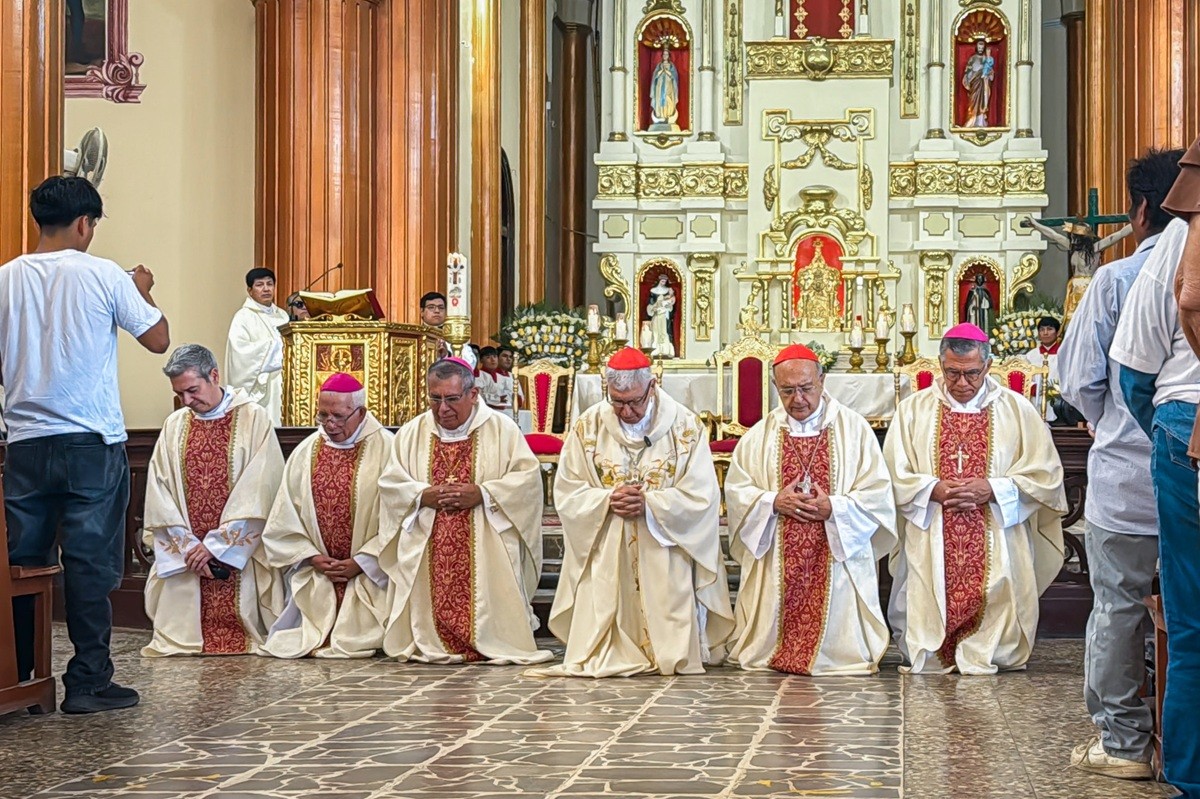
As the story linked after this paragraph told a few weeks ago, Cardinal Castillo presided over a funeral Mass where he and a handful of Peruvian bishops acknowledged the many abuses of the Sodalitium.
English Edition
Are we really witnessing the end of abuse at the Sodalitium?
And even if among the concelebrants was the Spaniard prelate Jordi Bertomeu, a key officer in the Dicastery for the Doctrine of the Faith, neither the president nor any of the vice presidents of the Peruvian Conference of Bishops were there.
In that respect, as noble a gesture as it was, it remains an isolated move from a figure who, largely because of the depth of his theological scholarship, was systematically marginalized by Popes John Paul II and Benedict XVI.
It was only an odd Pope from Latin America who was willing to take the unusual step of promoting a rather old priest straight to archbishop when Castillo was already 68, an age where the dream of becoming a bishop is already over for the average Catholic priest.
Bitter medicine
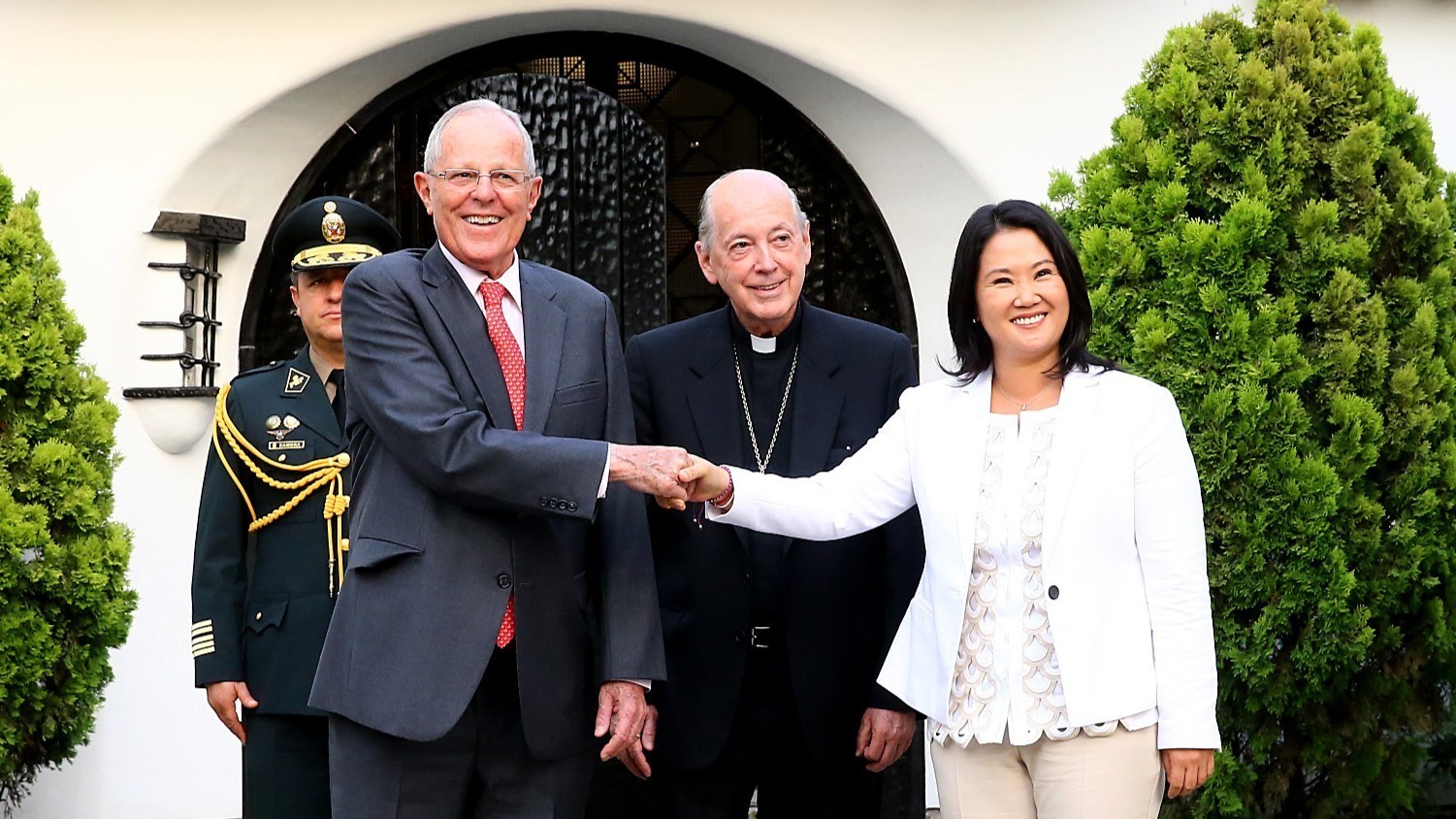
To be clear, Castillo Mattasoglio was the bitter remedy Pope Francis prescribed for Lima following the twenty-year "reign" of one of Alberto Fujimori’s key partners in power: the first-ever Cardinal from the ranks of Opus Dei, Juan Luis Cipriani Thorne, whom Francis secretly disciplined for the sexual abuse of a minor committed while Cipriani was still a priest.
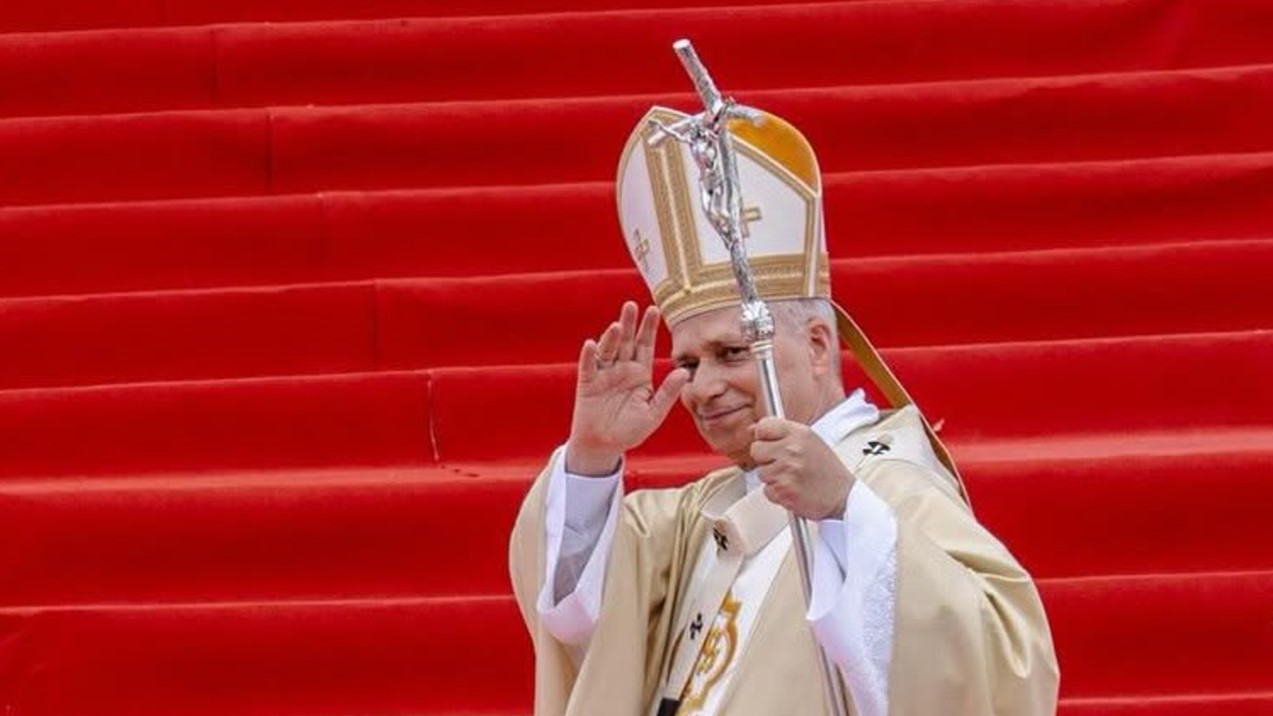
More so, as Cardinal Castillo Mattasoglio is already “playing over time” as he reached 75 last year, and it is unclear if Keiko Fujimori will be willing to let the Vatican decide on its own who should take over the oldest Catholic see in South America.
English Edition
Pilgrimaging through Africa: A Peruvian State of Mind
On top of that, both the current president and a former secretary of the Conference have been named for either covering up or actively abusing faithful under their care, as the stories linked before and after this paragraph have told recently.
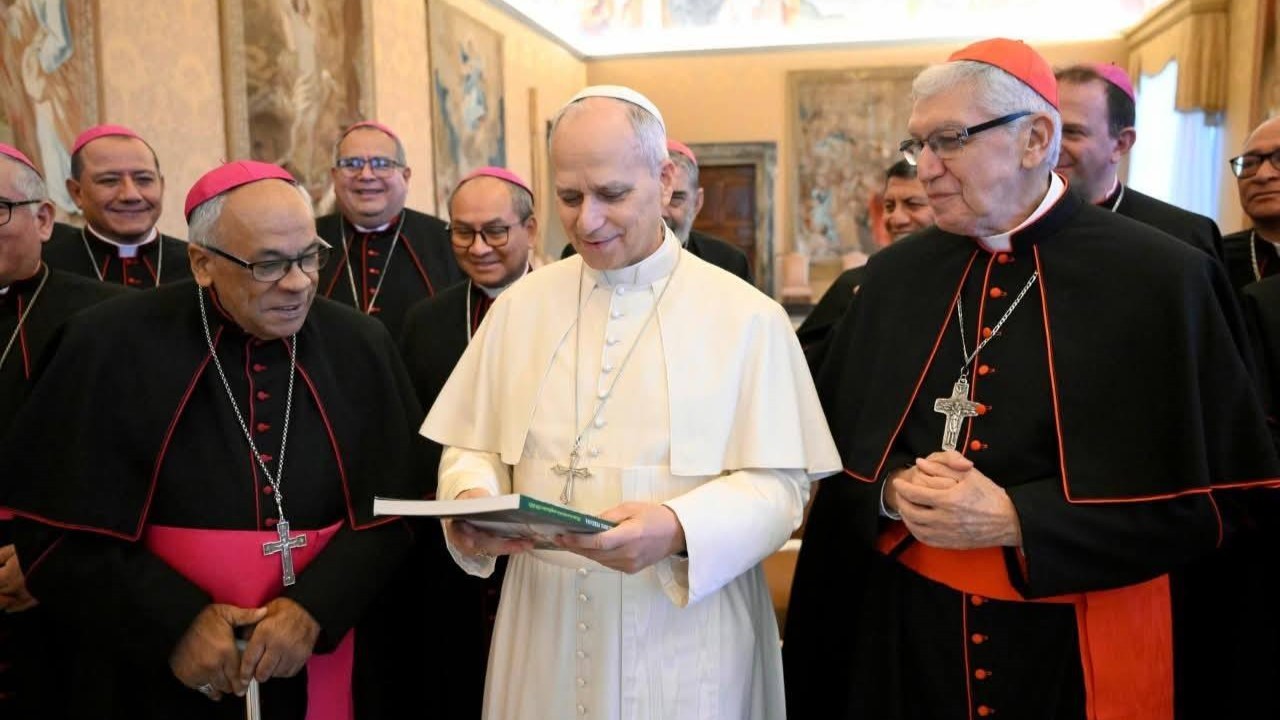
What is worse, as successful as Leo XIV has been so far as Pontiff, already before his election, when he was only the prefect of the Dicastery for Bishops, there were accusations about the mishandling of abuse cases at the diocese of Chiclayo that, sadly, have not been addressed by him or by his successor in that see, fellow Augustinian friar Edinson Edgardo Farfán Córdova.

English Edition
From Chicago to Chiclayo, sexual abuse victims are pawns
On top of that already full plate, Peru has been the setting of a major scandal, one that has not received adequate treatment from either the Vatican hierarchy or the Peruvian authorities: the forced resignation of the former head of the prelature of Juli, Ciro Quispe López, who became a front-page scandal, after his sexual “adventures” with at least ten women forced him out of office.
Unlike what happened in France almost simultaneously, neither in Lima, Juli, nor Rome was there an official acknowledgement of Quispe López’s sexual antics, only a silent exit that leaves many unanswered questions, more so as, unlike what happens in France, where the wages of the bishops are covered by the Catholic Church on its own, in Peru the bishops receive the equivalent of a salary from the National Treasury, as the story linked after this paragraph told back in 2025.

If that was not enough reason for concern, the issue of the actual suppression of the Sodalitium, especially the many façade entities created to extract surplus in the name of the Catholic Church, is still unresolved, not only in Peru, where most of the façade entities operate.

It is a pending issue in the United States where there is still the risk of the old Sodalitium becoming a diocesan association of the faithful in both Denver and Philadelphia, as it is also in Colombia and Brazil, as the stories linked before and after this paragraph proved a few months ago.

English Edition
Leo XIV and the risk of victims remaining pawns
No victory lap
Hopefully, Robert Prevost’s experience as a priest and bishop in rural Peru prepared him for the many risks a visit to his adoptive region presents. It will not be, by any stretch of the imagination, a victory lap or a “homecoming tour.”
He is stepping into an Argentine maze of bitter polarization fueled by the Head of State himself, into a political minefield in Peru at a time when Keiko Fujimori will be wielding special legislative powers, as her father did when he suppressed Congress with the support of the military.
And even if in Montevideo the political risks are far lower, he will have to confront the reality of the “emptying of the pews” in a country where religion, Catholic or otherwise, cannot claim to be a major player in public life.
If that was not enough, in Argentina Pope Prevost is scheduled to visit one of the many epicenters of the clergy sexual abuse crisis there. Unlike his visit to Spain, where an agreement is already in place with the Ombudsman to process cases and pay reparations, allowing the Archdiocese of Madrid to arrange a meeting with victims willing to sit down with the Pope, no such framework exists in Argentina.
What is worse, in recent days, threats of violence were made against survivors and their allies in Argentina, leading the legislature in the province of Córdoba to issue a statement condemning the intimidation, as the Facebook post published by the Argentine Network of Survivors of Clergy Sexual Abuse above this paragraph proves (content in Spanish).
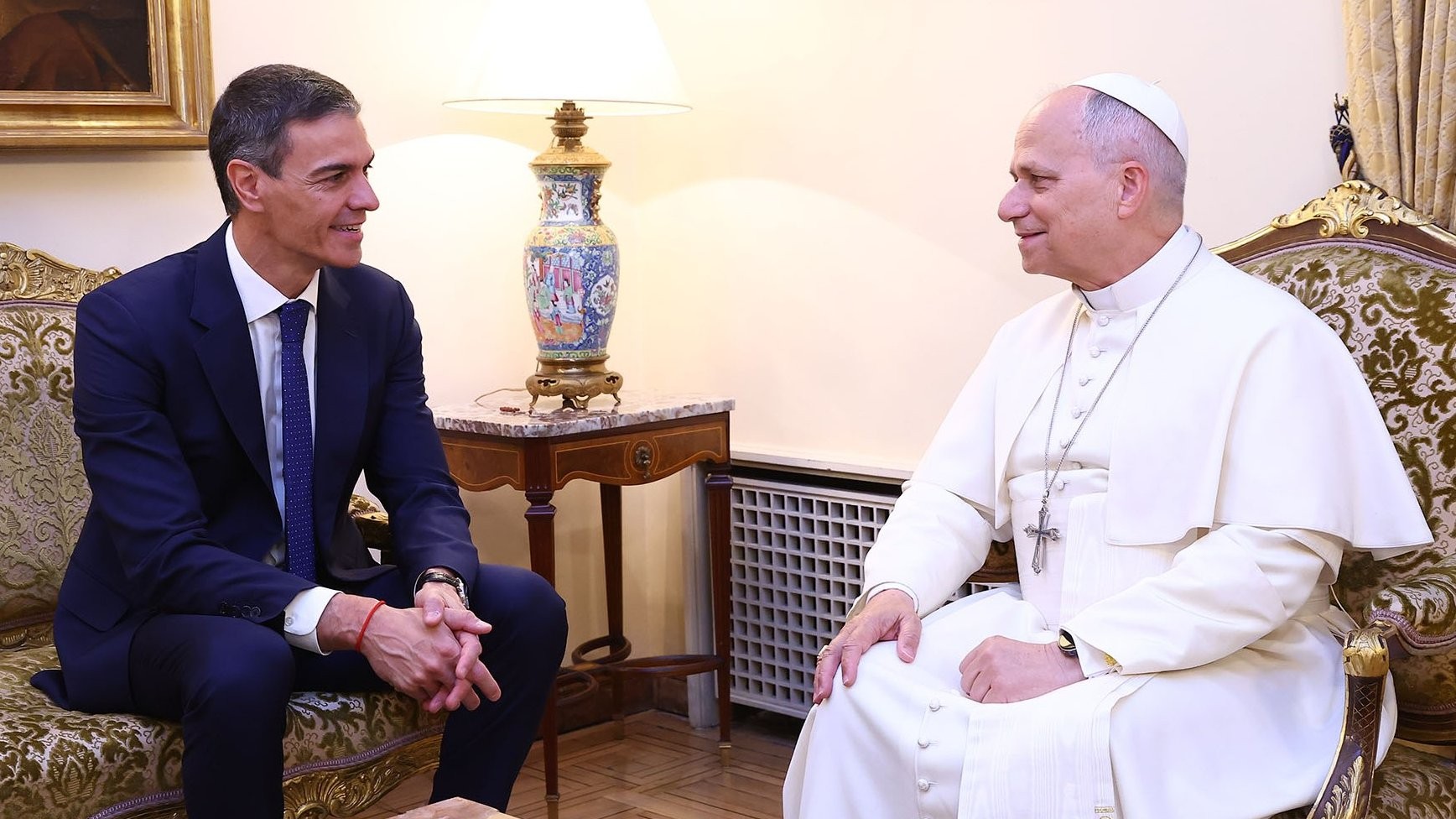
English Edition
Leo XIV in Spain: The Catholic Church’s many paradoxes
Something similar can be said about the upcoming visit to France. On Friday, August 7, the Associated Press published news of a revised itinerary of Pope Prevost’s September 25-27 visit to that European country. For the first time, there is an explicit mention of a meeting with survivors of clergy sexual abuse there.
Although the French edition of Vatican News (content in French) offered little details about a “private meeting with survivors,” it provided no specific date or venue for the encounter.
By Saturday, August 8, local media in the Pyrenees region (content in French) reported that the meeting with survivors would take place on Sunday September 27, the day the Pope is scheduled to preside over an open air Mass at the gardens of the Basilica of Our Lady of Lourdes, after meeting with the French Conference of Bishops.
Noticeably, the French Conference of Bishops is doing its best to emphasize as much as possible that it is not up to them to decide whom among the survivors will have the chance to meet the Pontiff during the private encounter, probably to avoid a public relations nightmare similar to the one in Madrid when the Pontiff met with a group of survivors close to the archdiocese in the capital of Spain.
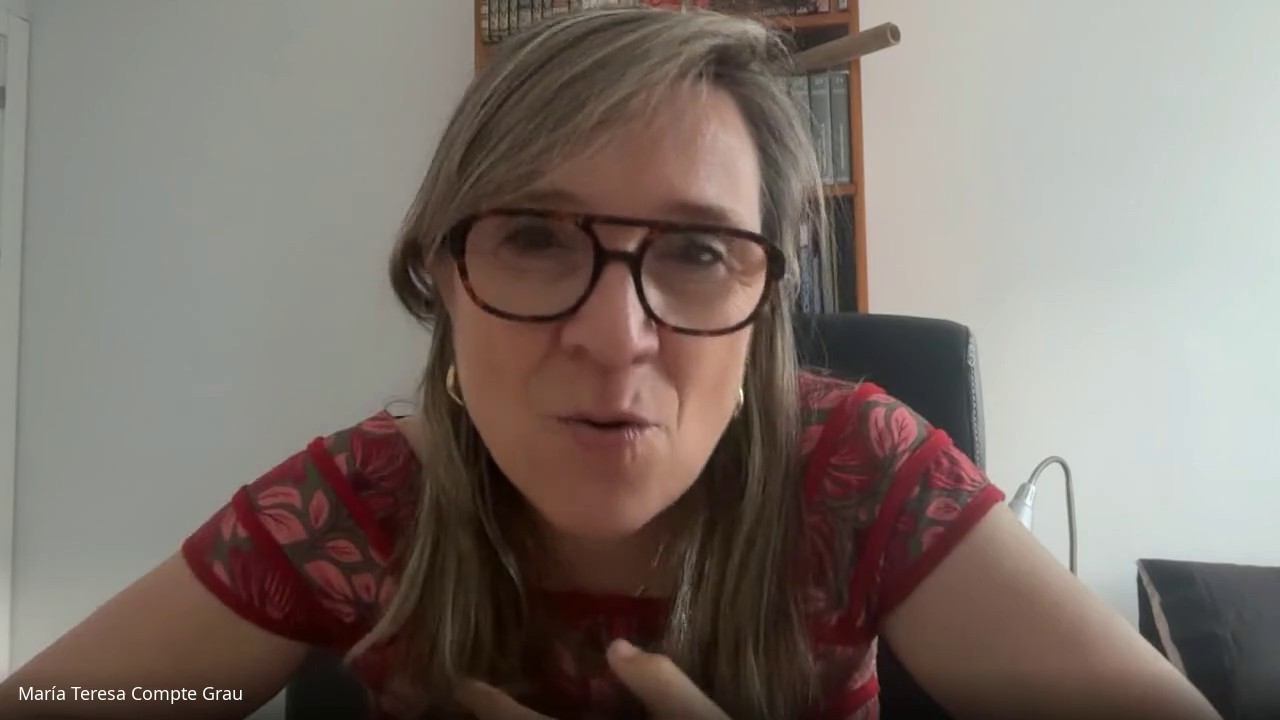
Even if the meeting in France was excluded from the official itinerary, as occurred in Spain, such an encounter carries legitimacy because the French Conference of Bishops has worked since the late 2010s on a series of measures to acknowledge the scale of abuse in their country, and reparations are being paid too.
And, to be clear, there are already signs of trouble for Leo XIV's meeting with French survivors, as some of their associations claim the French Conference of Bishops is blacklisting them, as this story published on Saturday August 8 tells (content in French), so the teams preparing the visit at the nunciatures in Montevideo, Buenos Aires and Lima had better step up their game. A careful consideration of the state of play of the clergy sexual abuse crisis in the region reveals there is no reason to expect easy days for Pope Prevost.
More so as no Latin American country, especially those on the Pope’s itinerary for November, has mechanisms comparable to those in Spain or France to acknowledge the scale of the abuse and financially compensate survivors. Actual reparation remains a distant prospect across Latin America, where hierarchies fuel anti-Catholic resentment by trying to handle abuse cases on their own terms.
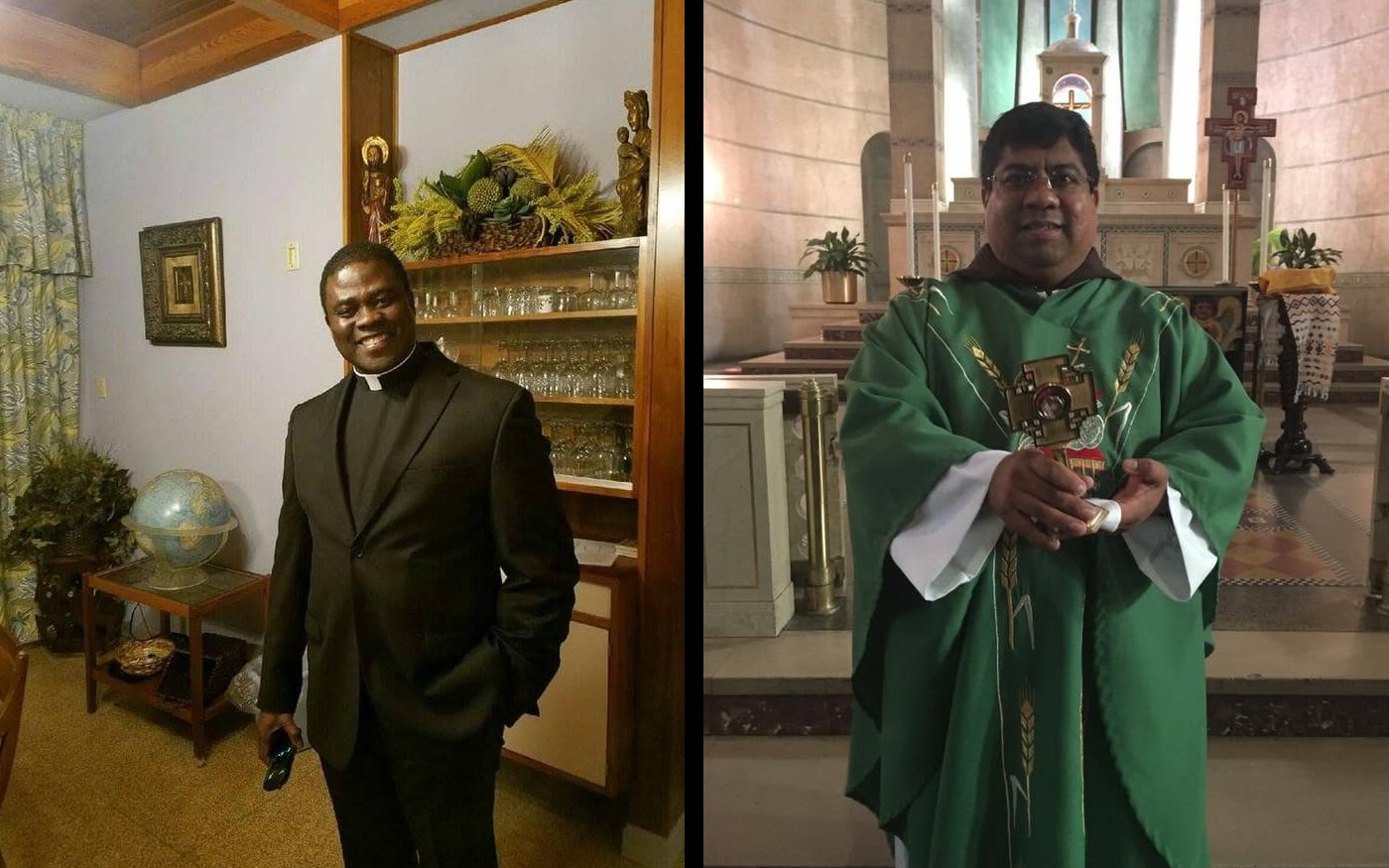
As able as Jorge García Cuerva has been to continue the pastoral project originally developed by Jorge Mario Bergoglio in the late 1990s, there is no semblance of an actual program to address the cases of abuse there, and despite the alleged proximity of Cardinal Ángel Sixto Rossi, the Jesuit Archbishop of Córdoba with the late Jesuit Pope, the mishandling of abuse cases in that see contradicts the seemingly discarded idea of a “spirituality of reparation” and remains a source of scandal, as the story from last week, linked after this paragraph, told in the “And Latin America too” section.
English Edition
Gambling the Alms: Sexual Abuse and Court Strategies
* * *
A summary of this piece is available as audio after this paragraph.
Note on production: The text of this summary was written and edited solely by the author. The delivery of the audio summary was achieved using a high-quality, text-to-speech engine Microsoft Word for Web. The AI was used for voice generation only, not content creation.