Rodolfo Soriano-Núñez Viernes, 18 de Julio del 2025, 00:40
Cristosal points out how “freedom of expression, peaceful protest, and citizen participation have become punishable behaviors” in El Salvador.
Quoting Salvadoran Cardinal Gregorio Rosa Chávez, Cristosal claims “fear has spread throughout the country”.
By Rodolfo Soriano-Núñez
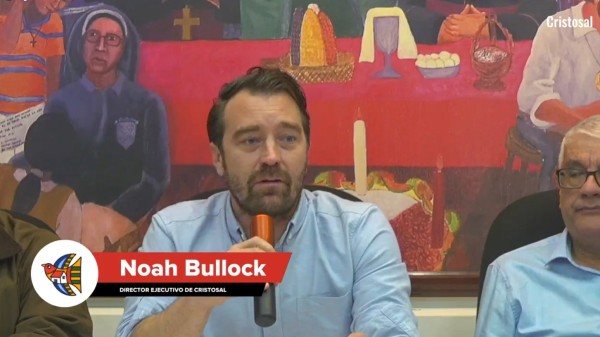
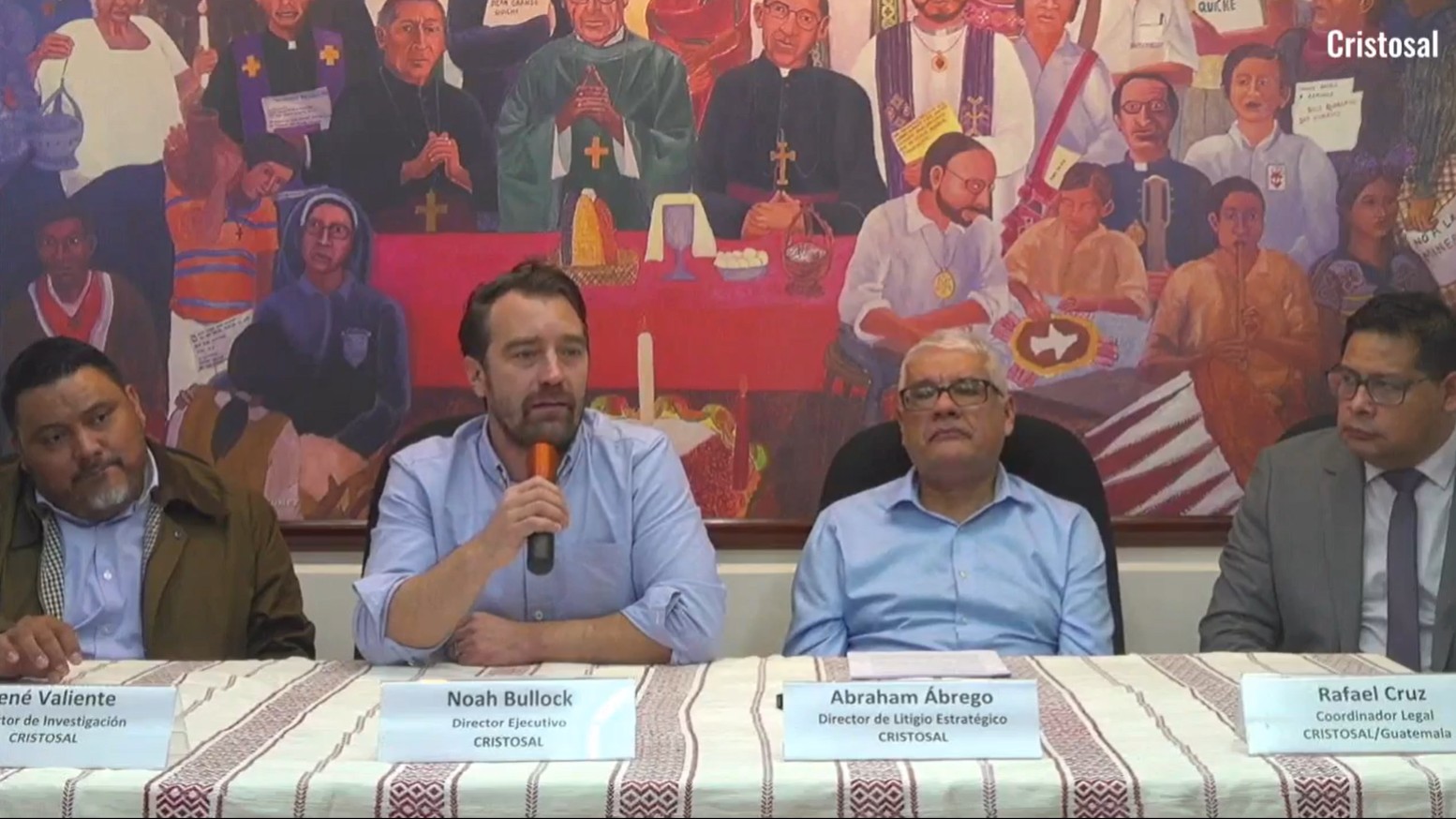
On the morning of Thursday, July 17, from its headquarters in Guatemala, Cristosal, a Central America-wide human rights organization focused on justice and public security policy, announced they were exiting El Salvador.
Cristosal has taken this measure as an unwanted response to the escalating criminalization of human rights defenders, the new Foreign Agents Law (LAEX), and the lack of meaningful checks and balances to counter the excesses of the Nayib Bukele administration.
Cristosal continues its operations from its headquarters in Guatemala and Honduras, seeking mechanisms that allow it to maintain some degree of activity, even if remote, in El Salvador.
The “Bukele brothers' regime,” as Cristosal describes it, has dismantled the basic principles of democracy. Under a permanent state of emergency and with almost absolute control of all institutions, El Salvador has dismantled the basic principles of democracy and the rule of law.

English Edition
Trump releases MS-13 leaders as part of deal with Bukele
In Cristosal's opinion, "expressing an opinion or demanding basic rights today can result in jail,” a dynamic that is further fueled by how the U.S. Trump administration has used Salvadoran prisons to incarcerate migrants, even using them as models for the so-called Alligator Alcatraz in Florida, the prison modeled after the Bukele administration's CECOT (after the Spanish-language acronym of Terrorism Confinement Center).
Cristosal points out how “freedom of expression, peaceful protest, and citizen participation have become punishable behaviors limited by those in power.”
They point out that, according to the most recent survey by the University Institute of Public Opinion of the Catholic University of Central America (UCA), nearly 60 percent of the population is afraid to express an opinion or protest for fear of reprisals.
The press conference in which they announced their exit from El Salvador in Guatemala is available on Facebook here, with audio available only in Spanish, and after this paragraph, although some browsers may have trouble displaying Facebook video content.
This culture of fear, fueled by rumors of blacklists, surveillance, intimidating police visits, and arbitrary arrests, functions as a mechanism of social control. As Cardinal Gregorio Rosa Chávez, emeritus archbishop of San Salvador, warned: “Fear has spread throughout the country”.
Cristosal points out that the arbitrary arrest of “Ruth López, a lawyer and human rights’ defender, is not an isolated case, but rather part of a strategy of exemplary punishment intended to intimidate. Ruth is imprisoned for demanding transparency and denouncing corruption. Like her, many other people have been criminalized for their work or forced into exile”.
They recall that they have “faced legal and administrative harassment, espionage, surveillance of their activities and homes, as well as defamation campaigns. Although this adverse context is not new, it is the first time that there are no guarantees of defense in El Salvador”.
More recently, the so-called Foreign Agents Law (LAEX) has been added, which they describe as “an instrument of authoritarian control that imposes discretionary sanctions, punitive taxes, and state surveillance to censor and punish independent organizations”.
Cristosal denounces that “in the face of this scenario of authoritarian consolidation,” they have been forced to “make the painful decision to suspend our operations in El Salvador.”
They insist that “Cristosal does not renounce its legal status or its commitment to El Salvador. We have submitted our registration in the Foreign Agents Registry because the defense of human rights is inalienable.”
Their statement, available only in Spanish as a PDF at the bottom of this page, states that “we are reorganizing to protect our voices and contribute to ensuring that the defense of human rights remains alive, free, and at the service of victims”. This reorganization entails a physical relocation of their staff from El Salvador due to safety concerns, but their intellectual and analytical work, including research, documentation, and policy advocacy, will continue to address the human rights situation in the country from their regional bases.