Guadalupe Lizárraga Viernes, 13 de Junio del 2025, 01:31
Ricardo Raphael appropriated my investigation into the Wallace case, omitting any credit to me in media and publications.
By Guadalupe Lizárraga
Juana Hilda González Lomelí was released on Wednesday, June 11, after spending more than 19 years in prison for a crime she did not commit. Her conviction was overturned after it was proven that she had been tortured, prosecuted with illicit evidence, and denied the right to a fair trial. I have documented all of this since 2014, when I began investigating the fabricated Wallace case.
My journalistic work uncovered the fabrication of charges against eight individuals. Six were directly accused by Isabel Miranda Torres of the alleged kidnapping and murder of her son, Hugo Alberto Wallace; two others were charged with unrelated crimes to simulate the existence of a criminal gang.
With evidence that was later admitted in court, my investigation helped Juana Hilda González Lomelí, César Freyre Morales, Jacobo Tagle Dobin, Brenda Quevedo Cruz, Alberto and Tony Castillo, Jael Malagón Uscanga, and George Khoury Layón. All of them were subjected to torture. Particularly severe were the cases of César Freyre and George Khoury, both with positive findings under the Istanbul Protocol. In Khoury’s case, the United Nations recommended his immediate release as far back as 2017.
For seven years, I reported in real time on the reprisals they faced in prison: denial of medication, arbitrary transfers, and beatings for exposing human rights abuses to international bodies.
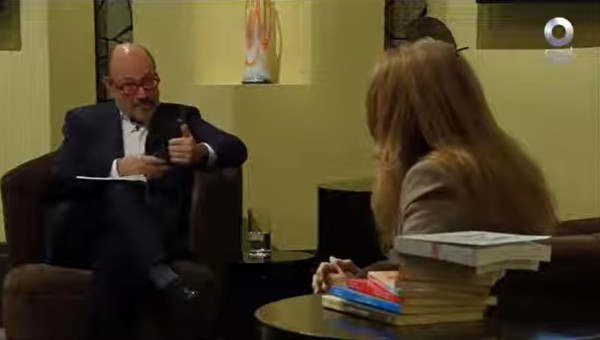
In December 2018, I published the first book of my trilogy, The False Wallace Case. Shortly afterwards, Ricardo Raphael requested an interview for his show on Canal 11. He expressed scepticism, particularly about Genaro García Luna’s alleged alliance with Isabel Miranda. Four months later, he emerged in the media as “the Wallace case investigator”, plagiarising my work and erasing my name.
Since then, he has profited from the victims’ suffering, retraumatizing them in his most recent book by placing them in criminal contexts without evidence, reinforcing a narrative already dismantled in court.
The plagiarist’s cynicism goes beyond theft: he continues to cause harm, sowing doubt over the innocence of those unjustly imprisoned.