Rodolfo Soriano-Núñez Viernes, 24 de Abril del 2026, 00:00
Bill AB1739 aims at setting clear boundaries and accountability for members of the clergy providing therapeutic or counseling services in California.
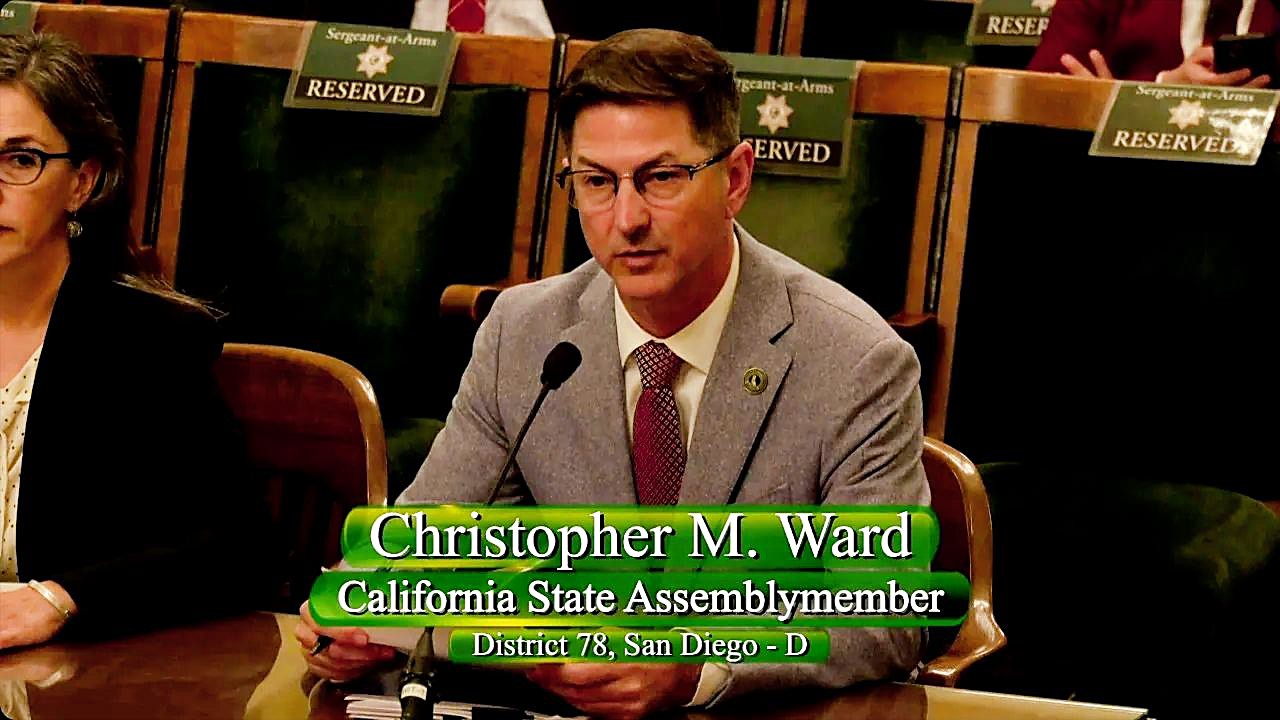
Assemblymember Ward’s AB1739 seeks to prevent clergy sexual abuse of people seeking support from clergy members in California.
By Rodolfo Soriano-Núñez
Last Tuesday, April 21, the California State Assembly Standing Committee on Business and Professions approved AB1739, a bill aimed at setting clear boundaries and accountability for members of the clergy providing therapeutic or counseling services.
The Democratic majority in the committee approved the bill with 13 votes, two votes of Republicans Heather Hadwick and Juan Alanís against, and four members absent from the voting, three Republicans and one Democrat. Once approved, the bill, originally promoted by Assemblyman Chris Ward (D—San Diego https://calmatters.digitaldemocracy.org/legislators/christopher-ward-35497) passes to the Assembly Committee on Appropriations.
The bill acknowledges how important religious services and networks are in California, hence the need to limit the potential risk members of faith communities confront when seeking the help of clergy in their religious organizations.
As it happened before in the Committee on Public Safety, besides a brief presentation by Assemblymember Ward, the members of the Committee had a chance to hear two summaries of the bill’s main features.
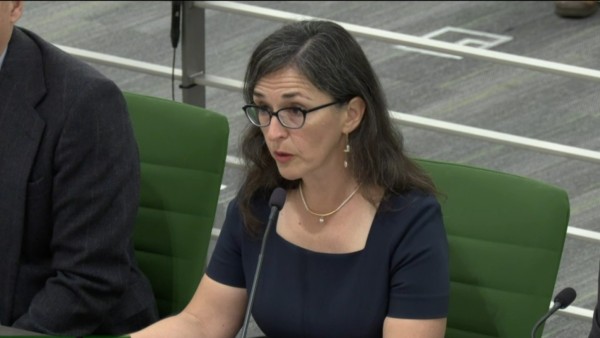
First, doctor Hermina Nedelescu, a neuroscientist, survivor and member of Prosopon Healing, an NGO specialized in helping survivors of clergy sexual abuse in the context of the Christian Orthodox churches.
Nedelescu is a staff scientist at The Weiss Laboratory of The Scripps Research Institute in La Jolla, California. She is engaged in new aspects of the science-theology dialogue as related, among other issues, with the consequences of clergy sexual abuse crisis in the religious tradition she knows better through her Romanian relatives and roots.
Her work with victims of the Eastern Orthodox Church is part of a broad research project aimed at documenting the effects of abuse and figuring out an exit from the pain and trauma survivors must overcome.
Nedelescu’s interest in addressing specific aspects of the clergy-faithful relationships is the consequence of her own experience and findings attesting the extremely high rates of PTSD and suicidal ideation among survivors of clergy sexual abuse. Nedelescu and her colleagues at Prosopon Healing help victims become survivors but, her main interest is to prevent abuse from ever happening, and that is why she sought Ward’s support to address this specific aspect of clergy-faithful relations where California’s laws and regulations were behind other states.
Her experience was summarized in the story linked after this paragraph, from the weekly bilingual series Los Angeles Press publishes in sexual abuse in religious and other settings.
English Edition
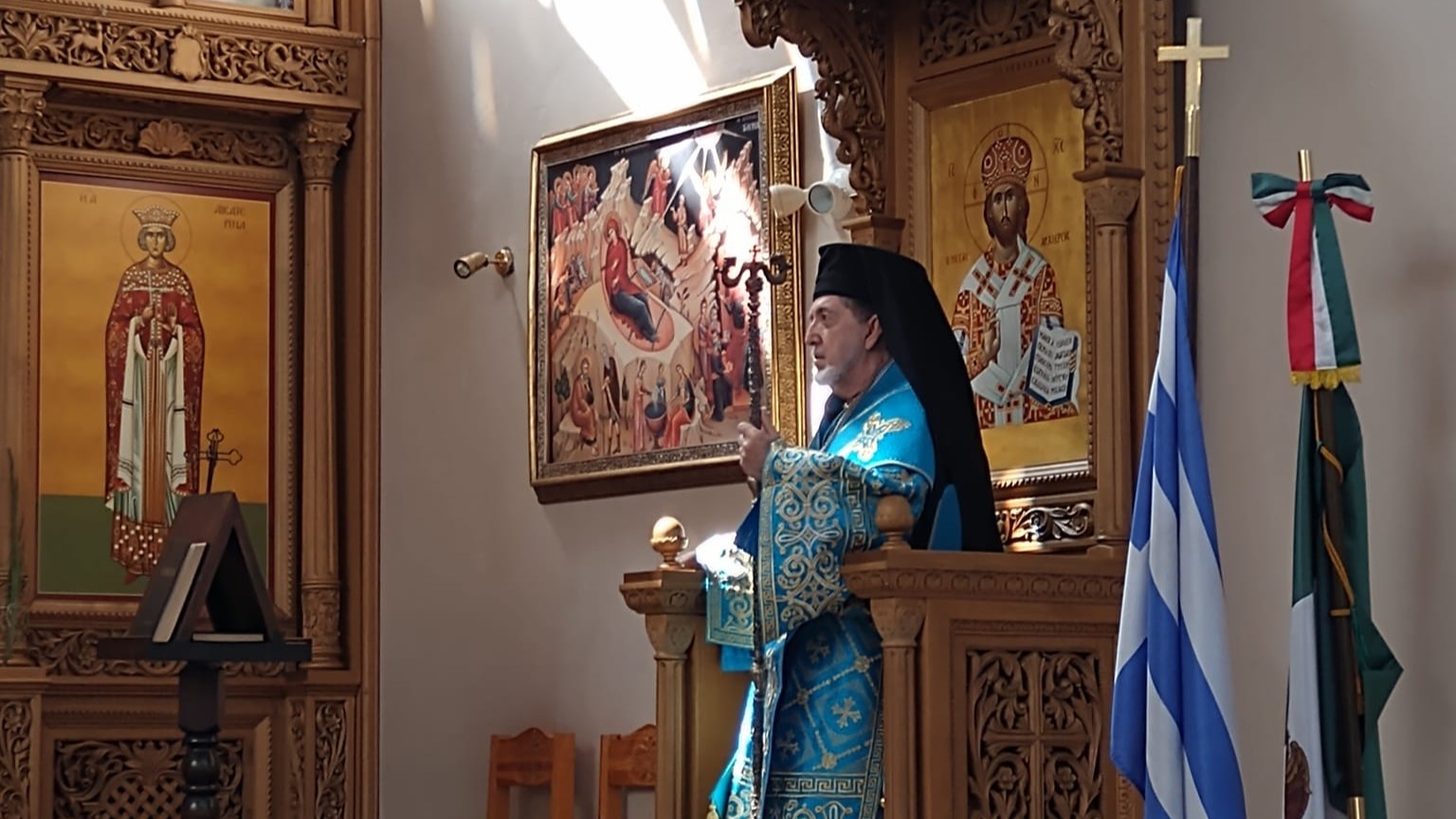
Lost in Mexico City: clergy abuse, Orthodox style
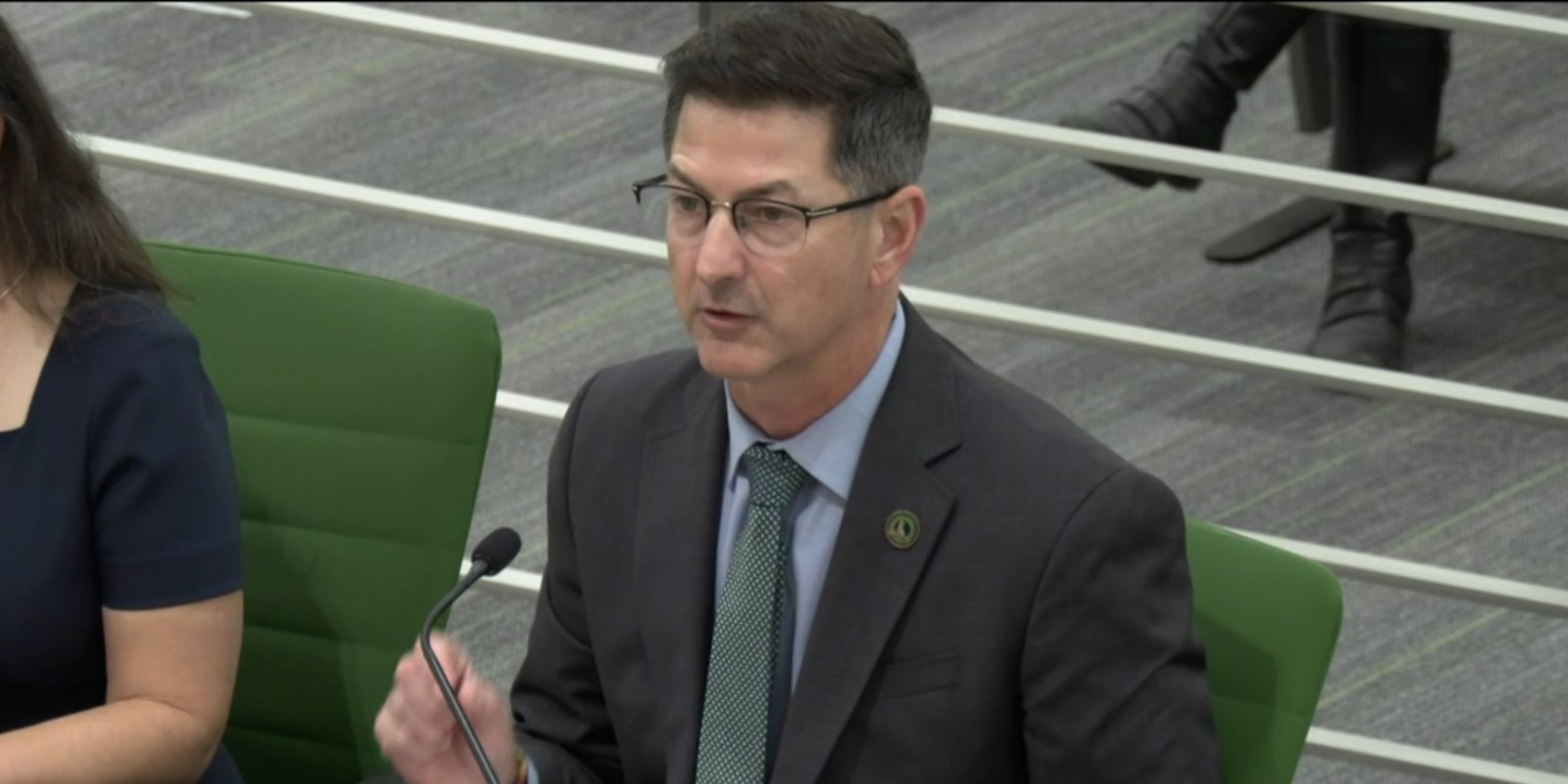
Also supporting AB1739 was David Bunn, who identified himself for the purposes of the presentation to the Committee on Business and Professions as a volunteer with SNAP, the Survivors Network of those Abused by Priests, one of the NGOs endorsing the bill.
His presentation centered on his stepson’s, Trevor, experience as a survivor of clergy sexual abuse at the hands of a Catholic priest for two years. He emphasized “immense authority” clergy hold over their parishioners and the consequences of such “power imbalance”.
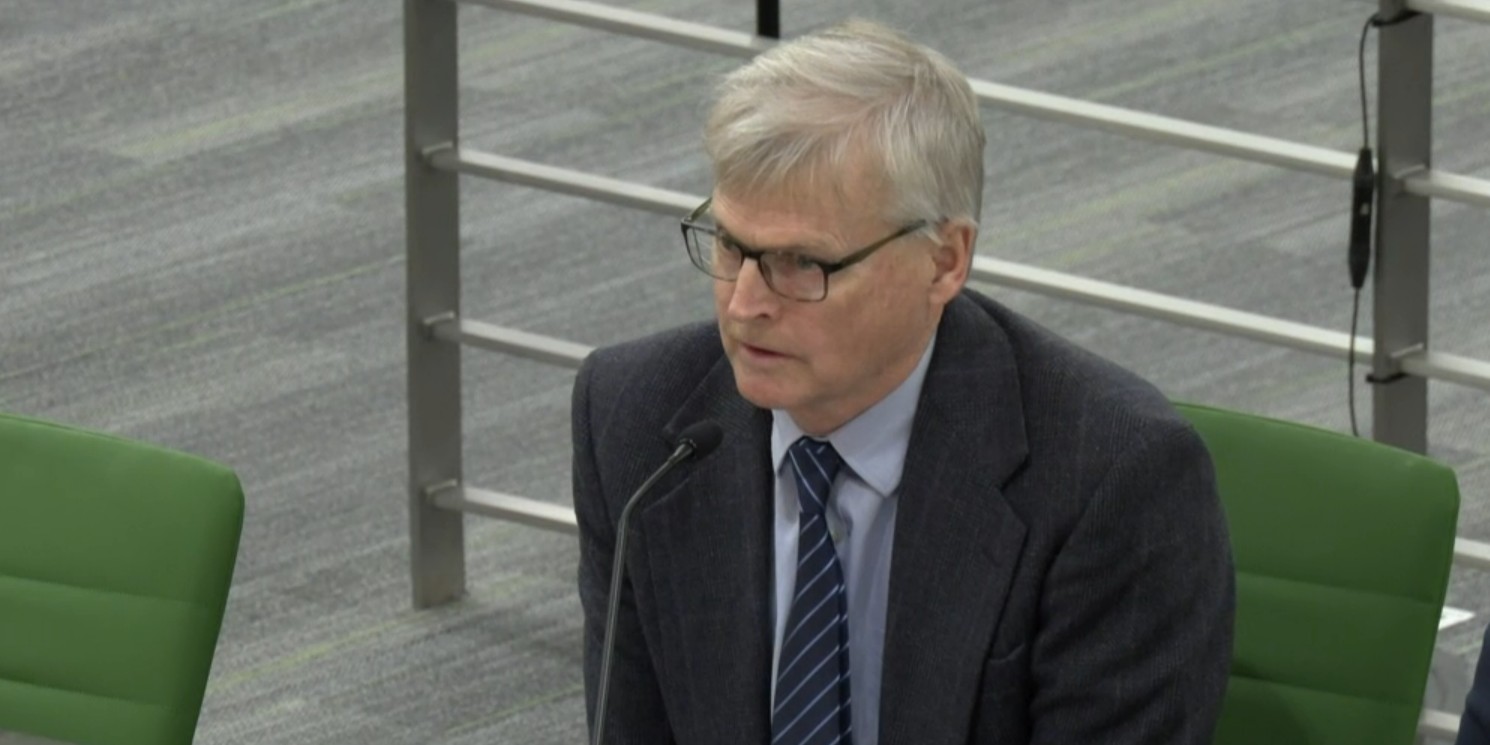
Both Ward, Nedelescu and Bunn emphasized how AB1739 is only trying to address such imbalances by setting clear rules to prevent any kind of coercion or exploitation of dependency from ever happening in the clergy-faithful relationships.
The bill does not seek to set new rules or to change religious doctrine as such and it does not ask clergy to obtain state or federal accreditations. Bunn’s testimony emphasized how religious institutions have been unable to handle these issues internally.
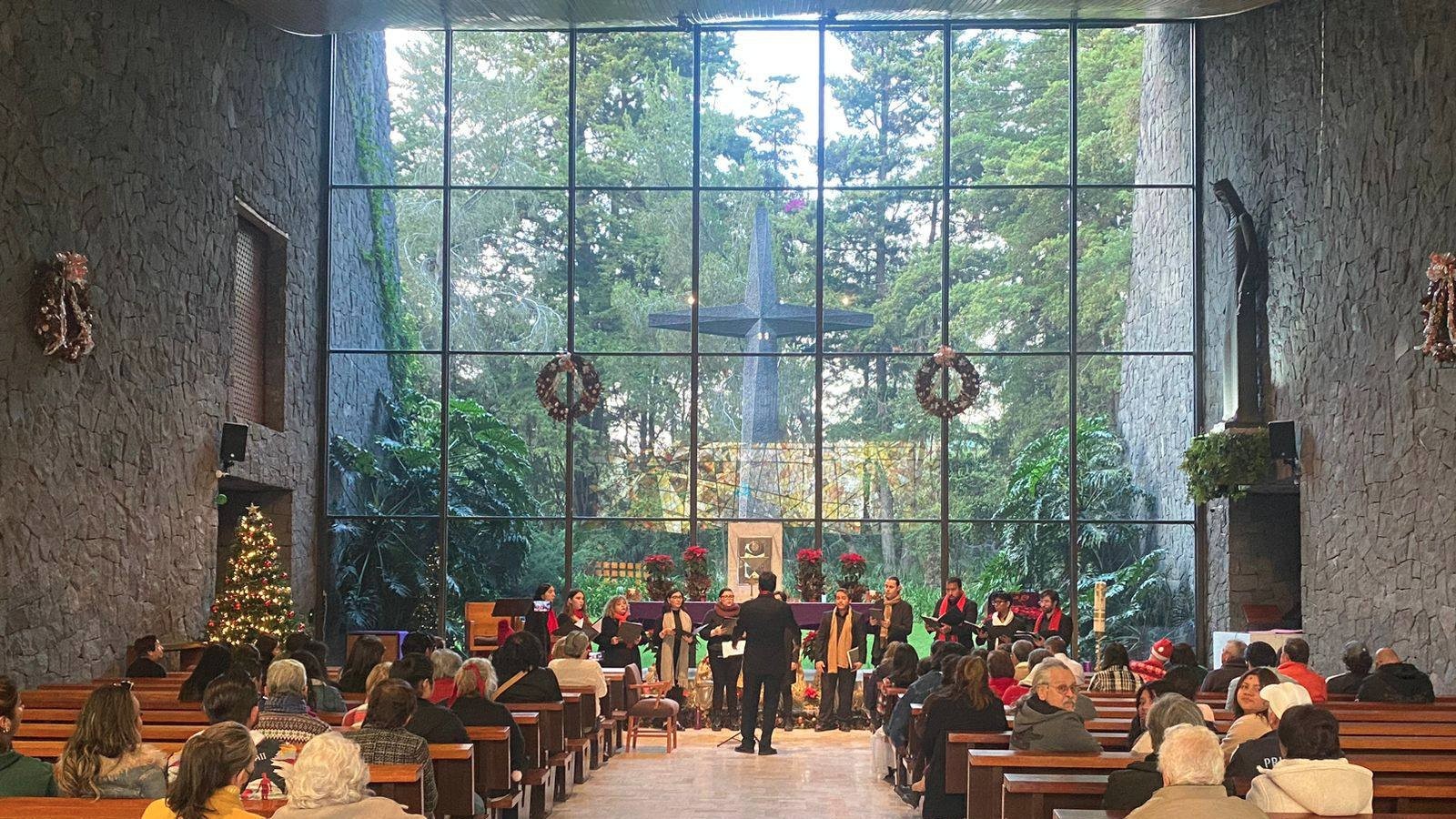
Also, Bunn’s testimony centered on the issue of how abuse is not only about children as it happens with adults “seeking clergy during the most vulnerable moments of their lives, grief, divorce, trauma, depression, addiction, loneliness, and a spiritual crisis.”
English Edition
Adult males abuse: the hardest story to tell
He stressed how “when accountability depends only on the institution, too often the survivors are ignored and people are abused. This is one of the most important measures that can take place to prevent this happening in the future. The law must protect people when the institutions fail.”
He concluded by emphasizing how AB1739 does not target a religion or doctrine. It targets misconduct.
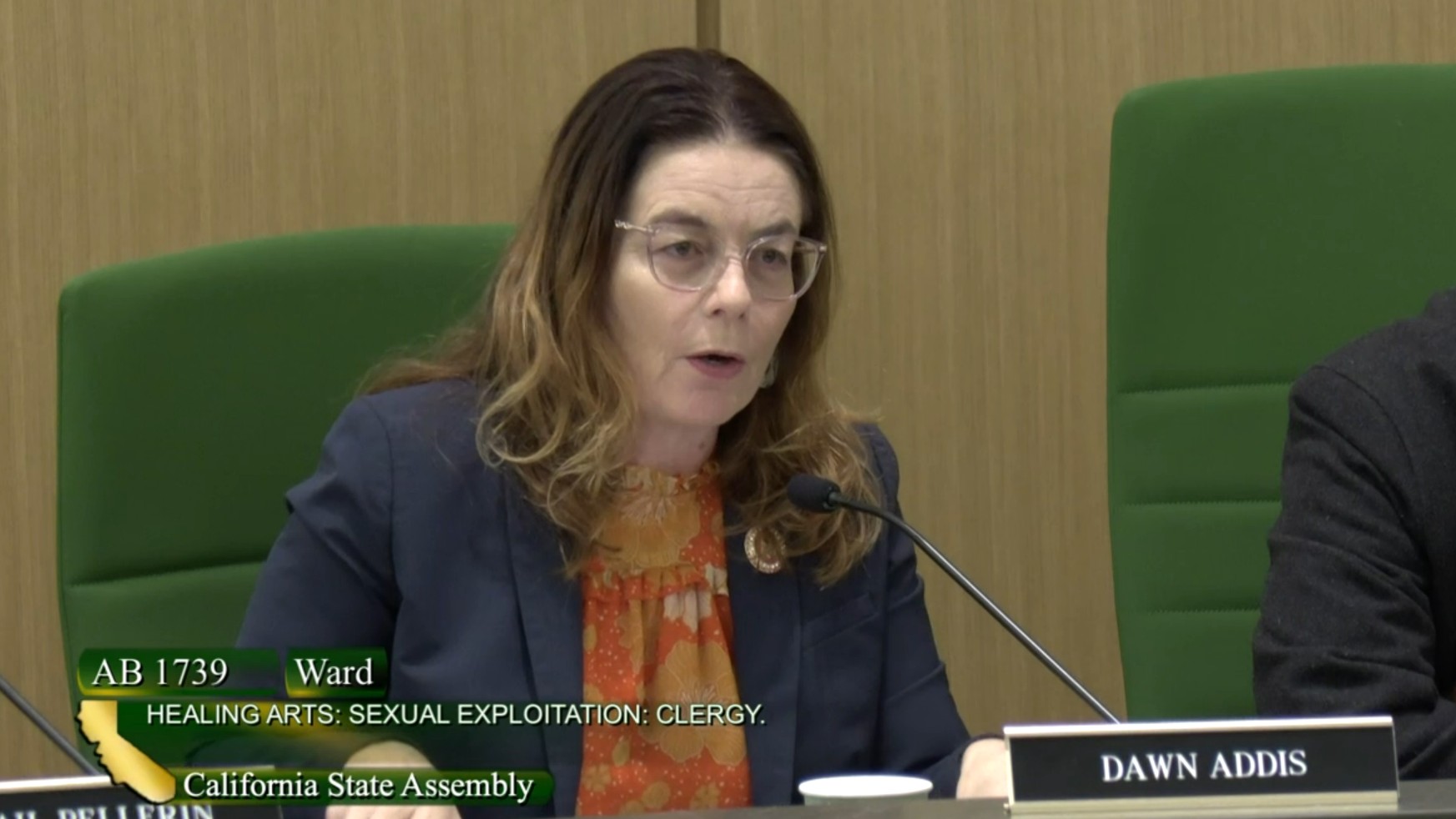
After Nedelescu’s and Bunn’s testimonies, the committee’s heard from Dorothy Small, a retired registered nurse and abuse survivor, and Assemblymembers Dawn Addis (D—San Luis Obispo), Josh Lowenthal (D—Long Beach) and Gail Pellerin (D—Santa Cruz) and Democratic legislative staff Corey Jackson.
The full bill is available here.
English Edition
Clergy Abuse Prevention Bill Advances in California Assembly