Visa scrutiny expands to governor's family as Sonora dismisses U.S. allegations.
Los Ángeles Press
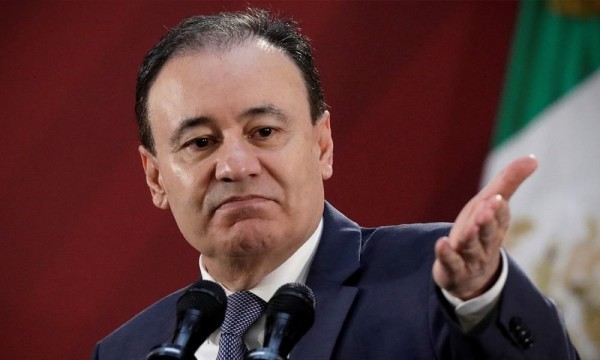
HERMOSILLO, Mexico — The government of Mexico's northern state of Sonora denied Tuesday that Gov. Alfonso Durazo is under investigation in the United States, pushing back against a report that claimed American authorities are probing the senior Morena politician and revoked his U.S. visa.
The denial came after the Los Angeles Times reported that Durazo, a former federal security secretary and one of Mexico's most influential governors, is among two sitting Mexican governors being investigated by U.S. authorities over alleged ties to criminal organizations.
According to the report, U.S. officials revoked Durazo's visa last year as part of an ongoing federal investigation. The newspaper cited sources familiar with the matter who said the governor has since entered the United States through a special parole mechanism used in limited circumstances by federal authorities.
Sonora government spokesperson Paloma Terán rejected the claims, saying state officials have no knowledge of any U.S. investigation involving the governor.
"Governor Durazo has a valid visa, and we are unaware of any investigation against him," Ocaña said.
Neither the U.S. government nor Mexican federal authorities have publicly announced criminal charges against Durazo, and no court filings related to the alleged investigation have been made public.
The report nevertheless places Durazo among the highest-profile Mexican officials reportedly facing scrutiny from U.S. agencies as Washington expands efforts to examine political figures suspected of maintaining links to organized crime.
Durazo, a founding member of President Claudia Sheinbaum's ruling Morena party, served as Mexico's secretary of security during former President Andrés Manuel López Obrador's administration before winning the governorship of Sonora in 2021.
The allegations emerge months after U.S. authorities revoked the visa of Alfonso Durazo Chávez, the governor's son. Los Ángeles Press reported in November 2025 that the younger Durazo had lost his travel privileges to the United States, though officials never publicly disclosed the reasons behind the decision.

The reported visa cancellation fueled speculation about broader U.S. scrutiny of individuals connected to the governor's political and business circles.
According to the Los Angeles Times, the Trump administration has increasingly targeted not only cartel leaders but also public officials suspected of facilitating or benefiting from criminal networks. The newspaper reported that dozens of Mexican politicians have had their visas revoked in recent months under that policy.
For now, the Sonora government maintains that Durazo remains in possession of a valid U.S. visa and that no evidence has been presented to support claims of a federal investigation.
The conflicting accounts leave unanswered questions about the scope of Washington's inquiry and the extent of U.S. scrutiny of senior Mexican political figures.