
Rodolfo Soriano-Núñez Lunes, 19 de Octubre del 2026, 00:00
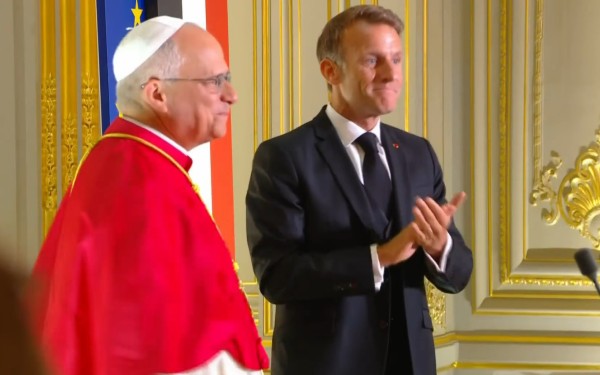
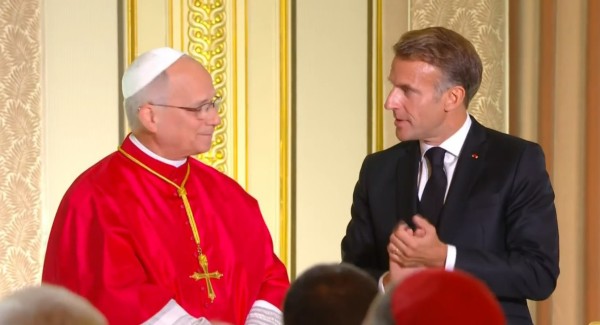
The Pope’s visit to France was good for photo-ops and Catholic “influencers,” but had little or no effect on the abuse crisis.
The Legion of Christ is playing lawfare, trying to prevent NGOs and media from reporting on abuse, while Rome keeps waiting to rule on the future of the Institute of the Incarnate Word.
By Rodolfo Soriano-Núñez
Despite Pope Leo XIV’s private meeting with clergy sexual abuse survivors in France, there was little or no improvement in the handling of the crisis. To make matters worse, while justice systems remain unable to offer actual solutions to the issues, organizations with a long record of abuse and contradictory behavior are going back into pugnacious strategies against Rome and survivors.
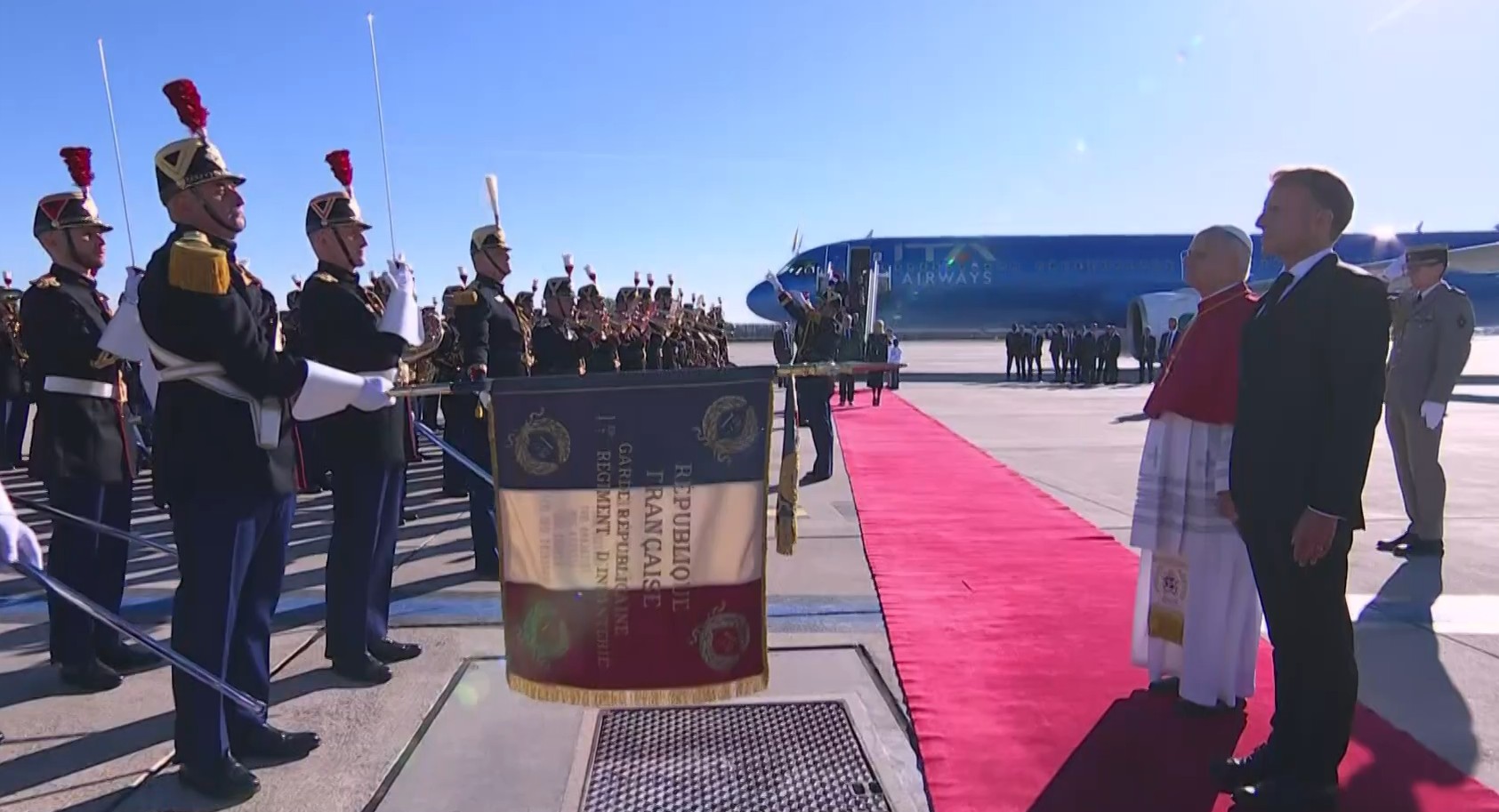
Even if Leo XIV’s visit to France apparently worked as an attempt to mobilize what is left of the French Catholic vitality, as there were crowds willing to cheer and greet him, as much as Catholic “influencers” willing to “play Jesus” over social media, questions about the lasting effects of the visit remain unanswered.
If anything, the visit to France confirmed Leo XIV’s wish to maintain the model of private meetings with survivors he first tested in Spain, even though the meeting in Lourdes was less contentious than the one in Madrid.
That was possible mostly because of a last-minute decision by the French Conference of Bishops to include Jean-Marie Delbos, a survivor of large-scale abuse at the now-defunct school in Bétharram. Nevertheless, the meeting still drew bitter accusations and fell far short of addressing the underlying issues.
A major problem with these meetings, one the Vatican seems unwilling to acknowledge, is that the very process of hand-picking participating survivors has only fueled resentments and bitter exchanges across social and legacy media.
The issue is more relevant as, already in October, Argentine media began to publish about a potential meeting with survivors during the trip scheduled to happen in early November. Such a meeting is far more contentious in Argentina as the country’s Network of Survivors of Clergy Sexual Abuse, the eldest in Latin America, has already rejected any potential meeting with the Pontiff, as this series noted a few weeks ago, and as there is no sign of actual changes in how both the authorities and the Catholic hierarchy handle a seemingly endless string of cases in Pope Francis’s home country.
It is hard to blame their refusal to participate in any meeting, as they remain private, off the record, but more so as there is a poor record from both Rome and the Argentine dioceses when dealing with clergy sexual abuse cases.
Even if in some cases, Argentine authorities seem to be willing to acknowledge the severity of the crisis, in others the attitude is the exact opposite. A few months ago, an Argentine appeals court was willing to revoke a lower court ruling that was akin to an exoneration of former nun Kumiko Kosaka.
She used to work at the Próvolo Institute, a school allegedly specialized in helping deaf children. Far from that, in a case reminiscent of what happened at the Saint John’s School for the Deaf in Wisconsin, the Próvolo Institute in Mendoza, in western Argentina, was the site of large-scale systematic abuse against the most vulnerable students there.
The appeals court ruling identifies Kosaka not only as an accomplice but as an active participant in the abuse perpetrated there. Survivors, their relatives and allies, saw the ruling as a step forward in acknowledging the severity of the clergy sexual abuse crisis in Argentina.
No consensus
Sadly, the ruling regarding Kosaka happens after other judicial decisions that are far from encouraging, as there seems to be no consensus in the Argentine judiciary as to how to address the effects of the clergy sexual abuse crisis, leaving many survivors with no access to an actual measure of justice, as in Hernán René Rausch’s case, summarized in the story linked after this paragraph.

Rausch’s case is emblematic of the way tribunals in Argentina and elsewhere in Latin America are trying to close the books on standing accusations of clergy sexual abuse. It is not as if judges and prosecutors are bluntly unwilling to acknowledge the extent of the damages. In cases such as Rausch’s and many others, it is that the authorities invoke the statute of limitations to declare themselves unable to try the cases as such. In other cases, as with the Brazilian order-like organization called the Heralds of the Gospel, the prosecutors use the same statute of limitations off-ramp on top of clinging to precedent to declare themselves unable to bring cases of abuse to trial, as the story linked after this paragraph proved.
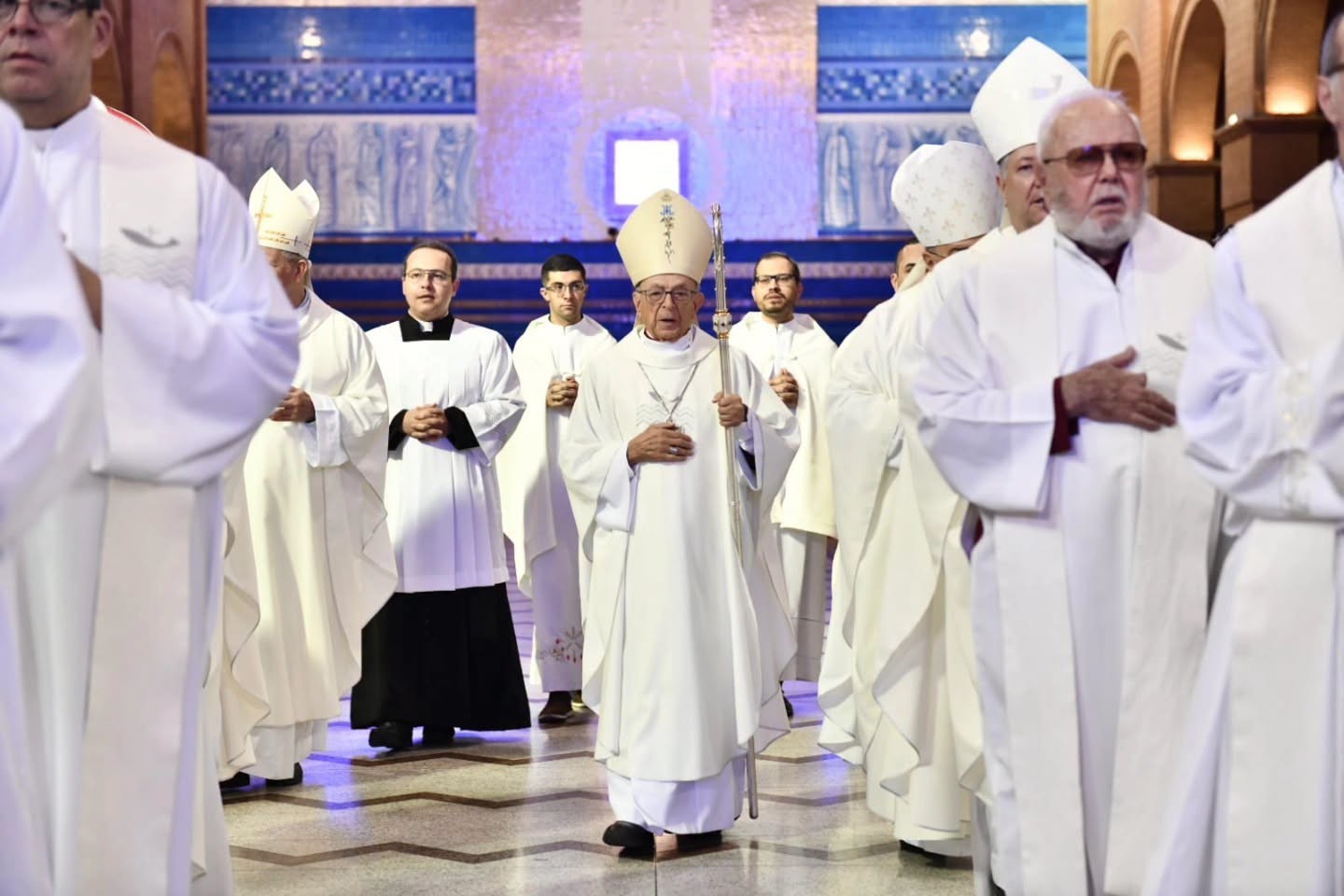
As stated in that story, the last of four devoted to that Brazilian organization, the prosecutor acknowledged both the severity of the damage and the need to address those kinds of issues. Still, she declared herself unable to bring the case to a judge, leaving the many victims of that and other predatory religious organizations with little or no recourse but the Inter-American system of human rights, where sadly cases can take up to ten years to be considered by the magistrates at a time when some Latin American countries are already trying to exit that system, enticed by the Trump administration’s stance on the International Criminal Court, among other similar multinational bodies.
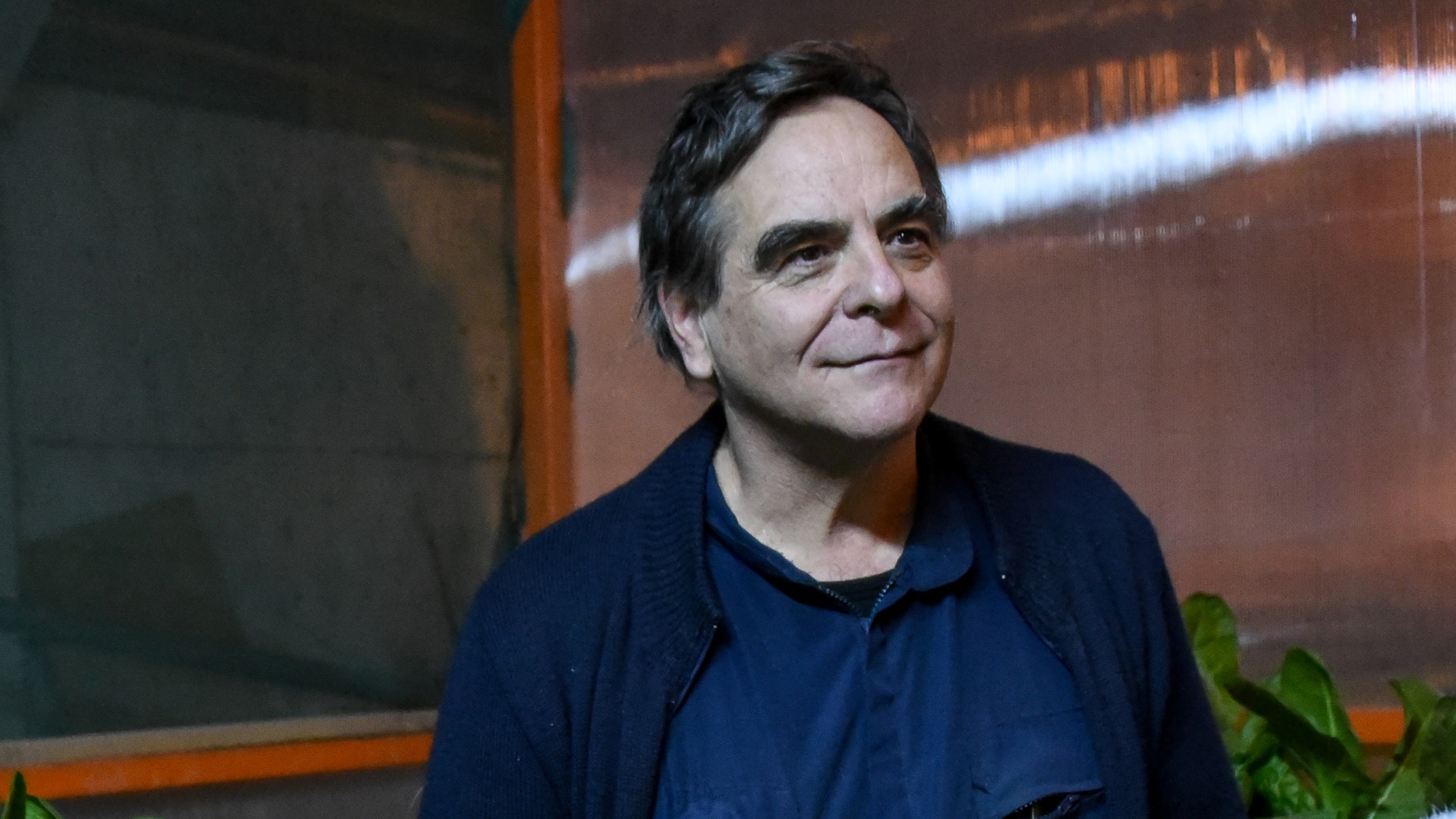
Before that, this series delved into Chilean priest Felipe Berríos’s case in the story linked after this paragraph. As told in that piece, Berríos’s former religious order, the Jesuits, acknowledged that he abused parishioners under his care. That religious organization decided to expel him.
English Edition
Berríos and Rupnik, the parallel lives of predator priests
Despite that, other Catholic authorities, most notably the Dicastery for the Doctrine of the Faith, seem to be unwilling to read the evidence regarding Berríos’s case as the superiors of the Jesuits did, so he remains a priest.
Berríos is not alone in such a scenario, a true canonical limbo, as there is also the case of Marko Rupnik, who was expelled by the Jesuits but remains a priest. In Rupnik’s case, he avoided the canonical limbo, because there was a bishop in Slovenia, his home country, willing to incardinate him.
In theory, Pope Francis’s reforms made it impossible for priests to remain so without being members of an “order” or being “incardinated” into a diocese. How Berríos remains a “vagrant priest,” one with no affiliation to an “order” or a diocese, in Chile or elsewhere, remains a mystery that only contradicts the Catholic Church’s adherence to a “zero tolerance” policy, as does the seemingly endless time the Dicastery for the Doctrine of the Faith seems to be willing to dedicate to Rupnik’s second canonical trial.
English Edition
Is the Catholic Church‘s talk about zero-tolerance for real?
When taken together, the aforementioned cases from Argentina, Brazil and Chile, force a double realization. When looking at the issue from a purely civil gaze, the Latin American systems of justice seem to follow very different rationales when fulfilling their duties. At the national level the judges, prosecutors and other actors in the justice systems still adhere to an extremely narrow understanding of the law, leading them to uphold the statute of limitations among other judicial fossils.
That happens while both the Inter-American Human Rights Commission and the eponymous Court have already accumulated enough cases and rulings dismissing the statute of limitations argument and others similar in approach. It is hard to understand why judges and prosecutors insist on following a rationale that has already been dismissed by both the Commission and the Court.
The most recent example of such a clash comes again from Argentina, where the prosecutor’s office in Tucumán dismissed a case by claiming that the victim, who was 16 at the time of the abuse, was capable of consenting to a relationship with a 54-year-old priest whom she had approached during a difficult period of her life, when she was already the victim of bullying and other similar practices at her school.
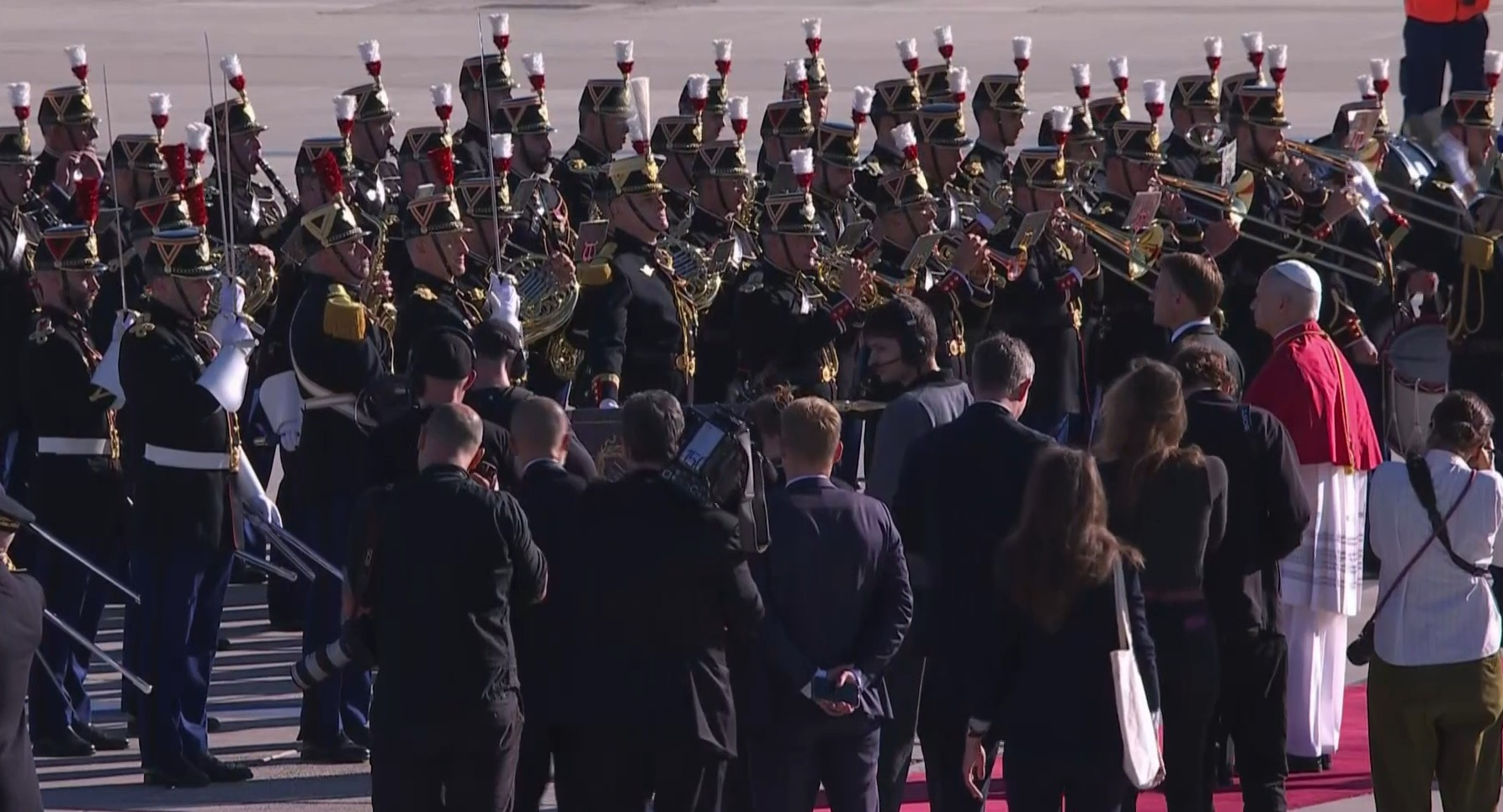
When looking at the issue from the side of the Catholic Church, it is even harder to understand what is the rationale the Catholic bishops in the region are following. More so, as the region is about to welcome Leo XIV’s during his visit to Uruguay, Argentina and Peru.
One way or the other, the many cases the Latin American bishops seem to be unwilling to address only compound the many doubts about the pertinence of the visit as such. More so as it seems as if in Argentina the visit will include once again a private meeting with victims who settled their cases through the Catholic Church’s own internal channels.
Potential solution
Those channels could be a potential solution for the crisis in Latin America, had the Catholic leaders in the region been willing to follow the examples of their colleagues in France, Germany and Spain where statutes of limitations are also a judicial fossil, preventing access to justice for survivors of clergy sexual abuse.
What changed in those three European countries is the will of the bishops to face facts, acknowledge that the crisis is real, and set up mechanisms to deal with the consequences. There is a chance the change was the byproduct of political calculation, as in any of those three countries it is possible to find groups and political parties with roots in the old Jacobin traditions, seeking ever more restrictive policies preventing the Catholic Church from exerting political influence, but similar groups also exist in Latin America.
What matter is that the European bishops seem to be more willing to acknowledge the potentially disruptive nature of the clergy sexual abuse crisis, while their Latin American colleagues seem to perceive themselves as more able to dismiss the negative consequences of the crisis at large.
These negative consequences were already evident in 2025 when Leo XIV met with members of Ending Clergy Abuse (ECA), a multinational NGO dealing with the issue—a meeting covered in the installment linked below.

English Edition
The 2025 Catholic report on clergy sexual abuse
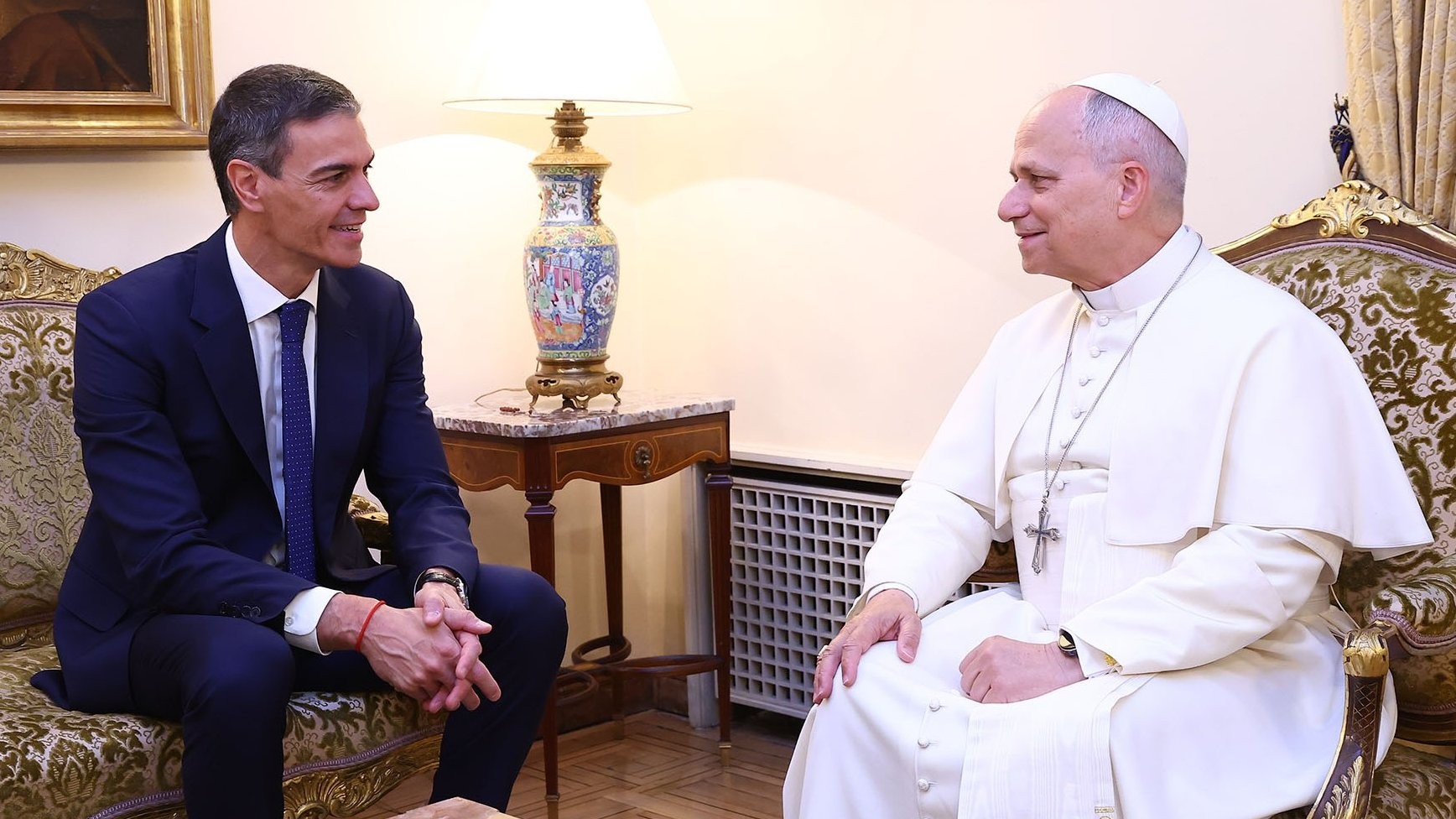
Why Leo XIV decided to relegate to the category of private such meetings, as it happened later with one with Belgian survivors, and in June with the survivors he met in Madrid is anybody’s guess. What is not up to guessing is the fact that Pope Francis already in 2015 acknowledged the need to put those meetings on the record, as the story published by this series about Pope Leo XIV’s visit to Spain, linked after this paragraph, proved.
English Edition
Leo XIV in Spain: The Catholic Church’s many paradoxes
Even if one puts aside the issue of whether the meetings are private or public and hence reported by the official Vatican media, the meetings with survivors are by their very nature a contentious issue. But if they are, why not being more careful with how they are planned, set up and even announced by the parties involved?

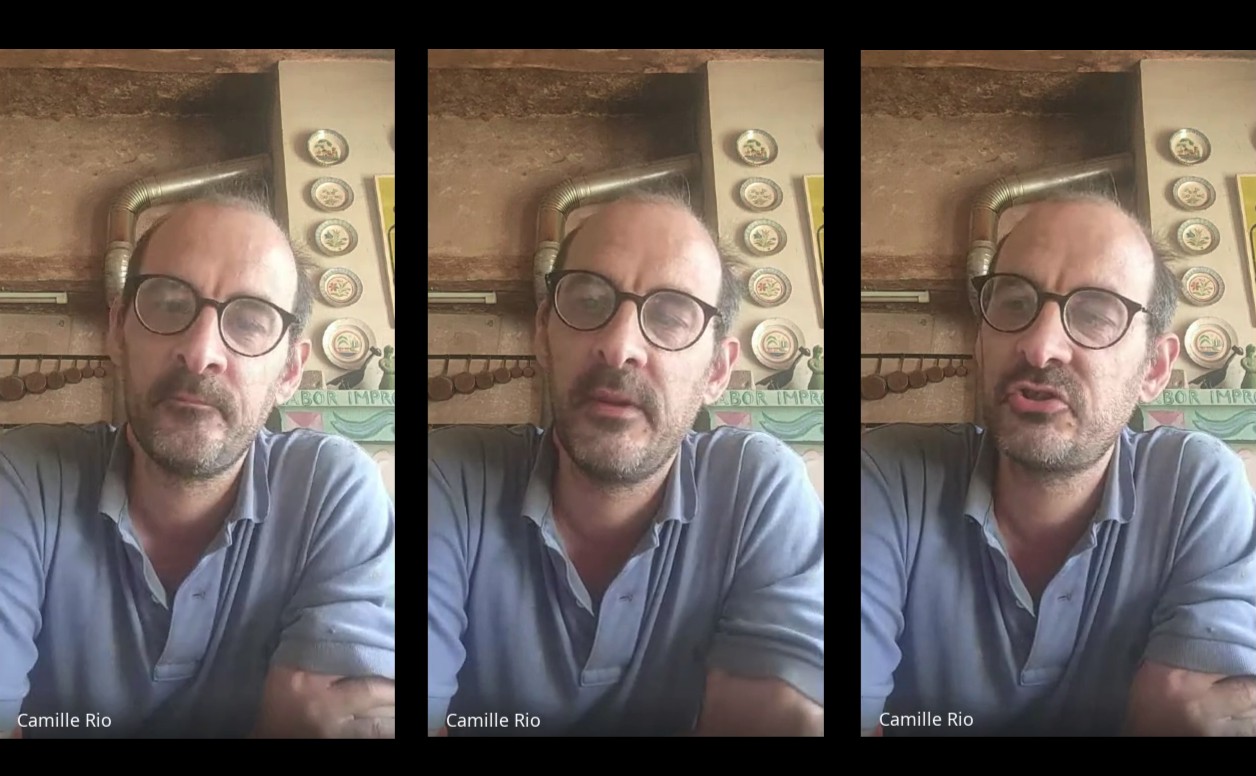
The role of such meetings during Leo XIV’s trips to Spain and France, were part of the interviews this series had with María Teresa Compte Grau, head of Acogida Betania, a specialized NGO working in Spain with clergy sexual abuse survivors, and with Camille Rio, a French Catholic priest, one of the most severe critics of Rome’s policies when dealing with clergy sexual abuse, that are available before and after this paragraph.
It is not as if nothing happens besides the Pope’s meetings. The main problem is that the key driver of what changes for the victims are not the meetings or whatever gesture a Pope is willing to perform in Rome or elsewhere in the world. The Roman Pontiff could and probably should play a role, but it is up to the bishops and the conferences of bishops to move the proverbial needle when trying to actually address the clergy sexual abuse crisis.
In France, the conference of Catholic bishops commissioned the most ambitious report on sexual abuse, clergy or otherwise in their country, the Sauvé Report, and, as one of many consequences there, they set up a commission to acknowledge, process and settle the cases even when the statute of limitations had already expired.
In Germany, even if there was an attempt to develop a similar national report, it failed, but a few years later the bishops decided to ask for independent, professionally crafted, diocesan reports where each diocese acknowledges the scale of the crisis in their territories, and now many German dioceses are in the process of settling most of the many claims.
Some of the religious orders with a larger presence in Germany have developed reports of their own. Even if both the German dioceses’ and orders’ reports lack the national perspective one finds in the Sauvé Report or, earlier, during the Aughts, when the United States Conference of Bishops commissioned the John Jay College Report, they provide rather thorough information on each diocese or religious order.

In Spain, after a failed attempt at developing their own report, the bishops asked the country’s ombudsman to process the many accusations that have emerged there over the last three decades or so, and even if at an extremely slow pace, it is possible to see some advance.
In Latin America, the bishops seem to be willing to bet on either the frailty of the victims’ health or some kind of collective amnesia that will make the many claims magically disappear. It is clear that the Catholic Church is not the only beneficiary of such an approach. The authorities of almost all the countries in the region seem to have little or no interest in pursuing cases of clergy sexual abuse on their own, for the sake of addressing major injustices in their countries.
The most notable example of such an attitude comes from Mexico where the Nation’s Attorney Office, as much as those of the states of Jalisco and Baja California, had a chance to go after the leaders of the Luz del Mundo Church after the state of California had already been able to get sentences for some of their leaders.
Far from seizing the low-hanging fruit, the Nation’s Attorney in Mexico City tried to close the books on a probe that never was actually pursued, as the story linked after this paragraph told a few weeks ago.
English Edition
Protestant Accountability, an auspicious development
It was only the outcry after the Mexican government doubled down on such an approach despite the fact that the U.S. federal government had launched a probe of its own, based on but separate from the one in California, that something apparently is about to happen in Mexico with the Luz del Mundo Church.
Coca-Cola formula?
To better grasp what happened during September 2026 in the clergy sexual abuse crisis, one needs to take into consideration also news coming from the Legion of Christ. The religious organization, akin to an order founded by Marcial Maciel in Mexico in the 1940s seems ready to go into the business of attacking those already victimized by their founder.
Back in September 2026, John Paul Lennon, a former member of the Legion of Christ and a leading voice in social media in both English and Spanish when talking about the many forms abuse was and is perpetrated by that organization published a piece on ReGAIN Inc.’s website.
ReGAIN or the Religious Groups Awareness International Netowork is one of many NGOs that have emerged over the last 40 years or so to warn about how abuse can happen in sectarian and predatory groups and what are the potential consequences of becoming their prey. As they summarize their goals they strive “to provide information and serious studies about such groups’ doctrine and actions.”
Perhaps that is why the U.S. branch of the Legion of Christ has been harassing Lennon. His website has been the subject of a lawsuit and attacks over social media. As a consequence, he sent a letter to Simona Brambilla, the religious sister who is the prefect of the Vatican office, a so-called, dicastery regulating the many types of religious organizations that exist within the Catholic Church.
Lennon’s post is available here. There is no actual message to Sister Brambilla, but a copy of the “application for injunction” filed by the Legion of Christ in the United States to force Lennon to stop using and distributing the valuable source materials he has been able to gather over many years, some while he was a member of the Legion itself.
The “application for injunction” is reminiscent of what Opus Dei did many years ago in Spain against former members of that other organization when they used the Internet 1.0 to let the world know about the way they were recruited and abused by the organization.
Opus Dei was able to succeed in their attempt, because they used the very restrictive interpretation of copyright in European law, especially in France and Spain, to prevent the early editions of works published by Josemaría Escrivá de Balaguer, their founder, to be propagated through digital media and over the Internet.
Opus Dei was partially successful in their goal as they scared their former members with threats of judicial harassment over courthouses in Spain, but they missed the fact that there are ways to prevent that kind of censorship.
How able the Legion of Christ will be to mimic Opus Dei’s behavior in the United States is anybody’s guess. As Opus Dei did at the time, they try to do it claiming intellectual property rights, but unlike the rather blind understanding of copyright in Spain, in the United States there is a long-standing tradition of free discourse and exchange of ideas for information and educative purposes, the so-called Fair Use Doctrine.
Such doctrine is more relevant in the case of predatory organizations as what Lennon and others like him are trying to do is not to steal the equivalent of the “Coca-Cola formula.”

English Edition
Marcial Maciel, wolf of God or symptom of a broader crisis?
ReGAIN and many other NGOs aim at preventing the kind of abuse that happened in the Legion of Christ, Opus Dei and many other similar organizations from ever happening again.
Sadly, the U.S. judiciary confronts currently a trying time, so it is hard to forecast what will be the resolution if the Legion of Christ is ever able to get its way with this “application for injunction,” but if the traditions that put the U.S. ahead of many other advanced economies are honored, the injunction should be denied, and Lennon and ReGAIN be allowed to keep doing what they have done for many years now: educate the public about the risks posed by predatory organizations.
It should be noted that besides Opus Dei, the founders of the now suppressed Sodalitium of Christian Life were able to pull a similar trick in their native Peru. The reasons were similar, although when Luis Fernando Figari did it in the 1980s the Internet was not already “a thing.” He did so to purge his own writings from their references to Fascist and Fascist-adjacent organizations such as the Falange (phalanx) in Spain and he was able to partially succeed, as there were former members of the Sodalitium unwilling to relinquish their copies of that organization’s foundational papers.
Tellingly, the Legion of Christ’s “application for injunction” reveals how ephemeral and short-lived was Pope Francis’s call for a “spirituality of reparation.”. The Legion of Christ is still litigating its own past, trying to pretend that nothing ever happened in its houses and schools in Mexico, Spain, Ireland, the United States or Chile. Perhaps that is what Lennon is trying to remind Sister Brambilla by sending her a copy of the “application for injunction” initiated by the Legion of Christ in U.S. tribunals.
In Mexico, the Legion of Christ has succeeded in their sanitized rendition of their own story, because the country’s government and the Catholic hierarchy have never been willing to actually acknowledge the atrocities that Maciel was willing to perform to entertain his never-ending sexual appetite.
All of them have been conveniently covered up by a government claiming to be “lay” and by a Catholic Church ever willing to play victim, because none of them have been willing to actually open a probe, civil or canonical, whose results could be published for future reference about how predatory groups recruit, operate, and cover their own traces.
It was only in the United States where it is possible to track down some aspects, some details of what actually happened at the Legion of Christ, and only because of the kind of freedoms and rights the Legion’s “application for injunction” seeks to suppress or at least put on hold.
How many more interventions?
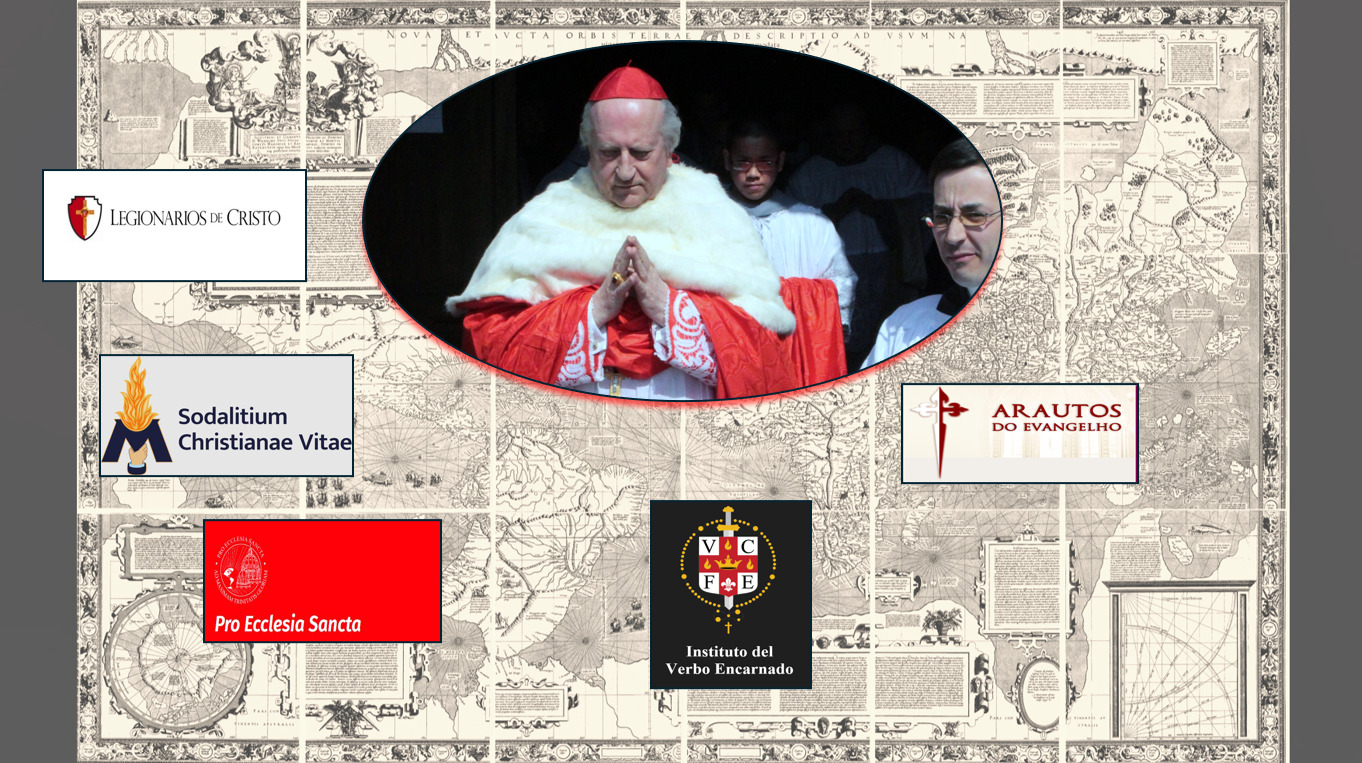
A few days before the news about the Legion’s “application for injunction,” the world knew also about Rome’s apparent interest in carrying out a fourth or fifth, depending on how they are measured, intervention in the Institute of the Incarnate Word, an Argentine version of either the Mexican Legion of Christ or the Peruvian Sodalitium.
For whoever has been cursed by the demon of memory, it is really hard to believe in Rome’s sincerity when dealing with order like organization founded by Carlos Miguel Buela, an Argentine priest who enjoyed, among others, Theodore McCarrick’s patronage.
McCarrick was a now deceased former bishop and cardinal who lost his seat at the College of Cardinals when news emerged about the large-scale abuse he engaged in since his days as priest in 1960s New York City all the way to his days a emeritus archbishop of Washington, D.C., when he had as personal secretary and driver an undisclosed number of seminarians of the Institute of the Incarnate Word, appointed for the task by Buela himself.
It is even harder when the very same demon reminds those living with its sting that the Argentine Conference of Bishops unsuccessfully asked John Paul II to suppress Buela’s order by the end of the 20th century.
More than a quarter of a century after, Rome now is willing to openly acknowledge Buela as a predator, despite the fact Rome already was aware at least since 1995 of how Buela and other leaders of the Institute abused people under their care.
It is clear that Buela’s disciples at the Institute are unwilling to give up. That is why the current caretaker of the organization, José Antonio Sauté Huerto, who is also the bishop of Málaga, Spain, was forced to create an entirely new cyberinfrastructure, with a new website and new emails, and to publicly reaffirm his authority by sending a letter to the same Prefect Brambilla, available here at the Institute’s new website (content in Spanish).
In the letter, Sauté Huerto claims it was only in 2026 that it was possible to ascertain Buela’s predatory and abusive practices. If one is extremely kind to bishop Sauté Huerto one should congratulate him for his willingness to say it so.
But even if one is willing to do it, it remains almost impossible to understand why John Paul II and his curia, Sodano, Ratzinger, Rodé, and the rest of the usual suspects at the turn of the century in Rome, were willing to dismiss the 1999 Argentine bishops’ plea for the suppression of the Institute, Jorge Mario Bergoglio included, and to actively protect Buela by allowing him to take his “order” from Argentina to Italy from where it simply replayed the predatory and sectarian script so common during John Paul II’s pontificate.
English Edition
Cardinal Rodé, the sexual abuse missing link
The predatory nature and “charisma” of the Institute was already established by the mid-1990s, when the first (and second?) Apostolic Visitations happened. It was reaffirmed by a third (or second, depending on the criteria) Apostolic Visitation was carried out by Alfonso Rogelio Delgado Evers, the now emeritus archbishop of San Juan de Cuyo, Argentina, who is a full member of Opus Dei and who endorsed, as the vast majority of the Argentine bishops did in 1999, the request to suppress the Institute.
Another intervention occurred during Benedict XVI’s pontificate, and it only reaffirmed what it was already known. Another source to understand the predatory and sectarian nature of the Institute comes from the report published by the Secretary of State of the Holy See regarding what was known to the Vatican about Theodore McCarrick. Taken together, the four or five interventions, plus the report on McCarrick, have only reaffirmed the same facts over four pontificates: Buela was a predator.
Rome has been delaying a clear decision about the Institute of the Incarnate Word at least since the early 1990s, when the first intervention happened, letting more victims being recruited, and more damage to their families and communities being done.
* * *
A summary of this piece is available as audio after this paragraph.
Note on production: The text of this summary was written and edited solely by the author. The delivery of the audio summary was achieved using a high-quality, text-to-speech engine Microsoft Word for Web. The AI was used for voice generation only, not content creation.

English Edition
Theodore McCarrick: Dead dogs don‘t bite?