
Diallo Ablaye: Struggling Against Racial Discrimination and Injustice in the Basque Country.
By Omar Salia
Bilbao, Spain —Diallo Ablaye, an African-born human rights advocate residing in Spain, faces a daily battle against racial hatred, discrimination, and injustice. His story highlights not only his resilience but also the glaring contradictions in the European Union's human rights policies and the complicity of African governments in the mistreatment of their citizens abroad.
Currently awaiting a decision on his international protection request, supported by the United Nations Charter for those persecuted and mistreated, Ablaye's experience in Bilbao has been marked by a series of disturbing incidents suggesting a hostile and racist environment.
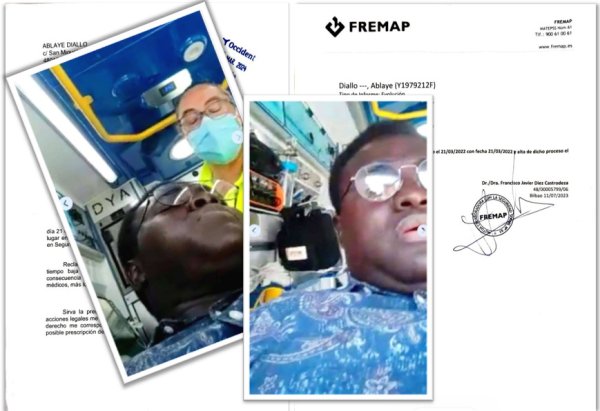
One of the most alarming incidents occurred when his vehicle, a Citroën insured by Generali Seguros, was struck by a rental van. The van's driver claimed to have "lost control," but the circumstances raise suspicions of possible intent. Since the accident, Ablaye has not only dealt with physical injuries that have kept him off work for a year but also with a system seemingly determined to deny him justice.
Seguros Bilbao, a subsidiary of Catalana Occidente, has refused to compensate Ablaye, even though the other driver was insured by the same company. This refusal exacerbates his sense of abandonment and injustice, highlighting a pattern of racial discrimination.
Throughout his ordeal, Ablaye has faced mistreatment, intimidation, death threats, false reports, ongoing harassment, and legal malfeasance by the Basque police. He has also experienced illegal detention of his identity documents and overdue wages, with the Spanish state failing to act impartially or uphold its proclaimed values of fairness. Human rights and international law, which should safeguard his life and integrity, have been disregarded.
The apparent complicity of the Basque judiciary, which has not effectively intervened during these years of suffering, reinforces the perception of a judicial system that allows and perpetuates racism, leaving Ablaye to confront a hostile environment that has deteriorated his physical health.
Despite these challenges, Diallo Ablaye remains resolute in his fight. His determination has made him a symbol of resistance against neocolonialism, reflected in racist and condescending behavior. His story serves as a powerful reminder of the need for equity, impartiality, and respect for human rights, regardless of race or appearance.
The Senegalese government's silence on these abuses is also troubling. By maintaining a low profile in the face of the European Union, it becomes complicit in the mistreatment and human rights violations of its citizens abroad.
This article aims to shed light on the racial and xenophobic abuses in Europe and the double standards of its judicial institutions when the victims are Black or Afro-Latin. It is crucial for the international community to take note of these allegations and hold the Spanish government and European authorities accountable.
The fight for justice continues, and Diallo Ablaye stands as a symbol of this relentless battle against racial segregation and oppression. His resistance calls for action from all who advocate for human rights and dignity, regardless of origin or appearance.
