Rodolfo Soriano-Núñez Lunes, 02 de Junio del 2025
Leo XIV acknowledged the credibility crisis while ordaining eleven priests in Rome. He called them to be transparent and credible.
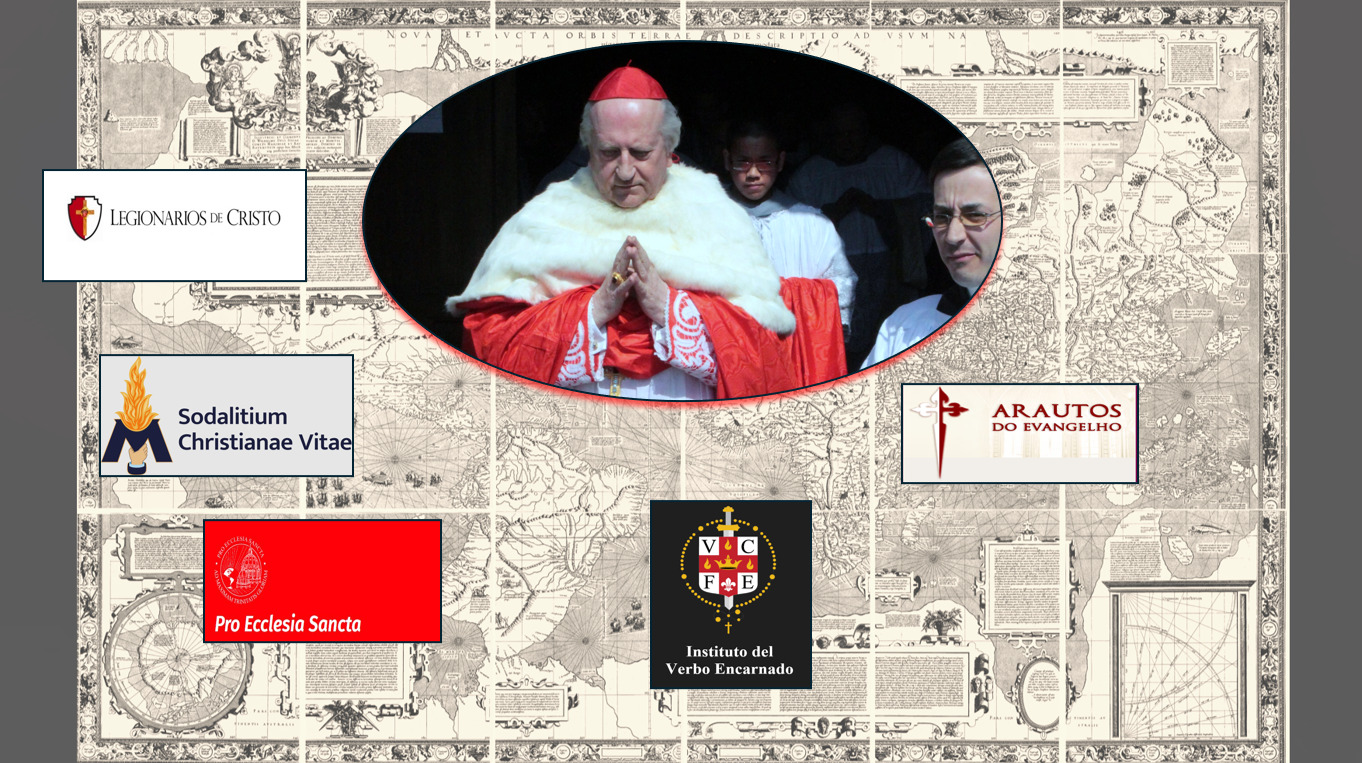
The scandals plaguing the Opus Dei, the Legion of Christ, and a handful of Cardinals unwilling to retire, prove how relevant is Leo XIV’s call to address the deficit of credibility in the Catholic Church.
By Rodolfo Soriano-Núñez
When examining the Catholic Church's current credibility crisis, the conduct of its most noted clerics, particularly Cardinals, immediately comes to mind. Part of the process to become a member of that selected group, roughly 200 individuals, is to take a special, public, oath to be, among other things, obedient to the Catholic Church.
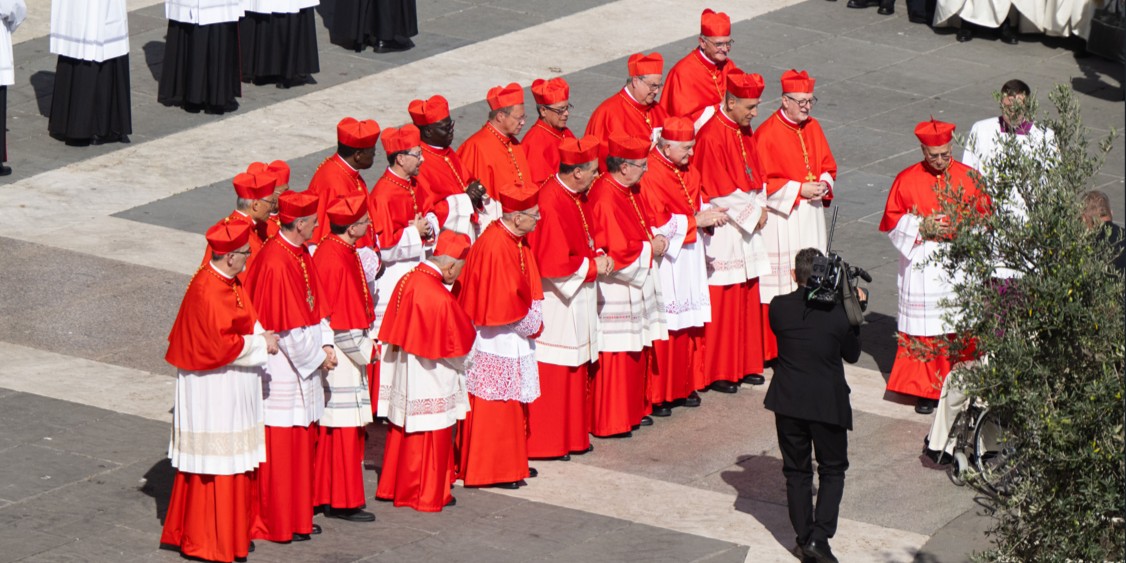
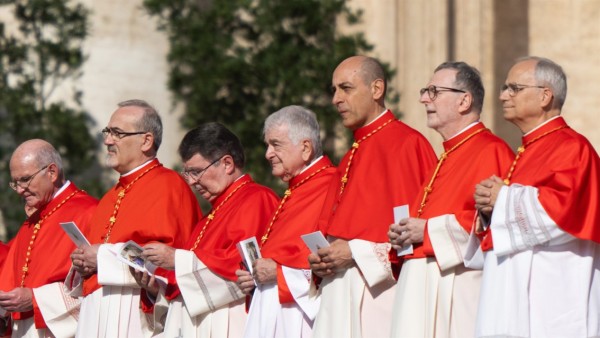
The distinctive scarlet of their garments and the symbols they bear serve as a constant reflection of this solemn oath, a visual reminder of their unwavering commitment.
In any case, the Cardinals take their oath publicly, during a Mass celebrated to thank God for their appointment, presided by the sitting Pope and it usually follows the formula appearing next:
- I, N. [name], Cardinal of Holy Roman Church N. [surname], promise and swear, from this day forth and as long as I live, to remain faithful to Christ and his Gospel, constantly obedient to the Holy Apostolic Roman Church, to Blessed Peter in the person of the Supreme Pontiff, become members of the Roman clergy and cooperate more directly in Francis and his canonically elected successors, always to remain in communion with the Catholic Church in my words and actions, not to make known to anyone matters entrusted to me in confidence, the disclosure of which could bring damage or dishonor to Holy Church, to carry out diligently and faithfully the duties to which I am called in my service to the Church, according to the norms laid down by law. So help me almighty God.
That was the formula used, back on September 30, 2023, during the second-to-last Consistory celebrated during Pope Francis’s pontificate. It was then when some of the main contenders to succeed the Argentine bishop of Rome were appointed to that very elitist corps within the Catholic Church. The so-called Libretto for the Mass and Consistory, with the oath in its original Latin, and translations to English and Italian, is available as a PDF after this paragraph.
The so-called Libretto for the Mass and Consistory of 2023.
It was then when Robert Francis Prevost, who would later be elected Pope Leo XIV, got the red zucchetto and the ring distinguishing him from other, lesser-rank clerics. In his cohort was also the Latin Patriarch of the Holy Land, the Italian Pierbattista Pizzaballa, and Víctor Manuel Fernández, the current prefect of the Dicastery for the Doctrine of the Church.
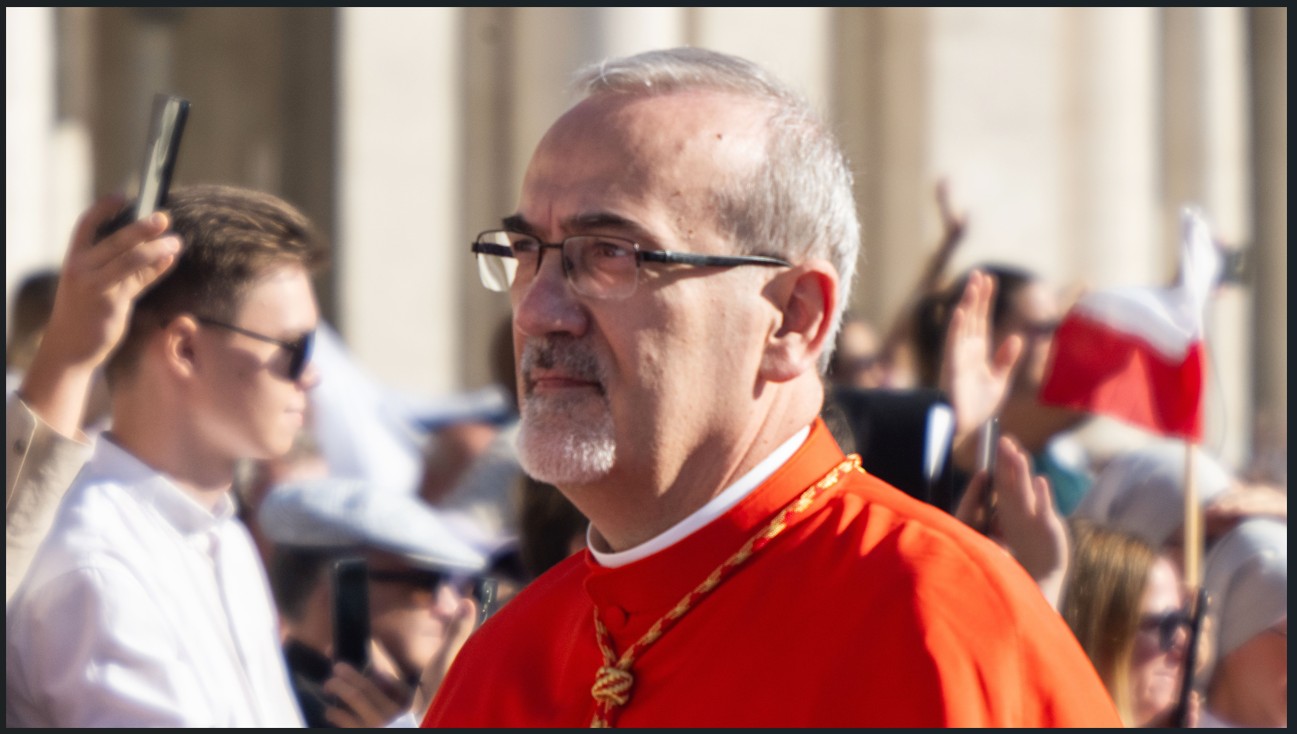
The gravity of this credibility crisis is underscored by the words of Pope Leo XIV himself, so talking about a credibility crisis is not, by the way, a rhetorical device. That is what came out of the message issued by the new bishop of Rome while ordaining eleven new priests for his diocese, early on Saturday morning.
By the end of his message, available here only in Italian (or here in the story reported by Vatican News in English), Leo XIV made a passionate call to the new priests to live “a transparent, credible life”.
It is not the first time, by the way, that the Church acknowledges the need to address a deficit of credibility. It did it already when preparing the ongoing “Synod of synodality,” as the story linked below told a year ago.

The issue is relevant now, because of how the Pope is bringing that idea as a central theme on his first round of ordinations as bishop of Rome, but also, because many in the Catholic Church's notorious roster of predators achieved the heights of their clerical careers while living compartmentalized lives.
‘Some good’
They were adept at collecting aid for ravaged places like Haiti after the 2010 earthquake, while simultaneously abusing seminarians under their care in the United States or Argentina, as in Theodore McCarrick’s case, as the story linked after tells.

English Edition
Theodore McCarrick: Dead dogs don‘t bite?
Noted promoters of this breed of predators were able to have the support of other notorious clerics. That was the subject of a previous installment of this series dealing with the case of Cardinal Franc Rodé, linked below, who was willing to go to war for noted predators like Marcial Maciel, Carlos Miguel Buela, and many others, because allegedly they were also able to do 'some good’.
Rodé’s rationale is the kind of horse trading one would never expect from expert theologians as it ultimately renders predators as heroes in disguise, increasing the chances for a credibility deficit, coming out of the disconnect between their public preaching and their private behavior.
English Edition
Cardinal Rodé, the sexual abuse missing link
The main problem, and where the fine line between resilience and stubbornness blurs, is that prominent members of this most exclusive College of Cardinals are less than willing to actually abide by their oath.
Far from acknowledging how relevant it is to actually help their Church recover the credibility Leo XIV has highlighted as a priority, they are more than willing to put any chance of achieving such a goal at risk.
Over the 2025 Conclave it was clear how Cardinal Juan Luis Cipriani Thorne, the emeritus archbishop of Lima, paraded during Pope Francis’s funerals in clerical garments, a blatant challenge to Pope Francis’s meager punishment for the abuse of an underaged male under his care while he was a priest with the Opus Dei.
Sadly, Pope Francis never issued a public and formal statement explaining the reasons or extent of these restrictions. It was, once again, a slap on the wrist. The way this was handled, with Francis’s trusting in the ability of a known predator as Cipriani to follow the rules of the punishment of sorts, allowed Cipriani to challenge Francis’s punishment, early this year, probably emboldened by the imminent inauguration of the second Presidency of Donald Trump.
Zero-tolerance?
But also, most probably, because there is a chance that there were no conditions set on Cipriani Thorne. He felt he had nothing to lose by going back to Lima to play master of the universe. As with other cases, the lack of teeth on the Church’s rules and more in the Church’s punishments on predatory clergy keeps coming back to bite their alleged efforts to achieve zero-tolerance.
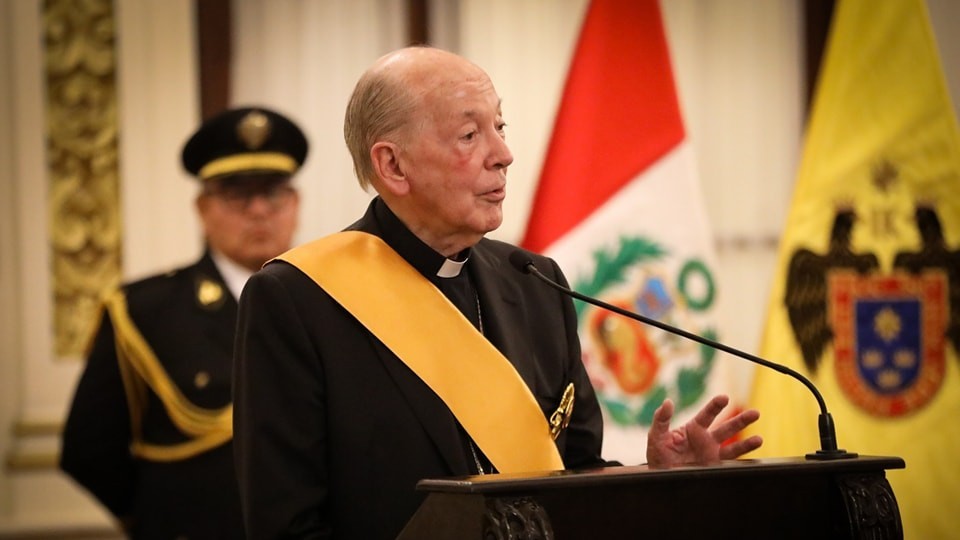
During the first week of 2025, Cipriani saw fit to go back to Lima to play his favorite role: prince of the Church. His fellow member of Opus Dei and mayor of Lima, Rafael López Aliaga, offered him this opportunity when he decided to award the emeritus archbishop the 'medal of merit' of the city of Lima, capital of Peru.
Cipriani accepted the medal, attending the ceremony in clerical garments, a direct affront to Pope Francis’s timid attempts at discipline, despite his insistence on a zero-tolerance policy towards clergy sexual abuse.
ACI Prensa, the Spanish-speaking sister of Catholic News Agency, jumped at the chance to provide full coverage of Cipriani’s going back to the “high life” in Lima. They ran a story on Cipriani’s address to the Lima City Council where he spoke about “following the way of service,” implicitly rendering Cipriani as some sort of exemplary cleric, a larger-than-life figure going the extra mile in the name of service.
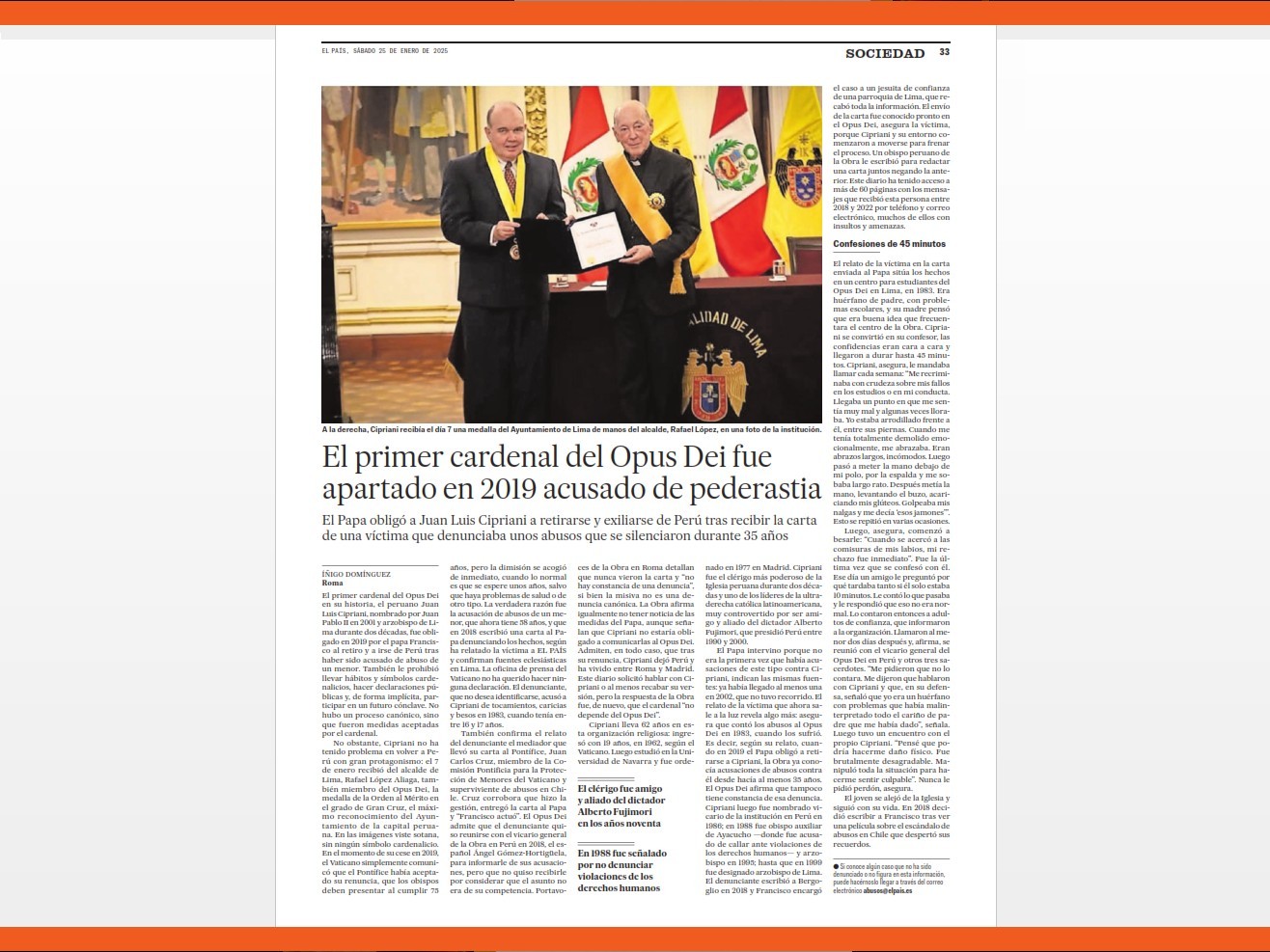
A few days later, the Vatican leaked documents to the Spanish newspaper El País with the details of the restrictions set in secrecy by Pope Francis after an internal probe confirmed the rumors that have been circulating in the Spanish-speaking world since the early Aughts about Cipriani’s long hands, as the story from this series, linked below, tells in the section “Lima-Madrid-Rome axis”.
English Edition
Migration and abuse, the explosive mix
After El País and other media published either the report or details of the back-story of the report, Cipriani followed the playbook of almost any predator: deny, deflect, dismiss. He claimed he accepted Francis’s ruling out of discipline, not guilt.
Even if that were the case, Cipriani never explained why he waited almost six years to challenge Francis’s ruling, why his challenge was not formal, through the many venues a Cardinal like him has at his reach in Rome, or why he decided to do it publicly, while receiving the medal from López Aliaga.
In doing so, Cipriani betrayed the oath he took at the 2001 Consistory, when John Paul II promoted him, with Jorge Mario Bergoglio, then archbishop of Buenos Aires, and Theodore McCarrick, then archbishop of Washington, DC, among others.
The restrictions on Cipriani, while acknowledged, remained largely under wraps. Those following with some detail the clergy sexual abuse crisis in the Catholic Church noted how Cipriani’s resignation was immediately accepted by Francis, less than a month after the official day for his resignation, a sign of the Catholic Church's less-than-transparent nature, which observers are forced to interpret as a symptom of deeper trouble.
Back to the high life?
Among those elevated to the College of Cardinals on that significant day in 2001 were also Francisco Javier Errázurriz Ossa, then archbishop of Santiago de Chile, and Óscar Andrés Rodríguez Maradiaga, then archbishop of Tegucigalpa, Honduras.
While McCarrick would be ultimately defrocked and laicized by Francis himself, and Cipriani faced muted disciplinary measures and chose blatant public defiance, Rodríguez Maradiaga and Errázurriz Ossa offer prime examples of this crisis of accountability.
It is impossible to go at this point over Errázurriz Ossa’s role on the many cases of clergy sexual abuse covered up by him and his teams at both the Archdiocese of Santiago de Chile, the most notable that of Fernando Karadima, and at the Conference of Chilean Bishops (the so-called “Bishops of Karadima”), suffice to say that he, at least, has been cautious enough to lately live a private life.
But it would be also impossible to do the say something similar about Cardinal Rodríguez Maradiaga. He left his diocese in Tegucigalpa in the middle of a swirling scandal. Pope Francis himself was compelled to force the resignation of Maradiaga's long-time auxiliary bishop, Juan José Pineda Fasquelle, in 2018, following credible accusations of sexually abusing seminarians.
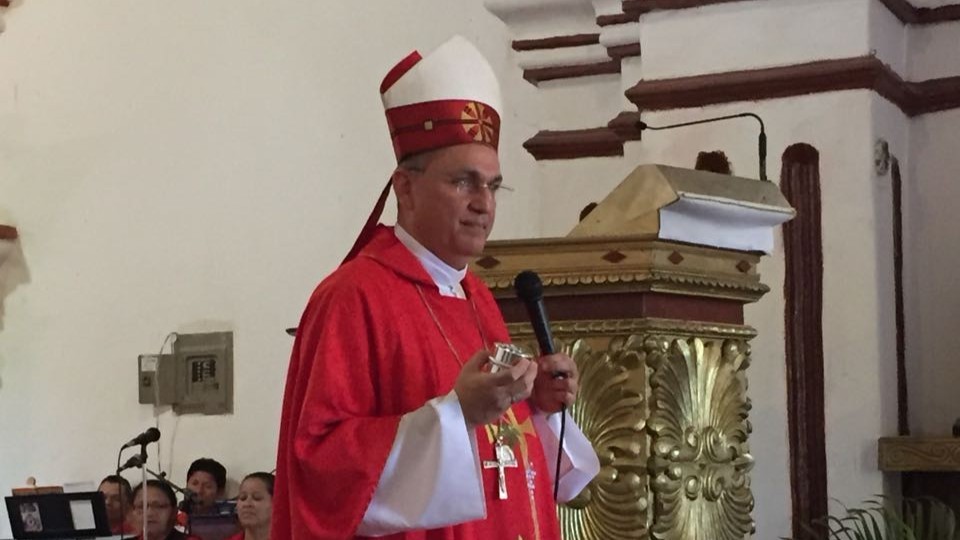
Pineda Fasquelle's resignation came only after a Vatican investigation confirmed widespread allegations of sexual misconduct and financial impropriety within the archdiocese, problems that, by all accounts, would be impossible to believe that were unknown to Rodríguez Maradiaga.
Yet, despite having presided over an archdiocese riddled with such grave issues, Rodríguez Maradiaga has recently stepped back into the limelight, not as a figure seeking penance or quiet retirement, much less facing a trial.
He is doing so pretending to become a prominent voice on the future of the Church. As the Latin American Episcopal Council (CELAM) celebrated its 70th anniversary, Maradiaga granted an interview to the Italian Catholic news agency Agensir, available only in Italian here.
The May 30, 2025, piece titled “CELAM: 70 years of mission and synodality, Card. Maradiaga: 'The Spirit knows no reverse gear',” he spoke at length about the history and significance of CELAM, emphasizing its role in shaping a "synodal Church" in Latin America.
His decision to speak publicly, trying to position himself as a leader in the Church's forward-looking synodal journey, despite his direct responsibility for enabling abuse and scandal in his own see, is the very definition of the deaf tone attitude of many Catholic clerics unable to ever acknowledge their own role in the crisis of credibility Pope Leo XIV acknowledged on Saturday.
Thirst for the limelight
How to understand Rodríguez Maradiaga thirst for the limelight and the frontpages? Is it resilience? Is it stubbornness? When considering the fact that he has never accepted his own wrongdoing in enabling the abuse perpetrated by Pineda Fasquelle in Tegucigalpa it is hard to be generous when assessing what kind of behavior he is displaying.
One is forced to even raise questions about whether or not he is aware of his words’ effect on Pineda Fasquelle’s victims and to question if he is not betraying his 2001 oath, as it is clear that McCarrick, Errázurriz Ossa, and Cipriani Thorne did.
It is a betrayal because it directly contradicts the vow to not bring dishonor to his Church. His past actions, by enabling abuse and then appearing to disregard the severe damage caused, constitute precisely the dishonor to the Church he swore to prevent, and because said actions contradict Leo XIV’s idea, on Saturday, while ordaining new priests for his diocese, to live “a transparent, credible life”.
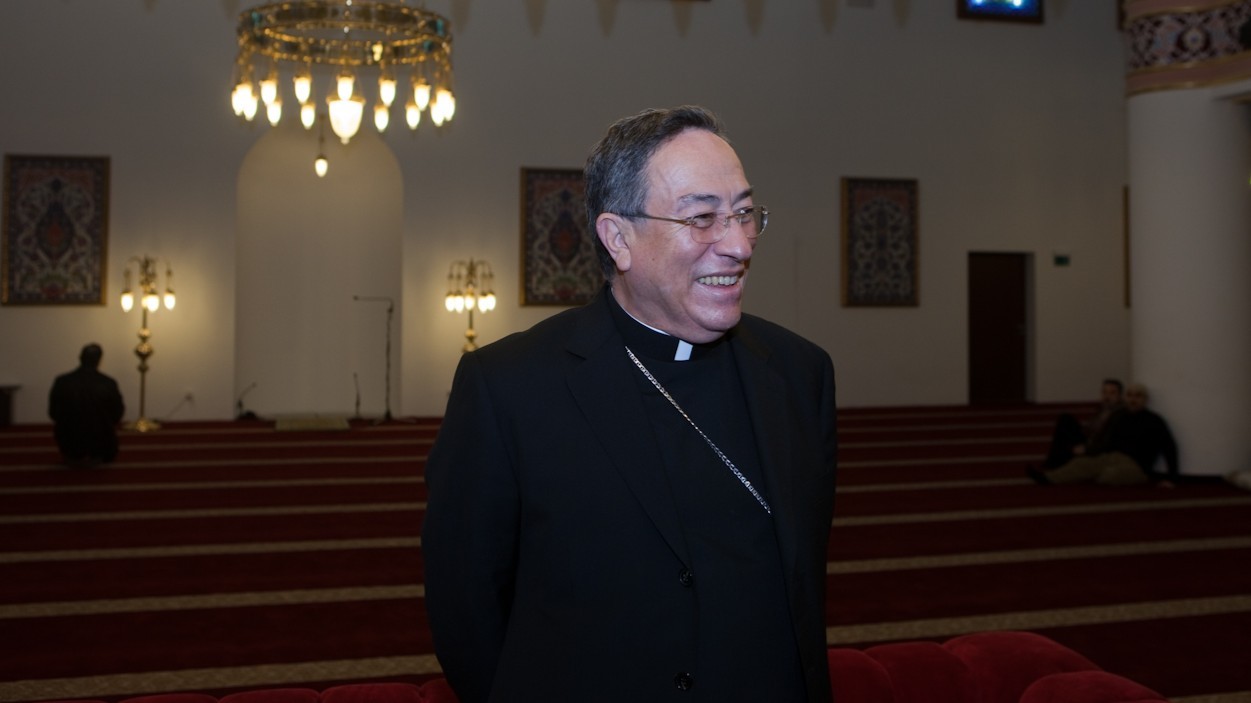
It is clear that, unlike Cipriani for who Pope Francis himself issued “secret” but rather timid and ineffective sanctions, there is no record of such measures being taken against Rodríguez Maradiaga. But there is the fact that Pope Francis “accepted” Pineda Fasquelle’s resignation when he was 57, 18 years before the canonical age of retirement (75).
The contrast between the urgent call for transparency from the new Pope and the continued public presence of figures like Cipriani Thorne or Rodríguez Maradiaga, who embody past controversies and actively resisted accountability, further blurs the fine line between true renewal and entrenched power, between resilience and stubbornness.
Rodríguez Maradiaga going back to the limelight was not only his decision. The current leaders of the Episcopal Council for Latin America and the Caribbean, CELAM, played a role in whitewashing his return to an active role.
It was CELAM who issued the invitation to address them to celebrate the 70th anniversary of that organization. In doing so, they prompted the Italian Catholic agency SIR to have an interview with the Honduran prelate.
And it is clear that Rodríguez Maradiaga was a relevant figure for the development of CELAM. He was the chair of CELAM from 1995 through 1999. It was after his tenure there that John Paul II promoted him to Cardinal.
It was his tenure at CELAM what helped him become a key figure in Pope Francis’s first iteration of the so-called Council of Cardinals from 2013 through 2023, but bringing him back without any acknowledgement of his own mistakes, just adds to the deficit of credibility stressed by Leo XIV at Saint Peter’s Basilica.
“3-D Playbook”
And, as far as the Opus Dei is concerned, it is not only Cardinal Cipriani Thorne who resists any attempt to acknowledge his own role in the crisis undermining the credibility of the Catholic Church.
As the head of the so-called primate archdiocese of his country, Cipriani Thorne played by the rules of the old 3-D playbook, as in deny, deflect, and dismiss any and all accusations brought against the leaders of the so-called Sodalitium of Christian Life, a religious organization, similar in some respects to the Opus Dei itself and in other issues closer to the Mexican Legion of Christ.
Cipriani would use the powerful microphone of the Archdiocese of Lima to chastise any journalists “talking out of time” or “asking the wrong questions” about the leaders of the Sodalitium, while endorsing implicitly or even explicitly the leaders of the Peruvian far-right seeking to limit as much as possible the ability of the local journalists to inform about cases involving clergy sexual abuse.
The story linked below is a good starting point to understand the Peruvian Sodalitium, a case Los Angeles Press has been following for the last two years.
English Edition
What makes the Sodalitium so relevant?
In any case, it must be noted that over the last couple of weeks Catholic and Civil Spaniard media have been publishing reports about the extent of the confrontation between Rome and the Opus Dei.
El Cronista, a civil Spaniard newspaper, published a piece sourced mostly from the most loyal to Rome Catholic media in Spain, Vida Nueva Digital, about the rift between both Pope Francis and Pope Leo XIV and the Opus Dei.
Their story, available here (only in Spanish) talks about an ultimatum of sorts issued by Rome regarding the need to bring the reform of the bylaws of the Opus Dei to a conclusion after several failed attempts.
It must be noted that there is no reason to expect a sudden change in Rome’s attitude towards the Opus Dei, as Leo XIV knew first-hand the effects of their pastoral model in Chiclayo, a diocese that Pope Francis decided to take out of the hands of the Opus Dei to entrust it to then Augustinian friar Robert Prevost, as told in the story linked after this paragraph.

English Edition
Leo XIV and the risk of victims remaining pawns
Resilience or stubbornness?
But Opus Dei does its best to try to derail any change. It is not clear how this will end, as the Opus Dei enjoys the support of powerful figures of the Catholic Church in the Spanish-, Portuguese-, and English-speaking worlds. Suffice to say that the most populated diocese of the United States, that of Los Angeles, is under the care of a full member of the Opus Dei, the Mexican archbishop José Horacio Gómez Velasco.
Gómez is one of 18 bishops currently associated in an explicit formal manner to that organization. One of the reasons why Opus Dei is problematic even for cradle Catholics, is that they are in the habit of developing extremely complex, almost secret or openly secretive, forms of association with the order, able to make the Legion of Christ look transparent and accountable.
Even in the list linked at Catholic Hierarchy in the previous passage there would be questions at why they report Fernando Ocáriz, the current moderator of the organization as a bishop when there is no record of him ever been consecrated as bishop.
As with Cipriani himself, Pope Francis was willing to carry a reform of sorts of the Opus Dei. He went as far as to suppress them to immediately restore them back in 2022 under a new figure, but Opus Dei remains the sole exception among Catholic religious “orders”: it is under the purview of the Dicastery for the Clergy and not under the authority of the Dicastery for the Institutes of Consecrated Life, as all other religious “orders” in the Catholic Church are.
In that respect, he already made a huge exception in their favor. Far from acknowledging the exceptions already made in their favor, Opus Dei leaders try to cling as hard as they can to their old privileges: the ultimate parallel Church, with a parallel hierarchy.
Back in the 1970s, John Paul II used to chastise the Liberation Theology with that idea of a “parallel Church, with a parallel hierarchy” unwilling to follow Rome’s rulings. And there was no pause. The criticism continued through the 1980s, as this 1983 story by Peter Hebblethwaite tells.
Two years later, when John Paul II traveled to Ecuador and Perú in the early weeks of 1985, he chastised again the so-called “double hierarchy or double magisterium”, as told by this story from the historical archive of the now defunct United Press International news agency, or as reflected in the original homily, available only in Italian and Spanish here.
Now, it is those who were the beneficiaries of John Paul II’s largesse (see Hebblethwaite’s story), when he was willing to make all kinds of exceptions as to provide pastoral care for this organization, who resisted as much as they could Pope Francis and who seem poised to challenging his successor.
It is hard to say that it was worth when one takes into consideration the dragging of the feet described in the Spanish-speaking pieces published by El Cronista and Vida Nueva Digital.
The Church's path to true renewal hinges on whether genuine resilience can finally overcome entrenched stubbornness and more so on the ability of its leaders to make a clear distinction between those closely related but very different attitudes.
It is impossible to go over a detailed psychological analysis of the differences between them, suffice to say at this point that stubbornness is often driven by an unwillingness to change one's mind, a fear of being wrong, a need to control, or simply adherence to a fixed idea regardless of new information.
It is about sticking to one's initial position, regardless of the consequences. The risk of becoming stubborn while aiming for resilience is that there is an understanding of Catholic doctrine and theology as something that should “never change,” as something so stable that is unable to admit mistake or error or any kind.
Unlike stubbornness, resilience, or more precisely, adaptive resilience supports a broader, forward-thinking approach. It is driven by a desire to overcome challenges, adapt to change, and grow from adversity. It's about finding effective ways to navigate difficulties, but the first requisite to do so is to acknowledge the very existence of such difficulties and those include the possibility of mistakes.
A Colombian milestone
A key development over the final days of May was the ruling of a higher court in Colombia in favor of Miguel Ángel Estupiñán and Juan Pablo Barrientos Hoyos, authors of El archivo secreto (The Secret File) a book dealing with clergy sexual abuse cases in Colombia. If you read Spanish, Barrientos Hoyos recently published a detailed account of the ruling available here at Casa Macondo's website.
It is relevant because it is the first time in Colombia and, as far as I am able to tell, the first time in Latin America and the Spanish- and Portuguese-speaking worlds, that the rather feeble instruments of accountability that exist in such worlds are useful to force the Catholic Church to provide detailed information about what they know about predator priests.
In Colombia, unlike Mexico, the Catholic Church has enjoyed a sustained cordial relationship with the national State. That has allowed the Church to keep without interference its own rules and regulations. Based on that reality and with insights from the Colombian legislation and the Catholic Church canon law, Estupiñán and Barrientos Hoyos built a powerful device to force the bishops there to provide a full account of who are the predators.
The implications are hard to gauge at this point. If and when the Colombian dioceses comply with the ruling, there will be a chance to, as one of many possible examples, test many of the thesis derived from the Sauvé Report, the document commissioned by the French bishops by the end of the last decade, to measure the depth of the clergy sexual abuse crisis.
The Sauvé Report offers the first algorithm to calculate the number of victims of clergy sexual abuse in the Catholic world. A previous installment of this series from 2023 offered an estimate of the current number of victims of clergy sexual abuse in most of the countries with a population of Catholics of at least one million persons. That story appears after this paragraph.
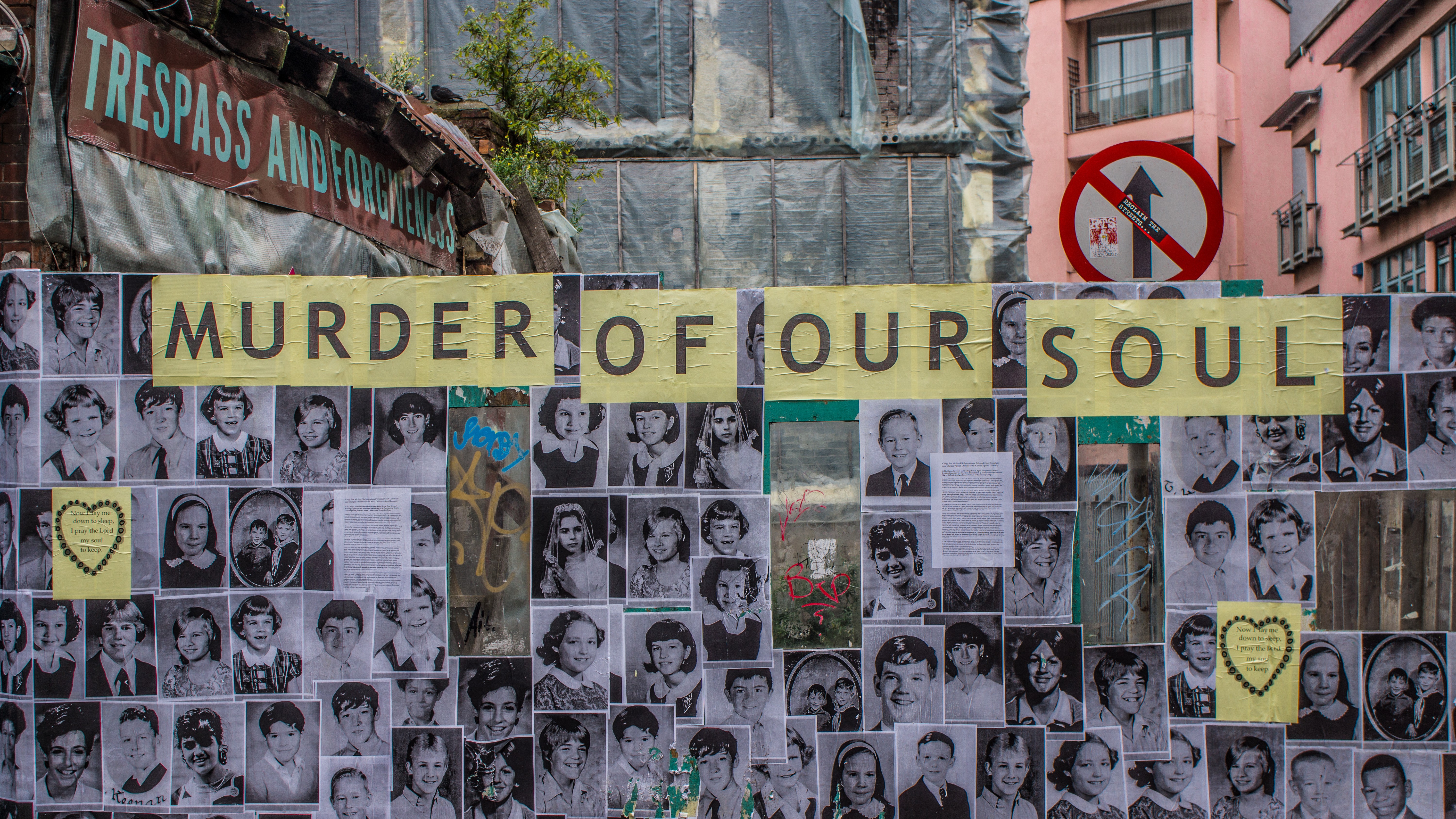
As far as the Legion of Christ, last week a new victim of clergy sexual abuse at the Highlands Catholic School in Madrid came forward. Her decision to do so proves that abuse is never a single victim issue, that when there is one victim chances are there will be many more but giving the unenthusiastic response of the Spaniard authorities to the issue of sexual abuse, clergy or otherwise, it should not surprise that so far only a new additional victim has come forward.
A few weeks ago, Los Angeles Press went into the details of what has been happening at the Highlands School, the latest of the three stories dealing with that case appears after this paragraph. The only change is the addition of a new victim.
Finally, the sexual abuse crisis in France continues unfolding. The victims of clergy sexual abuse at the Catholic school of Bétharram have now the company of hundreds of victims of at least one physician abusing his patients.
This story from German broadcaster Deutsche Welle goes, in English, over the details of that case to which it is necessary to add the ruling in the trial of noted actor Gerard Depardieu. A tribunal in Paris declared him, back in mid-May guilty as charged of sexual abuse, as this story from the AP tells.