
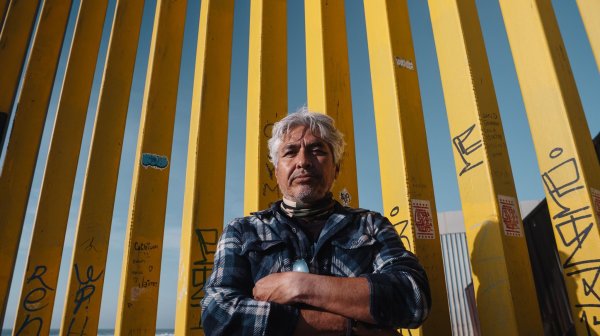
Manuel Leyva Lunes, 30 de Diciembre del 2024, 23:21
Mexico is facing a crime crisis unprecedented in its history.
By Manuel Leyva
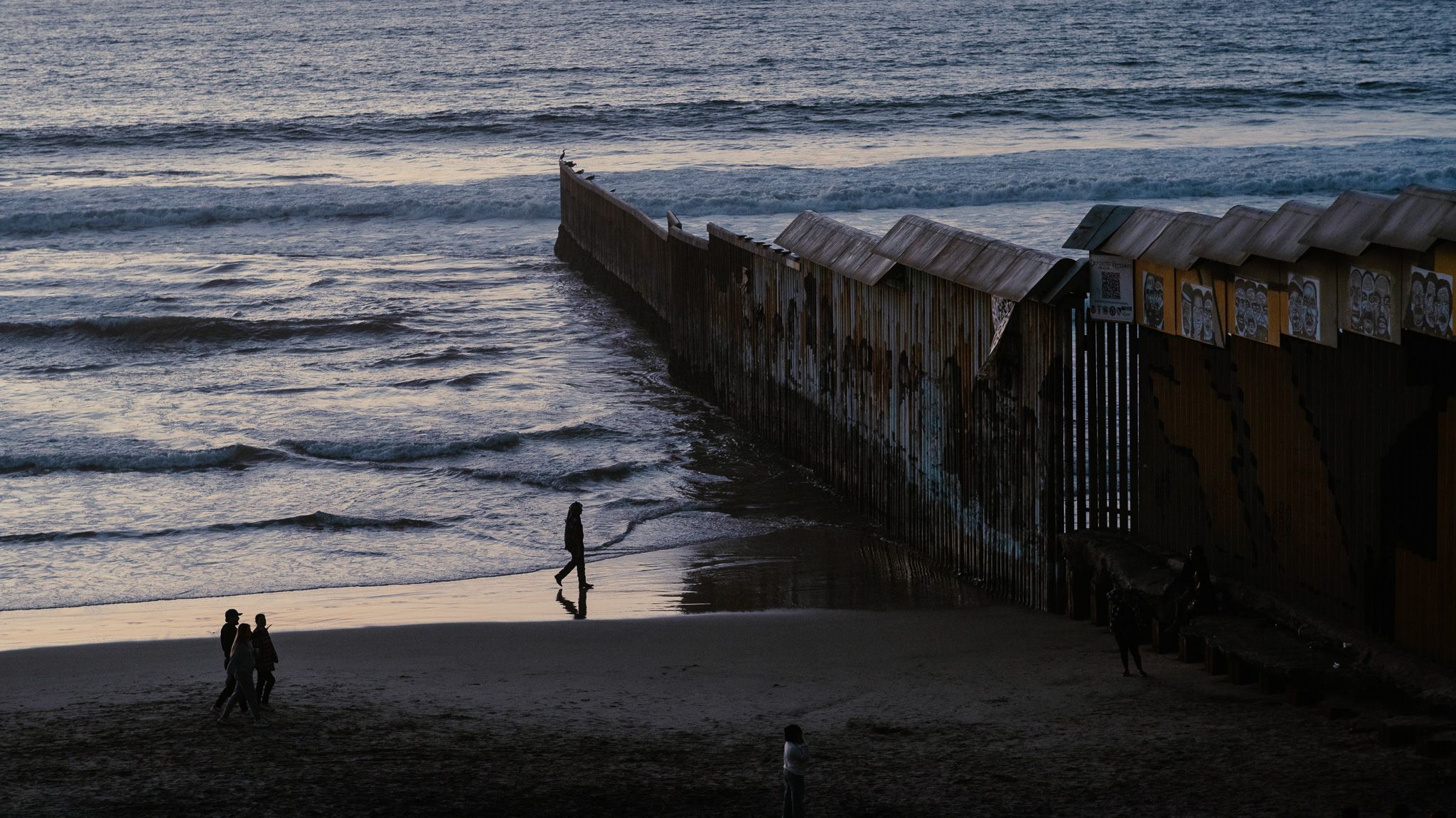
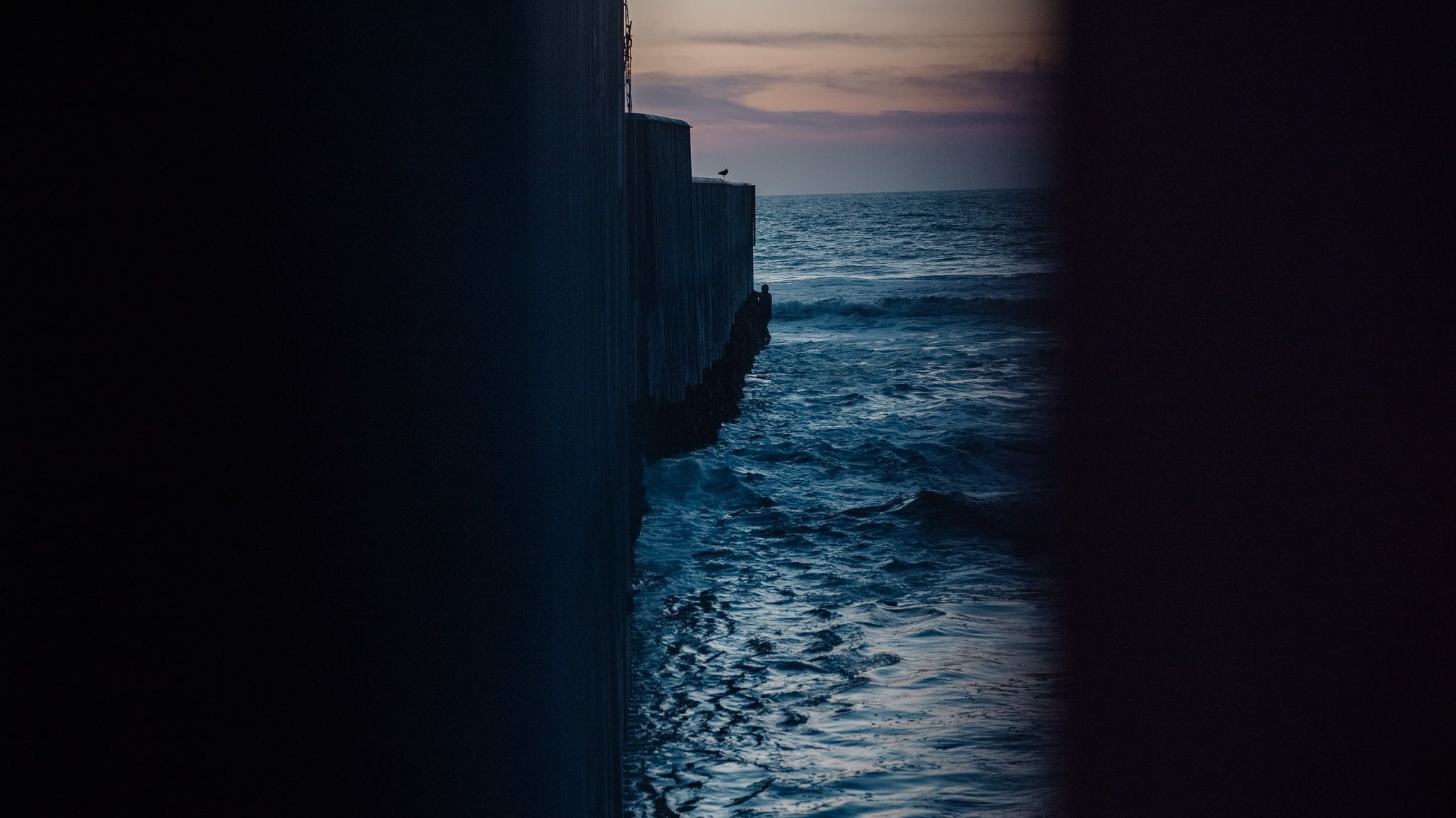
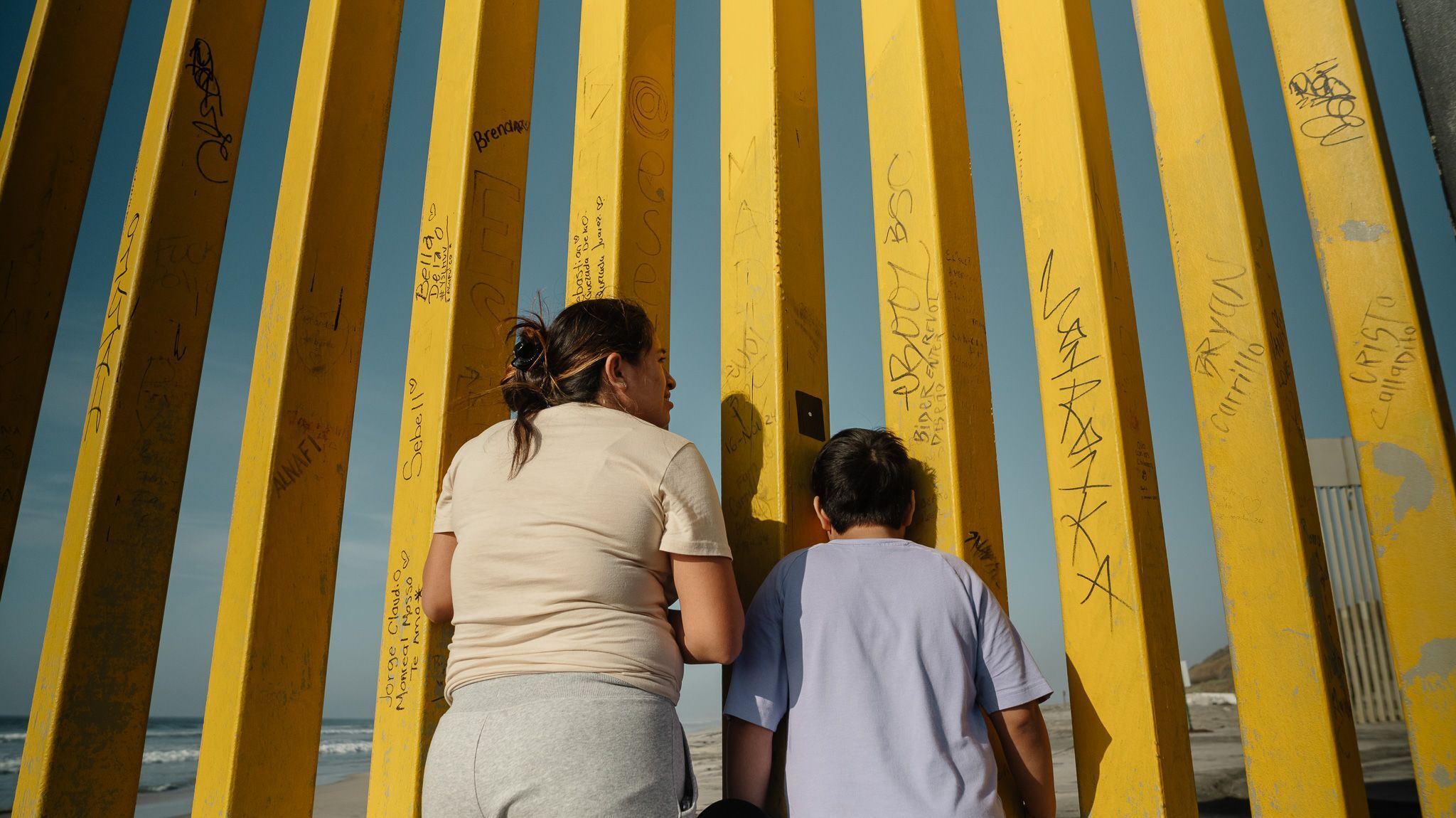
December 21 marks the shortest day of the year, signifying the official arrival of winter. The border wall between Mexico and the United States begins in Tijuana; 100 meters of steel stretch into the sea, forming a stark line. According to the Mexican government, as the end of 2024 approaches, there is an average of 83 homicides per day nationwide, many of them linked to organized crime.
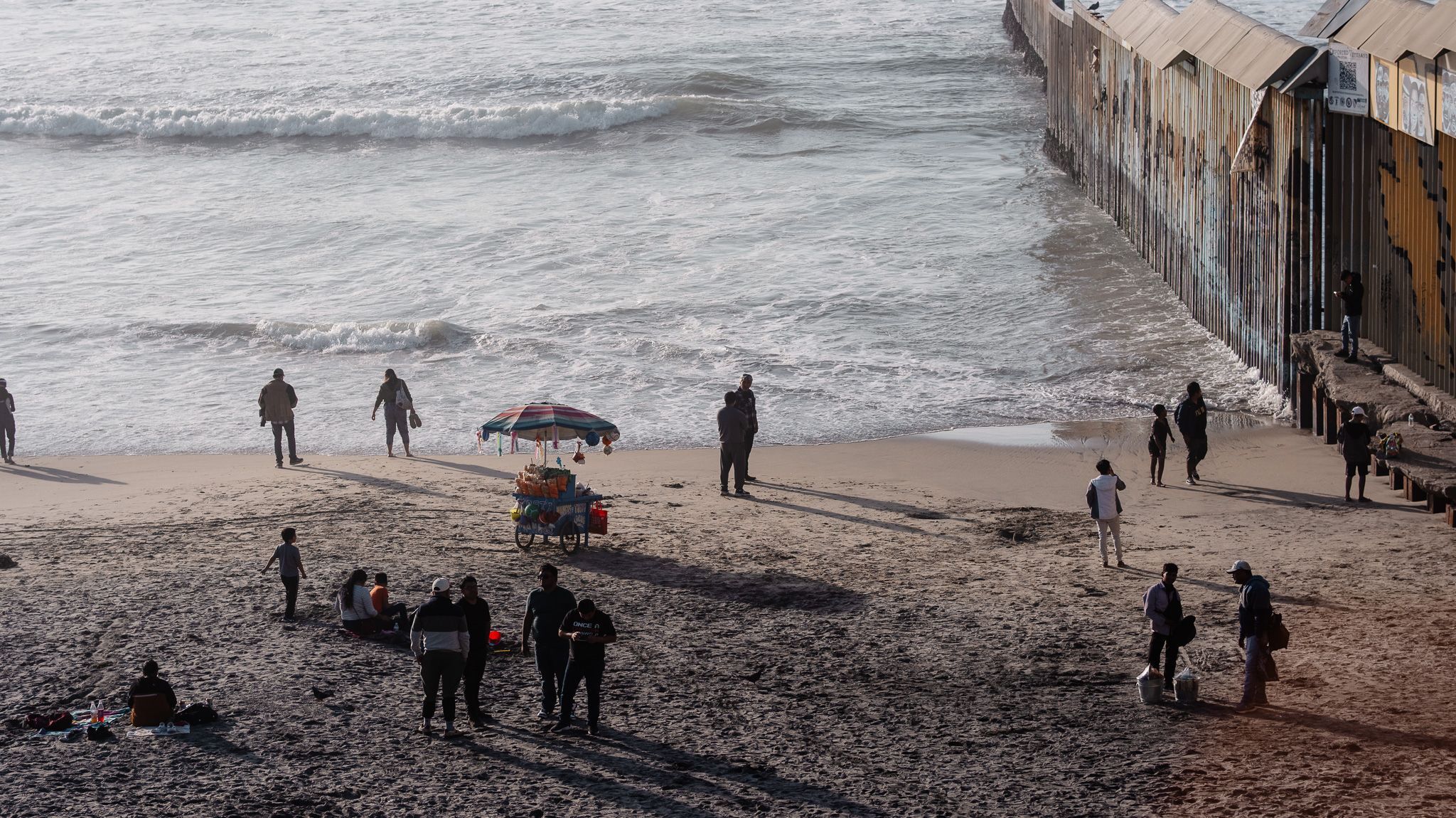
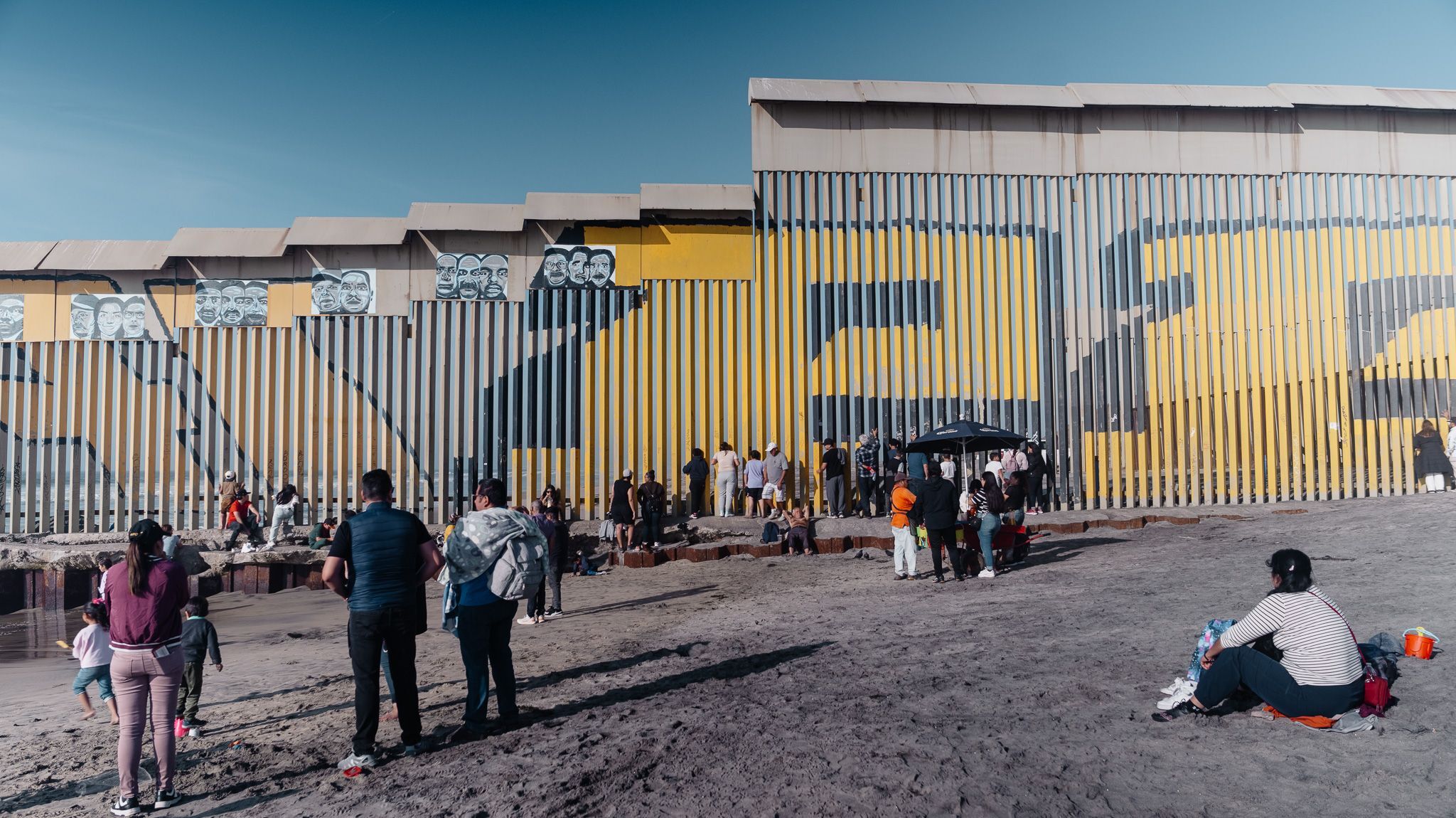
It’s a typical Saturday in Playas de Tijuana. The beach is crowded with families enjoying the sun. I’m there, taking photos, when Eduardo, a man of 47 years, approaches me.
“Are you a reporter?” he asks.
I tell him yes.
“I want to tell you a secret, reporter.
By accident, I discovered something that puts my life in danger. After years of not knowing, this morning I realized that my mother and my sister are doing horrible things. Things so bad I don’t know if I can tell you. They’re so bad that I had to run away from my house because they want to kill me. That’s right—my own mother and sister are going to kill me.
My only chance to escape is to enter the sea and cross that fucking wall. I’d rather drown there than go back, because after what I saw, after what I grabbed my mother doing... I’d rather drown.”
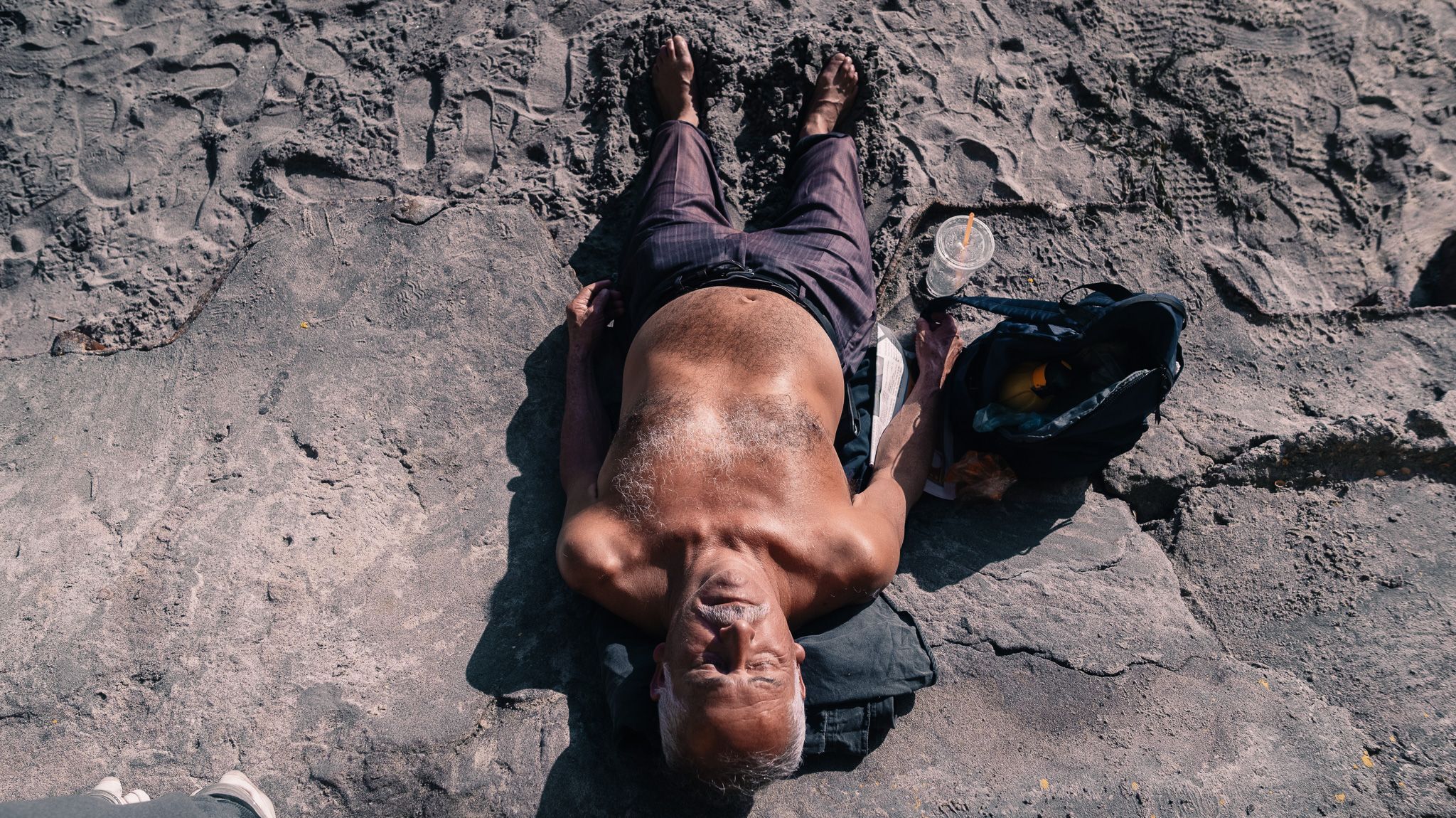
Carlos Eduardo Urías Ibarra, 47 years old, looks nervous and terrified. He speaks fast, as though he wants to leave behind a record, something for the world to know in case anything happens to him.
“Oh, and another thing. I didn’t know this until now, but they stole my identity. Can you believe it? They did all kinds of things in my name, using my face, pretending to be me. That’s what I found out. And now my mom and my sister want to kill me because of it.
They’ve been running this operation for four years, and I didn’t know. They hid everything from me. But now that I know, I can’t stay. My only escape is to cross the sea. If the migra catches me, I’ll hit them with a hammer if I have to, just to make them take me away.
I want you to take me there—to the other side—so I can tell someone everything I know.”
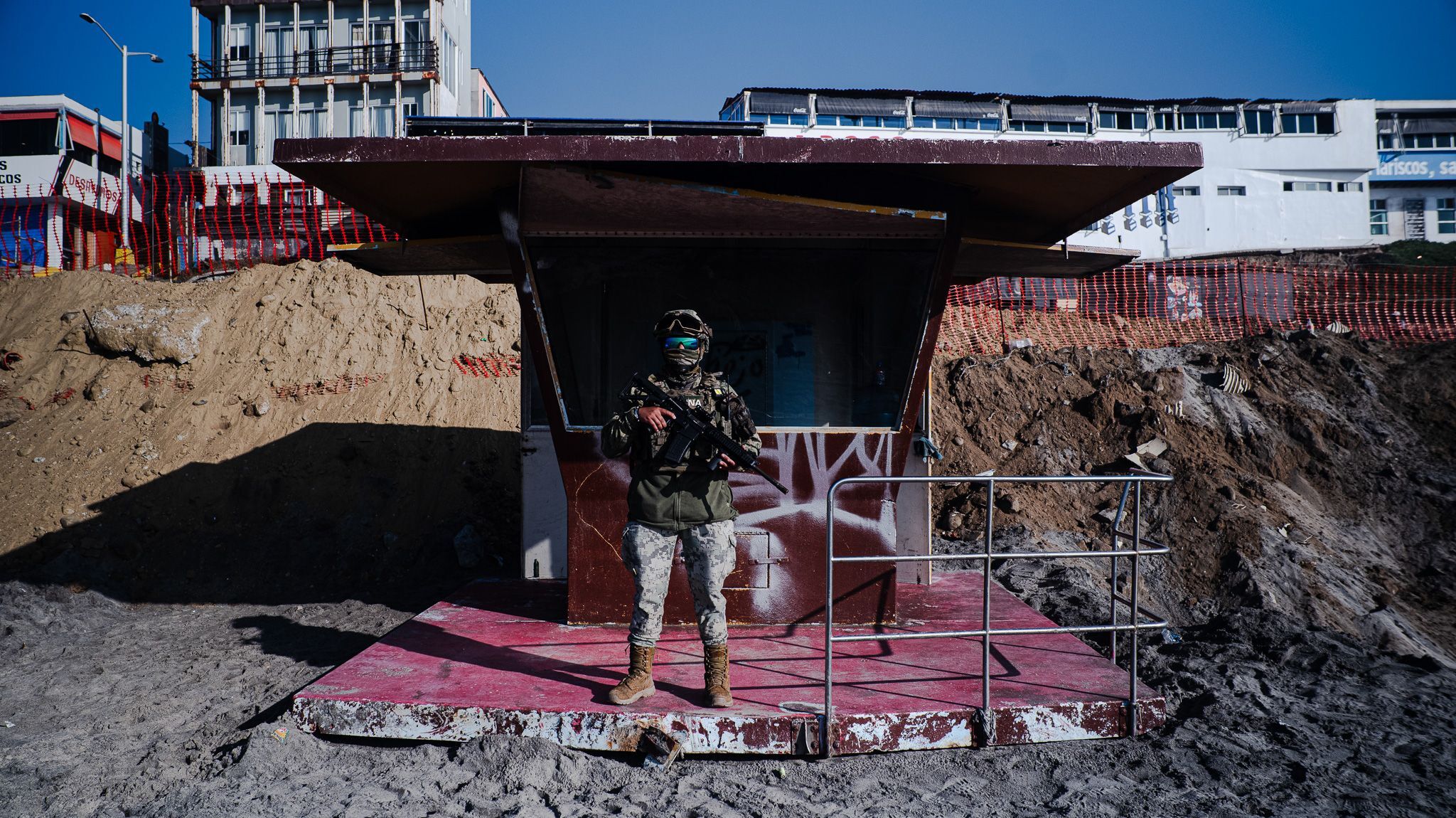
In May 2024 alone, more than 80,000 Mexicans applied for humanitarian asylum in the United States, fleeing persecution and violence. Eduardo, however, cannot approach the sentry boxes at the border; his mother and sister have people watching, ready to catch him. His only option is to cross the sea.
“It’s good that you took my photo,” he says. “If something happens to me, you’ll remember me—my face. Be careful, son. Take care of yourself. I’d rather drown than let my mother and those people get me. What they’re doing... it’s horrible.”
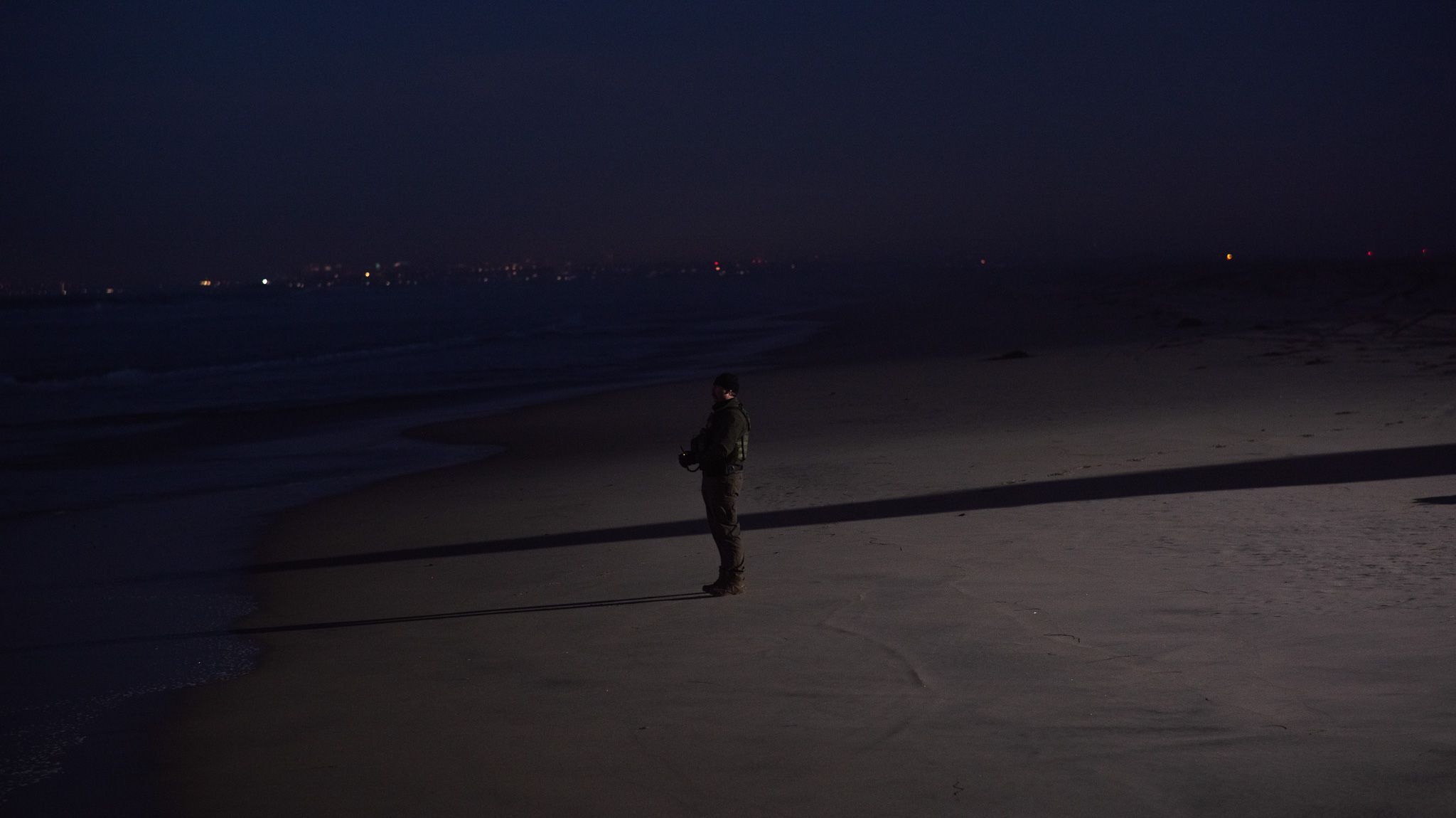
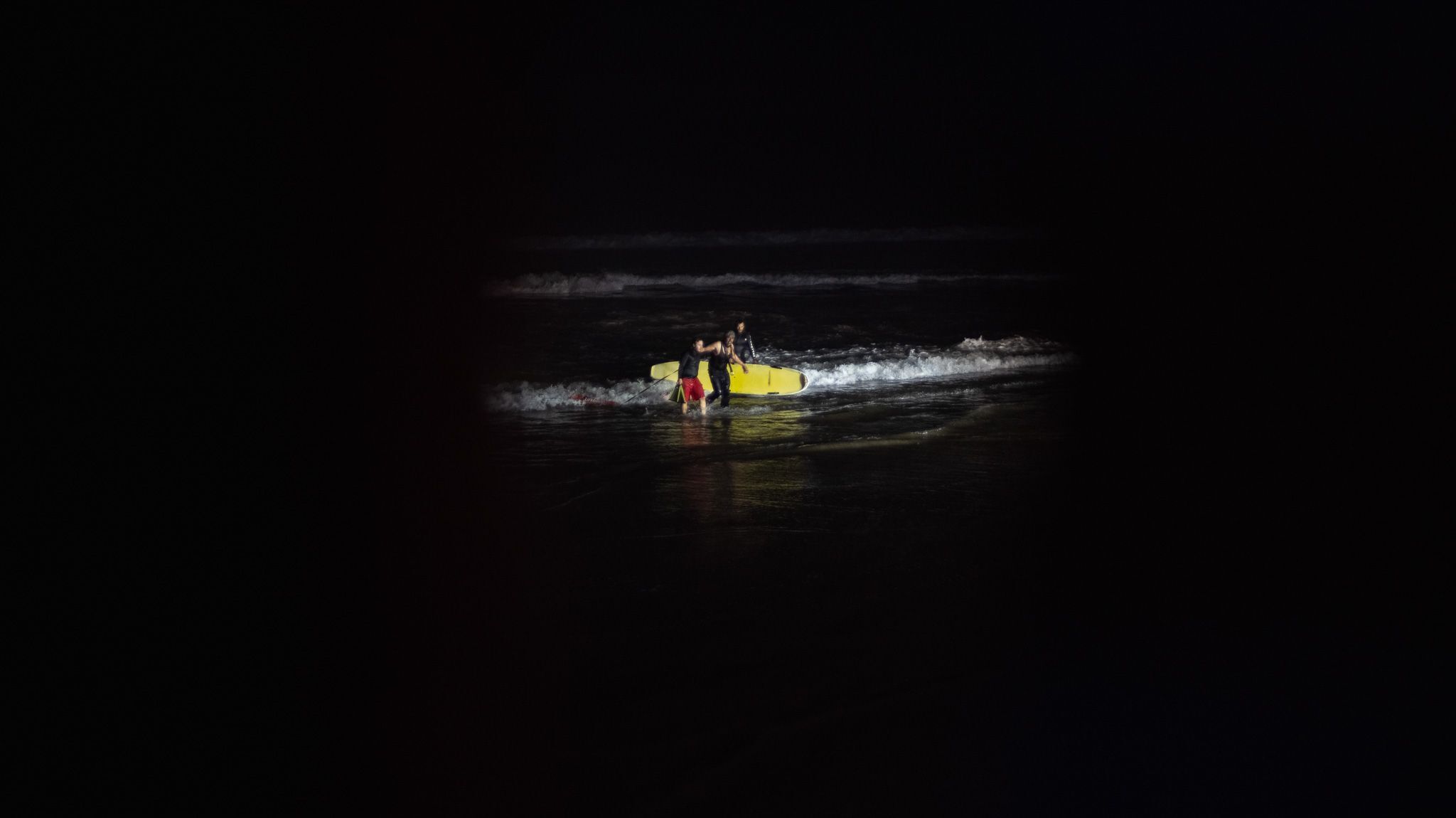
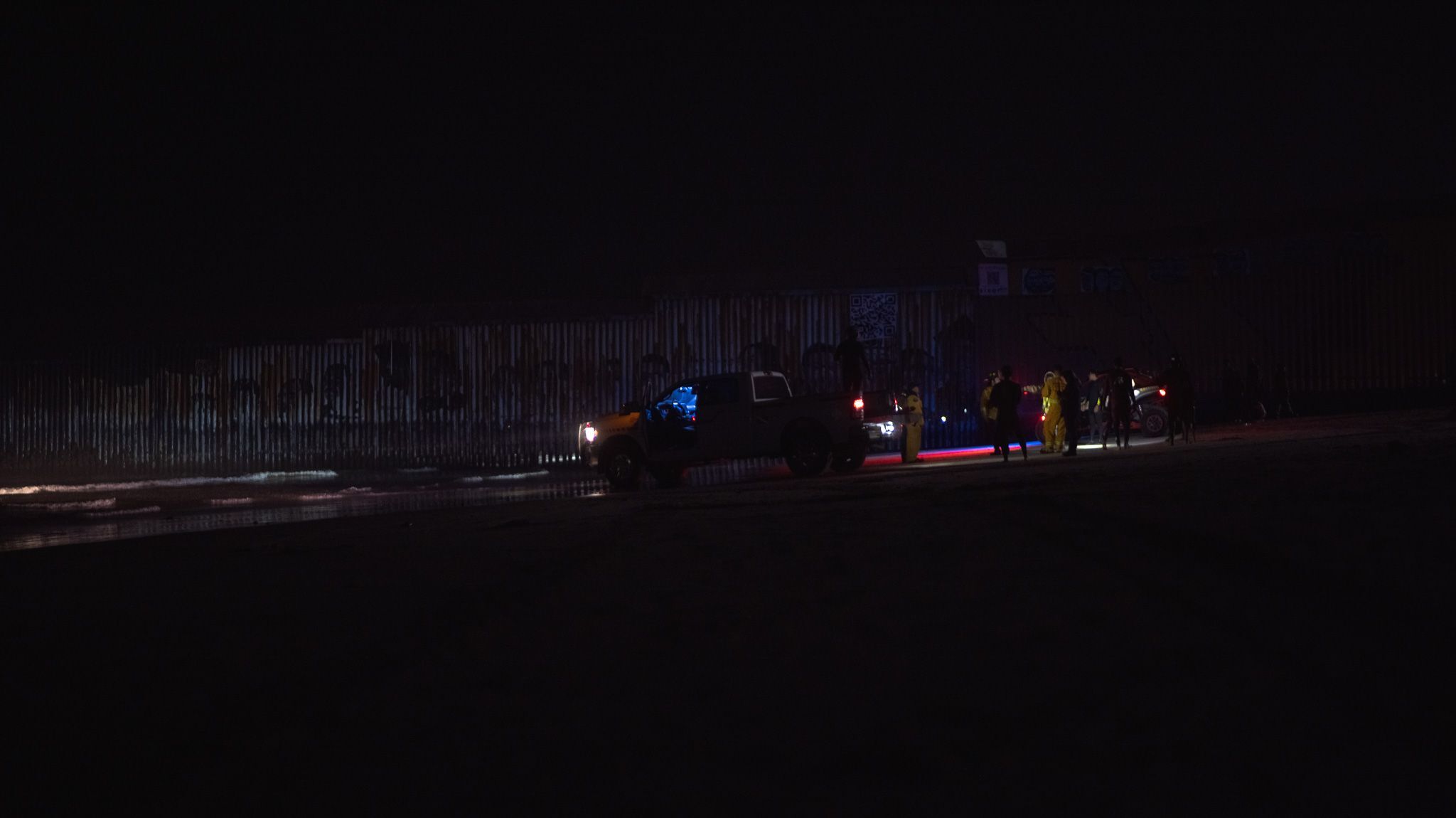
Eduardo waits four hours for the tide to recede. Then, he jumps into the sea and begins his desperate swim toward the wall. A CBP (United States Customs and Border Protection) agent spots him and radios for help. Rescue teams arrive from both sides of the border. Eduardo is pulled from the water and detained on the U.S. side.
In the 21st century, Mexico is facing a crime crisis unprecedented in its history. Hyperviolence has evolved from being driven by political and macroeconomic factors to exploiting the collapse of social bonds. In this era, even a man’s own mother and sister could become his killers.
In Tijuana alone, there are an average of eight homicides per day. As of December, the city has seen 1,748 murders this year. For tonight, at least, Eduardo is not part of that grim statistic.

Fighting through the mental health cracks of gun violence