
Rodolfo Soriano-Núñez Lunes, 14 de Julio del 2025
By Tuesday July 8, a June designation of a rapist priest in Toulouse had eclipsed Verny’s appointment at Tutela Minorum.
Back in 2006, an appeals court found Dominique Spina, new chancellor of Toulouse, guilty of rape of one underaged male, casting doubt on Verny’s designation at Tutela.
By Rodolfo Soriano-Núñez
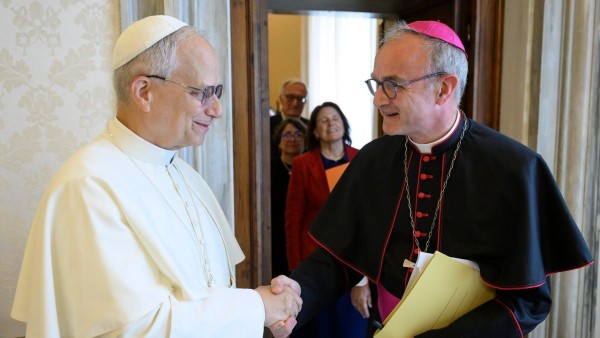
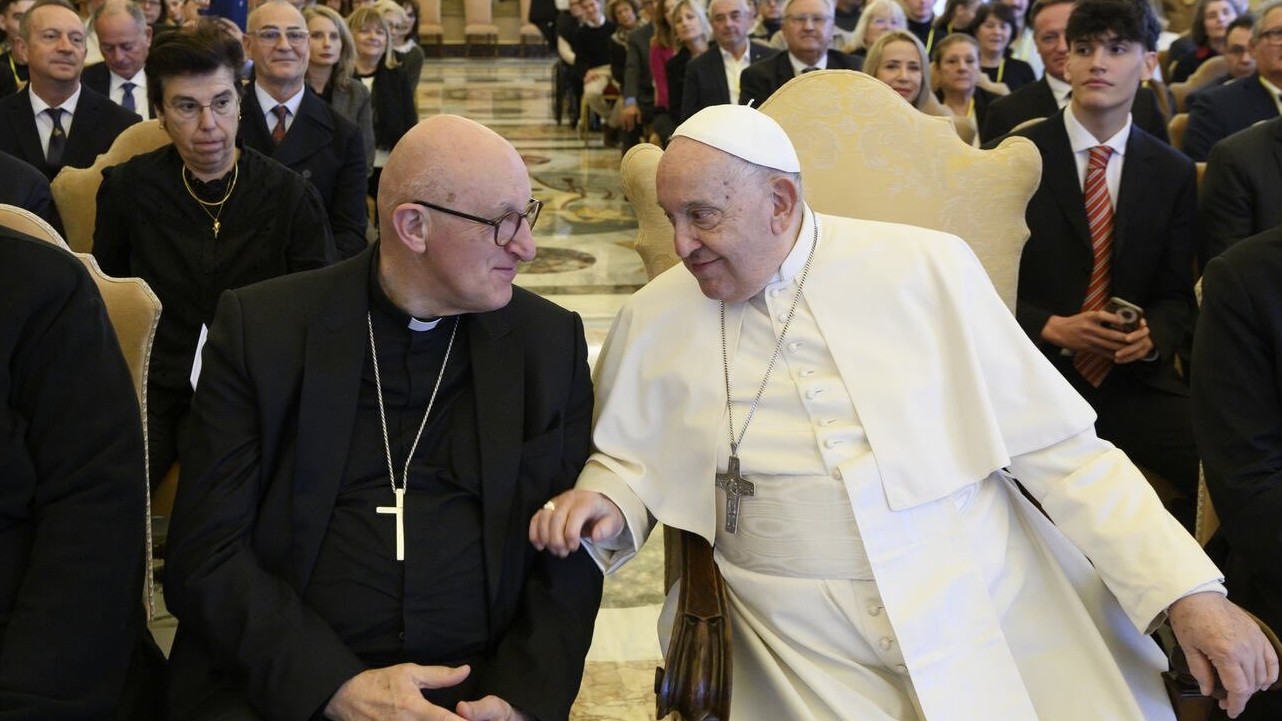
Before leaving for his vacation in Castel Gandolfo, Pope Leo XIV, on Saturday, July 5, appointed a French bishop as new president of Tutela Minorum, the entity charged with preventing clergy sexual abuse.
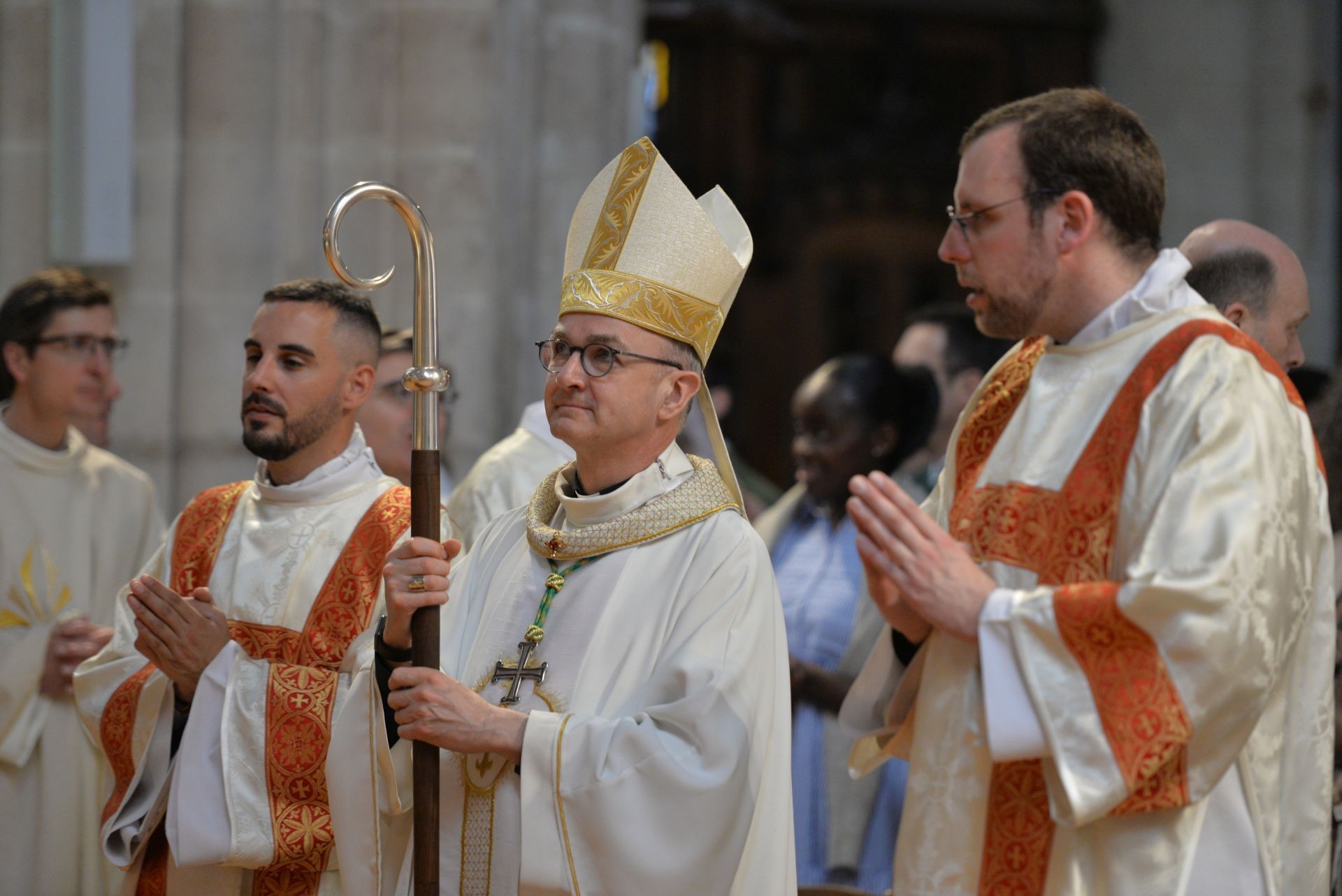
His choice was Thibault Verny, archbishop of Chambéry. He has been a member of Tutela Minorum since September 2022, when he was auxiliary bishop in Paris, charged with preventing sexual abuse there, and head of the Council to Prevent and Fight Pedophilia, at the French conference of Catholic bishops.
Any goodwill regarding Verny’s appointment evaporated when, on Tuesday July 8, news spread of another appointment made, on June 4, 2025, by archbishop Guy de Kerimel, of Toulouse. The memo with the shocking nomination is available, in French, here.
The last of four appointments, one can find there, De Kerimel promoted Dominique Spina, from vice chancellor to chancellor and episcopal delegate for marriages. It is hard for such diocesan appointments to ever go global. This one caught fire when details about who is Spina spread through the social media outlets run by the networks of survivors of clergy sexual abuse in France.
Spina is not your average priest. Back in 2006, an appeals court upheld a ruling from 2005 declaring him guilty of rape. To make matters worse, Spina’s victim, a teenager then, was at some point a student at Bétharram, the Catholic school that is now synonymous with clergy sexual abuse in France.
French media identifies him only as Sébastian V. He had an interest in becoming priest and Spina was, at the time, head of the vocations office at the diocese where Bétharram sits. The Catholic school there has been the subject of several installments of this series, so if you want to dive deep into the details you can read the story linked below, centered on French Prime Minister Francois Bayrou’s role on that scandal.
English Edition
Bayrou, French Prime Minister, to testify on sexual abuse
In 1996, the diocesan seminary accepted Sébastian as a student. Over the next months, he reported instances of abuse to his superiors. They dismissed them and expelled him in 1998. They labeled him as “not being mature enough” to enter religious life.
Sébastian filed a formal complaint in 2002 and, after the usual ordeal faced by survivors of clergy sexual abuse, revictimized by the diehards of Catholic dioceses unwilling to accept the possibility of their priests being predators, won his case in May 2006, when an appellate court declared Spina a rapist.
Sadly enough, ten years later, in 2016, Sébastian turned from victim into predator. He was accused in a trial dealing with his own role as sexual predator, He attacked students under his care at another private school in the same region of the Pyrenees Atlantiques, in Southern France.
Meanwhile, by 2007, Spina got parole, while remaining suspended as priest. Two years later, Robert Le Gall then archbishop of Toulouse, gave Spina a second chance as priest.
Spina knows people in France have no fond memories of him. In 2016, archbishop Le Gall appointed him as the sole parish priest at Fronton-Bouloc. As such, he would have to deal with, among other things, confessions of underaged males, one of the few restrictions still on him.
Scandal ensued, and only then Le Gall acknowledged the complaints of concerned parents at Fronton-Bouloc. He sent Spina to administrative duties at the curia. After nine or so years of service, the current archbishop De Kerimel, promoted Spina from vice to full chancellor.
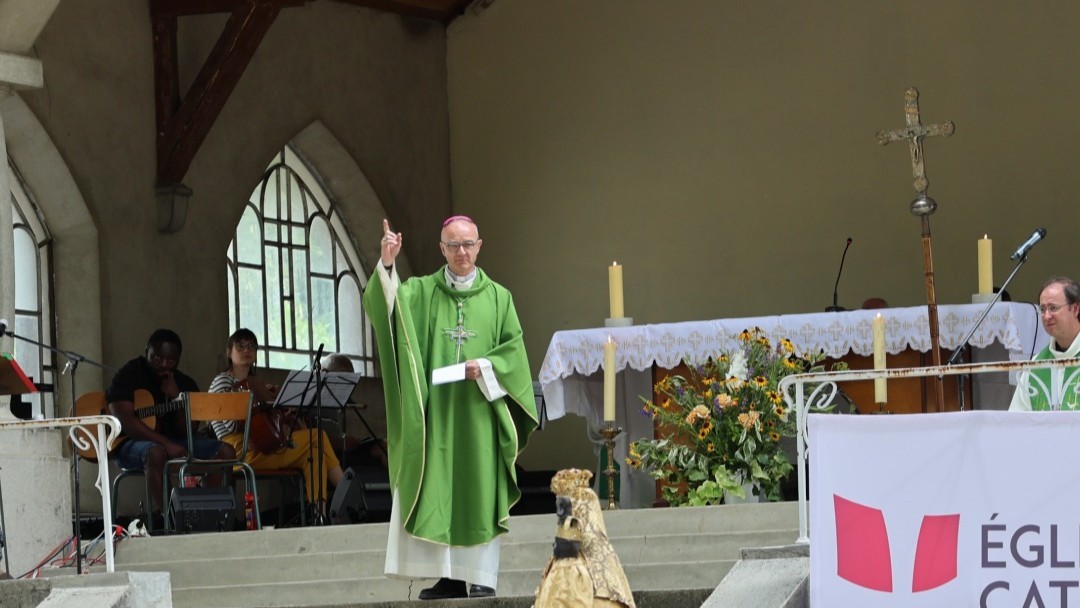
The rationale is that chancellor is nothing but an administrative position, as proven by the fact that, around the same time, Mexico City got its first female chancellor at the archdiocese there, a story newsworthy only in the Mexican media.
The key is that, as chancellor Spina will have access to the full archive of the diocese, including sexual abuse reports against any of the current 211 priests offering pastoral care to the 850 thousand Catholics in Toulouse.
In that respect, as good as Leo XIV’s no-fuss, Saturday afternoon, appointment of Verny as head of Tutela was, knowing around Tuesday about June’s appointment of Spina as chancellor, turned sour Verny’s arrival to Tutela.
The focus shifted from the positives around Verny’s nomination to Tutela, to the concern about De Kerimel’s decision to recycle Spina. Raising questions about whether the French Catholic Church and, for that matter, the Catholic Church at large, has learnt something of value over the last 40 years or so.
The education of a French Catholic bishop
Before the news about Spina’s appointment in Toulouse, Verny’s own appointment as head of Tutela was a sign of hope for change in how the Catholic Church deals with clergy sexual abuse.
Although about to turn 60, Verny has been a bishop in charge of his own diocese for less than three years. Pope Francis ended his seven-year stint as auxiliary of Paris in 2023, when he promoted him to Chambéry.
Chambéry sits at the center of a triangle of sorts having the Swiss city of Geneva 40 miles or 65 kilometers to the North, Torino, Italy, 90 miles or 140 kilometers to the Southeast, and Lyon in France, 55 miles or 90 kilometers to the West.
Verny's relative youth could be an asset for this demanding global role, helping him divide his energy between Tutela and his own diocese. Watching the world from Chambéry could provide him with the will, uncommon in older Vatican insiders, to find new ways to deal with a rather entrenched issue.
The issue is so entrenched that it undermines trust in the Catholic Church and erodes the social capital that is crucial to the health of public life. It leaves a vacuum often fueling populist, simplistic solutions to issues of justice and law enforcement, as demonstrated by attacks from the MAGA camp on U.S. bishops supporting migrants, accusing those prelates of child-trafficking.
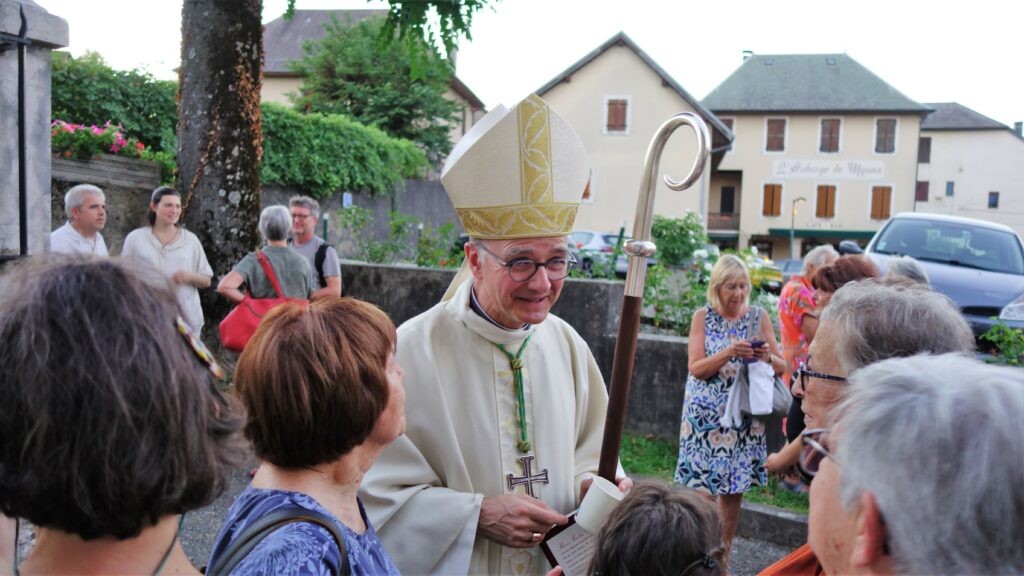
Furthermore, since Chambéry has been spared, at least up until now, from the kind of scandals rocking these days places like Bétharram, he is not under pressure to fight a fire in his own diocese.
This relative calm contrasts with the extensive and painful experience Verny gained after 18 years as priest and auxiliary bishop in the capital. It is possible to expect that he was able to learn something about clergy sexual abuse dynamics.
Probably as much as that kind of dynamics, as he learnt about dynamics when he studied to become an engineer at college, an engineer in physics to be more precise, as his bio on the French Conference of Bishops website details.
An alum of the prestigious Superior School of Industrial Physics and Chemistry of Paris, with five Nobel prize recipients among its professors and former students, Verny has something in common with Pierre and Marie Curie, who at some point lectured at that school.

English Edition
Hero, priest, and sexual predator: the story of Abbé Pierre
He should be aware of the evaporation dynamics of Abbé Pierre’s legacy, a Catholic priest, philanthropist, and a hero of the second World War whose legacy dissolved into thin air after details of the abuses he perpetrated emerged in 2024.
And even more so now, as new evidence of Abbé Pierre’s abuse emerged on Wednesday, July 9, raising the total number of known victims to 45. Of the twelve newly documented cases, seven were minors when attacked, as reported on Thursday by French medium Brut.
Already back in January, it was known that Abbé Pierre’s victims were not only females, as details of abuse of at least a male minor emerged. Egae, a French non-for profit dealing with abuse in different settings, and Emmaüs, the philanthropy founded by Abbé Pierre, published what then was thought would be a “third and final collection of testimonies.” An English-language summary of the report released in January is available here.
Something similar could be said of the knowledge Verny should have about the saga at Bétharram or what happens now at Saint Dominique or, before, at the Stanislas, Catholic schools for the Parisian elites, and in other French Catholic schools.
After all, as auxiliary in Paris Verny played a key role in crafting a protocol signed by his then-superior, Michel Christian Alain Aupetit, and French civil authorities to share information on potential cases of clergy sexual abuse.
That protocol was more relevant since, as Verny should have know as a young priest, in the first decade of this century, cooperation with the authorities is all but granted in the Catholic Church.
That becomes clear when one reminds Colombian Cardinal Darío Castrillón Hoyos’s deaf tone defense of French bishop Pierre Pican.
Castrillón, a major player in John Paul II’s Roman Curia and a darling of the Latin American far-right, celebrated back in 2001 Pican’s (content in French) dismissal of the authorities repeated calls for assistance. He actually covered up predator priest René Bissey, who was charged with the abuse of at least eleven victims (opens content in French).
Pican gained Castrillón’s praise after using the whole deck of excuses to avoid cooperation. The Colombian Cardinal, chair of the then Congregation for the Clergy, used the official letterhead to do so, and he carbon-copied John Paul II, as this 2010 story tells.
The then pontiff, by the way, never acknowledged a mistake on this or, for that matter, any other issue. Vatican spokesman Federico Lombardi painfully acknowledged the existence of the letter in 2010.
Despite the Parisian Church will to sign the protocol, Verny’s education included witnessing the Promethean fall, befitting a tragedy, of Archbishop Aupetit. Aupetit was a once-celebrated figure at the top of the French episcopate and was about to get the red zucchetto of a Cardinal. Instead, Jorge Mario Bergoglio forced him out of the Parisian archdiocese in December 2021, after a weeks-long scandal.
The drama unfolded after French media reported Aupetit's harassment of a female employee and the mismanagement of diocesan funds. French legacy media displayed pictorials of Aupetit trying to court the female employee in the streets of Paris. The way the scandal unfolded made Aupetit’s inglorious exit harder, underscoring the practical challenges Verny is about to face.

On October 2021, two months before his superior’s fall, when Aupetit and the Catholic Church at large, were the laughingstock of French media, Verny as auxiliary bishop of Paris, sided with survivors of clergy sexual abuse when attending the premiere of “Pardon?” at the Parisian Theatre Theo. It is a play about Laurent Martinez’s experience as French survivor of clergy sexual abuse.
Also, unlike other bishops dismissing media requests for comment on the issue, Verny left a digital trail of sorts, showing his willingness to offer his views on the issues, acknowledging the scale and reach of the crisis at least in France
Sharp contrasts
Not living in Rome, having an active agenda outside that capital, could be positive. It could very well force Verny to “keep it real”. It could help him avoid the careerism and other similar clericalist attitudes Pope Francis used to criticize up to his last message to the Roman Curia, from December 2024.
However, one should be aware that Verny’s diocese lacks the extensive support structures of larger archdioceses. For instance, Mexico City, with its four million Catholics, is led by a Cardinal-archbishop assisted by six auxiliaries. Similarly, Boston, serving two million Catholics, has an archbishop and five auxiliaries. In stark contrast, archbishop Verny is the sole prelate for Chambéry's less than 400 thousand Catholics.
This numerical reality underscores the kind of task ahead: Verny is not only expected to lead the equivalent of a Vatican dicastery responsible for a global crisis but also to manage a local diocese with a support staff vastly disproportionate to the scale of his new global responsibilities.

As head of Tutela, Cardinal Seán O’Malley used to be a frequent flier. There was always the need to address a conference or to rush to one of the sites of the wreckage that is the sexual abuse crisis, and it is hard to expect a change on that.
In that respect, as positive as his appointment and as good as the idea of keeping him in Chambéry is, it is unavoidable to question how much time and effort Verny will be able to dedicate to Tutela Minorum if he remains the sole bishop there, more so as he told his flock (content in French) on the French side of the Alps that he will remain their bishop.
The other issue is that he is not a Cardinal. Even if, formally, there is no requirement for him to be a Cardinal, when dealing with abuse he will face bishops who are unwilling to comply with the rules set by Pope Francis and with what was Robert Prevost’s take on the issue while he was bishop of Chiclayo, Peru.

English Edition
From Chicago to Chiclayo, sexual abuse victims are pawns
High-level resistance
Being a Cardinal will be necessary, as an example, when and if Verny ever has to deal with troublesome Cardinals. Examples include active predators such as Theodore McCarrick (before his defrocking) or those engaged in cover-ups of predator clergymen, such as Bernard Law in Boston.
Pulling rank would be necessary if Verny had to deal with someone such as Aupetit, his former boss and former head of Paris. And Cardinals McCarrick and Law are not characters from a distant past. There are still pending questions about Juan Luis Cipriani.
It is still unclear what will happen with Cipriani, the Cardinal and emeritus of Lima, Peru, a member of the Opus Dei, who notably dismissed and challenged a penalty of sorts Pope Francis privately set on him.
Such high-level resistance prompts an inquiry into how much authority could archbishop Verny wield over a rebel Cardinal, potentially requiring direct papal intervention or leverage from other powerful curial figures such as the Prefect of the Dicastery of the Doctrine of the Faith, Víctor Manuel Fernández.
Another type of resistance Verny will face should be familiar to him. As auxiliary bishop of Paris dealing with abuse, he had a front row seat in the inner workings of the French Conference of Bishops’ decision to hire Jean-Marc Sauvé, the renowned 'gray eminence' of policy studies in the French-speaking world.
Sauvé's commission actually advanced propositions echoing the comprehensive scope originally developed by the groundbreaking John Jay Report from 2002-4 in the U.S., giving the French effort significant intellectual rigor.
Verny learnt the hard way to become an advocate for the Report (see this story in French), after the French far-right did its best to discredit Sauve’s work and the French episcopate’s interest in having him as lead investigator.
The French Catholic right criticism of the Sauvé Report’s findings followed an old and rather weak template, coupled with unsubstantiated claims. That was the case of the Catholic Academy of France “counter-report”, complaining about the way Sauvé qualified abuse as “systemic” and, following a template of playing victims, martyrs, of “ideological prejudices”, as this story in French from 2021 proves.
As soon as documents such as the Sauvé Report appear, a wing of the Catholic Church desperate to prove the findings wrong. They want to play victim of either “the world” or the ideological “deviations” of the authors of said documents, as this piece from 2021 by Omnes, a self-proclaimed Catholic website shows.
The Sauvé Report, available here in French and English, was a sort of coming-of-age collective experience for France, as should have been for Verny. La Croix, a Catholic newspaper, commissioned a poll about the effects of the Sauvé Report there. IFOP, a major pollster published the data on its reception, available here, in French only.
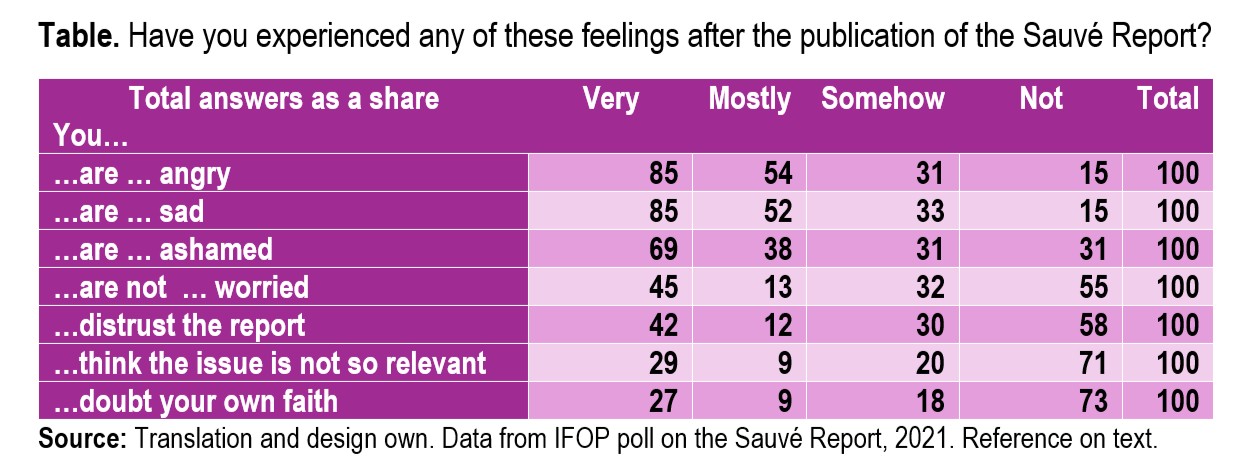
Of the questions available, it is worth going over one offering seven possible feelings to describe the reaction to the Sauvé Report. The options range from anger to loss of faith, and the answers show how divided was, in 2021, the French flock, as the table above this paragraph, taken from the poll, shows.
In that regard, one also expects Verny to be aware of the disappointing ‘report’ commissioned by the bishops of Spain. This study, produced by a numerary of the Opus Dei, presented anemic findings that were then further dismissed by the bishops' own even more anemic numbers and conclusions, following a pattern similar to the French Catholic far-right critique of the Sauvé Report, as told in the section Credibility of the story linked after this paragraph.

Both, the French Catholic far-right and the Spaniard bishops seemed to be more concerned with blaming other people perpetrating similar crimes than with accepting their own responsibility on the issue. The detailed response to the French Catholic Academy from the team behind the Sauvé Report is available, in French, here.
And the same could be said about the exasperation caused by the unwillingness of his neighbors to the north, the Catholic Church in Switzerland, to open its archives to an academic study on abuse, or the cemetery-like silence of the Italian bishops when someone talks about an Italian version of the Sauvé Report.
The Alps’ reality, with dioceses sharing languages and culture, stresses the need for Verny to be aware of resistance to transparency and accountability in other countries, key aspects of his expected performance at Tutela Minorum.
A call for change in France
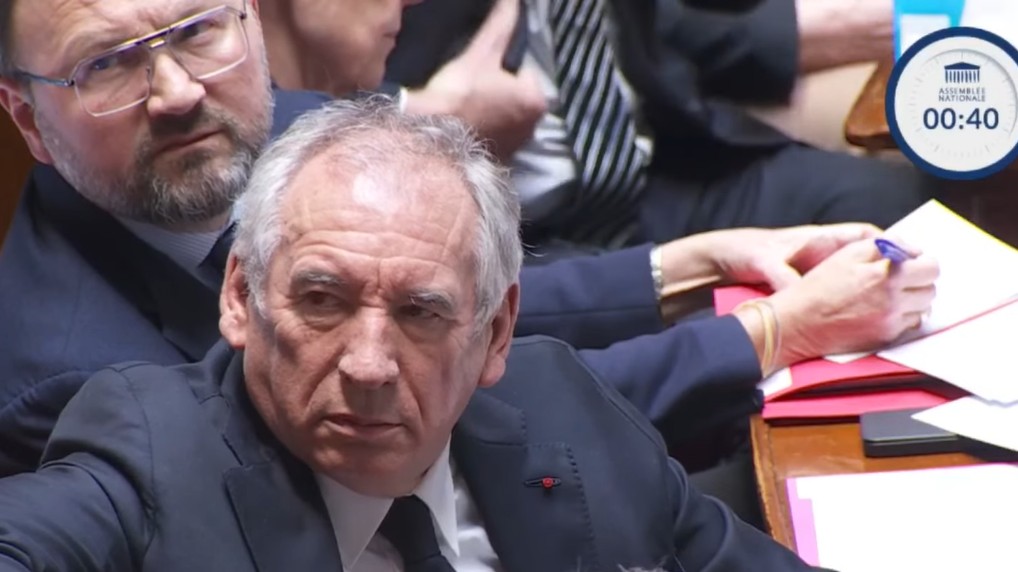
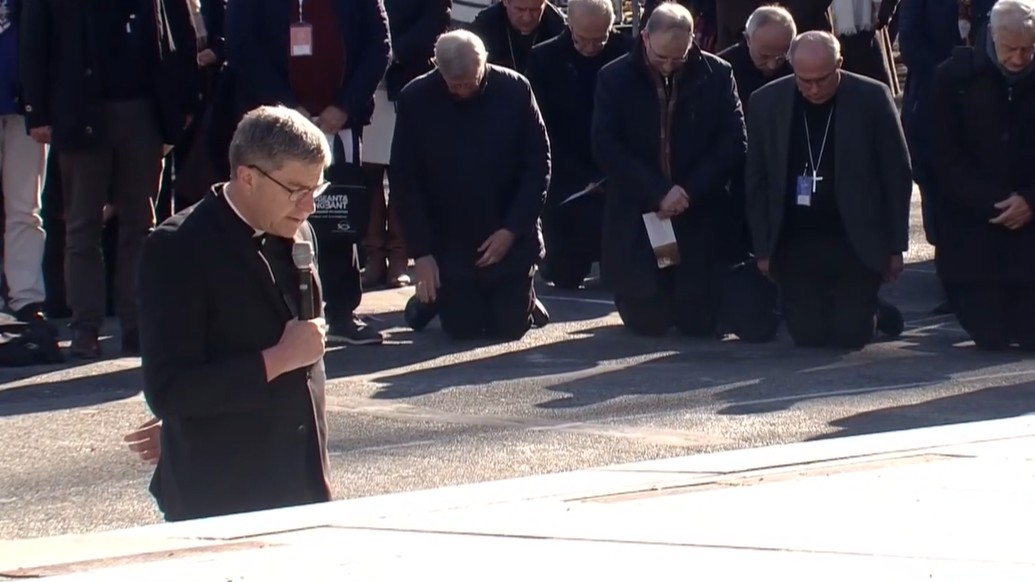
It would be hard to believe that archbishop Verny or, for that purpose, any other French bishop, could have remained isolated from the embarrassing news coming out of Prime Minister François Bayrou’s rather cynical performance in the French National Assembly.
English Edition
Bétharram, a mirror for all countries to look at
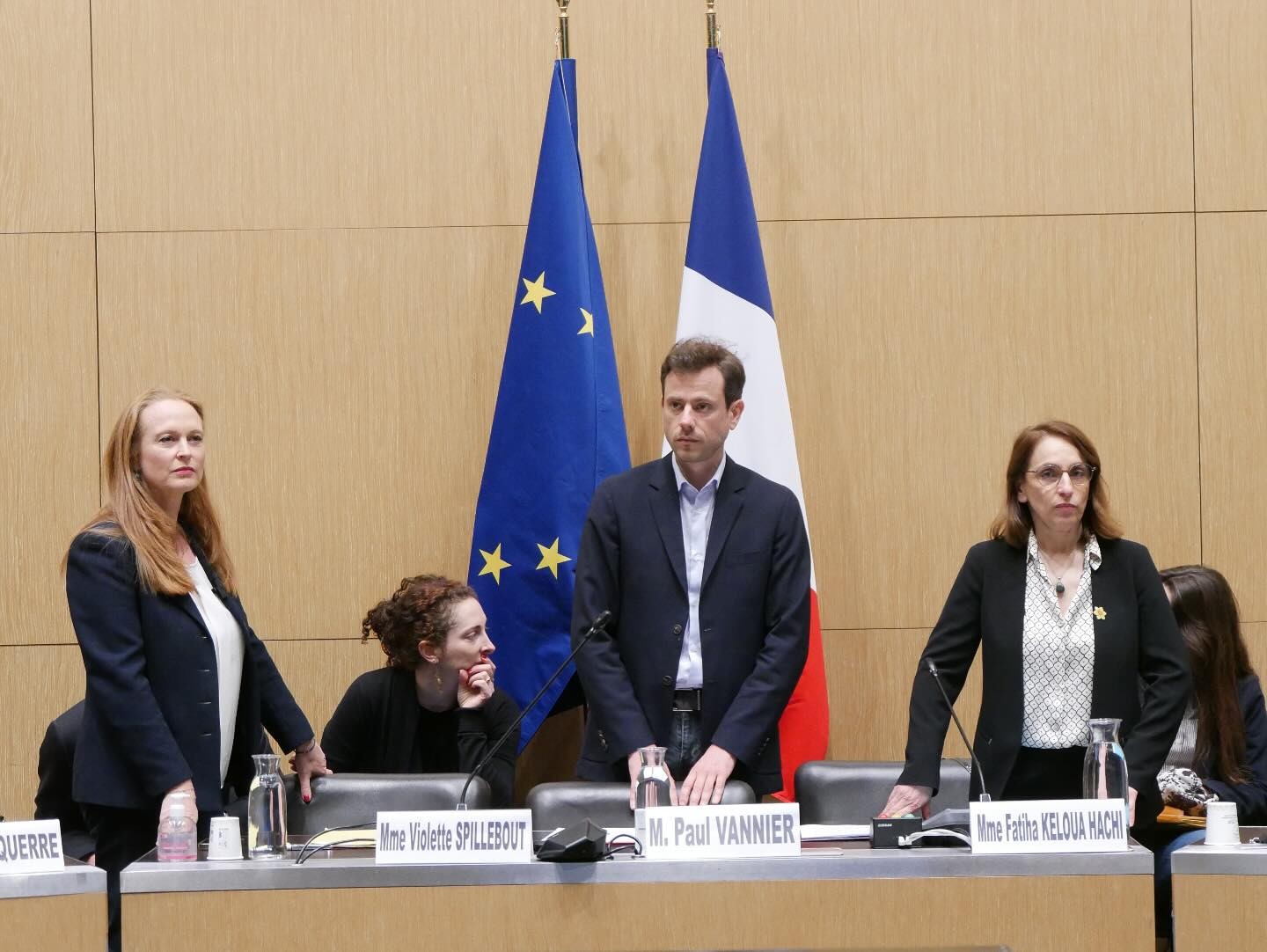
In testimony before a congressional commission, Bayrou, the former French Minister of Education in the 1990s, was accused of lying while denying any knowledge of the rampant abuse occurring under his watch at institutions like Bétharram, the Catholic school now synonymous with systemic abuse.
He did so while a former policeman, a former local judge, and a former professor of Bétharram offered painful details to the same congressional committee of how and when they talked to him at different points in time about the scale of the violence and the abuse happening at Bétharram.
Given his position at the French conference of bishops, and his new appointment, one expects Verny to be aware of the main findings of this Commission of Inquiry, whose report was released on July 2, 2025 (available here in French), days before his own appointment.
The report makes urgent calls for a series of reforms in French law and institutions, that surely will influence other countries. Among the most notable are:
A stern change in the statute of limitations, lengthening it to allow prosecutions regardless of when the abuse was committed. This directly addresses the legal impunity that has allowed historical crimes in places like Bétharram to remain unpunished, transforming a legal 'much ado about nothing' into an ongoing moral and institutional 'rocking' for the Church's credibility.

English Edition
Argentina, Germany, or France: nobody knows about abuse
More regular and unannounced inspections of all schools, particularly boarding schools (e.g., annually in primary schools, every three years in middle and high schools), to prevent the kind of violence that became common in Bétharram and other schools, Catholic or otherwise.
The creation of an independent reporting body (called for now 'Signal Éduc') to manage abuse disclosures and strong whistleblower protections within educational institutions.
A national compensation fund for victims, acknowledging the State's responsibility for insufficient checks.
Calls to set limits on “professional secrecy” in cases involving abuse of minors under 15, even in the context of religious confession. This proposal directly impacts the Church’s stance on the inviolability of the confessional secret, a recurring issue in the English-speaking world.
The Catholic Church is currently far from willing to concede an inch on such cases, even if that stance further hurts its credibility on managing the issue on its own, and its potential implications are not limited to France or even the European Union.
Moreover, Saint Dominique, with its higher chance of becoming an actual legal case, alongside the legislative pressures and the ongoing calls for judiciary reform in the aftermath of high-profile cases like Giselle Pelicot’s, underscore the immediate and complex legal challenges Verny faces.
How far will he go?
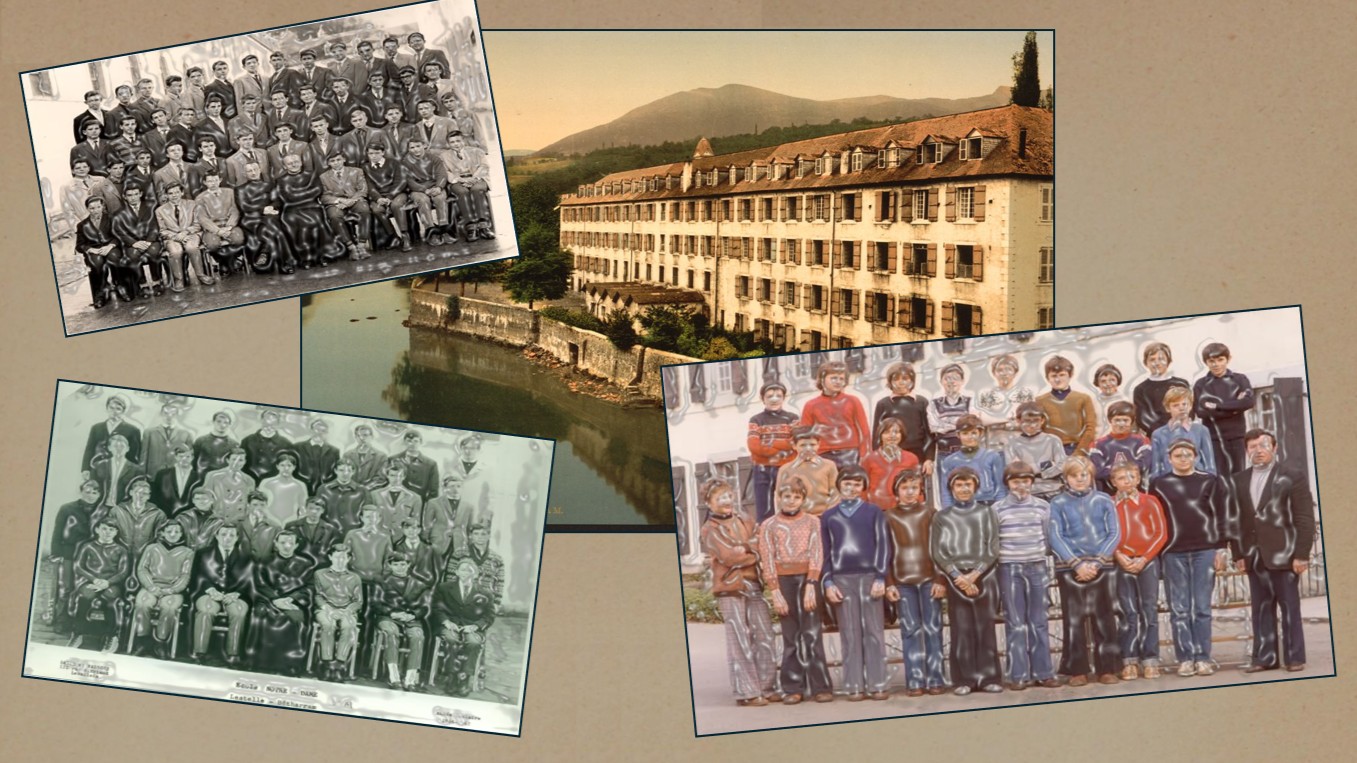
If all these issues coming from France and its European neighbors were not enough, there is also some expectation that Verny is aware of the pressing need to address the role of French clergy and Catholic religious orders and other organizations in sexual abuse outside of France, as the story linked after this paragraph, by Camille Rio, proves.
English Edition
Bétharram: Sacrificing the head so the body may live
As good as the French bishops response to the French victims of clergy sexual abuse has been, there is still room for improvement. The most obvious, due to the current situation in Bétharram is the fact that the religious order behind that school runs other similar schools in Latin America and their priests split their time between France and other countries.
But Bétharram is not the only case. The same Camille Rio published at Los Angeles Press another piece, back in December 2024, dealing with the French Foreign Missions, a religious organization, something close to an order, active in Africa and Asia, but with a firm foothold in the French archdiocese of Strasbourg.
There, near the border with Germany, Gilles Lucien Paul Reithinger resigned his position as auxiliary bishop at 51. He did so in the midst of a scandal of abuse affecting that diocese and La Rochelle, whose bishop, Georges Colomb, also comes from the Foreign Missions.
The order acknowledged the need for a study, but as it is usually the case when orders or dioceses probe themselves, the results were disappointing to say the least, as the essay by Camille Rio, linked after this paragraph, proves.
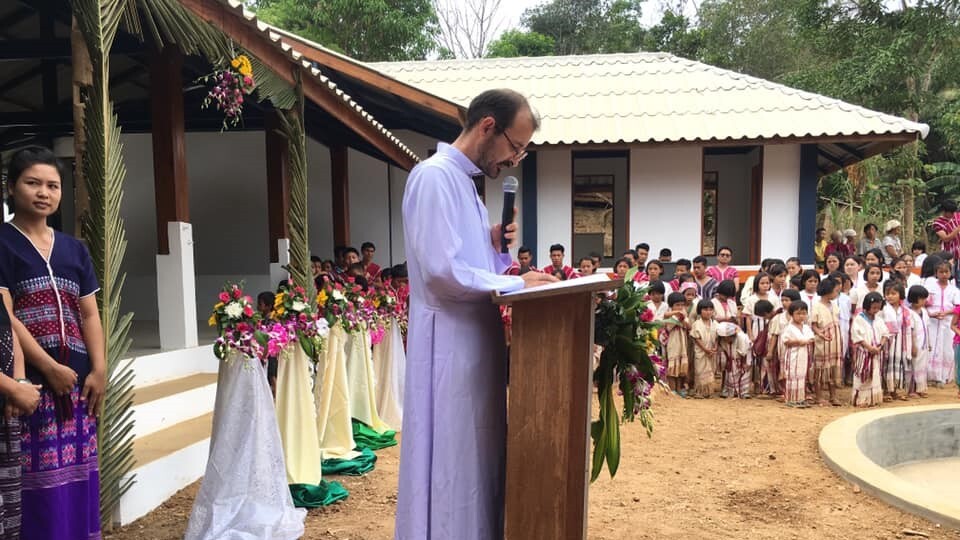
And it is not only that “order” of sorts. In Colombia, Mexico, Canada, the United States, and many other countries similar orders exist with similar issues as far as clergy sexual abuse is concerned within their so-called “territories of mission.”
In that respect it is unavoidable to raise questions about how far Verny will be willing or be able to go when dealing with these religious orders. Will he push them to carry at least similar “studies” as the one from the Foreign Missions?
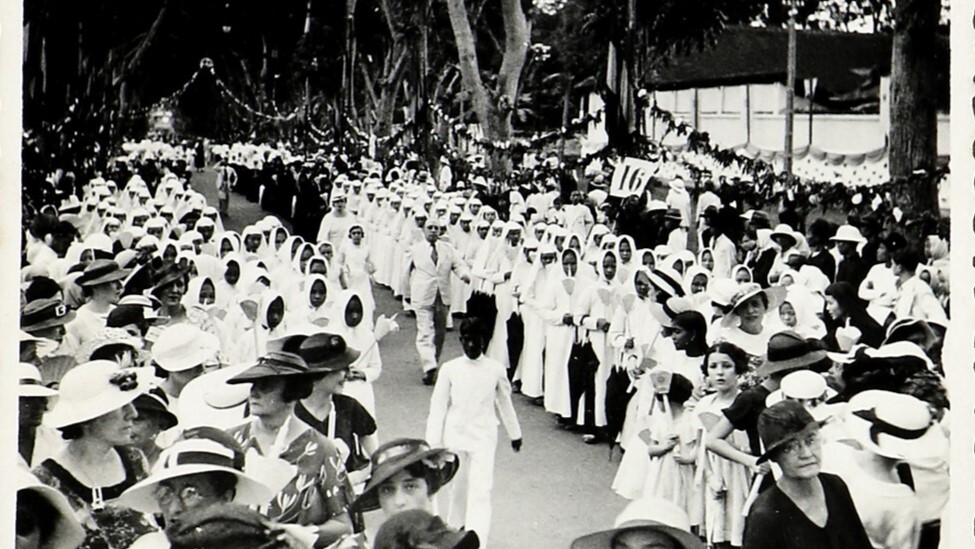
The issue is relevant because, even if all the points made by Rio stand, the report acknowledged the "new" trend in the clergy sexual abuse crisis: there are more victims who are females than males, as the story linked after this paragraph proves.
Legacy and loyalty
Less than 36 hours before Verny’s appointment, Argentine Cardinal Víctor Manuel Fernández had grabbed some headlines in Catholic media after he stated the obvious: Fiducia Supplicans, the document approved by Pope Francis on 18 December 2023, regarding the blessing of so-called “irregular” couples, whether heterosexual or same sex, remains written law in the Catholic Church.
The statement was somehow necessary as there is a clear drive in Catholic conservative legacy and social media to force Leo XIV to throw under the Popemobile Pope Francis’s legacy.
Fernández’s statement is relevant because another aspect of Verny’s understanding of his role as bishop is that Tutela’s new head is aligned with Francis on issues of sexual morals, unlike those calling Fiducia heretic.
A proof of such affinity with documents such as Fiducia, and a previous one, 2016’s Amoris Laetitia, lies in Verny’s decision to appoint a couple of divorced and now civilly “remarried” heterosexual Catholics to a new position.
Verny asked Elisabeth and Rémy Picq, to provide pastoral care to other families in similar circumstances in Chambéry. Back in March 2025, one month before Francis’s death, the Picqs and the French Jesuit college Facultés Loyola Paris, announced a seminary that will go from late November 2025 to mid-March 2026, designed to address the pastoral challenges and needs of families such as the Picqs.
An eight-page long summary of the seminary contents, lecturers, and some of the main readings, is available, as a PDF file, in French here.
In this respect, one would expect that with Verny as head of Tutela Minorum the Catholic Church will not go back to one of its favorite non-explaining explanations about the abuse crisis: it is all about gay people infiltrated in the Church.

English Edition
From blunder to blunder: Roman Catholicism and sexuality
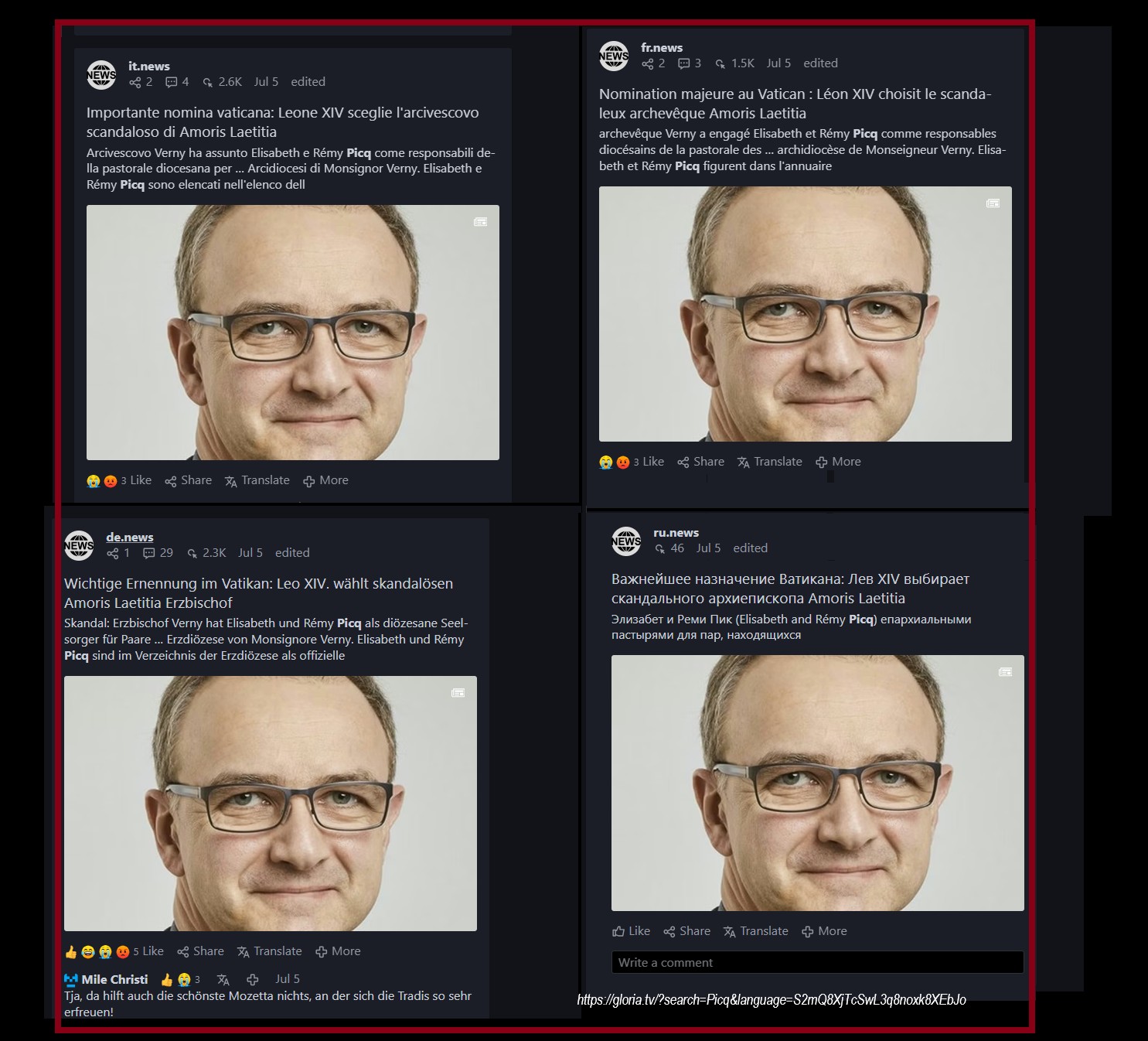
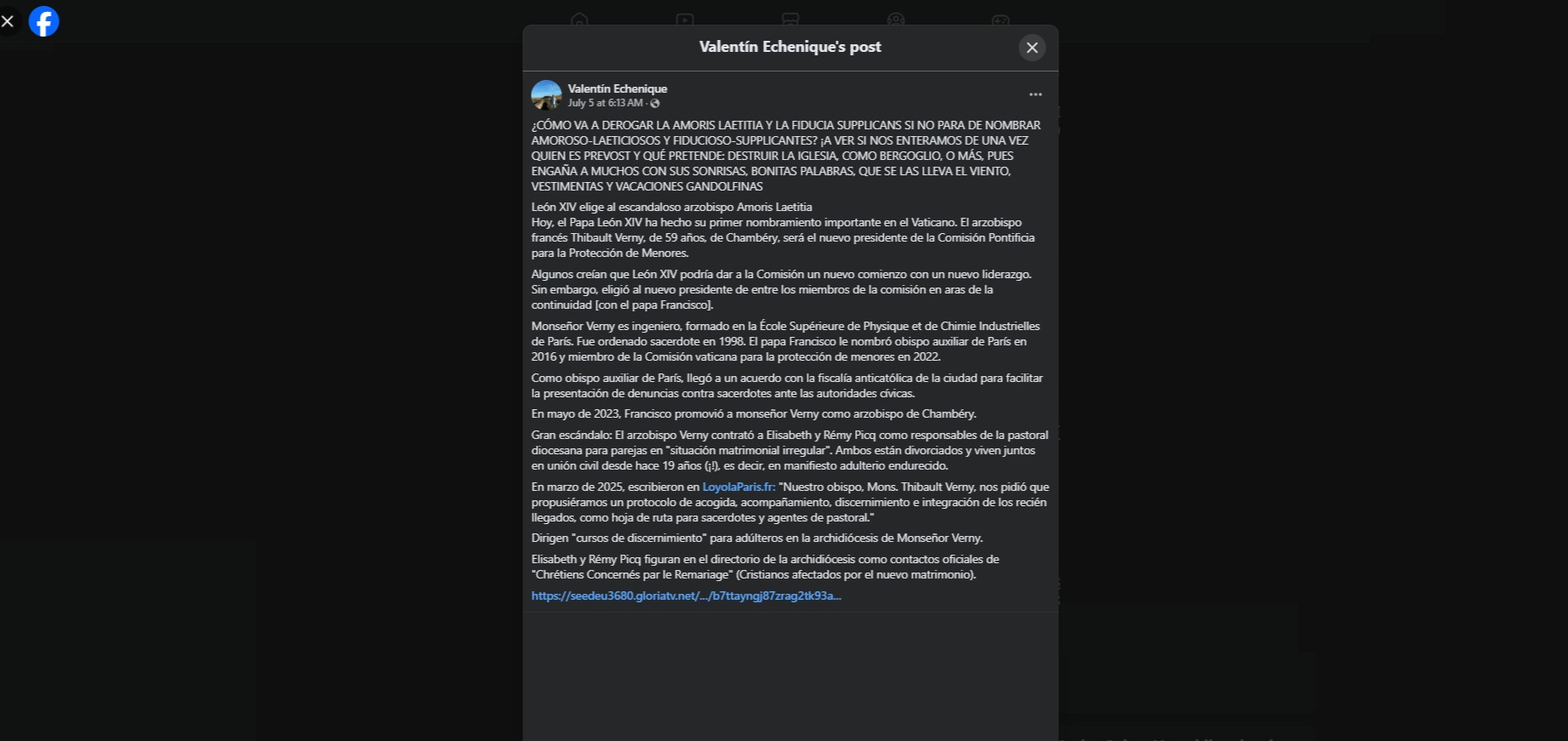
A key problem is that since Verny’s appointment, social media accounts in English, French, and Spanish have framed Francis’s legacy, the Picqs’ pastoral role, and Verny’s and Leo XIV’s appointments, as a betrayal of Catholic doctrine.
These accounts, linked to Rad-Trad factions of the Catholic Church are associated with gloriatv.net, a website that spreads messages in several languages, repeatedly disseminating the same lie, where conspiracy theories are common currency. The image after this paragraph is a screenshot of the first paragraph of the messages in Italian, French, German, and Russian.
The next image is a screen capture of the English-language message.
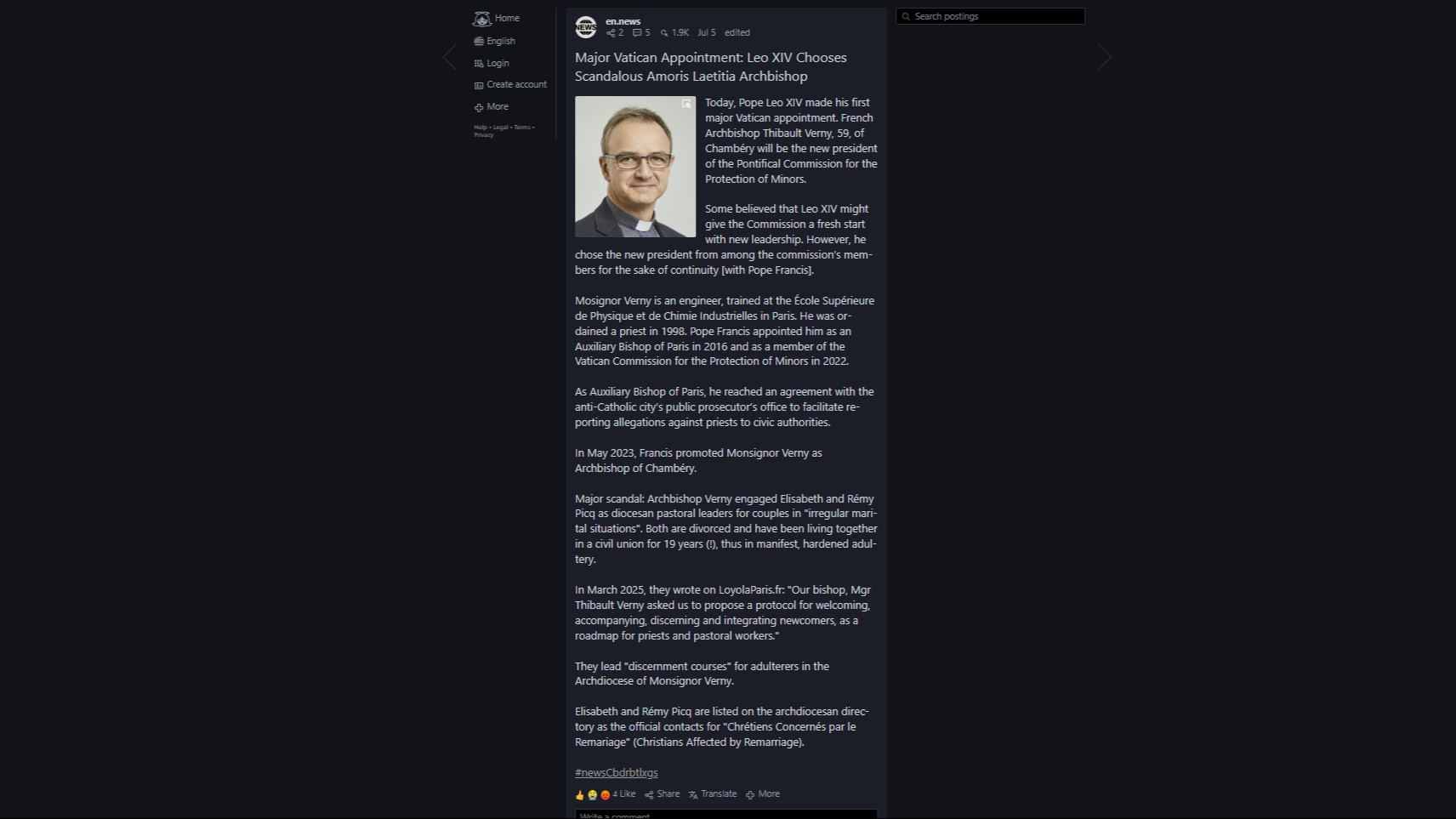
The image after this paragraph comes from a Spanish-language posting over Facebook. The message is the same. The only change is the language used to attack the Picqs, Verny, the Jesuits at Loyola Paris while spreading doubt about Leo XIV’s papacy.
Parisian nightmares
For the same reasons, one would expect that Verny is aware of how dangerous is to go back to the blame-the-gay riff. Having been a seminarian back in the 1990s, the heyday of Tony Anatrella’s grip on the French Catholic Church, there is a chance he knows how many victims Anatrella left after promising rather gullible French bishops that he somehow had a “cure for homosexuality.”
Perhaps he read the debates between theologians such as French Dominican priest Phillippe Lefebvre (opens content in French), a professor at the University of Fribourg, Switzerland.
Lefebvre was sounding the alarms on Anatrella’s misguided theology since 2005, as he told French magazine Le Point opens content in French), back in 2018, and then when Rome finally “punished” Anatrella, even if only symbolically, as a priest, as this 2021 story from National Catholic Reporter tells.
Lefebvre’s critique goes deeper than Anatrella’s faulty theology or him attacking seminarians sent by bishops to his office, forcing them into “conversion therapy.” When Lefebvre describes Anatrella’s relationship with the French bishops in the 1990s and 2000s, Lefebvre talks of “an organized omerta.”
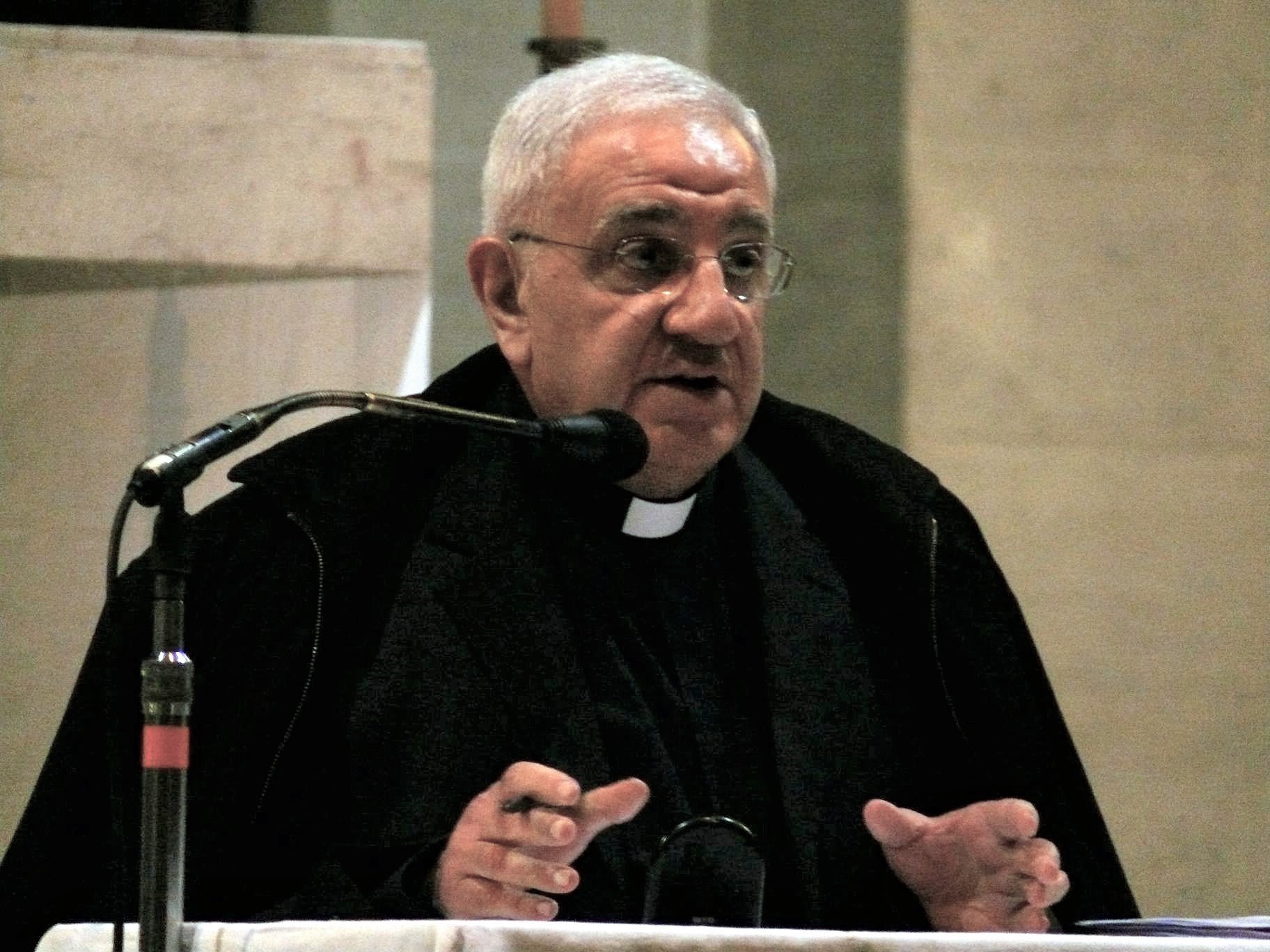
Such omerta allowed for what the French bishops said they were unaware: Anatrella’s cure was to sexually abuse seminarians sent to his practice by their bishops. It was only after a media nightmare, with several victims coming forward, that Anatrella lost his status as a guru of sorts in the Catholic Church at large.
The French Bishops’ support of Anatrella, their endless praising of his knowledge and practice, turned him into a global figure, with books in French, English, and Spanish filling the shelves of Catholic bookstores from Montreal to Buenos Aires.
A nightmare at least as bad for the credibility of the French Catholic Church as the scandal that forced out of office and resulted in a civil sentence in French Courts to Italian born former nuncio to France Luigi Ventura.
With Verny already an auxiliary bishop in Paris, where the Vatican’s nunciature sits, in the rather posh eight arrondissement or borough, one French adult male, a worker at the Parisian municipality, accused Ventura of having sexually attacked him.
The infinite complexities of sexual abuse
Despite his status as diplomat, Pope Francis forced Ventura to face the music during a trial in 2020. The sentence was rather light, only eight-months’ probation, immediately suspended by the French national authority, but it encapsulated the end of an era, as it opened the door for other Vatican officials charged with similar crimes, to face the consequences of their behavior.
Ventura was not the first nuncio to be accused of clergy sexual abuse. Before him there was Polish-born Vatican diplomat Józef Wesołowski, who faced similar charges in the Dominican Republic back in 2013, although in his case the victims were underaged males.
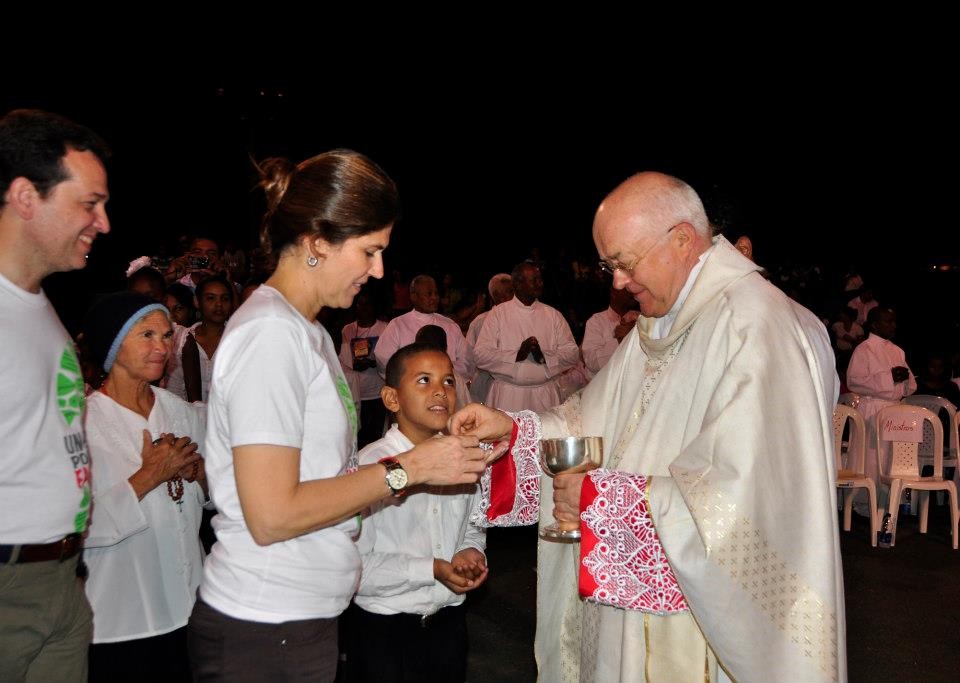
However, when the Wesołowski case became public, he was immediately removed from office, less than a year later he was already laicized by Francis and died while waiting at a Vatican penitentiary for a trial that never happened.
Unlike Wesołowski, who almost accepted in silence his guilt, Ventura did his best to pretend to be the victim of a framing, a conspiracy of sorts. His attempt at proving his alleged innocence backfired and forced Francis to set a precedent: he lifted the diplomatic immunity nuncios enjoy, since by the end of the scandal the number of victims was already five, with incidents in 2018 and 2019.
English Edition
Pope Francis forces out of office 30 bishops in two years
Ventura was one of the 30 bishops considered in the piece linked before this paragraph. On top of the eight-months suspended sentence, Ventura was forced to pay little over 22 thousand euros in legal fees and compensation to the victims.
Already a bishop, still at Paris, Verny witnessed the fall of yet another top French cleric back in 2020. Rome accepted, in March 6, the archbishop of Lyon, Cardinal Philippe Barbarin’s resignation, after a protracted scandal and trial leaving Barbarin free in the case of serial predator Bernard Preynat only because of the statute of limitation. As Aupetit in Paris, Barbarin tried to convince Francis to keep his post. Bergoglio was better able to “read the room” and forced him out office.
So, it should be clear by now that Verny has had an intense education in his home country about the many varieties of clergy sexual abuse. What use he will give to that knowledge is still an open question.
Shared responsibilities
Verny is not the only one charged with solving the issue. If full conferences of bishops as those of Mexico or Brazil remain unwilling to comply even with the minimum required by Rome, as they have done so far, it is clear that it was not only Francis’s or Cardinal O’Malley’s fault and it will not be Leo XIV’s and Verny’s.

English Edition
Suicide at the Congress
Some of the responsibility lies, no question about it in the now deceased Pope and his Franciscan buddy from Boston, who was willing to confront him with the need to change tune after the disastrous trip to Chile, back in 2018.

But another share lies in the individual bishops of places like Ciudad Juárez, Mexico, Galápagos, Ecuador, or Coari, Brazil, who are still betting on beating the odds by gaslighting survivors and their families in Church and civil courts. Also, there is responsibility in bishops such as De Kerimel in Toulouse, who bet on the amnesia of the survivors of sexual abuse when recycling priests such as Spina.

English Edition
The crime of Father Araújo
Together, Francis and O’Malley challenged the Sodalitium and even if there are still questions as to whether the Peruvian “order” will be allowed to remain, under a different name, as a diocesan association of the faithful in Denver or Philadelphia, Francis’s decision regarding that predatory organization seems to stand.
One of the most damning aspects of the clergy sexual abuse crisis, as proved by what has happened with François Bayrou in France, is how it erodes trust in institutions such as the Catholic Church, education at large, but also in the systems of justice in the countries affected by this scourge.
Even the United States, where at least until Joe Biden’s presidency, survivors had more concrete measures of justice to their reach, suffers because of the effects of the crisis. One only needs to follow the detail of the Jeffrey Epstein case to notice.

English Edition
Migration and abuse, the explosive mix
Despite Donald Trump’s disappointing “solution” to the Epstein case, six months into his presidency, the Make America Great Again camp keeps attacking U.S. bishops willing to support migrants, accusing them of child-trafficking. The attacks started hours before Trump’s inauguration, as the story linked above proved at the time, and remain a staple of Conservative English- and Spanish-speaking far-right social media.
This erosion of trust tragically extends even to prelates actively addressing the abuse crisis, such as bishop Mark Seitz of El Paso, who, despite his efforts, faces baseless accusations of minor trafficking over social media from MAGA diehards.
The question now is how many teeth Leo XIV and Verny will put to their words as to turn them into actual enforceable policies, and not the mere canonical prattle that the handling of the clergy sexual abuse crisis remains up until now.
In other words, they must decide, will they pour new wine on new wineskins?

A previous version of this piece spelled Spinna instead of Spina.