Rodolfo Soriano-Núñez Lunes, 06 de Abril del 2026
Sexual abuse is not limited to religious settings and the frailty of low performing institutions, the Catholic Church included, fuels it.
In Oaxaca, as elsewhere in Mexico and Latin America, sexual abuse is one more variety of violence tolerated and, in some cases, fueled by low-performing institutions.
By Rodolfo Soriano-Núñez
What happens when clergy sexual abuse collides with areas marred by endemic violence, weak civil institutions and poor law enforcement? Well, you get what happens in many areas of Latin America. From Amazonia to vast desolated areas in Central America and Mexico, that is the perverse combination it is possible to find.
These are regions of Latin America marred by both the blessing of natural resources that, at first sight seem to be endless, but are abundant only because of frail equilibriums. Once massive exploitation enters the mix, it is almost impossible to sustain it.
This week’s story takes place in one of such regions, the Isthmus of Tehuantepec in Southern Mexico, a region blessed by some of the strongest winds in the Northern Hemisphere, and abundant sunlight, enough to run wind and solar energy farms for hours; so plentiful they would help end dependence on oil and gas, and yet it is deeply tied to the boom-and-bust cycle of the Mexican oil monopoly.
It is a region with high marks on any index of biodiversity, vegetal or animal, and yet marred for centuries by a combination of poverty, isolation, low levels of trust, both in institutions and personal, and systematic, endemic violence for at least the last three decades.
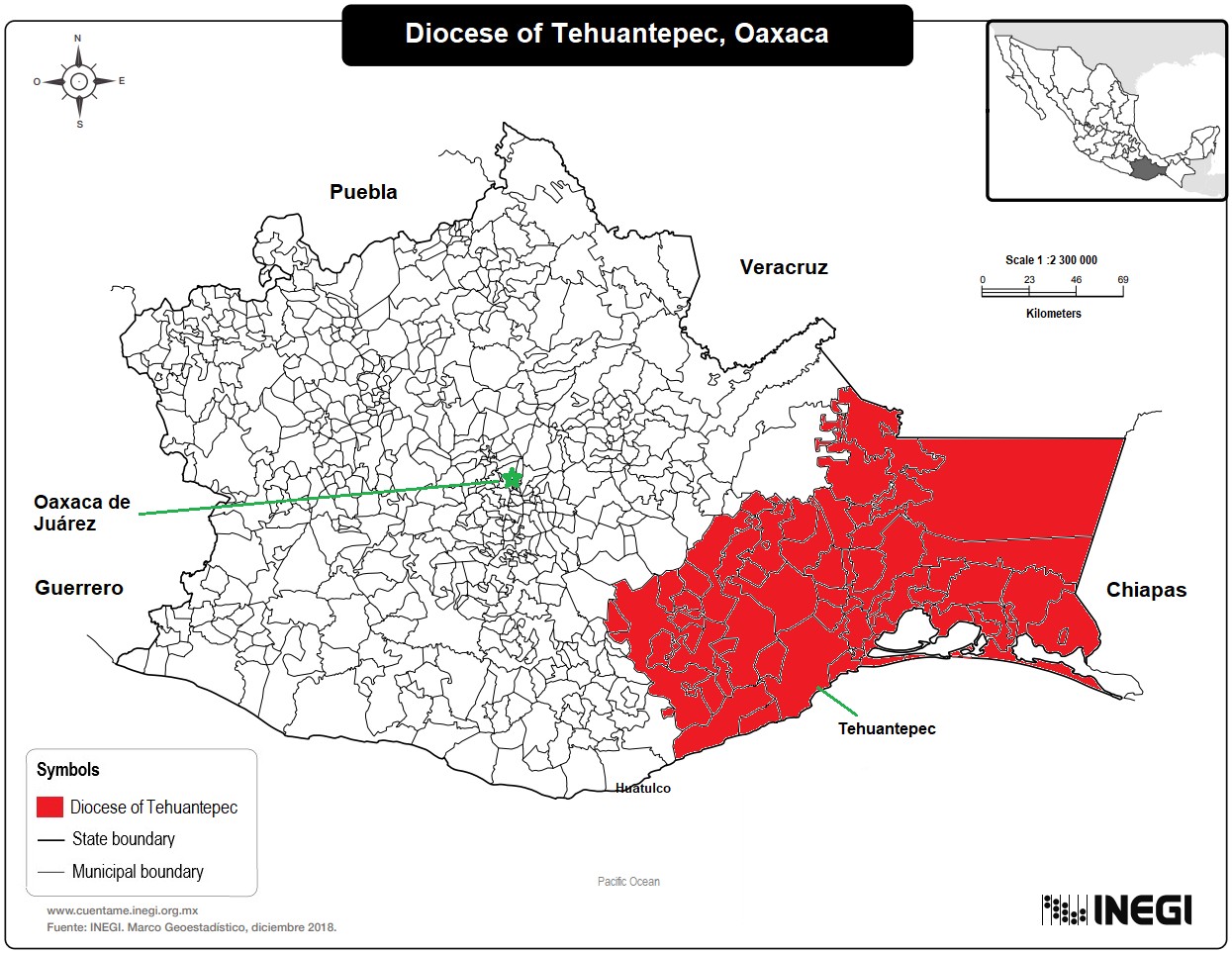
To offer a glimpse of what happens, abuse wise, in that region of Mexico, this series has been forced to heavily redact and anonymize a document sent by priests in the diocese of Tehuantepec, not the only one in the region, but the eldest of the Catholic dioceses in the regions shaping the Isthmus, to the North, in Veracruz and to the South in Oaxaca.
If last week it was necessary to protect one single survivor of adult clergy sexual abuse in Mexico City, this time around it is necessary to redact the full names of persons and towns in the diocese of Tehuantepec, to prevent potential acts of violence against them and the victims of other clergymen there.
English Edition
Adult males abuse: the hardest story to tell
As with the piece from Mexico City, linked after this paragraph, it is not about protecting the predators, but about protecting the identities of the many people whose lives are somehow connected and, up to a certain extent, dependent on what the Catholic Church, its dioceses and orders, do in this region of Mexico.
Had Los Angeles Press published in all its brutality the pages a group of priests in that region send us to warn about what happens in the diocese of Tehuantepec, Oaxaca, their lives, and some of the victims’ whose stories are barely described here, would be irremediably at risk.
Tehuantepec has been a diocese for over 130 years now. Already in 1891, when Leo XIII decided to separate it from what is now the archdiocese of Oaxaca, emerged as a diocese, never a prelature, nor any other designation used for special jurisdictions within the Catholic Church.
When Paul VI restructured the Roman Curia in 1967 with the creation of what is now the Dicastery for the Bishops (1967), Tehuantepec already was under the authority of that Vatican entity. Even if there are religious orders in that diocese, they are subject primarily to the bishop’s authority. Whatever happens there it is the bishop’s duty to probe and fix.
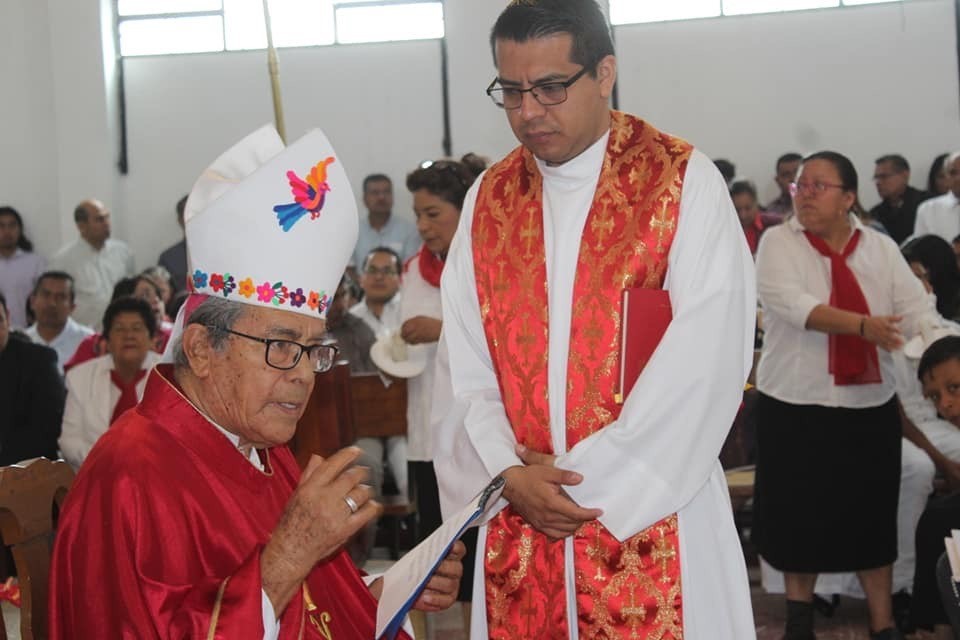
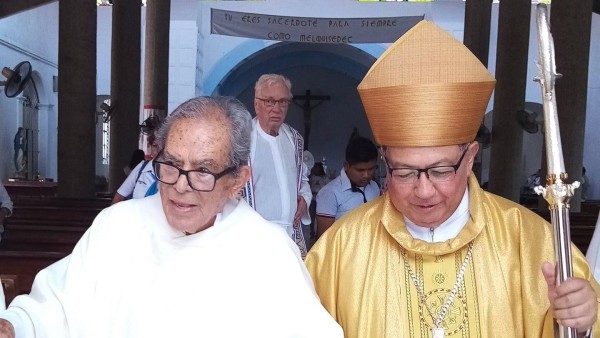
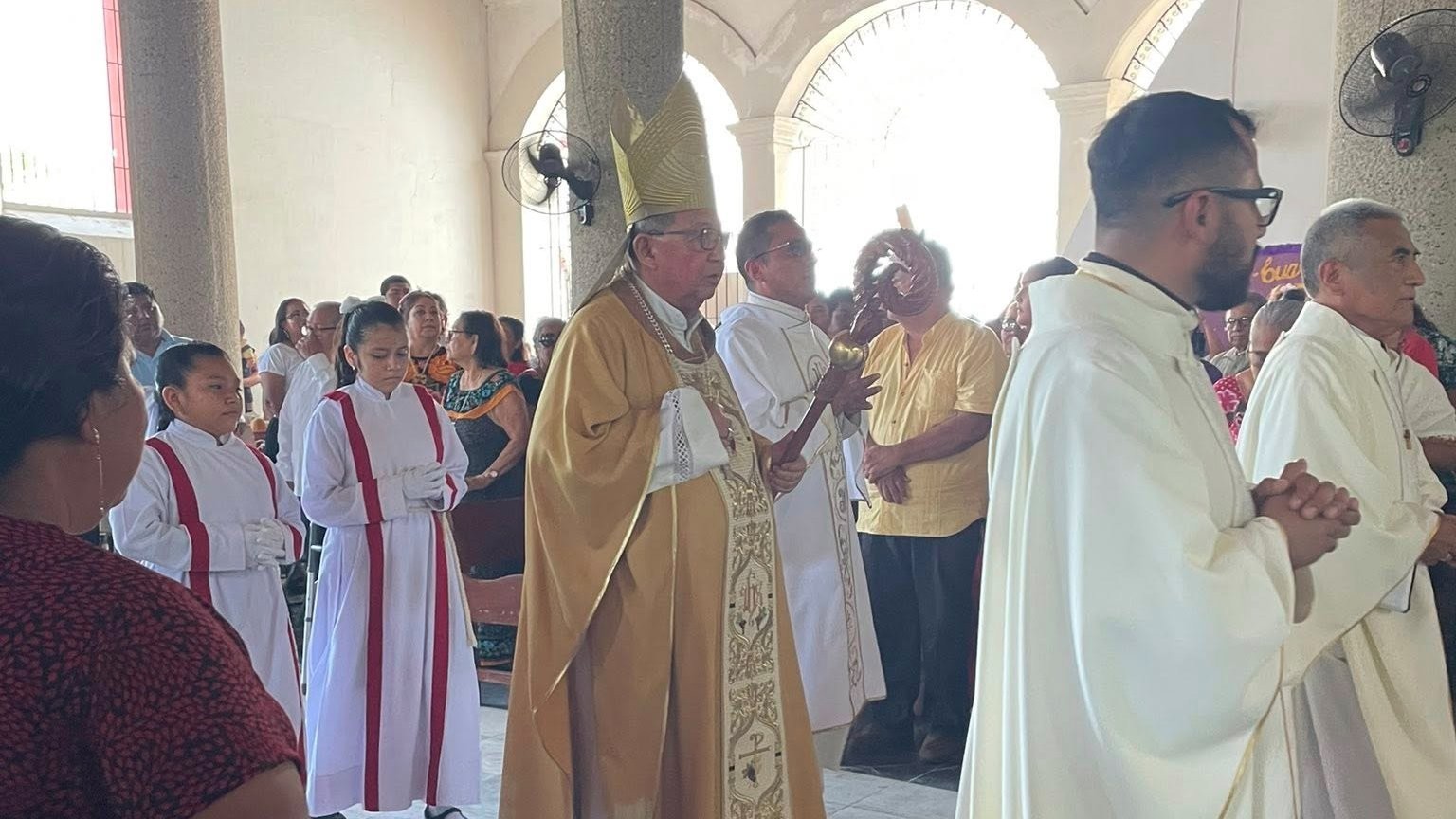
Nothing of what today’s piece tells as a story is new or unknown to the current bishop of Tehuantepec. The priests, as it is usual in most Catholic dioceses, regularly send information to bishop Crispín Ojeda Márquez. It is just that he has had other priorities.
A former auxiliary of now emeritus archbishop of Mexico, Cardinal Norberto Rivera Carrera, Ojeda saw his former superior becoming one of Marcial Maciel’s staunchest advocates back in the 1990s. One should not be surprised if after learning how to be a bishop under Rivera Carrera’s wing, he enjoys the low-responsibility, low-accountability attitude that negatively shapes public life in Oaxaca,
Newsmaker
There was a time when the voice of the bishop of Tehuantepec was a matter of national news. Even after becoming emeritus, Arturo Lona Reyes was always a newsmaker; sharp-tongued, able to reveal the many contradictions of local and state politicians in Oaxaca, he was always willing to offer some support to human rights and environmentalist groups, even when such groups were not Catholic or Christian.
He was a bishop willing to speak truth to power. Willing to exercise his office in parrhesia, “telling the truth.” He was willing to perform the prophetic aspect of the office of bishop. His sources included leaders of social movements who regularly offered him information few of his colleagues in the Mexican Conference of Catholic Bishops ever had.
Sadly, Lona Reyes also allowed the difficulties of running his diocese turn against him, setting the stage for what happens now there. As many other bishops all over Latin America, he was more than willing to receive priests, from religious orders or other dioceses, with records marred by sexual abuse. In that regard, even if his voice was willing to support victims of other crimes, he followed the Catholic Church’s standard operating procedure when dealing with clergy sexual abuse.
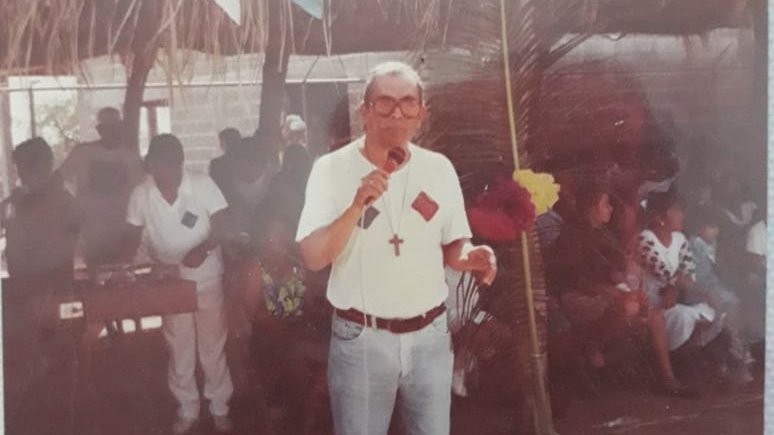
It would be impossible to go over his tenure as bishop of Tehuantepec, but even if he stands out when compared with other bishops in that diocese and elsewhere in Mexico and Latin America, he—as many other “progressive” and “conservative” bishops in the region—turned the blind eye to early warnings and let some of the orders managing parishes there use them as dumping grounds for clergymen with troubled records, as happened before and after his term (1971-2000).
One only needs to go back to his immediate predecessor, José de Jesús Clemente Alba Palacios who resigned his position back in 1970, when he was only 60 years old. Pope Paul VI appointed him auxiliary of the archdiocese of Oaxaca, a strange move for a Catholic bishop. Per the standard Vatican operating procedure, no explanation was ever given about the reasons for what, for practical purposes was a demotion.
What matters is that many communities in the Isthmus, despite its status as other towns and villages all over Mexico as picture-perfect displays for folklore and the nationalist discourse, now once again fashionable in Mexico, are also silent stages for clergy sexual abuse.
Beneath the surface of natural beauty, friendliness, and the seemingly endless ability to invent new culinary masterpieces, there is a world ravaged by violence, machismo, distrust, interpersonal and institutional, and many varieties of institutional violence.

One overall assumption of this series has been that, as bad as the Catholic Church’s institutional behavior is, there are differences when comparing what happens in different countries. In one exercise, this series compared El Paso, Texas with Ciudad Juárez, Chihuahua, twin cities if there ever was, linked before this paragraph.
It also compared what has happened abuse wise in the Catholic dioceses of California, in the United States, linked after this paragraph, with the deafening silence coming from the dioceses in the Mexican Baja Californias, linked further down.
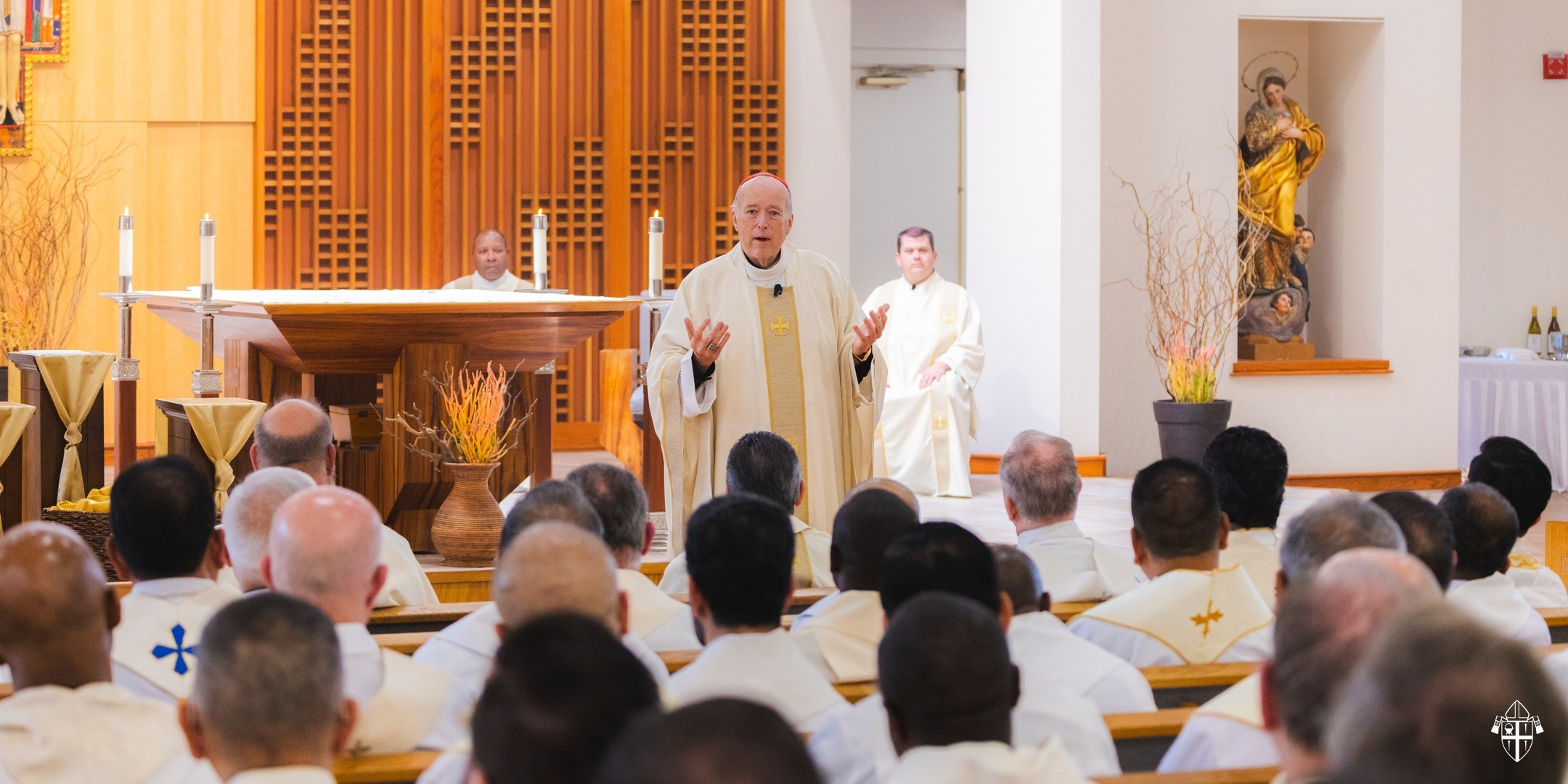
What emerged from those comparisons is that what changes is not the doctrine or even how the leadership is selected. In both Mexico and the United States, Rome follows its own protocols. What changes is the institutional setting in which the Catholic Church is forced to act.
While in Texas and California, the Catholic Church must adhere to sets of principles shaped by the more proactive police departments, district and state attorneys, and in the cases of California and New York by very proactive state legislatures, none of that exists in Chihuahua or the Mexican Baja Californias.

English Edition
Baja California and the clergy sexual abuse crisis
While Texan and Californian Catholic bishops must walk a straight line when dealing with clergy sexual abuse, bishops in Chihuahua, the Baja Californias or Oaxaca, for the purposes of today’s story, can do as they please.
So much that one of Mexico’s worst clergy sexual abuse cases on record, one of the very few in which the authorities were forced to intervene, comes from Oaxaca, not the diocese of Tehuantepec, but the archdiocese in the state capital, where Mexican filmmaker Santiago Mohar Volkow documented the systematic abuse of boys whose families from marginalized First Nations, blindly trusted in who is now, according to Mexican penal law, a serial rapist. Mohar Volkow’s documentary is available over YouTube after this paragraph.
Audio available only in Spanish. English-language captions over YouTube’s Control Panel.
And if that was happening in the “more mature” archdiocese of Oaxaca, an entity born when Mexico was still New Spain and part of the Spanish Empire, one only needs to imagine what happens in the isolated villages of the Sierra Madre del Sur and the Isthmus of Tehuantepec belonging to the eponymous diocese.
Under the cover of the Church
Whatever happens in Tehuantepec, the diocese managed by the former auxiliary of Mexico City, Crispín Ojeda Márquez, who, at 74, has one year to figure out what will be his legacy in the diocese he leads since 2018, is not happening in a vacuum.
It happens within the broader contexts of the inability of the Catholic Church globally and in Mexico to figure out a way out of the clergy sexual abuse crisis, and within the context of extreme violence and weak institutional design in Tehuantepec and Oaxaca at large.
What follows is a redacted version of a document voluntarily sent to Los Angeles Press by a group of priests serving in the diocese of Tehuantepec, after years of waiting for some intervention from their bishop.
They describe what other members of the Catholic Church have witnessed elsewhere: the devastating effects of clergy sexual abuse. How it maims their church’s ability to perform its most basic activities.
The priests come forward, publicly, to reaffirm concerns they have already raised repeatedly to bishop Crispín Ojeda through the Catholic Church’s official channels.
The document oscillates from a very detailed report from the field, with names and dates of what has happened for the last 60 years or so in the diocese of Tehuantepec to paragraphs filed with anxiety over the future of their Church in a world rejecting the notion that victims of sexual abuse, clergy or otherwise, should keep quiet.
They trace one of the sources of the abuse crisis. The fact that, at least on paper, the Catholic Church adheres to a rigid sexual moral that does not stand the test of reality, much less in isolated and marginalized communities in the Mexican tropics.
“It is true that for a Catholic priest to reach ordination, he passes through several filtering processes during formation, but that does not mean everyone is mentally healthy or that they assimilate their ethical commitments and religious vows into practice and life.
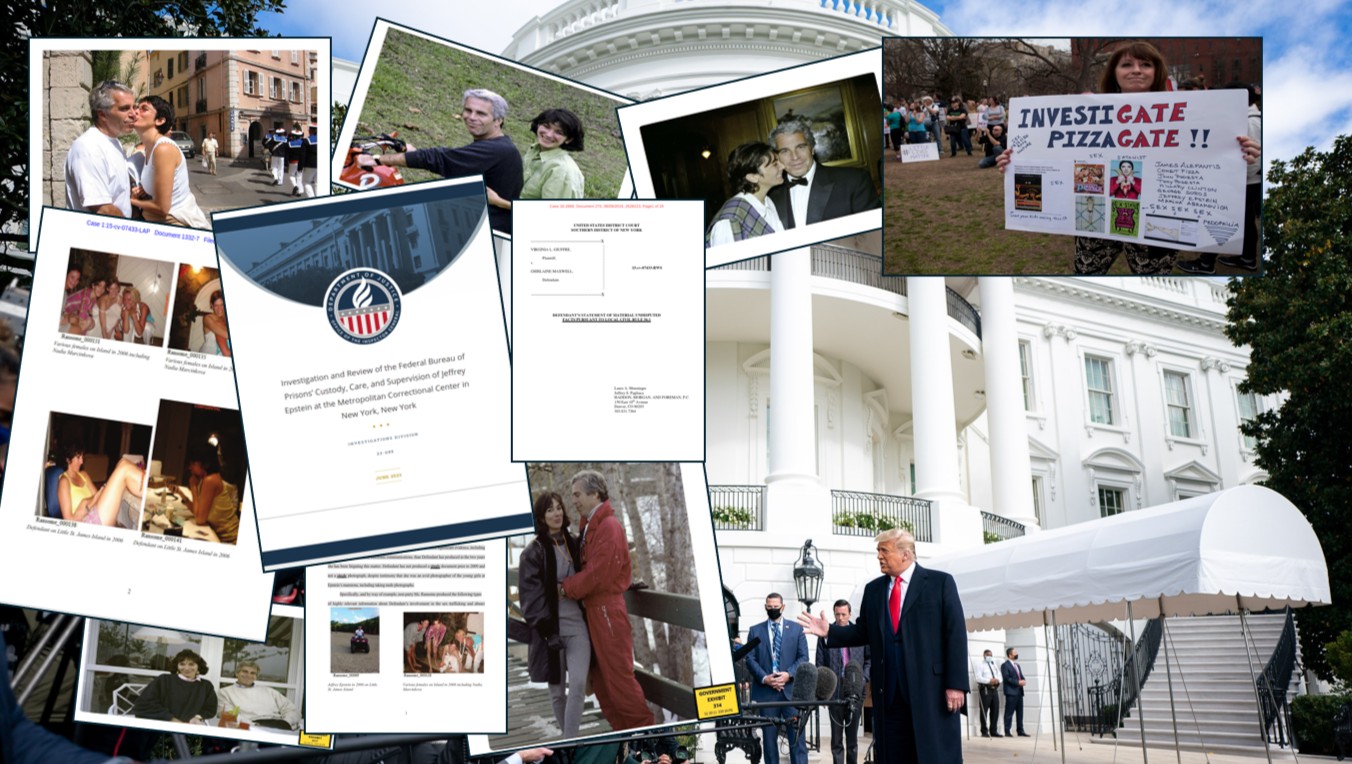
“Even if the world is now watching the effects of the global oil crisis and how the Pandora’s box of the Epstein case revealed a global sex trafficking network involving powerful figures who, at some point in their lives, promised to uphold and enforce the law: to protect minors and work for justice, it is impossible to dismiss other cases.
“Sexual abuse forces us to question our own understanding of humanity and what we want from this world; it seems the only way is to have power, to act with impunity, even against the very principles one once swore to protect and uphold.”
At this point the document offers specific details of an order with a known record of abuse stretching from the cold tundra of Canada to the warm Amazonia.
“This is the case of many members of a religious order with a long record in the Isthmus of Tehuantepec who, under the shadow of the Catholic Church, commit crimes: they rape boys and girls, abuse their power to control vulnerable women, waste their lives intoxicated with alcohol, while living as princes of the Church—untouchable because they “have money” and “know people in the right places.”
“Others, following the path of ‘honesty, fidelity, and love for the Church,’ avoid scandal in a healthy way; they resign their ministry while upholding their principles.”
The document cites the cases of bishops, superiors and priests leaving the ministry because they found love, as in the case of Argentine Jerónimo Podestá who, by the end of the 1960s, fell in love and resigned his position at Avellaneda, to be able to marry a female who used to be his secretary.
His "scandal" resulted in him being erased from the official narrative of the Catholic Church in Latin America and Argentina. Likewise, other bishops, priests and seminarians, after having professed vows, leave the ministry for various reasons.
The document highlights how such decision “usually brings harsh consequences: doors that used to be opened close, uncomfortable silences, and hypocritical rejection from those who once called themselves ‘brothers.’”
Collective secrets
At that point the document goes over the place of the clergy sexual abuse crisis in the context of the broader crisis of sexual abuse uncovered by the Epstein files.
It stresses how, even if only a handful of clerics would have been able to compete with Epstein and his many mansions, ranches and islands, more than one superior of religious order, priests, and even bishops, “take advantage of their temporal power, they abuse the trust the faithful have in them, to commit misdeeds and crimes, sheltered in the impunity of the congregation, the diocese or the Catholic Church—an institution with great symbolic power that, far from protecting, helping and repairing the damage done to the victims, protects the predators.”
English Edition
Epstein case: lessons from the financier‘s 225 victims
From there, it goes into specific cases known in the Isthmus of Tehuantepec, with very specific references to priests who have abused power from the pulpit under the shield provided by the diocese and/or missionary or teaching congregations operating there. It stresses how these cases are some sort of “collective secret,” a “vox populi” for many decades now.
There is the case of a former pastor at the San Pedro Mártir Quiechapa parish; in the name of “charity” and “aid” to study for high school, he raped young males from the community. This has left open wounds in the minds of these young people, who are now adults. One of those young men was sent to a seminary in the United States to “save him from being pointed out in Mexico; he (redacted name) is now a priest, residing in Texas.”
As a pattern that keeps repeating itself, he is now in what is, in the eyes of the Catholic Church, an “irregular relationship” with another male. If the Catholic Church was willing to enforce his rules, the ones enacted by Benedict XVI in 2005, he should be dismissed from the priesthood and expelled from religious life.
Far from acknowledging the reality of sexual behavior, not limited to reproduction, but intimately linked to other aspects of private and public life, the Catholic Church selectively enforces its rules in some cases, while dismissing them in others. It is that or the set of rules is one when talking in public, but other when deciding this issues in closed sessions at the Dicastery for the Doctrine of the Faith.
Gaslighting the victims
“There is the case of a priest (name redacted) who, who back in the late 1990s, kidnapped a boy from the Chontal First Nation”. Similarly, there is talk of his sexual preference and how he used to abuse young men in formation who were forced to have sexual relations when he held the position of professor at the seminary of a religious order in Puebla. Despite the many complaints, his superiors sided always with him, while dismissing or gaslighting his victims”.
Another emblematic case is that of a priest, known for his addiction problems, he was admitted repeatedly at the Alberione House near Guadalajara, trying to deal with his dependence on alcohol and drugs. He was forced out of the parish where he served in the Isthmus after crashing his car while under the influence at a town in the Isthmus.
The Alberione House, by the way, was a response from the Mexican Catholic Church to some of the symptoms of the clergy sexual abuse crisis. However, it operated in a grey zone not only for the purposes of the Catholic Church as such, but also as far as the health authorities in the Mexican state of Jalisco that, back in 2016, shut it down in the midst of a scandal.
More so, as the first public notice of its existence came from now emeritus archbishop of Guadalajara, Juan Sandoval Íñiguez, who accepted its very existence only to be denied by the state’s authority, despite the fact there is evidence of the Alberione House receiving funds from the government of Jalisco.
At the time, the priest who had attended the Alberione House was in the company of a married woman in the early hours of the morning; so intoxicated, he was unable to drive. It was up to the faithful to rescue him from the authorities. “His brothers in his order spared him even the semblance of a disciplinary measure at either the diocese or his order, as he was elected superior of his order, where he was able to give free rein to his impulses.”
Of course, none of this is openly talked in the sole medium the diocese keeps to communicate with the public, a personal Facebook page that every now and then publishes some video, available here. An unofficial page used to operate as “Friends of the diocese of Tehuantepec,” but that profile has not published a single story or post since 2018. In that respect the level of detail offered by the document could have never been achieved by going over the local media.
Then continues: “there is the case of another priest (name redated), who kept his sentimental partner, named (redacted), in the very same provincial house, claiming a family relationship with the young man. Currently, he is the headmaster of a Catholic school in Cuajimalpa, Mexico City. There he has made a name for himself for molesting the students he takes for missionary trips during Easter to the parishes managed by his order in poor and marginalized municipalities in Southern Mexico.
And here is where the need to anonymize the data is more pressing, as the victim is still at risk. The document provides name and details of yet another priest who many see as the culprit in the abuse of a nun from the Congregation of (redacted). She went as far as to report the situation, including a forced pregnancy.
Geographic solution, again
Far from being heard, she was punished, expelled from the religious order, and discredited, while the priest got himself a one-way ticket to Rome in yet another iteration of the “geographic solution.”
Los Angeles Press offered a detailed subseries of a similar case of a Mexican nun in the state of Chiapas, also in Southern Mexico. It evolved into a bilingual book you can download in the story linked after this paragraph.

“Other known cases in the region include a priest (name redacted), accused of rape and having a child with a parishioner in a similarly isolated community in Guerrero. If that was not enough to grab bishop Crispín Ojeda’s attention there is yet another priest (name redacted), who kept a female he identifies as “his lover,” a vulnerable person, as a secretary and abused her, diverting money to support his children as to avoid further scandal.”
And despite the many “filters” during the seminary, there is the case of yet another priest (name redacted) who was “caught” twice by his superiors before ordination. He was able to talk his way out of trouble and into his ordination ceremony while eventually developing an alcohol addiction.
In a similar situation there are at least other two priests who, despite the Church’s official position regarding same sex relations, remain in ministry, one of them even as a superior in his order.
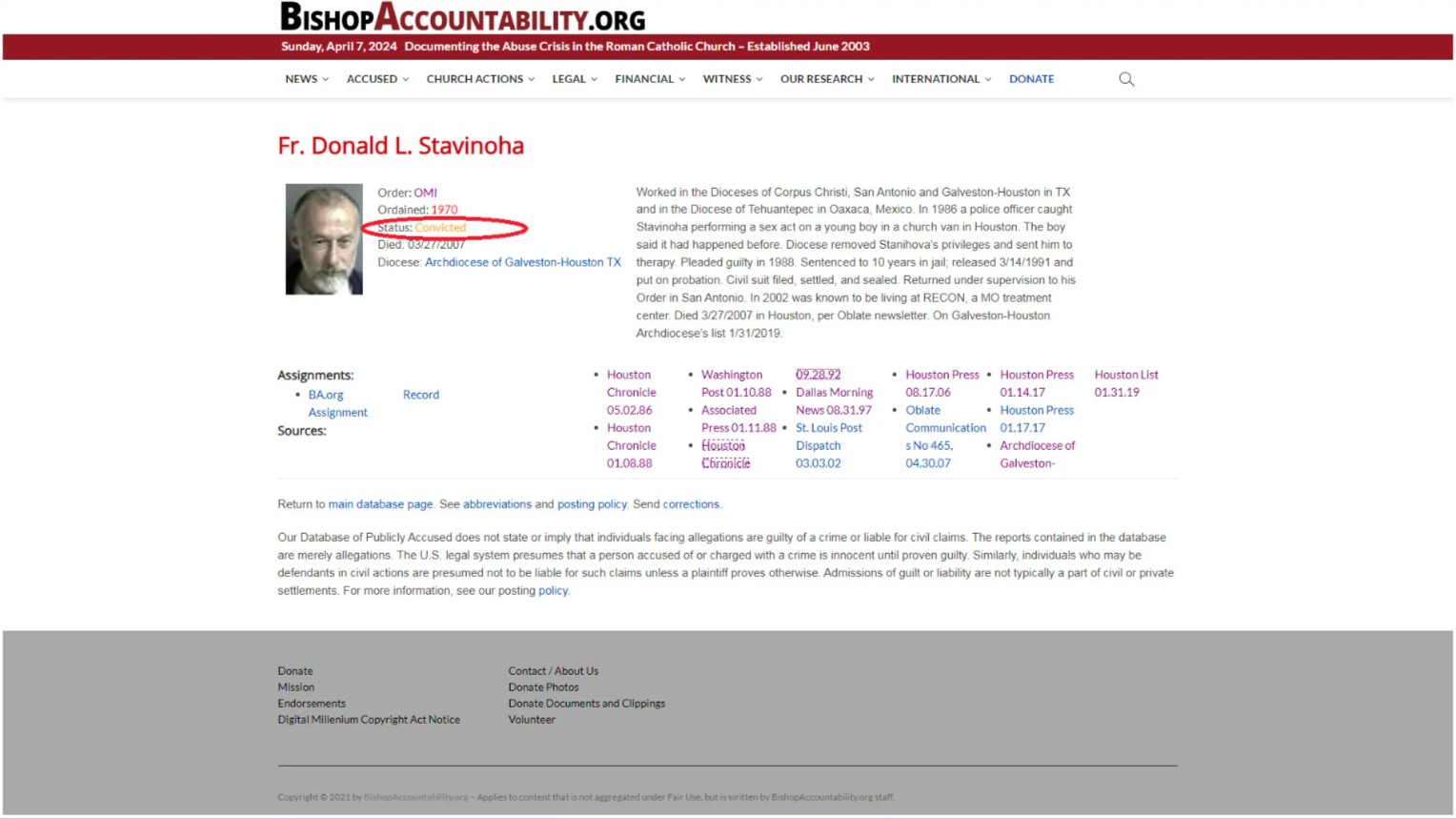
The priests’ document goes into one of the darkest moments in the history of the diocese of Tehuantepec, when back in 1967, with Alba Palacios as the bishop there recalls Donald L. Stavinoha a Texan priest who died in 2007, after being convicted on charges of sexual abuse in 1988, although the Texas authorities released him in 1991, only three years after his trial. Despite his record was already known in the late 1960s, he was received in the Isthmus, where he was finally caught abusing of a boy.
The story linked after this paragraph goes into more details about the situation in the diocese of Tehuantepec.

Who follows the rules?
Finally, there is the most dangerous case. The one forcing the anonymization of an entire community. In that parish, the pastor lives in a relation with a female while pretending that Crispín Ojeda, his order, the archdiocese of Oaxaca, and Rome itself are at ease with that.
Putting aside the fact that over previous installments this series has suggested the need to support Pope Francis’s idea of allowing for the ordination of married males, the so-called viri probati, the “tested males,” the fact is that if one follows the existing rules of the Catholic Church the situation of this pastor is, so say the least, “irregular” and potentially the source to more violence in the community, because he is far from acknowledging what is “vox populi” in a small town of less than ten thousand inhabitants.
If that was not enough, another cleric, working in the same parish, lives in a similar situation of pretended normalcy while, at least nominally, adhering to Catholic doctrine.
And here is the reason for concern. These clerics, the priest and his associate are not independently wealthy. To sustain their current status and positions, they fully depend on what, highly marginalized communities are able to offer as tithe or the payment for specific religious services. Their whole livelihood depends on a pretense of normalcy that, when threatened by laypersons unwilling to play along, leads to threats, veiled or open, in a region already marred by endemic violence.
At this point the document sent to Los Angeles Press moves from facts to a robust pastoral and theological criticism of the Catholic Church and the effects that the house of cards that is Catholic doctrine on sexuality is:
“That is why the question remains uncomfortable but necessary: what is more honest? To have the courage to accept one’s inability to uphold his vows and leave the ministry, or to remain inside pretending to live a life of holiness?
“The people do not expect perfection from their ministers, but they do deserve truth, coherence, and responsibility.
“Enough already; we are living in times where the atrocities committed by people who abuse their political, economic or spiritual power come to light. Our hope is that by calling attention to these issues the diocese does justice, that is the only way for the Church to actually help to let justice and peace kiss each other.”
Previous warnings
Until here what is safe to publish without endangering the sources or victims. It is hard to believe that Los Angeles Press is revealing these issues to Crispín Ojeda. We are only uncovering the fact that he knew about these issues and he has let them become what they are now: ticking bombs.
Two years ago, Los Angeles Press sounded the alarms when he was about to officialize his decision to receive in Mexico Paraguayan priest, who has standing accusations of clergy sexual abuse in his country, Rafael Fleitas López. Sadly, as it happens in Mexico, the Paraguayan authorities dismissed the victims’ voices.

The fact that this time around it has been a small group of Catholic priests from Tehuantepec who sought to share their concern about their own bishop (mis)handling of the diocese gives, however, some hope.
Not all the priests are willing to cover up for each other, but they are neither state’s attorneys nor bishops able to prosecute other clergy in civil or canonical courts. Their influence is limited and the Catholic Church itself seems to be thorned by many contradictions about the path to deal with the clergy sexual abuse crisis.
At this point, with little less than a year in his term of office it is unavoidable to ask what bishop Crispín Ojeda will do there, but also how the “auscultation” to find his replacement goes. Usually, that is a process that starts little more than a year before the expected resignation of the sitting bishop.
By now, archbishop Joseph Spiteri, the apostolic nuncio to Mexico, should have a short list of potential candidates that he will have to trim to the so-called “terna” usually send to Rome over the coming months after doing the usual consultation in the diocese, its metropolis (the archdiocese of Oaxaca), and with whoever he sees fit to offer some word of wisdom about the future of the diocese.
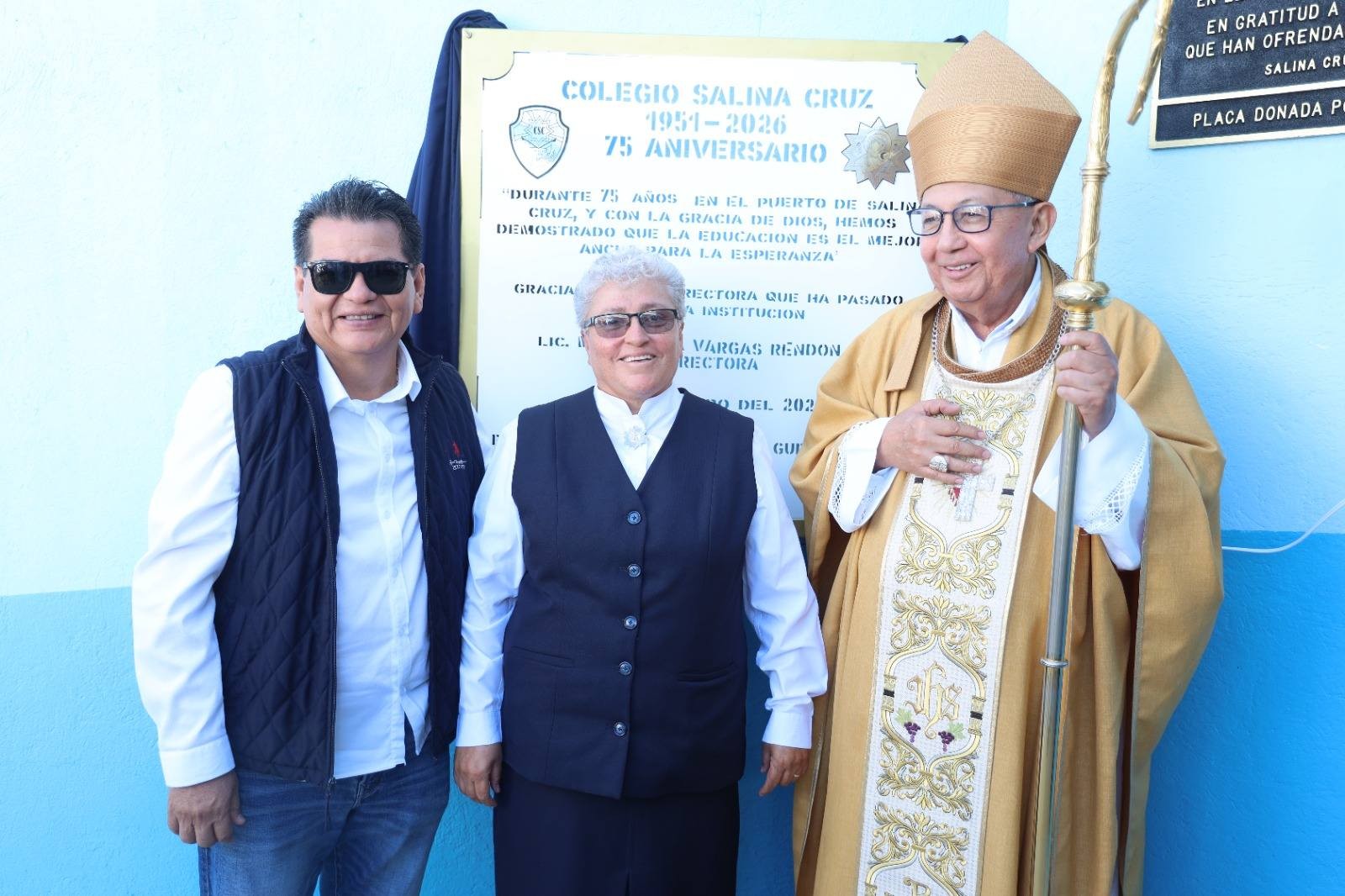
Is he already aware of the ongoing mess at the diocese? One would be willing to guess he is. Sadly, the mess existed already when Ojeda was appointed back in 2018 by then nuncio Franco Coppola. By choosing a former auxiliary of Norberto Rivera, there was little or no expectation, from the get go, of a proactive attitude to deal with sexual abuse, quite the opposite.
In that respect one cannot blame the current state of affairs in Tehuantepec as a one-man-disaster. The neglect, as has been already proven comes at least from the 1960s, when the bishop decided to give second opportunities to priests with known records of abuse elsewhere.
The real question is if Rome will try to find a forward-looking bishop for Tehuantepec. One able to be as prophetic and sharp-tongued when dealing with abuse within the Catholic Church as Arturo Lona used to be, back in the 1980s, when criticizing human rights’ abuses in Oaxaca and elsewhere in Mexico.
In that respect it is unavoidable to notice what a perfect fit has been Crispín Ojeda for a region ravaged by endemic violence, corruption, ill-conceived infrastructure projects, forced to stop operations little more than 2 years after their inauguration, as it happened with the Interoceanic Train.
Broken promises
What happens in the diocese of Tehuantepec is not the Catholic exception in that region of Mexico. It is the norm in a context of weak institutions in Oaxaca and Mexico at large.
To fully understand how priests of Tehuantepec are able to command fear as they do, one must not look at Catholic doctrine, as there is nothing there to support their predatory behavior. One must look at the many broken promises of the Mexican political elite unable to deliver its offers of accelerated development and shortcuts to end poverty and injustice.
The consequence of such broken promises is what Mexicans describe as “pharaonic projects” that not only fall short of their promises, but often come with a myriad of unintended consequences that backfire, keeping alive and even worsening distrust in institutions, violence and corruption.
The many broken promises have engendered deeply seated distrust in institutions, more so for those dealing with issues of justice and human rights. According to ENVIPE 2025, a regularly scheduled, yearly, national, large-size sample compiled by the Mexican Statistics authority, INEGI, the “perception of insecurity” in Oaxaca has been above 70 percent for the last 13 years (see page 30 of the PDF file available here in Spanish at INEGI’s website).
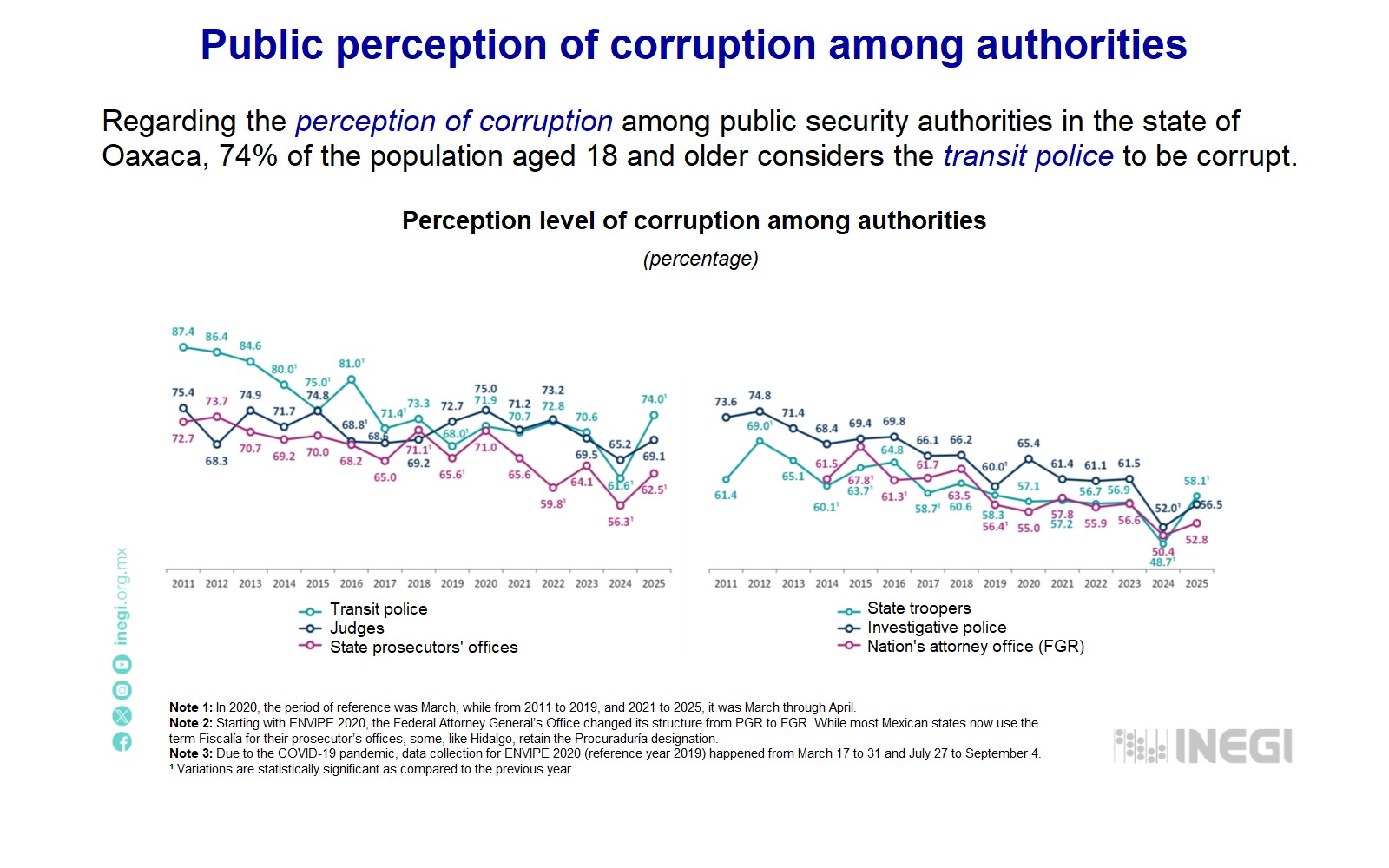
And even worse, the perception of corruption of the State troopers, transit police, judges, state prosecutors’ offices and the very office of the Nation’s Attorney, has been above 56 percent any time in the last 15 years, since the polls series begun in 2011 (see page 42 of the same document).
Per the same source, available here (only in Spanish) at INEGI’s website, Oaxaca at large is nowadays a state ravaged by threats, extorsions, kidnappings and murders.
It is not hard to find the reasons for distrust. One just needs to look at what happened back in December 2025 at Nizanda, a town within the diocese of Tehuantepec territory, with the derailment of the “Interoceanic Train” (Tren Interoceánico), one of Andrés Manuel López Obrador’s flagship projects that, caused the death of at least 14 persons.
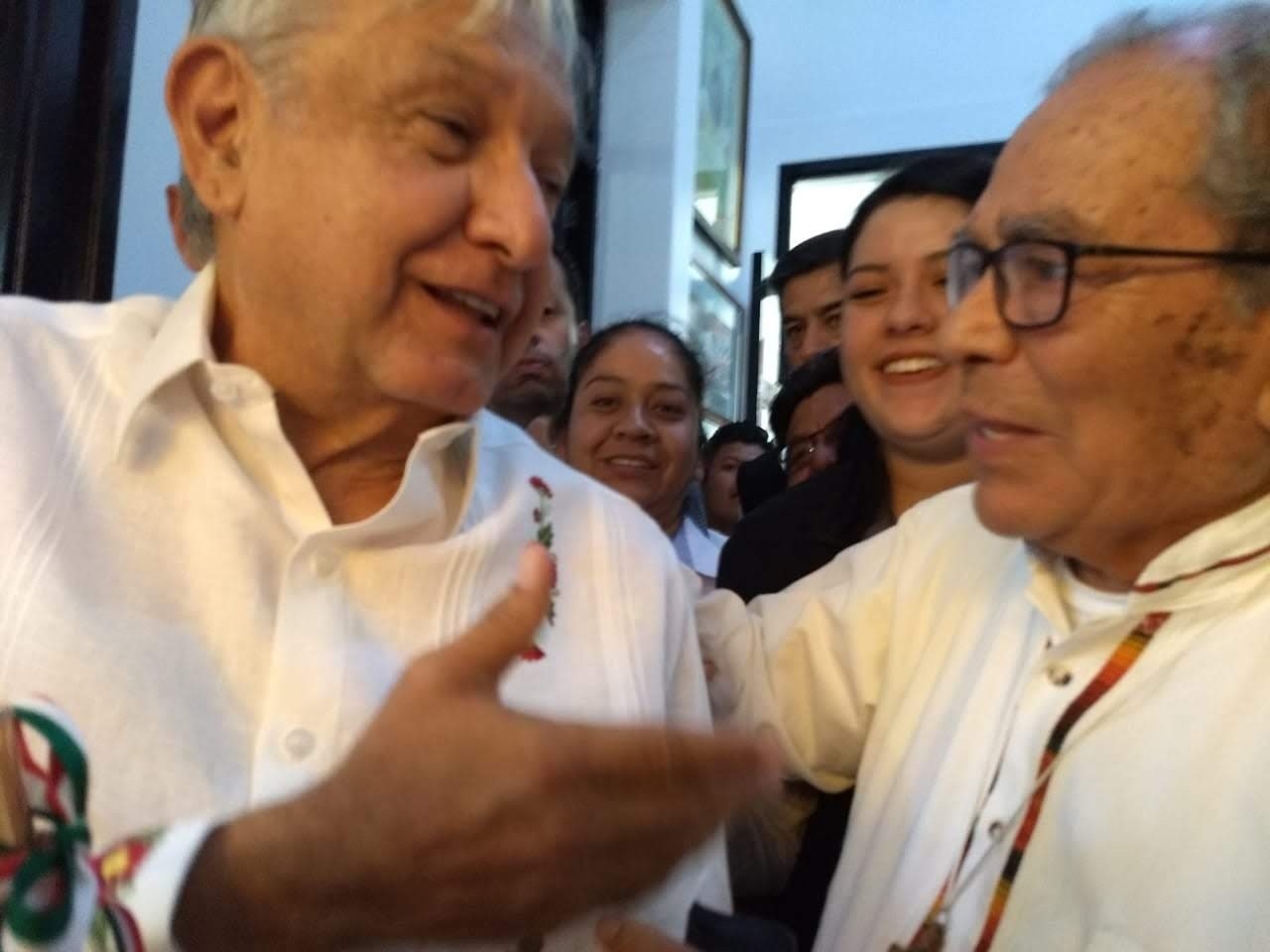
Three months after the derailment, even if the current federal government has done its best to appease the victims and their relatives, there is no official report on what happened and, oddly enough, Claudia Sheinbaum proclaimed that when the train goes back to service, it will have “international certifications,” something one would guess was necessary to have before the inauguration of the service in December 2023.
In that respect, the train crisscrossing the Isthmus is already one more specimen in the catalog of broken promises fueling distrust in institutions and governments and Mexican public life at large, more so when one reads in the Mexican local news about the train’s motorist having no license to operate such machinery in the taxing hills and slopes of the Sierra Madre.
No pause
And the Catholic Church offers no remedy or pause. Even if these days the Mexican bishops frequently call out the government’s broken promises when dealing with violence, they have been unwilling to even comply with the rather light tasks set by late Pope Francis when he called the dioceses of his church to at least set a commission to prevent clergy sexual abuse.
Despite their alleged obedience to the first Latin American Pope, as of October 2025, less than six in each ten Mexican dioceses, 54 percent, are in compliance, so it is clear they are in no rush to set an example for other Latin American dioceses or to other Mexican institutions, as the story linked after this paragraph proves.

English Edition
The 2025 Catholic report on clergy sexual abuse
Sadly, they are under no pressure. When talking about sexual abuse in Oaxaca, one must keep in mind that it happens not only in Catholic or religious circles.
Within or in close proximity to the diocese of Tehuantepec, a system of public colleges, inspired by the experiences of University of California or State University of New York, the so-called SUNEO, remains a thorn on the lives of females who are either former professors or students there, who despite the overwhelming evidence of abuse in the classrooms and offices were either fired or dismissed.

México violento
Abuso sexual e impunidad en las universidades de Oaxaca
The story linked before this paragraph, available only in Spanish, goes over the gut-wrenching experience of Virginia Illescas, a former professor at SUNEO who, unlike French professors offering the same kind of help to their students, was not as lucky as to keep her job after sounding all the alarms as her French colleague did in the story linked after this paragraph, in the section titled “Lagging behind.”
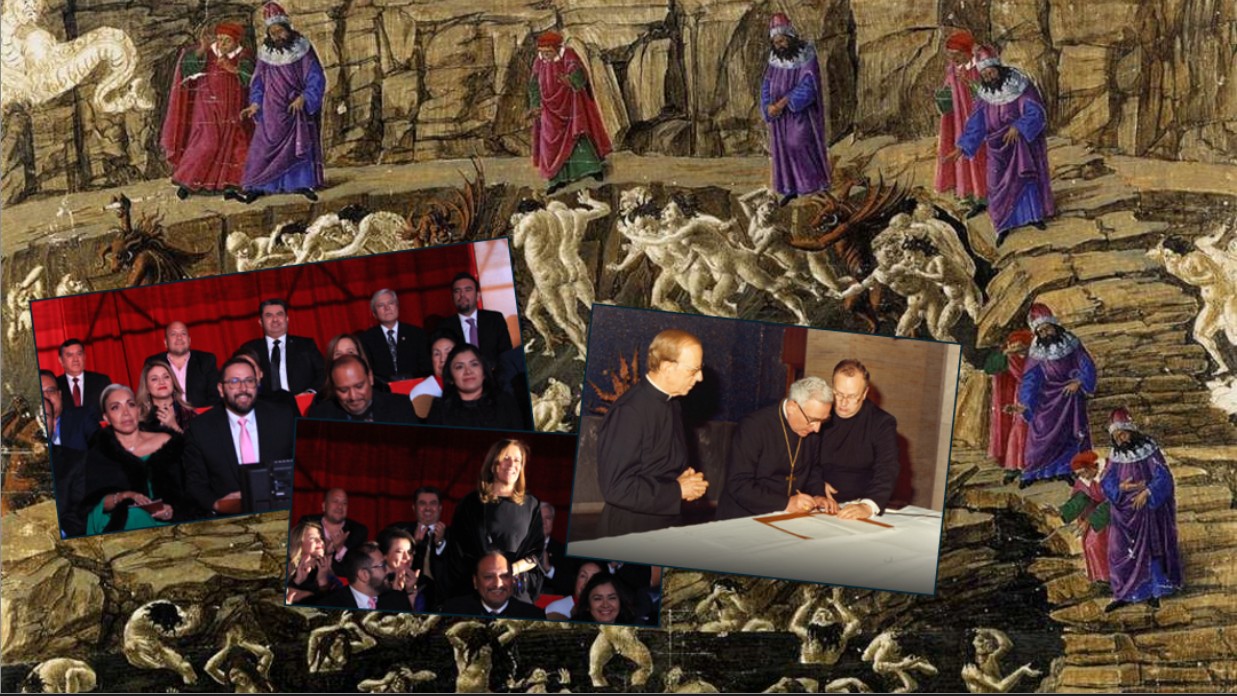
Despite the many promises of renewal brought by the so-called “Fourth Transformation,” as López Obrador calls its political movement is closer to the old Italian story of Il Gattopardo sometimes translated as The Leopard, summarized in the notion of “let’s change everything so nothing ever changes.”
In that regard, the Mexican “Fourth Transformation” follows to an eerie dot the 80-years cycle framework originally developed by William Strauss and Neil Howe, about a “Fourth Turning,” so popular nowadays in U.S. far-right circles.
In Oaxaca nobody embodies the gattopardo-like nature of the Mexican “Fourth Transformation” as Alejandro Murat, the former governor who ruled as member of PRI, the old Partido Revolucionario Institucional, when Illescas first sound the alarm about what was happening at SUNEO.
Murat is the very embodiment of the Mexican “junior,” a “nepo baby” who used to brag about his “neoliberal” and “globalist” credentials, shielded by his status as the son of a former governor of the same state, José Murat.
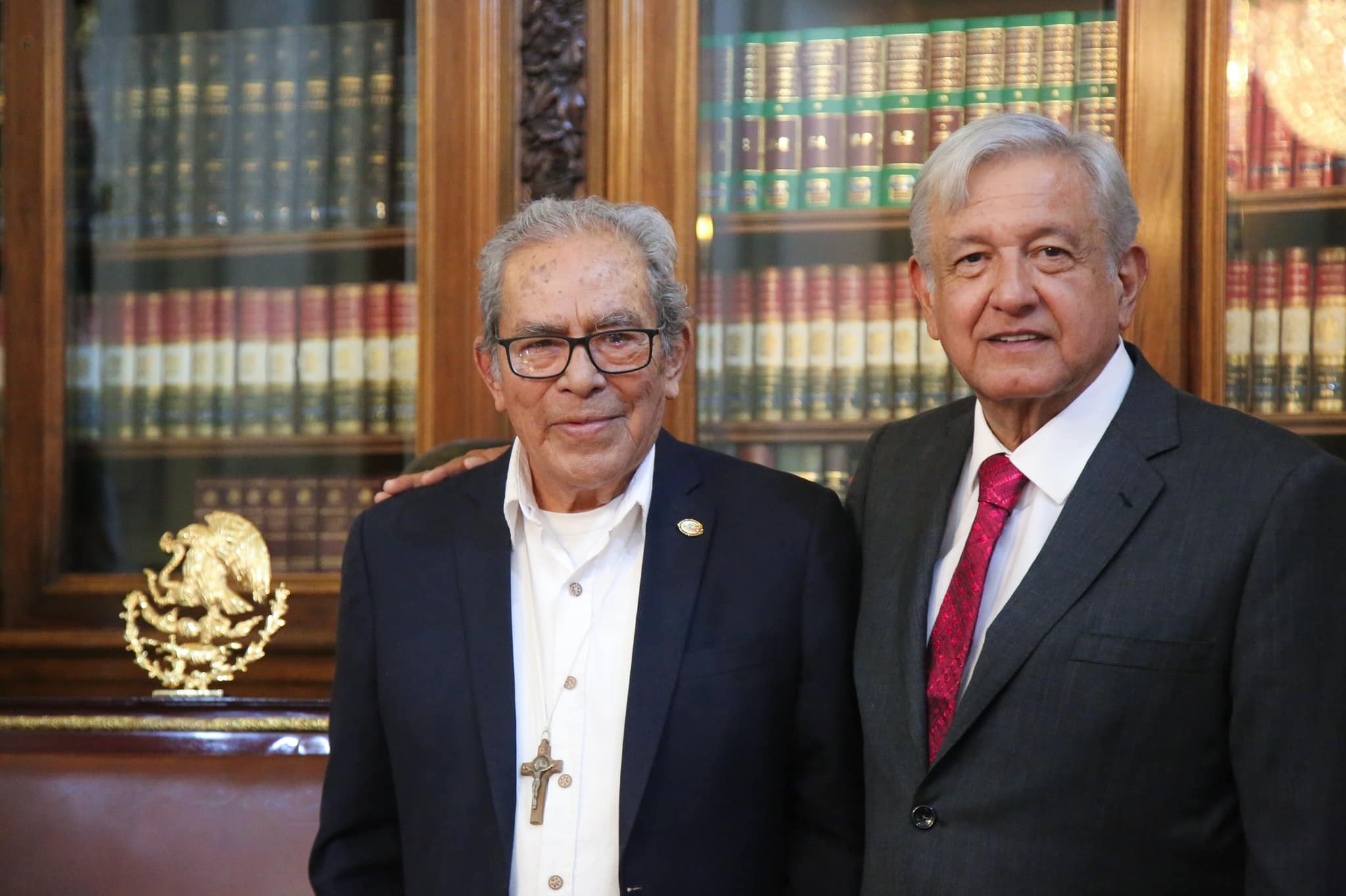
Now the younger Murat is a senator, not as his former self under the banner of PRI, but as member of Morena, the so-called Movement of National Regeneration, part of López Obrador’s political legacy in Mexico.
And it is not only the chameleonic nature of the political elites in the region, but also the fact that these many changes offer no specific solutions to issues affecting Tehuantepec and other regions in Oaxaca and Mexico, such as organized crime related violence.
War-like scenarios
Back in the Aughts, Mexico thought the solution to the issue was to beef up the local police departments and state troopers with military-grade weapons and vehicles and militarized approaches.
However, little more than a month ago, when Mexico was shocked by the war-like operation to capture Nemesio Oseguera, the leader of one of Mexico’s most brutal criminal organizations, the so-called Cartel Jalisco Nueva Generación, the state government in Oaxaca, as many others in the country, felt the need to call their citizens to cancel travel and stay at their houses as the only measure to provide some safety.
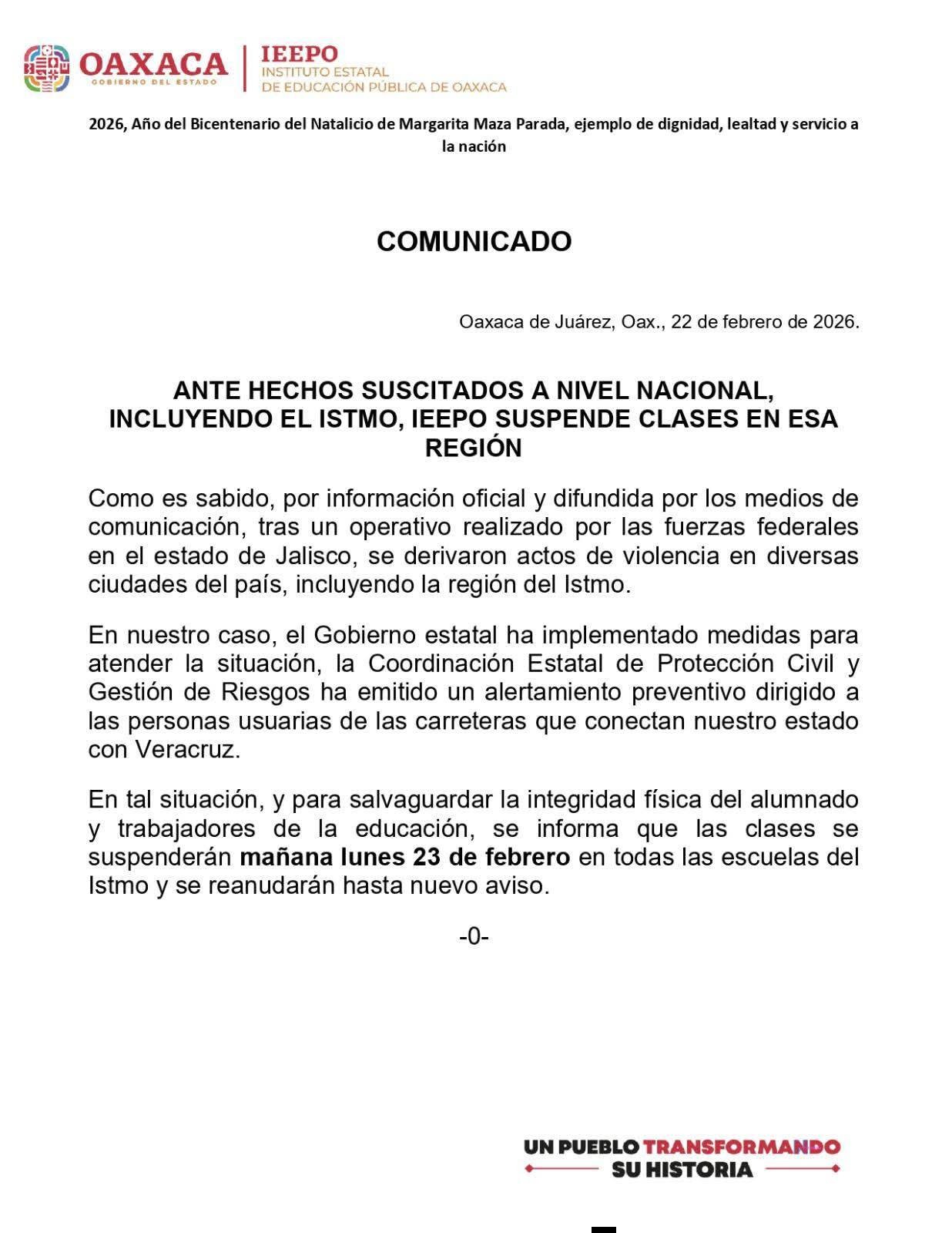
The cards posted as images before and after this paragraph were issued originally in the city of Oaxaca, the state’s capital, and frantically reposted by the Facebook profile pages many Mexican municipalities keep nowadays as their main tool to communicate with their constituency.
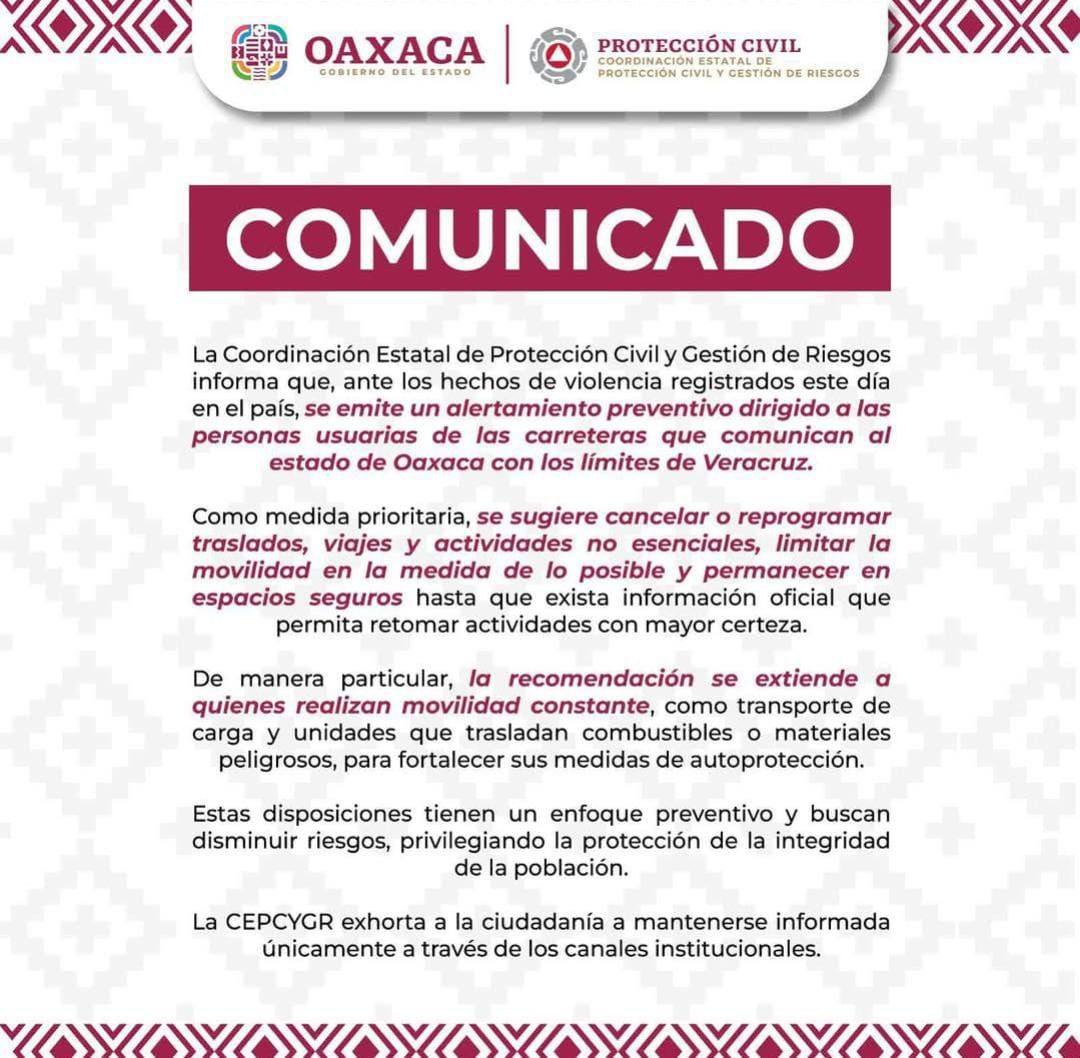
There were reasons to issue such warnings. Despite the many military personnel deployed in Oaxaca, the cartels have both feet firmly in Oaxaca at large and more so in the Isthmus. Chontal municipalities such as Santiago Astata are in the maps of the cartels, and they not only deal in drugs. They actively seek to seize control of the territory by dispossessing small land-owners from their properties.
Moreover, the graph after his paragraph, originally published by TResearch International de México, encapsulates 35 years or so of homicide statistics in Oaxaca. The graph proves how, beneath the façade of being one of Mexico’s prime tourist destinations, with a relatively large community of U.S. and Canadian “expats” living in the nicest and safest areas of the state, Oaxaca is a very violent place.
Even the current Mexican government intent to portray itself as a “bringer of peace,” has a hard time trying to claim victory in Oaxaca, as after the pause brought to the homicide industry by the pandemic, Oaxaca is now in the midst of a rather resilient crimewave netting a total of 932 homicides in 2025.
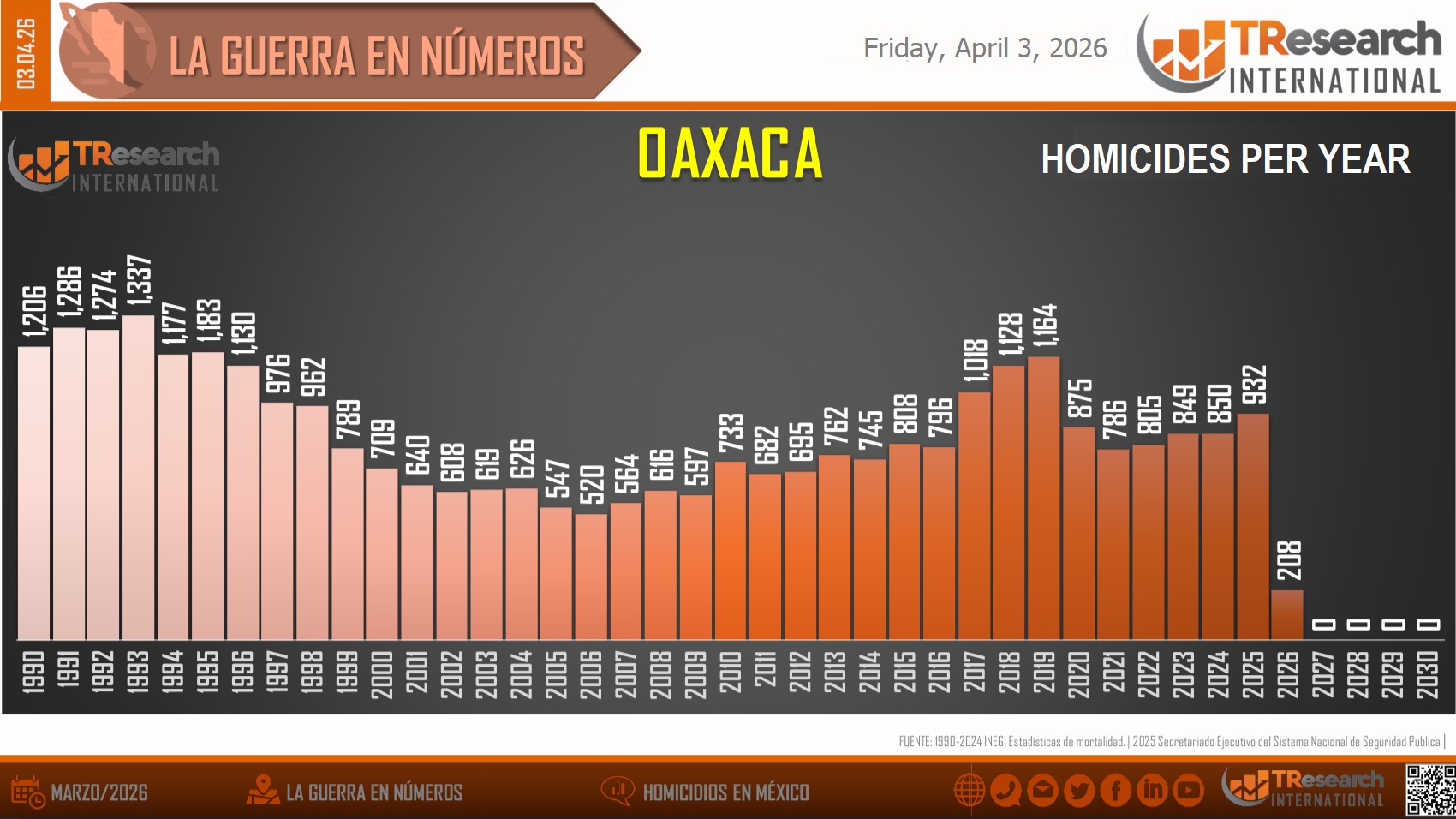
According to the Mexican official data Oaxaca (content in Spanish) has a 20.67 per 100 thousand inhabitants’ rate as of 2024. That is almost tied with Mississippi, the most violent U.S. state sporting a 21.4 homicide rate in CDC’s methodology with 548 murders. The most violent subnational entity in Canada, the Northwest Territories sits seven points below Oaxaca at 13.34.
Anything but peace
Those numbers prove, as it also happened in Yucatán and Quintana Roo, that the Mexican government’s most recent “Train fever,” is anything but peaceful, even if one was willing to forget about the claims made by “tree huggers” such as Greenpeace, and it is really hard to do it, the spikes in violence in the states “benefited” by the Train fever is hard to dismiss.
Los Angeles Press has been publishing a series of pieces documenting the pervasive effects the so-called Tren Maya (Maya Train) has had in Yucatán and Quintana Roo available only in Spanish. One of such pieces, documenting the role of the Mexican electric power firm, Comisión Federal de Electricidad, in spreading violence, including the targeted rape, appears after this paragraph.
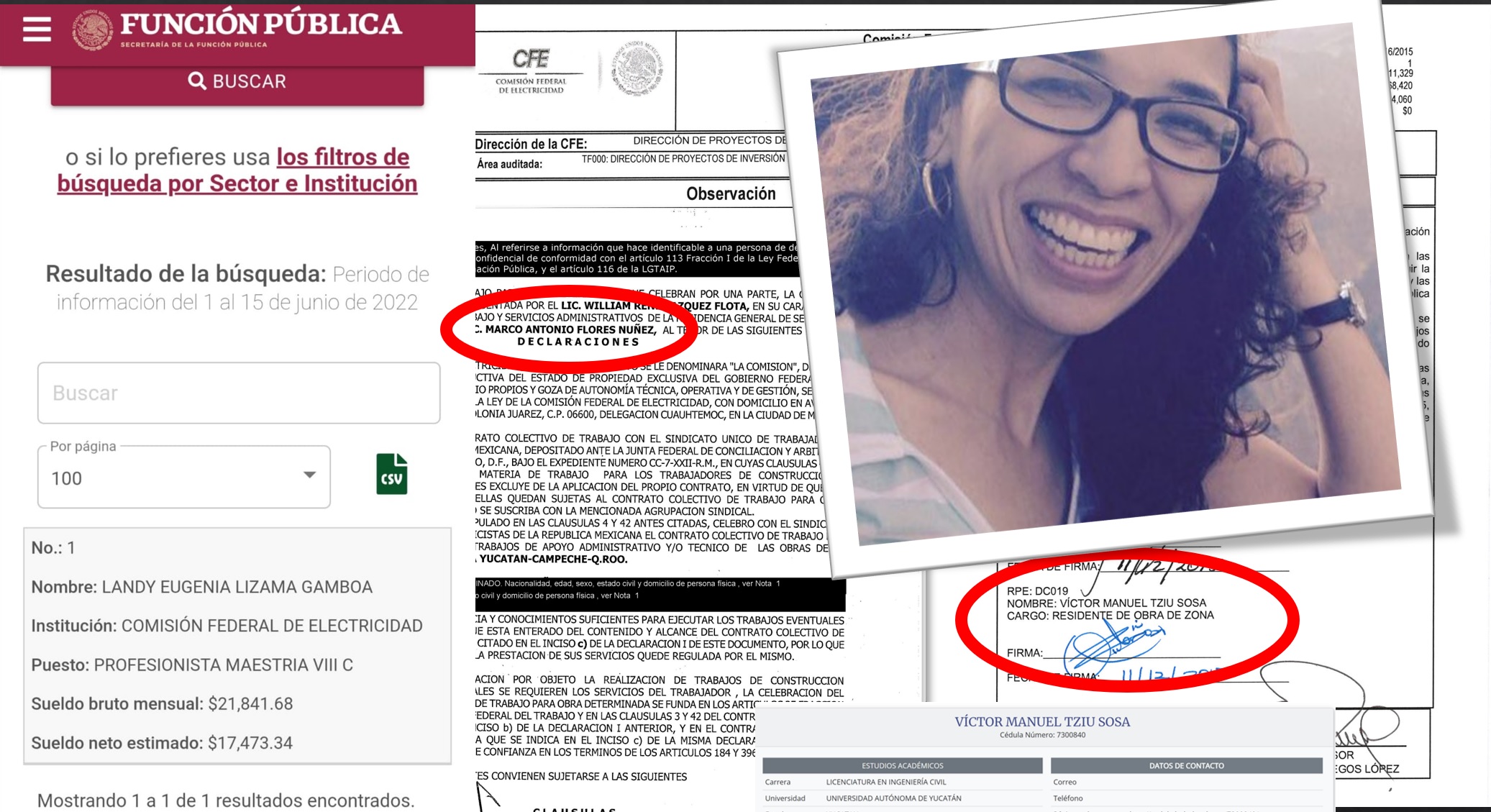
More so as in Yucatán the “Train fever” was mostly aimed at opening the region to tourist projects having its bases in Mérida and Cancún. In Oaxaca, it is more the idea of offering a Mexican, train driven alternative to the aging Panama Canal in Oaxaca.
Despite the fact that such a grandiose project has been, at least on paper, safeguarded by the Mexican Army, Navy, and the National Guard, the fact is that, as it happened in Mexico back in the Aughts the increased presence of the Mexican armed forces offers no warranty of a solution to violence.
That lesson, already learned when Felipe Calderón thought he had the magic pill to solve violence by deploying the Mexican Army in war-like operations, is in the process of being reassimilated by the Sheinbaum administration after witnessing a similar “unintended consequences” effect.
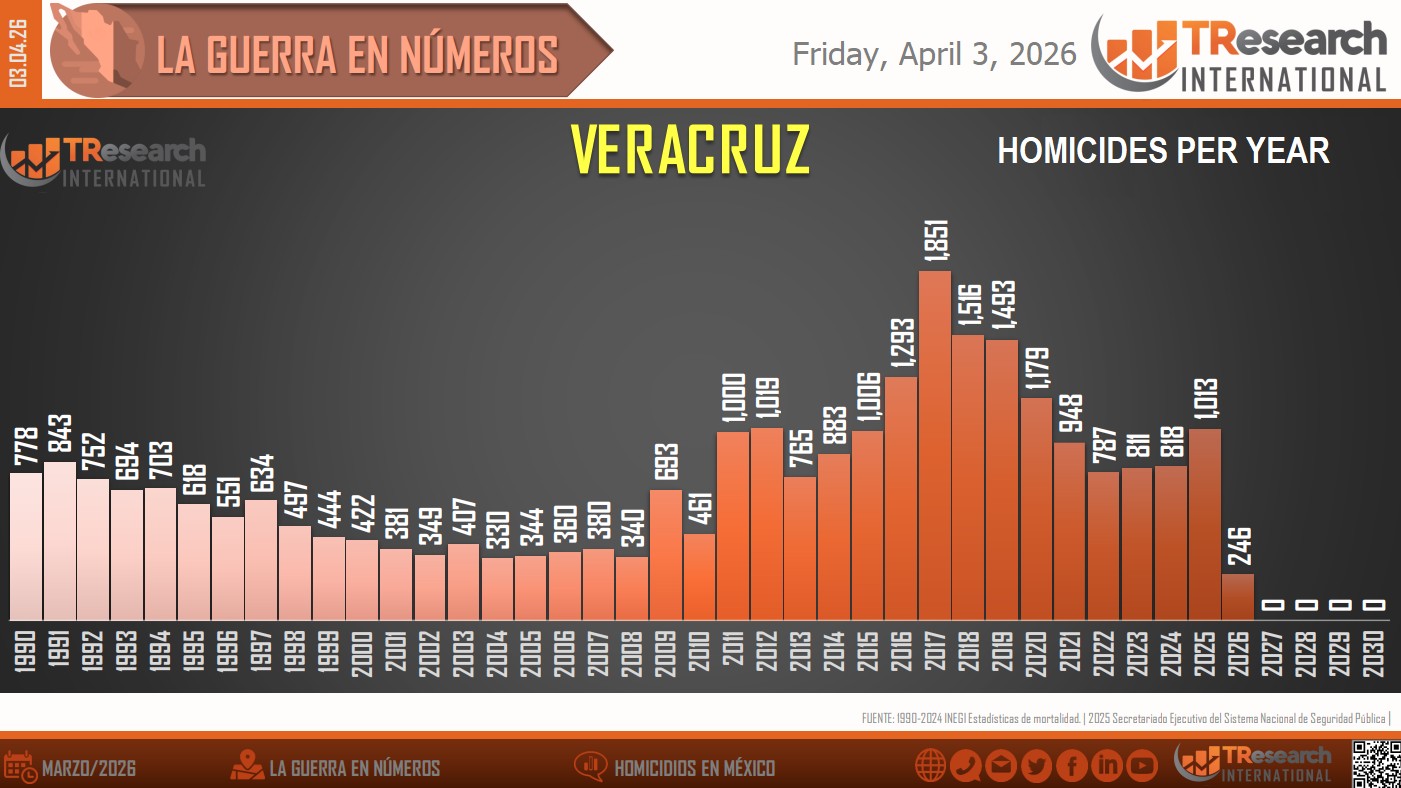
And it is not only Oaxaca. In neighboring Veracruz, the other state shaping the Isthmus of Tehuantepec, the pattern is similar: constant and even increased number of homicides, as the graph after this paragraph also proves.
Post-Data
Sadly, when looking at the news coming from Rome before Easter it is hard to be optimistic. On Monday, the social media accounts of several groups of survivors in France and the French-speaking world were stunned by Pope Leo XIV’s decision to appoint Laurent Devolvé as member of Tutela Minorum, the Vatican entity dealing with prevention of clergy sexual abuse.
Devolvé is a celebrity of sorts in Catholic media in the French-speaking world because he has been the attorney of some of the most predatory and sect-like Catholic religious organizations in France.
Tutela’s account at what used to be Twitter tried to render the appointment as some kind of success as Devolvé has been a practicing lawyer for over 30 years but, as some of the survivors’ associations in France noted, he is not perceived as someone supportive of survivors, quite the opposite.
In the official Vatican narrative, the Devolvé’s appointment had to be understood in the context of the simultaneous appointment of Canadian public health expert and former top official at UNICEF Susan Lynn Bissell.
Sadly, Devolvé’s appointment sucked all the oxygen in social media. A few minutes after Vatican News spread the news, French journalist Natalia Troullier decried the appointment by letting the world remember of Devolve’s past association with the Emmanuel movement, among other predatory Catholic organizations.
A few months ago, this series went in detail into the specifics of the “apostolic visitation” the Holy See sent to that movement and how, despite their “old France” charm and ability to reinvent Catholicism in France, they have reenacted, as many other dioceses, orders and movements the so-called geographic solution by moving priests with record of abuse in one part of the world to the other, not to mention the criticism to the sectarian practices prompting the “apostolic visitation” as such.
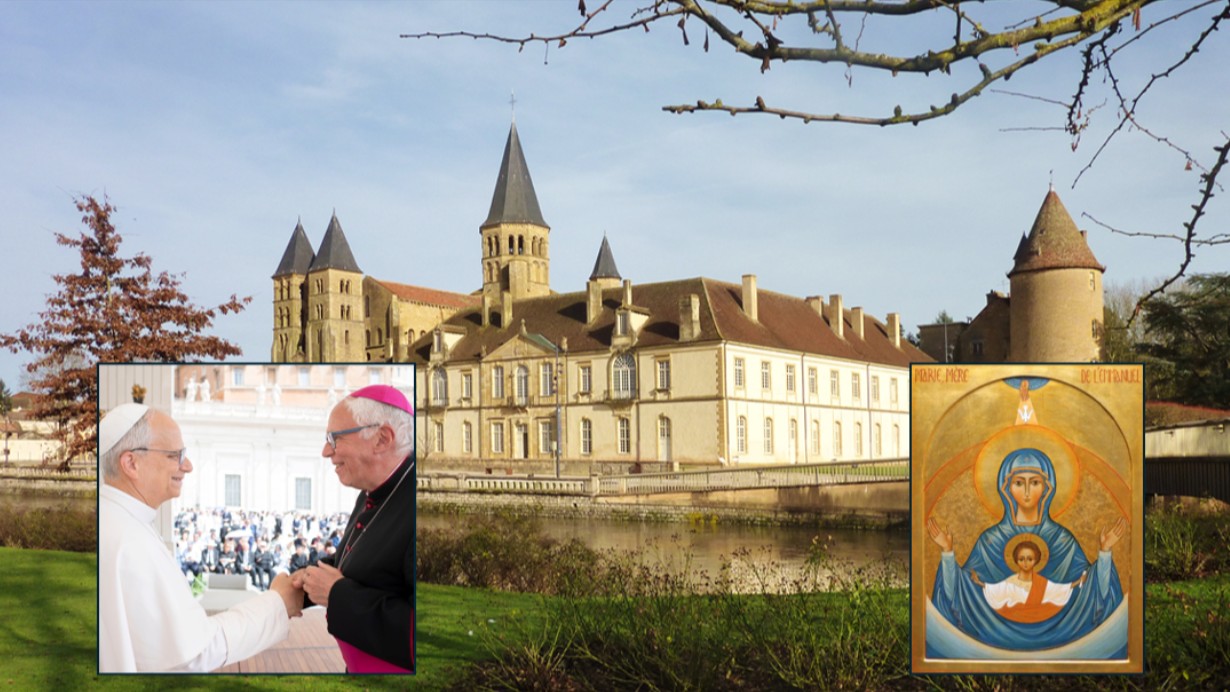
Devolvé’s presence at Tutela calls into question, at least for many groups of survivors in the French-speaking world the very credibility of Leo XIV’s commitment with the issue of clergy sexual abuse, as Devolvé’s expertise is for the most part to find reasons to discredit survivors, their stories and experiences, while trying to keep intact the very mechanisms making abuse possible.
* * *
A summary of this piece is available as audio after this paragraph.
Note on production: The text of this summary was written and edited solely by the author. The delivery of the audio summary was achieved using a high-quality, text-to-speech engine Microsoft Word for Web. The AI was used for voice generation only, not content creation.