Rodolfo Soriano-Núñez Lunes, 09 de Febrero del 2026
Leo XIV’s weak message during an audience with the Legion prompts social media memes mocking the Pope’s message.
Besides the audience with the Legion, Leo XIV had one with the archbishop of Aparecida, Brazil, who dismisses calls to respect Marko Rupnik’s victims of sexual abuse.
By Rodolfo Soriano-Núñez
Over the last days of January, the Legion of Christ held its General Chapter, a meeting of top officials and delegates of the male order, the Legion of Christ as such, and the male and female branches of the so-called Regnum Christi (Kingdom of Christ).
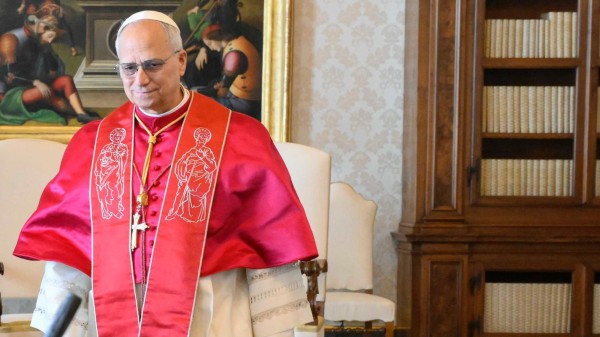
Pope Leo XIV himself closed the meetings with a message to the organization founded, back in the 1940s, in Mexico by Marcial Maciel. It is hard to imagine any major change stemming from Pope Prevost’s message.
A few days after the audience with Leo XIV, on Wednesday February 4, the Legion’s many social media accounts and “news” websites went into a burst of activity to let the world know about the appointment of a new director general, Mexican priest Carlos Gutiérrez López.
Tellingly, he entered religious life in 1999, when he was 24, and during one of the worst waves of accusations about the abuses perpetrated by the founder. In that regard, one has to wonder who isolated from Mexican and world, Catholic or civil news, had to be young Gutiérrez López to go for religious life, despite all the talk about Maciel, with the Legion of Christ.
The official line in the first hours after the appointment is to emphasize as much as possible the fact that, before entering religious life, he was already an engineer and that before and after his ordination, in 2009, he has been active in different countries, but all of them in the Spanish-speaking world.
Besides his studies, civil and religious in Mexico, before his ordination he played a role in the Chilean province of the Legion (2001-4), where if he had access to civil media there, something that cannot be taken for granted when dealing with former seminarians of the Legion, he should have been aware of how Maciel’s myth began to crumble.
After Chile and his ordination as priest in 2009, the Legion sent him to the province of Colombia and Venezuela from 2009 through 2012 as the assistant to a director there. Then, he became superior of the community in Bogotá, Colombia.
In 2014, he reappears in Mexico, at the almighty house in Monterrey, the industrial capital of Mexico, where he spent two years. Three years later, in 2018, he reappears in Colombia. He spends there four years until 2022. That year, the Legion appoints him director of the Northern Mexico territory where he was until last week.
No reason for hope
Sadly, it is really hard to be hopeful about his appointment since it is clear that the Legion went for one of his soldiers who has spent all his career in the comfort of countries with extremely weak systems of justice, prone to dismiss accusations of clergy sexual abuse. The new Superior General lacks, in that respect, any experience in dealing with more proactive district attorneys and police precincts willing to prosecute sexual predators.
A look at Gutiérrez López’s vitae, his education and assignments, shows he is what some would call “the runt of the litter,” the very last gasp of the system built by Marcial Maciel to have full control, even the so-called “internal forum,” of the scholastics, as religious orders call their seminarians in Catholic jargon.
A feature of houses managed by the Legion of Christ and the Regnum Christi is that the superiors had the authority to control access to civil media, and even to restrict communications with the families of their members over phone, regular mail or email.
Whether following the Legion’s example or out of their own sectarian impulses, Rome authorized during John Paul II’s papacy similar practices in the Sodalitium of Christian Life and the Institute of the Incarnate Word, and survivors of abuse at the Opus Dei actively denounce similar practices.
On top of that, Gutiérrez López has had pastoral experience only in countries where the order has faced, so far, weak legal scrutiny if any. The new superior got his promotion along traditional internal loyalty lines rather than through any reform‑oriented track.
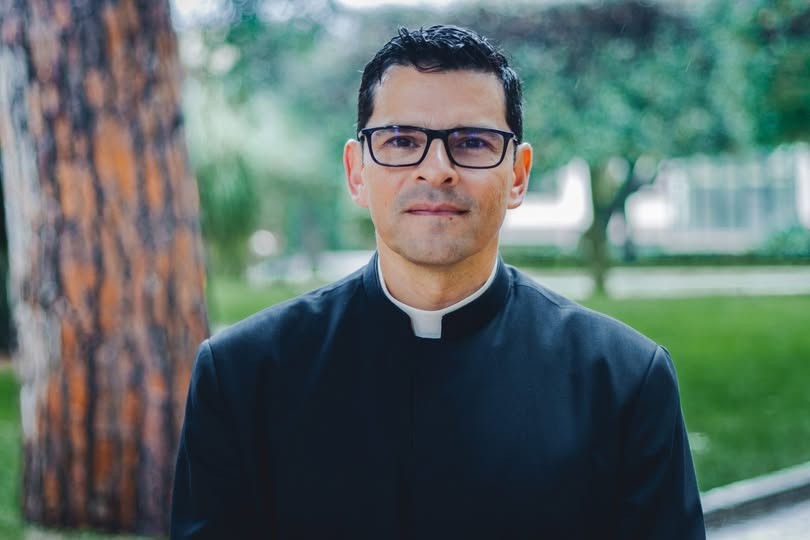
That only makes Leo XIV’s message before Gutiérrez López appointment more troubling. It was not only short, barely over a thousand words, but reads as an endorsement of what the meeting was and, more precisely, of what are now roughly 16 years of an internal process that, for the most part, leaves more questions than answers in those who have followed the history of this organization and more significantly a true awful after-taste in the many victims, not only of Maciel but of many other clerics associated with this order.
It was, lacking a better description of it, a “boiler plate” kind of statement to any order or order-like organization holding their General Chapter in Rome and having a short meeting with the Pope at the end.
Some would find a reason to be hopeful, that there is, at least for now, no attempt at an official “revisionist” take of Maciel’s legacy, even if over social media and in informal conversations plenty of Legionaries, members of the Regnum Christi and sympathizers of what the Legion of Christ represents in Mexico and the Spanish-speaking world, are willing to challenge any criticism of Maciel and the Legion.
They claim he was a “good doer” and more so that his “good deeds,” whatever they are, outweigh the systematic, large-scale sexual attacks he and other clerics associated to the Legion have performed for 80 years or so.
Unlike John Paul II’s cheerful and public support for Maciel, the established narrative in Rome remains that there is no way to sanitize the founder of the Legion. However, for those who have watched the Legion of Christ’s many broken promises of internal reform and commitment to actually address abuse and its effects Leo XIV’s 2026 speech spells disappointment.
That is because already before and during the General Chapter (January 25-9, 2026), social media groups such as Legioleaks, devoted to discussing all things Legion of Christ over Facebook, were abuzz with negative takes on the potential effects of the activity.
The reason for such takes was easy to find. There was no evidence of actual change, of reform or, at least, an actual acknowledgment of the scale of what has happened in the Legion’s houses, schools, parishes, and no transparency when dealing with the issue of reparations in the Spanish-speaking world.
In that regard it is relatively easy to understand why Leo XIV’s final message to the order, on Thursday, January 29, 2026, hit a nerve. At some point, Pope Prevost said: “As Pope Francis reminded us, ‘it is a question of remaining faithful to the original source, striving to rethink it and express it in dialogue with the new social and cultural situations.’”
He was quoting Pope Bergoglio’s 2021 message to the Focolare Movement, a Catholic religious movements originally born in 1943 Italy which, at the time of Francis’s message, was in the midst of its own reckoning with abuse, spiritual and otherwise, within its ranks.
So much that, by 2023, the Focolare Movement issued its first report on the matter (available here in English at Scribd as their website is a hit and miss device).
Sadly, survivors of the Focolare Movement’s most notable predator, French male religious Jean-Michel Merlin, see the report as “smoke and mirrors”, as this story published by National Catholic Reporter back in 2023 proves.
Original sources
Former legionaries and survivors of abuse were deeply disappointed by Leo XIV’s use of that quote due to the elliptic reference to “the original source.” Social media posts quickly turned the Pope’s phrasing into memes reminding Prevost exactly who the Legion’s “original source” was: Maciel. One such meme, available on Facebook and after this paragraph as an image.
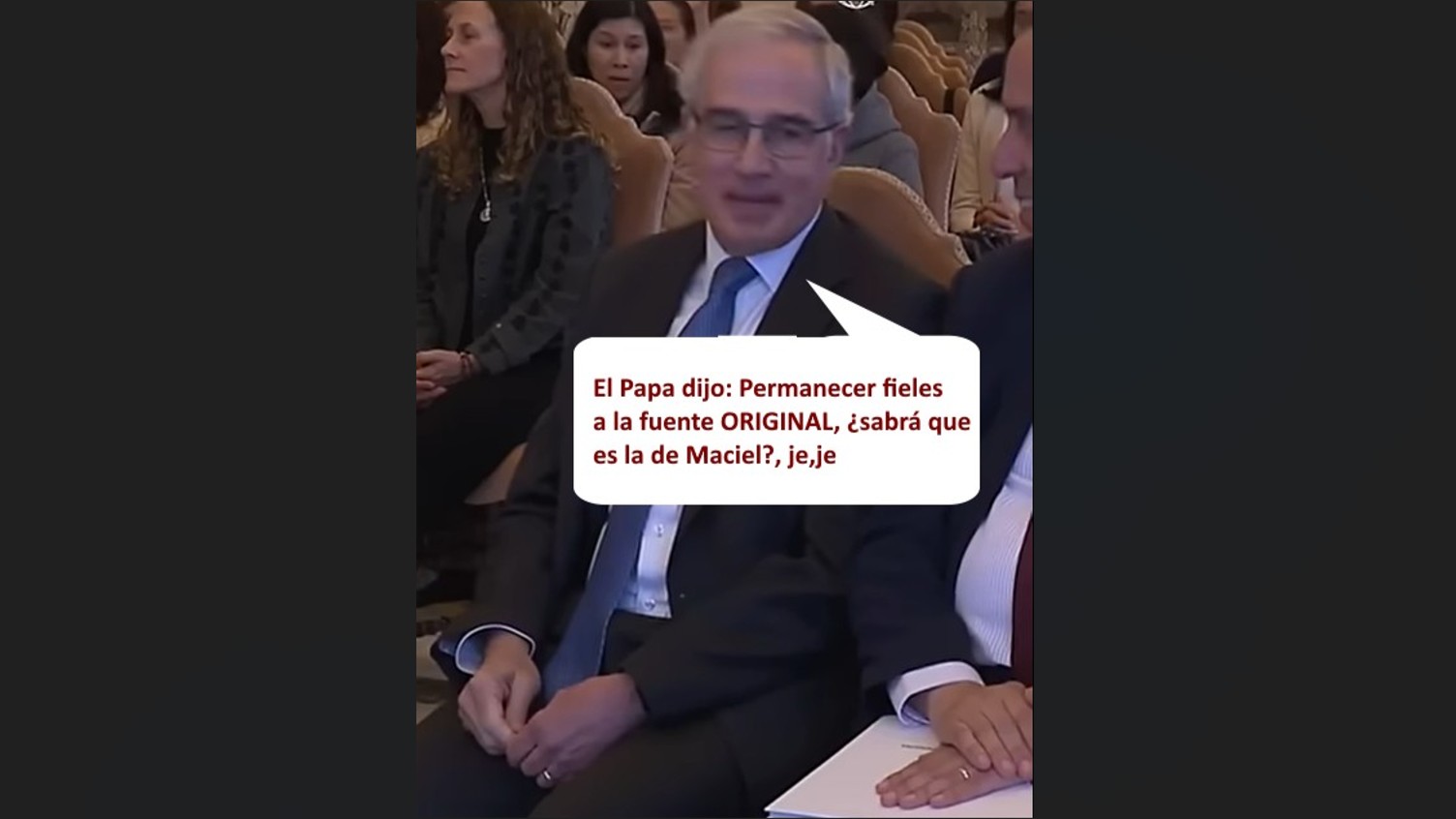
The meme's balloon reads in Spanish: "The Pope asked to remain faithful to the ORIGINAL source. Is he aware it is Maciel's? hehehe." Pictured, Spaniard Félix Gómez Rueda, head of the lay consecrated male branch at the Regnum Christi.
Granted, a relatively trained reader, aware of the ways the Vatican deals with issues, could easily pick that “the original source” Francis was talking about to the Focolare Movement was not lay female Chiara Lubich, the Focolare Movement’s founder, but Jesus himself and that, by implication, Pope Leo was telling the Legion to do the same.
However, a more cautious and reflective second look at what the reigning Pope says in occasions such as this one could have avoided the understandable anger or at least the qualms many people associated to the Legion at some point of their lives still have when watching what Rome says or does with that organization.
More so as, as Pope Prevost, unlike Pope Bergoglio has made a marker or his pontificate to avoid the off the cuff remarks that used to be the delight of media covering Rome, but a source of anger for the Catholic far-right that used to be the target of Francis’s darts.
And even worse, since the former bishop of Chiclayo, Peru, avoided any mention to the Legion’s long and carefully documented history of abuse, sexual and otherwise. Even if one compares Pope Francis’s 2021 message to the Focolare Movement, the one quoted by Leo XIV on his message to the Legion’s chapter, one finds there three explicit references to abuse.
Granted, already in 2020 Francis avoided explicit references to abuse in his message to the Legion’s General Chapter. Still, there was a robust rejection of Marcial Maciel’s leadership and the need for the Legion to adhere to a new ethos, to follow a different “role model.”
Sadly, there is no official English translation of Francis’s message on February 29, 2020, only the Spanish original here, and French (here) and Italian (here) translations.
Where Francis explicitly rejected Maciel as a “role model,” Leo was willing to leave the door open to interpretations that, even if objectively unfounded, had their run as memes in social media hours after the Pope left the door open to such interpretations. In the end, the ambiguity undermines yet again the already frail trust in whatever Rome says or does when dealing with Maciel and his legacy.
“Lone” predators and their networks
And to be clear, it is not as if Pope Francis’s 2020 message was the ultimate comeuppance of what actually happened in the Legion. For the most part, Francis stuck to the “lone predator” myth. A narrative frequent nowadays in debates about Jeffrey Epstein’s abuse but that, as Epstein’s case itself proves, is nothing but a myth.
There would be no chance for predators such as Epstein or Maciel to do what they did without rather solid, wide and robust networks supporting their endeavors. Sadly, the Catholic Church’s official position on many of the documented cases of abuse we are aware now is still that of blaming as much as possible to active predator without acknowledging the role played by the many partners making possible to commission of the crimes.

English Edition
Marcial Maciel, wolf of God or symptom of a broader crisis?
Francis aligned himself with Benedict XVI’s line that the Church had barely “discovered” such reality, one would guess, in the early Aughts, despite the fact that there were plenty of warnings about Maciel ever since, depending on the sources, the 1940s, when Maciel was still a seminarian, the 1950s, when he poached Jesuit seminarians in Spain as a way to swiftly increase the numbers of his organization, or during that same decade and in the 1960s, when the Vatican launched the original intervention of the order.
Something similar happened when Catholic and civil media in the United States begun publishing news about the scale of abuse in the Legion of Christ in the 1990s. The main difference was not the substance of the information, but the fact that the United States media, at least then, was not willing to play by the rules of Mexican media where such information, if ever published, would be the target of some kind of censorship. It was not, as the Vatican tried to say through leaks and informal statements, because abuse never happened in the Spanish-speaking world.
What we know now is that the Mexican Catholic hierarchy as much as Popes Pius XII, John XXIII, Paul VI, and John Paul II (John Paul I was Pope less than a month, so it is impossible to make a judgement in his case) were more than willing to ignore Maciel’s practices.
For the 2014 General Chapter, celebrated in the final days of February, Pope Francis issued no message, as there was no audience with the then Pontif. Even if the previous year Pope Bergoglio issued a short letter to now deceased Italian Cardinal Velasio de Paolis.
Traps and rewards
Back on July 9, 2010, Benedict XVI appointed De Paolis as pontifical delegate to the Legion of Christ. It was a continuation of the 2009 intervention of the order founded by Maciel and which, by May of that year, prompted a cryptic statement from the Holy See (available here). Francis confirmed De Paolis task with a letter, issued on June 26, 2013, with an explicit mandate for a “profound reform.”
Oddly enough, the letter is not available at the Holy See’s microsite collecting the papers and some other materials from Francis’s pontificate. Also, the letter has evaporated from the Legion of Christ’s website. The only way to read it in 2026 is to go over Bishop Accountability’s website here, as the old URL in the Legion of Christ’s website turns a 404 message. In theory, the Internet Archive saved the URL but, for some reason, it is unable to retrieve it.
De Paolis’s resigned in 2014 his position after the Legion elected Mexican priest Eduardo Robles-Gil as general director.
Six years later, in 2020, Pope Francis’s message acknowledged in very broad terms the need to push further into some of kind of change when he talked about a “change of mentality.” How far such “change of mentality” has gone is anybody’s guess, but if someone follows with some care what has happened so far it is actually hard to believe it happened or it would happen in the near future.
To Francis’s credit, he was willing to call out one of the Legion’s worse features, its self-referentiality, although he was also willing to see the Legion’s attitude as “docile to the help offered by the Church, having you realized the real need to carry a renovation able to bring you out of the reference to yourselves in which you had trapped yourselves.”
But also, he rewarded their discipline giving them their first Cardinal, Fernando Vérgez Alzaga, a Spaniard priest who was as close to Maciel as he was to Argentine Cardinal Eduardo Pironio, a former bishop of Mar del Plata, who back in 1975 got promoted to pro-prefect of the then Congregation for Religious and Secular Institutes, the entity in Rome overseeing all orders.
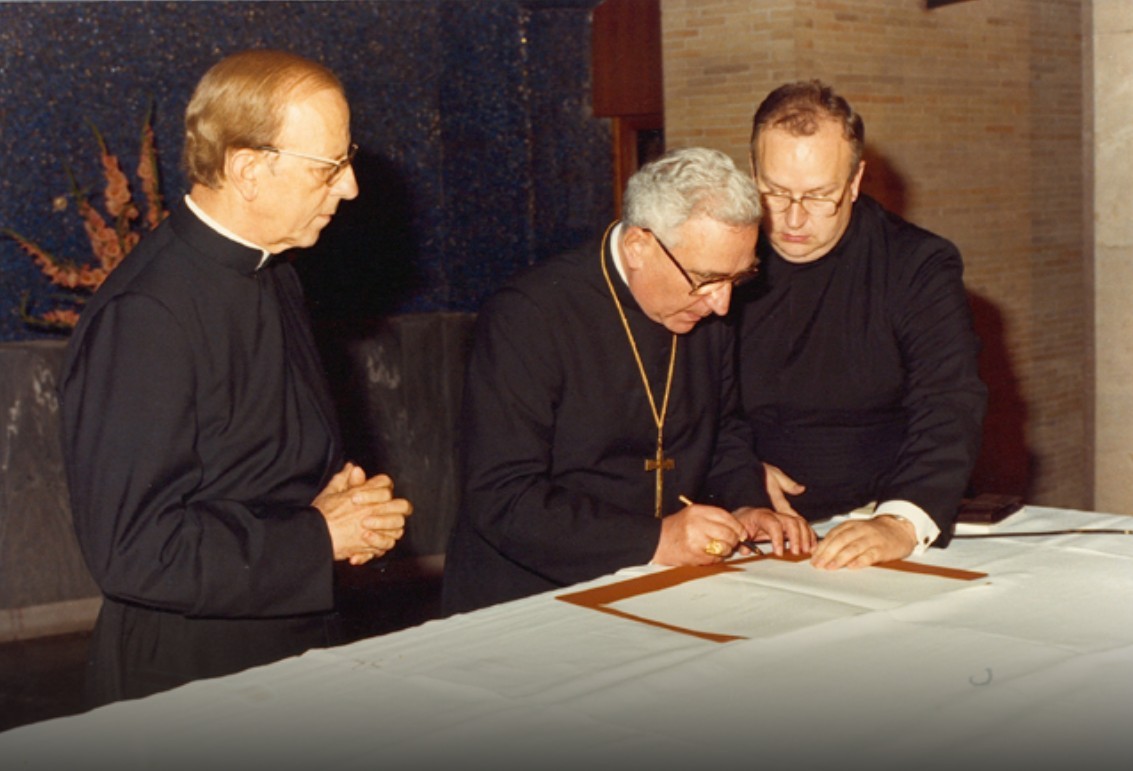
One year later, Pope Paul VI appointed Pironio as prefect of what is now the Dicastery for Institutes of Consecrated Life and Societies of Apostolic Life. As such, Pironio had in Vérgez a secretary, a helping hand, but also someone whose first and main loyalty was towards Maciel.
In that respect, it is possible to see Vérgez’s appointment or “creation” as Cardinal, if one sticks to the Catholic Church’s preferred language, as the explanation of what the Legion of Christ did that the Sodalitium was unwilling to do and why the Legion remains while the Sodalitium has been, at least in paper, suppressed.
Rome rewarded the Legion’s obedience and the fact that they were willing to accept the apostolic visitation, and the appointment of an apostolic administrator with Vérgez’s appointment. They have had to go through the “pain” of acknowledging every now and then the cases too large to be swept under the rug, but that has been it, as far as Rome is concerned.
Their attitude stands in contrast to that of the Sodalitium whose members and surrogates, as Giuliana Caccia, were willing to challenge Francis and even decided to go to war with him.
Evangelical governance
As docile as the Legion’s attitude toward Francis was, more so in comparison with that of the Sodalitium, the issue remains. Has the Legion’s reform been as thorough as necessary as to justify Pope Leo XIV barely acknowledging in January 2026 any specific need to address the many pending issues? One has to be truly generous to imagine a leader of the Legion or the Regnum Christi willing to acknowledge something close to a call for change in passages such as this:
- An authentically evangelical governance, after all, is always oriented towards service: it supports, accompanies and helps each member to conform themselves more and more to the person of the Savior every day, and in this sense, community discernment is the privileged place where shared decisions can mature, capable of generating communion and co-responsibility. You should not be afraid to experiment with new models of governance; on the contrary, it is good to keep in mind that the collective search for your own style in the exercise of authority opens up paths that not only enrich the Societies and their individual members but also strengthen the sense of belonging to and participation in the common mission.
It is only in Leo XIV’s call to find “new models of governance” where a very generous interpretation of the message would find a call to actually address the many pending clergy sexual abuse cases the Legion of Christ is still unwilling to acknowledge and solve.
More so, as the main problem for the Catholic Church at large and the Legion of Christ and their allies in the Mexican conference of Catholic bishops is that there are still way too many open wounds.
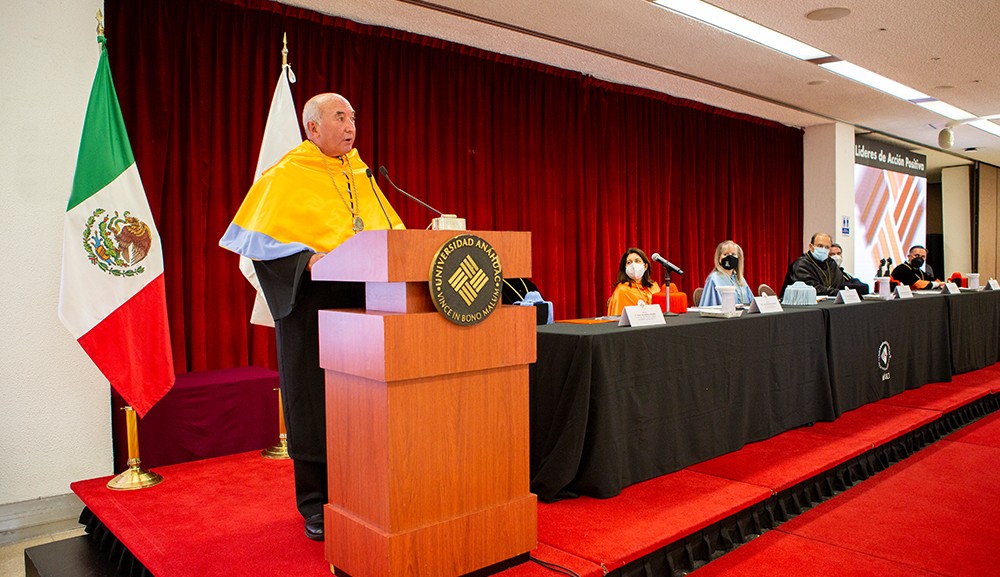
As told back in 2025, there are at least two judiciary processes against Legionary priests for abuse. One in Mexico (see the story linked above) and one in Spain (see the story linked below).
Even if the Mexican case is “historic,” since the events happened when the victim was a minor in the Aughts, the case in Spain is rather recent, originally reported in 2024, and in none of them there is any sign of a potential solution to the issue. At least not in the canonical or Church track.
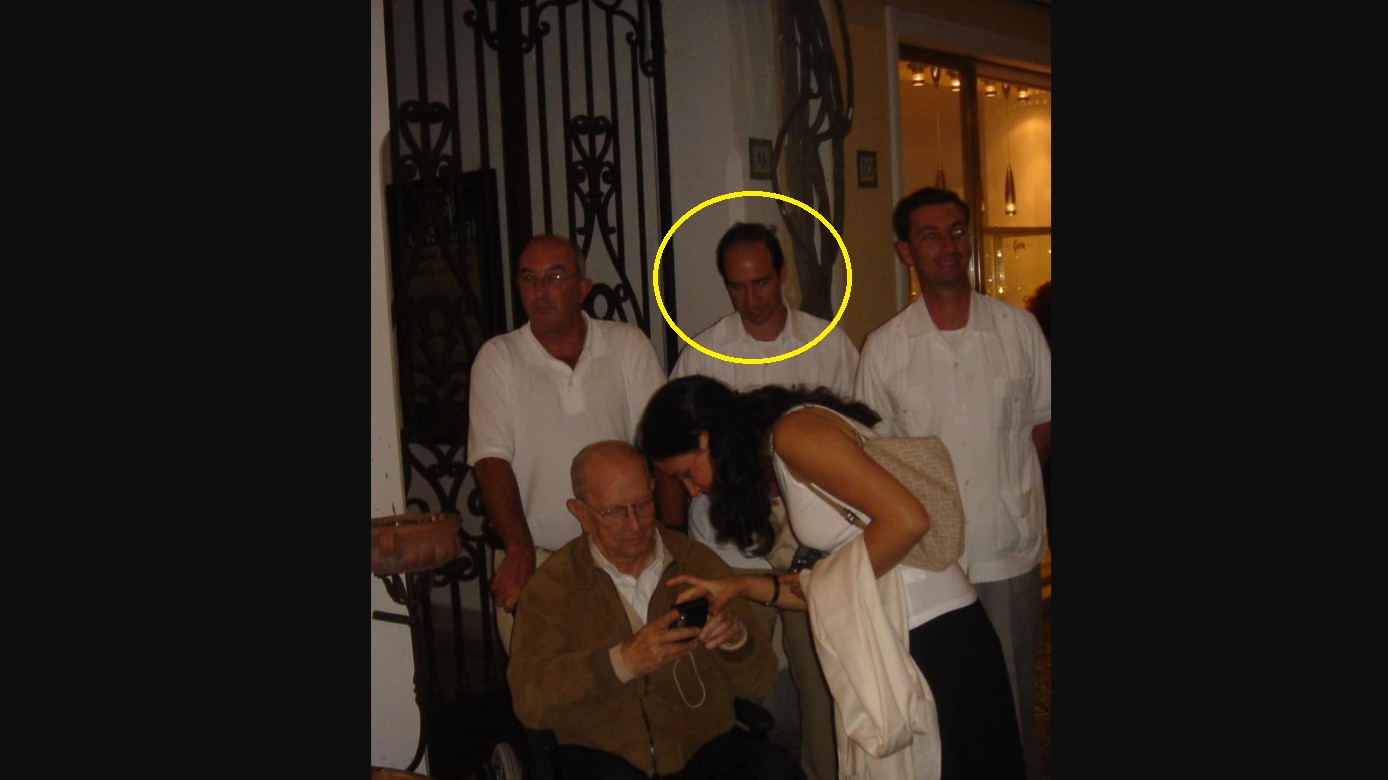
In Mexico, the penal track seems to be waking up as the State’s attorney office dealing with Antonio María Cabrera is asking for a 29-years sentence. If granted, it would be a first in Mexico, where most of these crimes have had, up until now, no actual consequences for the perpetrators or for those making the crimes possible, by allowing them to have unrestricted access to minors, or by keeping mum about what they know of known perpetrators.
On top of those two cases reported with some detail in this series, there is a third recent case involving Chilean victims. The case originally happened from 2008 until 2010, but there is little information from the survivors. Some of the data, at least the Legion of Christ’s position on the issue is available, only in Spanish, here.
Open doors
That is why it is even harder to understand what was Pope Leo XIV’s intention when uttering such an unprecise message that left the door opened for sarcastic memes, with no actual assessment of the way in which the General Chapter happened, first in the different Legionary “provinces” and later in Rome in the final days of what usually is a year-long process.
More so as we are already in year 16 of the post-apostolic visitation period and Pope Prevost is the third sitting Pope dealing with the long history of abuse in the Legion of Christ.
Somehow contradictorily, Pope Leo XIV seemed to be willing to send an implicit message a few days after his speech to the Legion’s General Chapter. On Tuesday morning, he met with David Ryan, an Irish survivor of clergy sexual abuse.
Catholic media outlets, both official, such as Vatican News, and non-official, were very active providing a detailed account of Leo XIV’s meeting with Ryan, but sadly, as it has happened with other meetings with survivors, the Bollettino, the official record of the Pope’s daily activities avoided any reference to the meeting.
Sadly, the only source able to provide a specific date for the meeting was Junno Arocho Esteves’s piece over Our Sunday’s Visitor's newswire service. He gives a February 2 date for it, but that detail is missing in Vatican News as much as it is in the public Irish TV piece about the meeting.

English Edition
The 2025 Catholic report on clergy sexual abuse
Sadly, by now it is clear that the Holy See’s Bollettino is actively avoiding any reports on the Pope’s meetings with victims. It happened after the Pope’s October meeting with members of Ending Clergy Abuse (see the story linked above in the section titled “Meeting with ECA”), and it also happened with the Belgian survivors he met with as the story linked below told at its time in the section titled “Roman afternoon”.
True scale
Not including the meetings Pope Leo XIV has with clergy sexual abuse survivors in the Holy See’s public official record runs against any attempt at acknowledging the true scale of the sexual abuse crisis. In doing so, Rome, no matter who is the Pope, makes it easier to deny or dismiss the crisis’ true scale.
As hard as it could be to grasp that fact, despite the many terabytes available over the Internet on the issue, there are those who do their best to dismiss or minimize the crisis.
As laudable as Pope Prevost’s will to meet survivors is, and he seems to be on track to have one of such meetings every eight weeks or so, there is still the issue of how he lends credibility to the idea that somehow victims, survivors, and their advocates overstate or overreport cases, as the story linked after this paragraph told.

That has been a major blind spot of Rome’s management of the clergy sexual abuse crisis as casting doubts about the legitimacy of the rather few available reports leave many doors opened to reproaches about the reasons behind the actually available reports or behind the reasons for civil and Catholic media to pursue this issue.
And even worse. In doing so, the Catholic Church acknowledges its own difficulties dealing with the issue, and it forces to see countries such as United States (at least until Trump’s second administration), Australia, Ireland, and Canada as the only places where it is possible to expect a measure of justice.
The sole exceptions to that approach are, what the Catholic bishops in France, Germany and more recently Spain have done to actually acknowledge their own limitations and purse some solution.
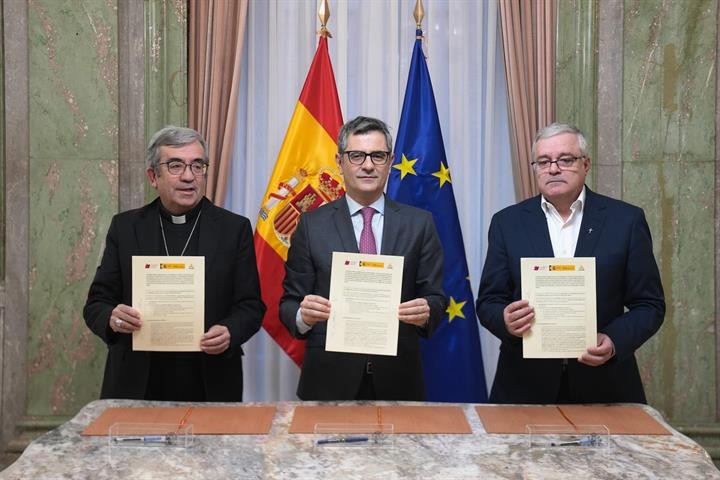
In the rest of the world and more so in Latin America, the road to achieve a measure of justice is far more convoluted as the unwillingness of the bishops to imitate the French or German bishops’ will to commission national (France) or diocesan (Germany) thorough reports clashes with the convoluted performance of the local systems of justice.
It should not surprise in that regard that even when talking about the Legion of Christ, their behavior in Canada or the United States stands in clear opposition to the behavior of the same Legion in Mexico or Colombia, where they have more chances to avoid denunciations, historical or current.
Mixed signals
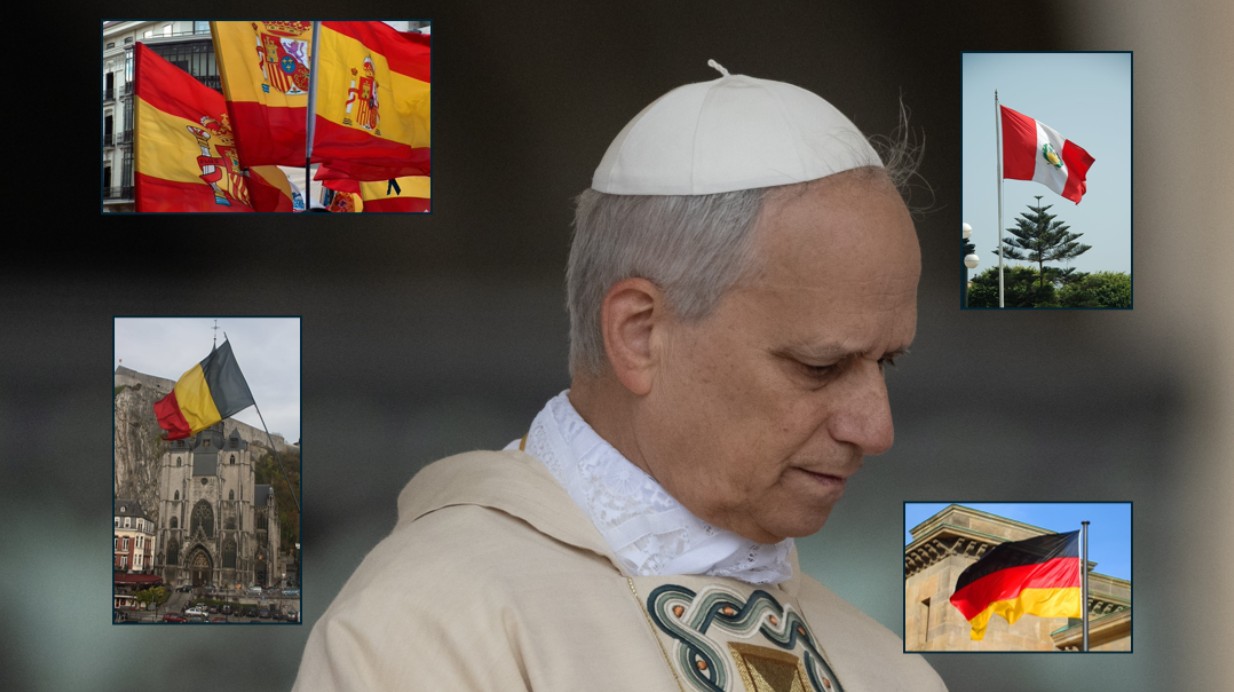
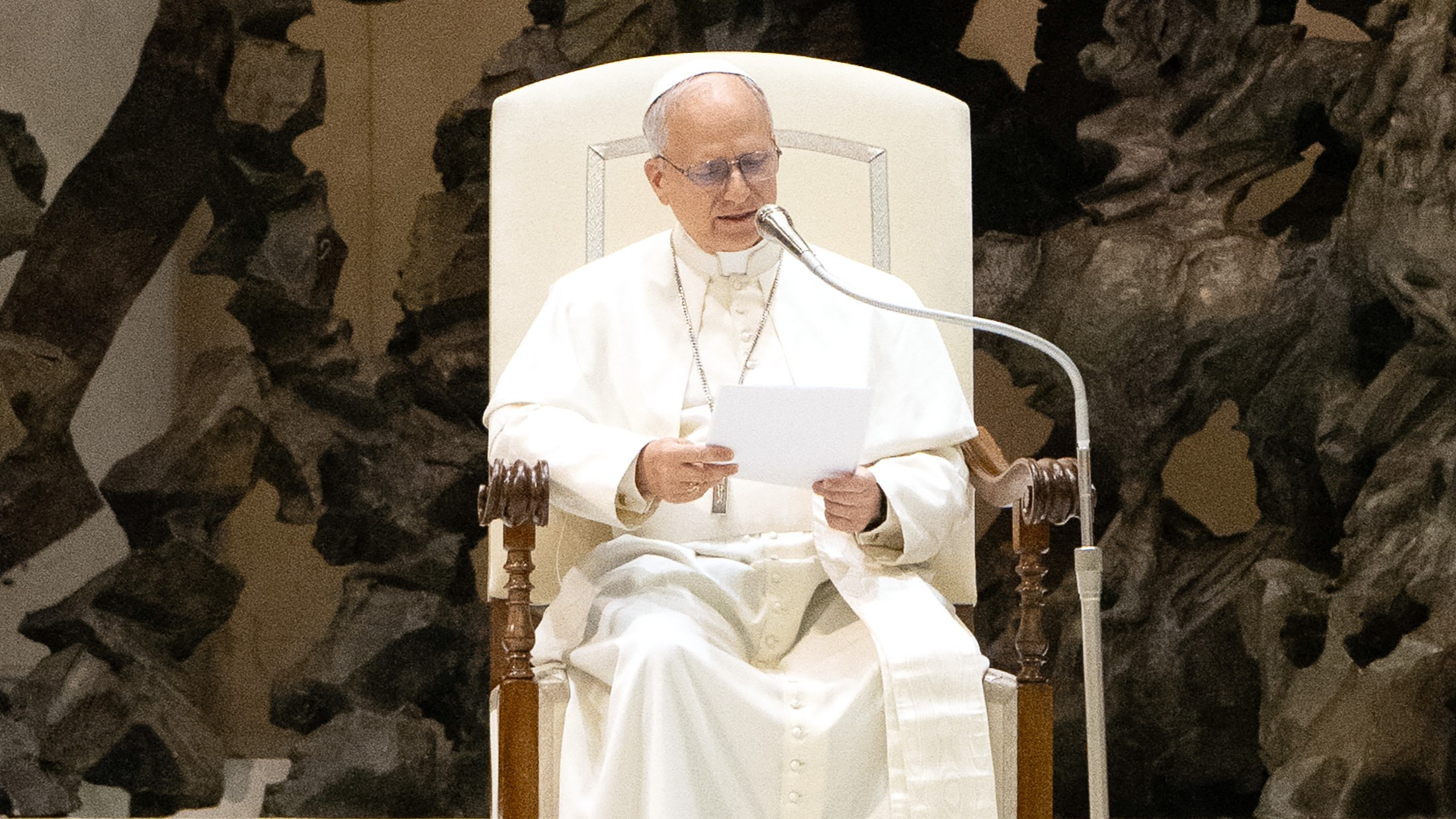
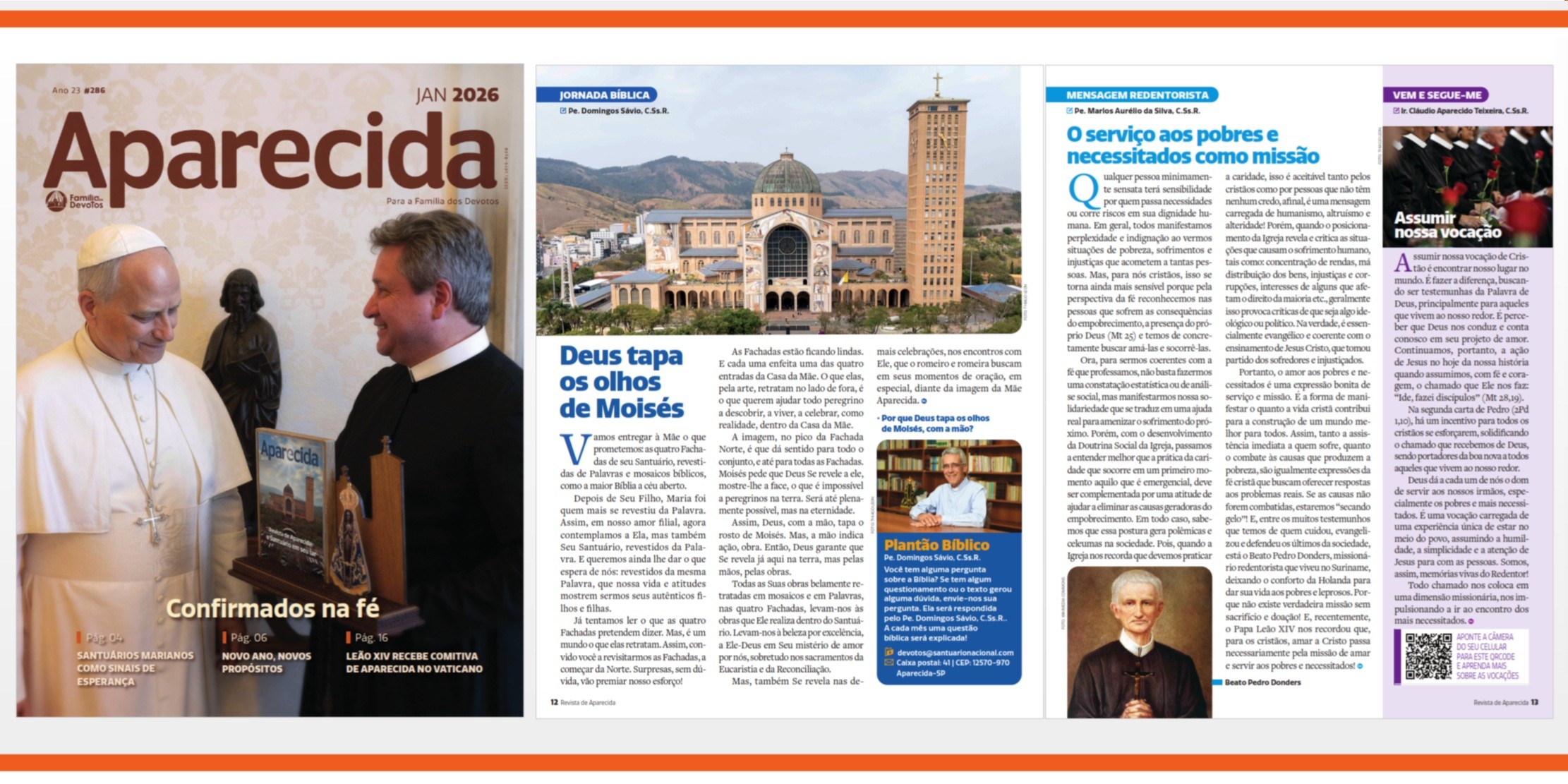
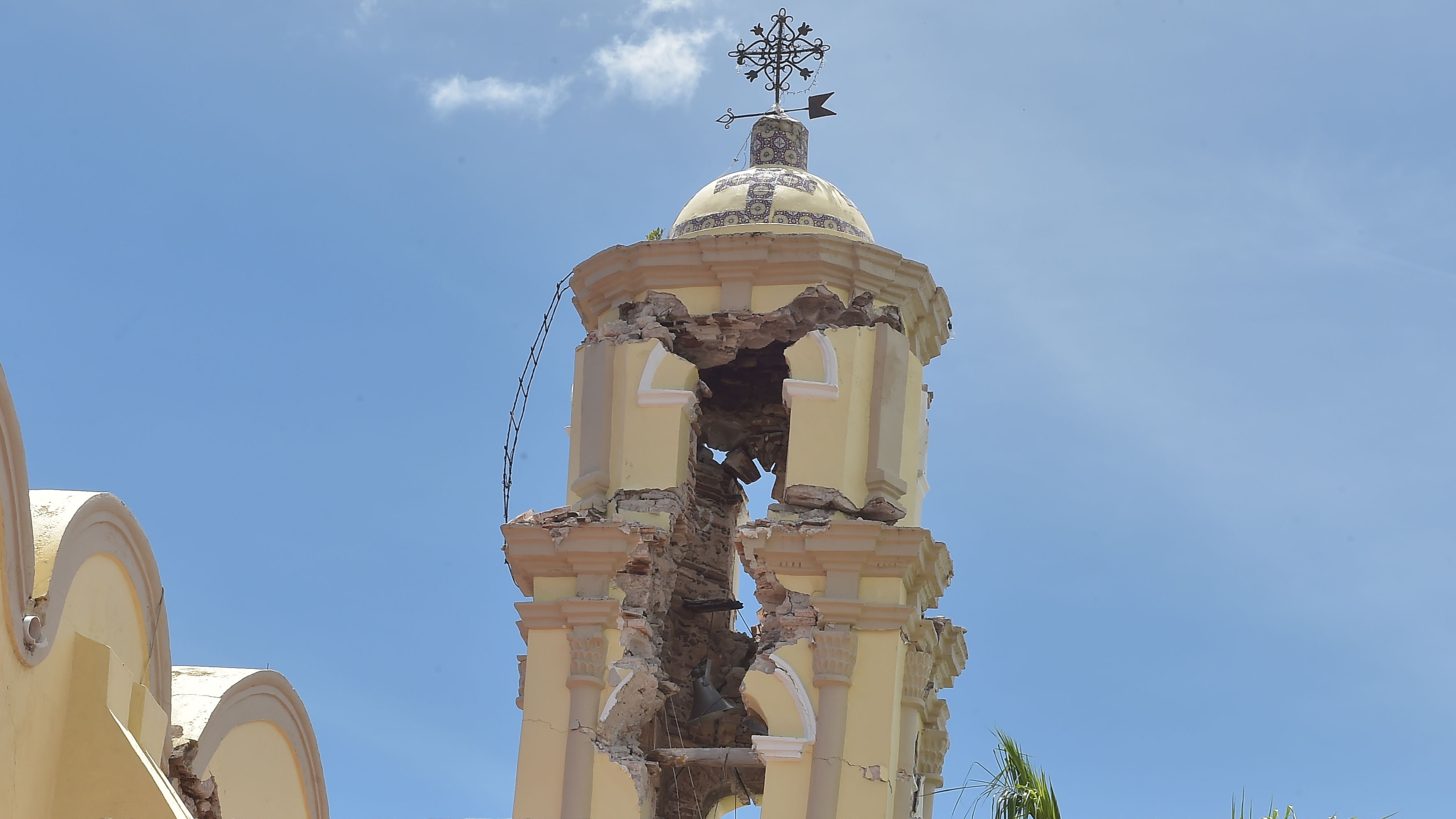
The perception of Pope Leo XIV sending mixed signals when dealing with the clergy sexual abuse crisis got a boost recently when, as an example, he received a delegation from Brazil. Orlando Brandes, archbishop of Aparecida brought a group of clerics and laypersons working at the eponymous Basilica and in legacy and social media promoting the devotion to Our Lady of Aparecida and activities held at the Basilica on a regular basis.
The issue would not be worth mention if it was not for the contradictory approaches with which the Catholic hierarchy all over the world deals with Marko Rupnik’s legacy. He is a former Jesuit accused by several females of sexually abusing them who has been the subject of installments of this series, most recently in October 2025, as the story linked below proves.
Unlike what has happened in the Basilica of Our Lady of Lourdes, France and in some other Catholic landmarks, where the local bishops put Rupnik’s mosaics behind some kind of cover to avoid the implication of the Church legitimizing a predator such as Rupnik, in Aparecida the attitude has been to keep the mosaics in full display and to use them to promote activities at its premises.
The issue is more contentious as Rome cannot claim to be unaware of how sensitive the issue is. Back in 2024, when he was still the president of Tutela Minorum, the entity Pope Francis created to prevent clergy sexual abuse, Cardinal Seán Patrick O’Malley, warned in a 2024 letter to top Catholic officials about the risk of “sending a message that the Holy See is oblivious to the psychological distress that so many are suffering.”
It is unclear if he was actually talking about Rupnik’s works, but Catholic News Service published a story, available at the United States Conference of Catholic Bishops’ website, explicitly linking O’Malley’s letter to the use of Rupnik’s works.
The story goes into gathering the disappointment of Rupnik’s victims and their lawyers anger with the nonchalant attitude with which many clergymen still use as much as they can Rupnik’s work to promote visits to spaces sporting such works.
Oblivious to that kind of concerns, the Brazilian hierarchy, as it is usually the case in Latin America, has no interest in acknowledging the scale of crisis. Quite the opposite. When “explaining” why they were willing to bless Rupnik’s works at Aparecida they did their best to dismiss his victims’ complaints, as can be see here in this Portuguese language website associated to the Basilica of Our Lady of Aparecida.
Sadly, in Brazil it is as if the only Catholic institution willing to acknowledge the true scale of the damage inflicted by Rupnik on his victims was the Pontifical Catholic University of Paraná (content in Portuguese) that decided, in 2023, to revoke an honorary degree it had bestowed upon Rupnik back in 2022.

So, despite O’Malley’s warning and the fact that Rupnik’s crimes are not a matter of opinion, but a fact acknowledged by Church authorities, including Arturo Sosa, the general superior of the Jesuits, who expelled Rupnik from that order following a request by fellow Jesuit Pope Francis, the Brazilians bishops have no scruples to bless, display and promote Rupnik’s work in Aparecida, or to display it as much as possible in websites, magazines, videos, and social media under their management.
In that respect, the issue is far broader than what Pope Leo XIV said or not to the General Chapter of the Legion of Christ, but also how the Catholic Church at large deals with what is not a crisis from the 19th century, not a foregone issue, but a living reality for many victims, as in David Ryan’s case.
There is a real need to acknowledge the true scale of the crisis and perhaps more significantly, to acknowledge the devastating effects it has on every single victim, on their biological and psychological wellbeing, on their ability to have productive lives, but also on their ability to have a healthy relationship with what for many of them is already their former Church as they have had such a devastating experience when dealing with the labyrinthic canonical (Church) processes, that they have no appetite to believe in the ability of the priestly caste to act as true intermediaries of their relationship with God.
English Edition
Latin American Catholicism, decades of loss
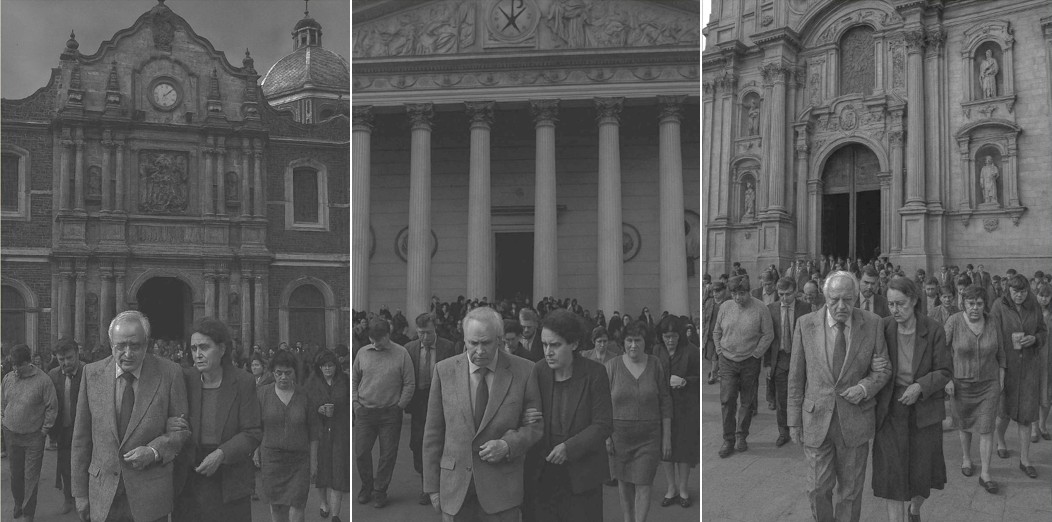
Even if it is possible to assume that Pope Leo XIV’s is trying to send messages to some quarters of his church when he meets with Ending Clergy Abuse, with the Belgian survivors or, more recently, with David Ryan, the Irish survivor, it is impossible to dismiss the inconsistency of the message when there is no will to have in the public record of his official activities.
As last week’s story dealing with the data from the Pew Research Center’s study on six Latin American countries or the piece published back in September about the Latinobarómetro series stressed, there is already evidence of the consequences that the (mis)management of the clergy sexual abuse crisis has had in affiliation in the region.
The Legion’s legacy
One only needs to go back to the Legion of Christ itself to have a proxy of the effects of the pastoral approaches followed by that order-like organization and by many other orders and dioceses in the Catholic world.
That is even more relevant as the Legion of Christ’s General Chapter coincided with Pedro Pablo Elizondo Cárdenas’s unexpected death, within the context of some kind of surgical intervention. He was a leading member of the order, as he was for almost 20 years the last prelate and first bishop of what is now the diocese of Cancún-Chetumal, Mexico.
Pedro Pablo Elizondo Cárdenas was relevant in Cancún already during Jorge Bernal Vargas’s tenure there as prelate. John Paul II appointed Elizondo Cárdenas as prelate after being, for 19 years (1982-2001), a key player in the Legion of Christ’s global network of seminaries in Ireland, Spain, Mexico, and Chile. Becoming prelate in Cancún was a reward for his loyalty to Maciel but also made him the guardian of the many secrets of the Legion of Christ in that diocese.
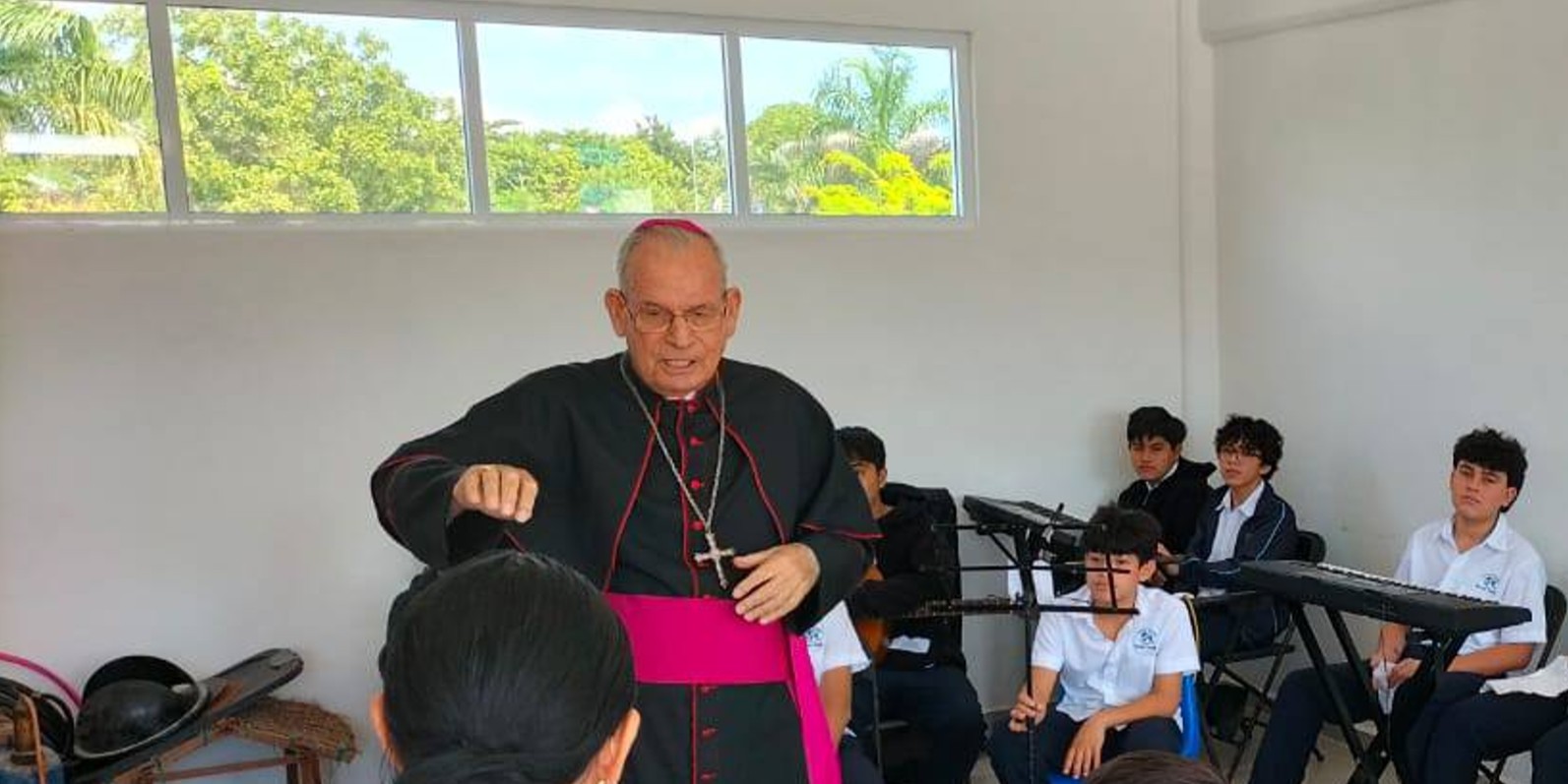
Cancún is relevant to understand the kind of power Maciel exerted over the Legion of Christ and the Mexican Catholic Church at large, because originally Rome entrusted that prelature to Maciel’s organization when the Mexican government decided to create, in the middle of nowhere, what is now that tourist destination in the Mexican Caribbean.
Cancún became a key site for this kind of abusive management because it functioned both as a prized possession and as a kind of large-scale disciplinary outpost. Legion of Christ’s leaders used the poorest most marginalized parishes of the old prelature to punish the rebel legionaries unwilling to fully abide by Maciel’s and his cronies’ leadership style.
But also, when a priest in some of the schools or parishes managed by the order in Mexico or elsewhere abused his flock, Cancún was always top of the list as a destination to perform the all-too-common trick of the so-called “geographic solution.”

A perfect example was Fernando Martínez Suárez. The Legion sent him as headmaster of the Instituto Cumbres in Cancún between 1991 and 1993. During that period, he abused at least eight girls, ages 6 to 11.
His superior at that time in Cancún was Eloy Bedia Diez. Records show that the Legion’s bosses fired in the 1990s teacher Beatriz Sánchez for reporting Martínez's abuses to Bedia, who took no action, as this story from the Spanish-language service of the BBC News from 2020 details. Bedia remains a powerful figure in Mexico City, working with the female section of the Regnum Christi there (content in Spanish).
After the scandal was unbearable in Cancún, the Legion’s leaders sent Martínez back to Mexico City and later to Salamanca, Spain, and from there to Rome. In both Mexico and Spain, he had chances to remain in contact with minors until the early 2010s so, it is easy to assume that, on top of the original, known eight victims in Cancún, there could be others, at least in Mexico and Spain.
Geographic solution, again
Many years later, in 2020, Rome finally found enough cases to defrock or to “dismiss from the clerical state” Martínez Suárez, but neither him nor the Legion of Christ actually acknowledged, beyond boiler plate statements, the true extent of the abuse and, more significantly, the Legion has never acknowledged the true scale of the support Martínez Suárez enjoyed during his days as active predator.
The fact that he died in 2023 only helped to cement the idea that him, as Maciel and many other known predators in the Legion of Christ and many other religious organizations, Catholic or otherwise, acted as the proverbial “lone predators”, able to fool an organization that, paradoxically, enforced stern rules on their members as to prevent them from having access to media, printed or over the Internet, and was willing to even censor their mail and e-mail.
The Legion has a page with more details about Martínez Suárez’s criminal record and the excuses they have for not reigning him in available, only in Spanish, here.
Cancún is relevant beyond Martínez Suárez’s cases, as the order has there, among many properties scattered all over the world, a series of apartments in the tourist destination that Maciel himself used as part of the corruption scheme he ran to keep functionaries in the Roman curia happy.
Whatever monsignor tired of the miserable Roman winter wanted to spend a few days under the gentle Sun in the Mexican Caribbean had a place to crash, no questions asked. Those who were relevant to decide whatever issue was in Maciel’s mind at the time, would even have their expenses covered by the Mexican super predator’s largesse.
As such, there are many reports of abuse coming from the schools and parishes run by current or former Legion of Christ members that remain unsolved, unaddressed, and even unacknowledged by an order way too intent in dismissing and attacking whoever dares to criticize it.
And the effects of all these practices are anything but neutral. With the advantage that the Mexican census has of offering a reading of how many individuals declare themselves Catholic, it is possible to see the devastating effects of the 50 years of Legionary (mis)management of that diocese.
At least in Quintana Roo, Maciel’s underlings deserve some credit for the obliteration of the Catholic monolith of yore. Back in 1970, the Mexican census had the then territory of Quintana Roo (the same as the then prelature of Chetumal, now diocese of Cancún-Chetumal) at 88 percent Catholic.
By the mid-1990s, when the scandal about the abuses in the Legion of Christ reemerged in Mexico, there was a loss of roughly 17 percent points. In the 2020 census, only with some huge rounding it is possible to say that “six out of each ten residents in Quintana Roo are Catholics,” as the graphs around this paragraph attest.
The Mexican census data from INEGI reveals a demographic collapse in the diocese of Cancún, with Catholic affiliation among males plummeting from 87.7 in 1970 to 53.45 percent in 2020, a 33-points loss, with no sign of improvement in the last five years.
The full Mexican census data is available here, although only in Spanish, but even if one goes to the diocese’s page in Catholic Hierarchy it is possible to find the same overall trend of disaffiliation from the Catholic Church.
Notably, out of nowhere, the diocese’s self-reported “data” to the Annuario Pontificio, the source used by Catholic Hierarchy, talks of a Catholic flock encompassing 64 percent of the residents of Quintana Roo, a ten percent difference between the Census and the diocese’s data with no support at all.
A full comparative analysis of Quintana Roo with neighboring states or national trends is beyond the scope of this article. Nonetheless, available demographic trajectories show that while Catholic affiliation has declined throughout Mexico over the last five decades, the scale and steepness of the losses in Quintana Roo stand out because of the role the Legion played there from 1970 until 2025.
In any case, even if some were to dispute the idea that the Legion of Christ’s sectarian and predatory practices contributed to the collapse of the former Catholic majority in Quintana Roo, the fact remains that the pastoral model imposed on that diocese by the Legion’s leadership does not prevent similar processes—albeit of lesser intensity—in other dioceses across that region of Mexico and throughout Latin America. Thus, the notion of the Legion’s understanding of Catholicism as a "silver bullet" against the vampires of modernity and secularization, as preached by Maciel and his underlings, is one more myth dispersed by that religious organization.
Oddly enough, soon after Elizondo Cárdenas’s death, the most loyal members of the Legion of Christ’s social media flock were more than ready to run the express canonizations playbook for the late bishop, despite his role in covering up clergy sexual abuse.
One female claimed, days after the already then former bishop’s death he had saved her family from death after their car suffered a break malfunction, pushing immediately the idea that he was somehow a saint, worth following the route already followed by John Paul II, probably the most significant ally Maciel ever had in Rome or elsewhere.
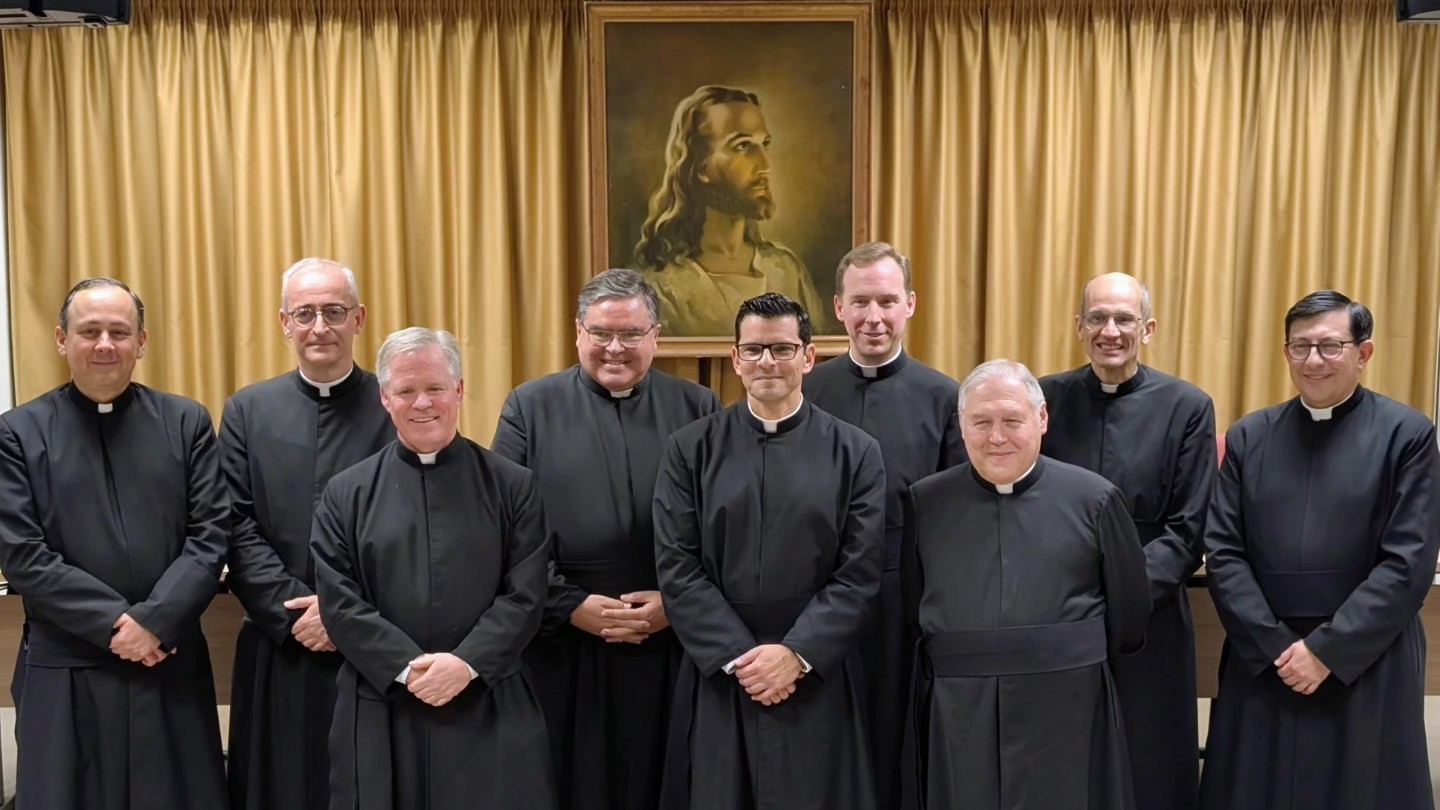
Globally, the Legion of Christ had a chance to elect new leadership. In electing Gutiérrez López as the global director, the future of the order and the hydra-like maze of organizations and firms that is the Regnum Christi fell in a member of the last cohort formed in the Legion’s “bunker mentality,” while Maciel was still alive and in control.
It will be up to such cohort to decide whether the source is Maciel and his sectarian practices, which are in no way limited to sexual abuse, as the disappointed former members of Regnum Christi interpreted Leo XIV’s 2026 message over social media, or if the source is actually Jesus, as Pope Francis suggested to the Focolare Movement in 2021.
One would expect in that regard a clearer, sharper, crisper, stance from Pope Prevost who has seen his own record as bishop of Chiclayo questioned by one of the victims of abuse there. Will Leo XIV try to amend bishop Prevost’s mistakes? It is hard to say, but what Leo XIV could do without the need to reopen the books on whatever bishop Prevost did is to set that kind of message.

English Edition
From Chicago to Chiclayo, sexual abuse victims are pawns
* * *
A summary of this piece is available as audio after this paragraph.
Note on production: The text of this summary was written and edited solely by the author. The delivery of the audio summary was achieved using a high-quality, text-to-speech engine Microsoft Word for Web. The AI was used for voice generation only, not content creation.