
Rodolfo Soriano-Núñez Lunes, 02 de Marzo del 2026
Even if limited to U.S. courts, seeking the death penalty for the sexual abuse of minors has the potential to shake judicial systems all over the world.
Although the death penalty is not a legitimate punishment in Latin America, the risk of renewed pressure to bring it back is real, particularly in contexts where the Catholic Church continues to rely on judicial formalism and adversarial strategies against survivors.
By Rodolfo Soriano‑Núñez
February ended with a series of shocking developments for anyone paying attention to the sexual abuse crisis, whether in religious or other settings. The most notable was the decision by U.S. Representative Nancy Mace to seek the death penalty for those guilty of raping minors.
Unlike other stories in this series, this piece does not attempt a deep dive into a single case, nor does it compare a set of specific cases. Instead, it traces the potential effects of Mace’s bill within a single institutional crisis—sexual abuse—across jurisdictions where the Catholic Church has been a central institutional actor.
The bill introduced by Rep. Mace deals with federal crimes in the United States, in both civilian and military courts. More specifically, the so‑called Death penalty for child rapists act targets the rape of children under the age of 12, to align with existing Supreme Court precedent (Kennedy v. Louisiana).
The House of Representatives, where Mace serves, has also witnessed recent accusations against Tony Gonzales, a Texas Republican accused of harassing his former assistant, Regina Santos‑Avilés. As far as can be determined, she died by suicide after becoming the target of a series of private messages sent via cellphone and similar media. Mace herself has called for Gonzales’s resignation.

In the United States, Mace’s move is a direct challenge to the current constitutional boundary prohibiting the death penalty for the rape of a child when the victim did not die. It is also a challenge to the current Republican leadership in the House, Congress, and the White House, given the circumstances created by Donald Trump’s long‑documented relationship with Jeffrey Epstein.
Testing ground
Rather than focusing on the bill’s potential judicial or political implications within the United States—including Mace’s own hinted ambitions to run for governor of South Carolina—this article considers its possible effects beyond U.S. borders.
This is particularly relevant in countries characterized by low institutional trust, weak judiciaries, and under‑resourced police forces. In that context, it would be willfully blind to dismiss the role the United States has played since the mid‑1980s as a testing ground for new approaches to addressing sexual abuse, whether clerical or otherwise.
Mace’s bill has the potential to influence not only state‑level legislation within the United States, where the death penalty remains in force in several jurisdictions, but also debates in countries around the world where the consequences of sexual abuse remain painfully tangible.
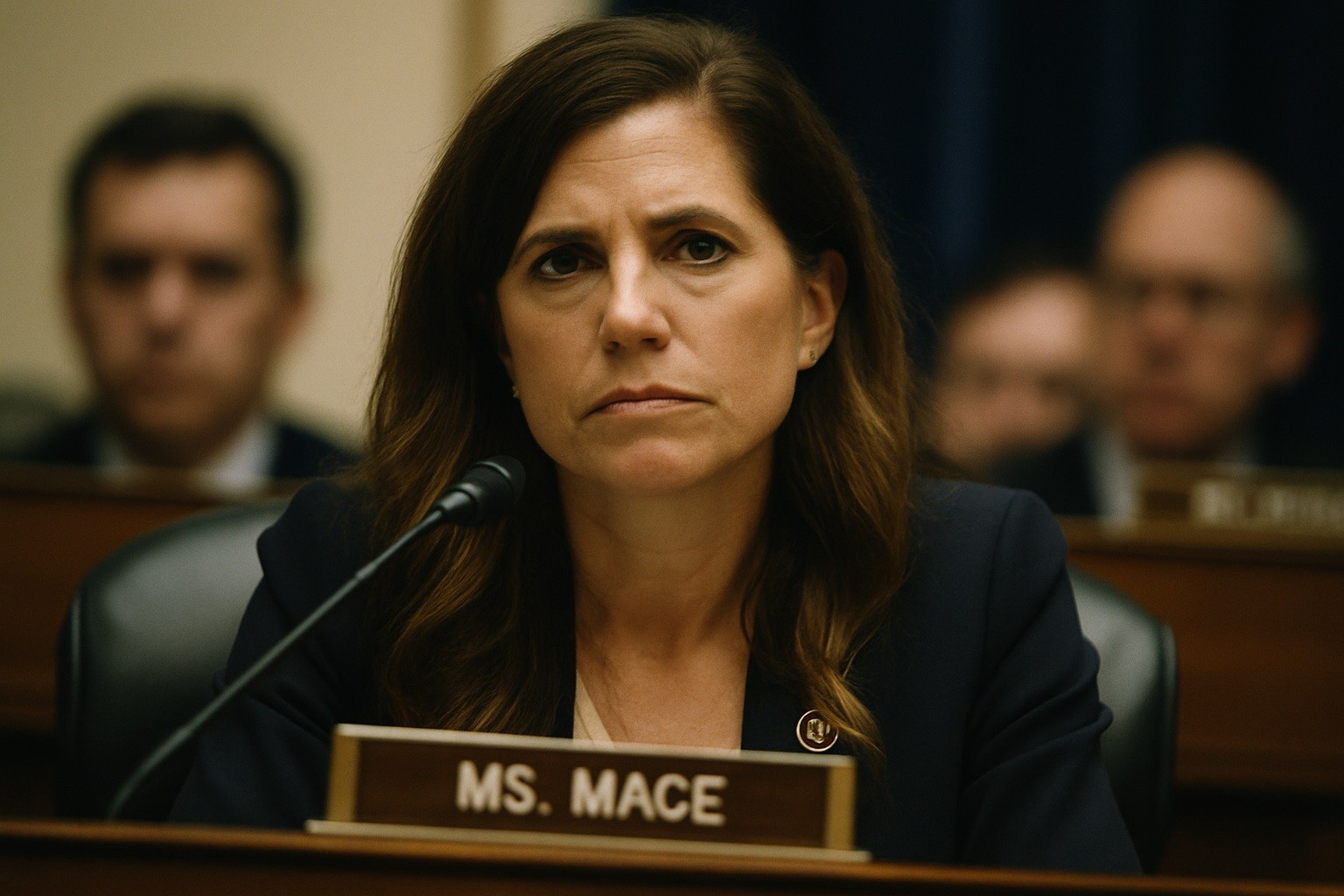
Setting aside the potential implications for midterm elections, the United States’ historical role as an incubator for responses to sexual abuse must be acknowledged. In that sense, Mace’s proposal functions as a warning sign for churches, colleges and universities, sports leagues, and other institutional settings where abuse has occurred.
If, instead of acknowledging that abuse happens and that it devastates the lives of innocent people, churches and other institutions persist in minimizing or dismissing both abuse and its consequences, it is not difficult to imagine similar legislative initiatives emerging in national congresses and parliaments worldwide, even in countries where the death penalty has long been abolished.
The politicization of sexual abuse is not new. As Rep. Mace’s growing national profile illustrates, this dynamic predates her involvement, including her role in helping expose elements of the Epstein case. What is new is the scale and potential reach of the debate she has reignited—one that cannot reasonably be assumed to remain confined to the United States.
Perhaps this helps explain why Catholic and other religious organizations have long sought to strengthen ties with national elites in countries where they maintain a significant presence.
True or false, critics widely perceive Opus Dei’s modus operandi—within the United States and elsewhere—as an effort to place its numerary and supernumerary members in positions of influence, including elite judicial appointments such as seats on the U.S. Supreme Court. At the same time, there is also evidence of individuals and groups working actively to prevent such influence from shielding the hierarchy from accountability.
A French referendum on memory
In the coming weeks, one illustrative example will unfold in southern France, where Jean‑François Blanco, a lawyer representing several victims of clergy sexual abuse, is attempting to unseat François Bayrou, a former French prime minister.
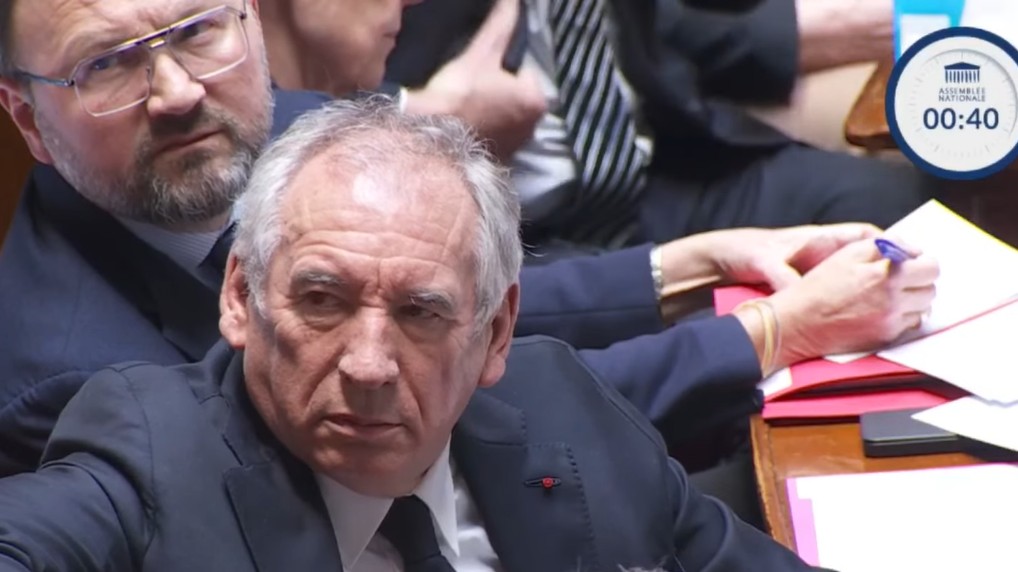
Bayrou served for more than nine months as head of the French government and, owing to the peculiarities of the French political system, simultaneously held the office of mayor of Pau—a small Pyrenean town where the now‑defunct Catholic school of Our Lady of Bétharram once operated.
Blanco is running as the mayoral candidate for the left‑wing coalition La France Insoumise (LFI). Members of parliament from that coalition, most notably Paul Vannier, played a central role in nationalizing the debate over what occurred at Bétharram.
English Edition
Bayrou, French Prime Minister, to testify on sexual abuse
As previous installments of this series have detailed, Bayrou repeatedly denied having been warned by teachers, police officers, and even a judge about abuse at the school—even though his own son was a student there and his wife served as a catechist.
During hours of sworn testimony before a parliamentary committee, Bayrou maintained that he had no knowledge of what was happening, notwithstanding the testimony of at least three witnesses. Several French media outlets, particularly Mediapart, as well as legal complaints filed by survivors, have alleged that Bayrou “turned a blind eye” to abuse during his tenure as national minister of education in the 1990s.
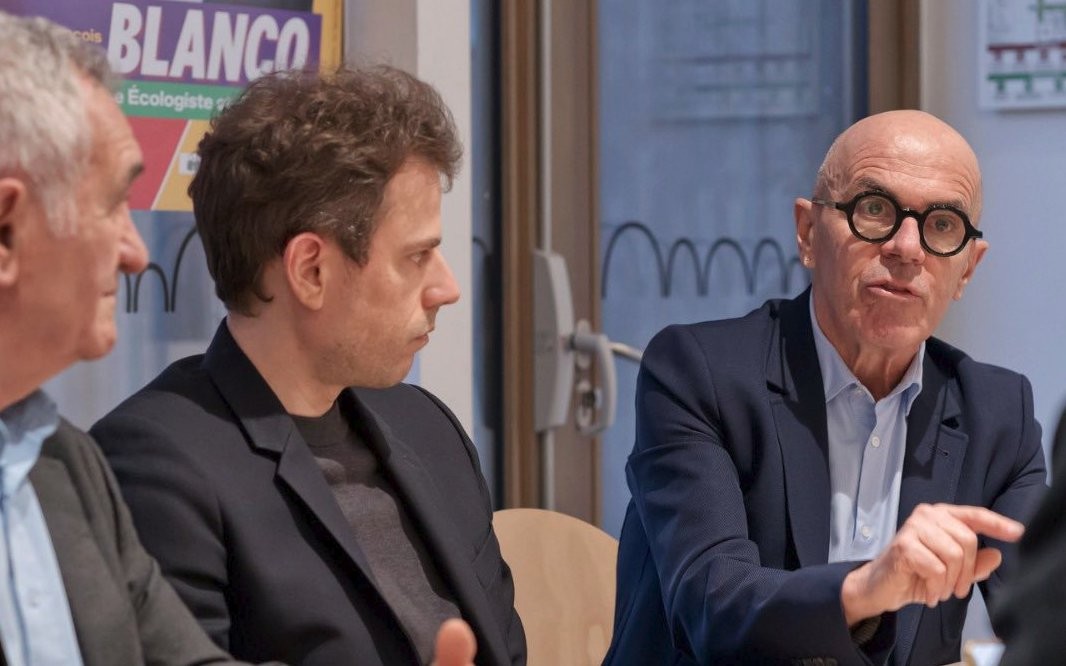
The irony of the current campaign in Pau is that Blanco, running under LFI’s banner, has found political oxygen in a region historically resistant to that party’s platform. Abuse at Our Lady of Bétharram has accomplished what decades of electoral politics could not: it has shattered institutional trust, making a left‑wing challenge to a former prime minister not only possible but potentially devastating.
Blanco has also framed his campaign as a referendum on Bayrou’s handling of the Bétharram case and on the broader system of elite agreements that have long shielded priests and other prominent local figures from accountability.
Limited opening
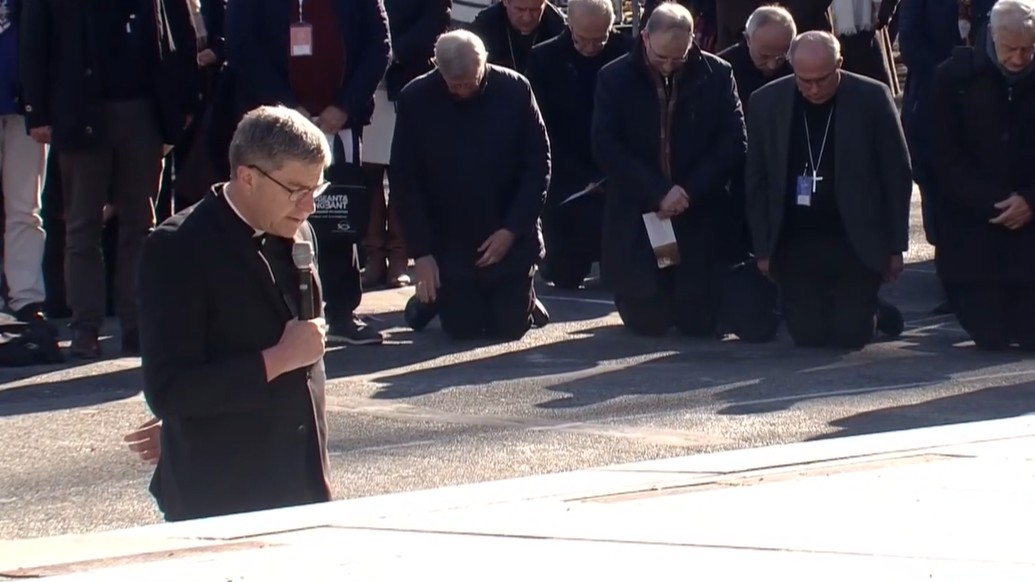
These developments coincide with a moment of intense pressure on the local Catholic hierarchy. The bishop of Bayonne, Marc Marie Max Aillet, has accepted a limited opening of diocesan archives (content available in French)—a step he had previously resisted, even as most other French dioceses opened their files to the commission behind the Sauvé Report.
English Edition
Bétharram, a mirror for all countries to look at
While Aillet’s decision marks progress, it likely comes too late to dispel the perception that earlier resistance was intended to protect former bishop Pierre Jean Marie Marcel Molères, appointed coadjutor in 1986, and possibly his predecessor, Jean‑Paul‑Marie Vincent, who served from 1964 to 1986.
The appointment of Molères—effectively overshadowing the late bishop Vincent—remains a telling indicator of the turmoil within the diocese during the decades when many of Bétharram’s most notorious abuse cases occurred.
Although French bishops have accepted most reparation demands from former students, at least one request has been denied. While the school itself no longer exists and its real estate is slated for sale to fund reparations, the broader outcome remains uncertain.
This is particularly true given the growing number of abuse cases emerging from Catholic schools across France—an epidemic incubated over more than four decades, with consequences that remain difficult to predict.
France’s willingness to confront this history stands in sharp contrast to conditions in Latin America.
The risk of denialism
While the French Catholic hierarchy, under pressure from an unsealed past, has begun to yield to demands for transparency, much of Latin America remains mired in an earlier phase of denial—marked by persistent efforts to push local Catholic communities toward minimization or outright rejection of survivors’ claims.
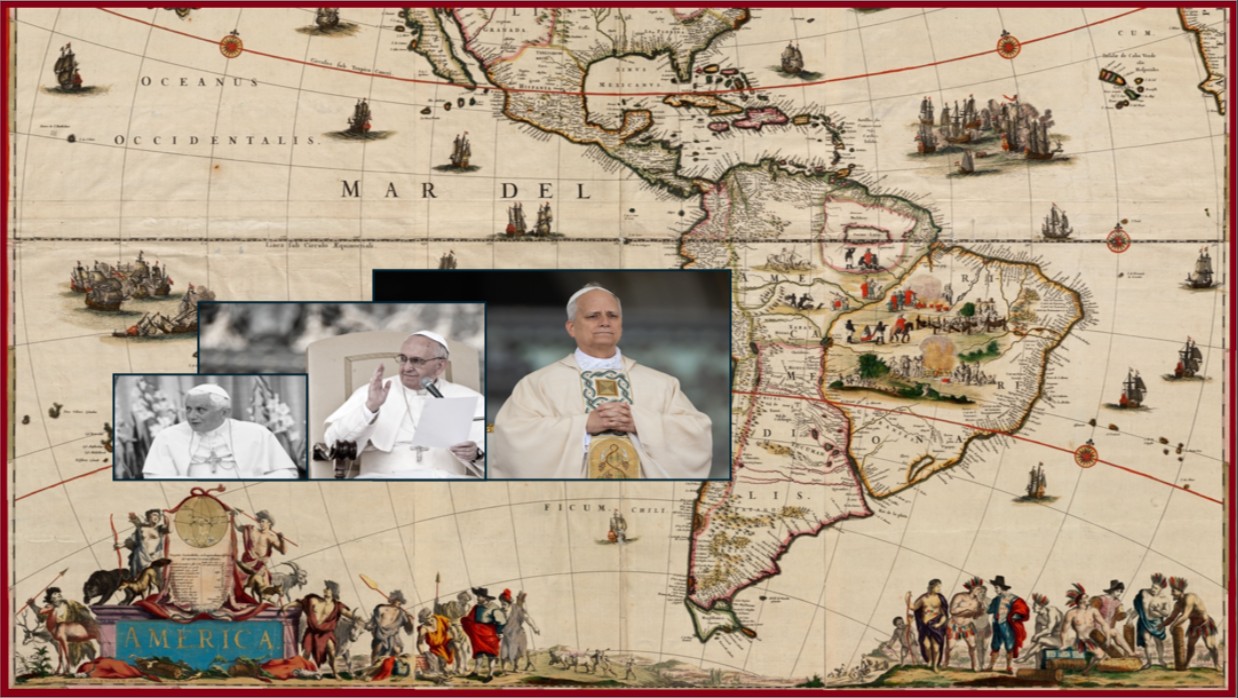
This attitude is sometimes reinforced by narratives such as Benedict XVI’s claim that clergy sexual abuse was a byproduct of 1960s modernity—even though, as head of the Congregation for the Doctrine of the Faith, he would have been aware of how abuse cases were handled in Latin America as early as the 15th and 16th centuries
English Edition
The Inquisition’s long memory and sexual abuse
No national conference of Catholic bishops in Latin America has produced anything comparable to France’s Sauvé Report. Reports submitted to Tutela Minorum routinely lack evidentiary support, and in countries such as Mexico, episcopal conferences have claimed full compliance with Vatican directives despite the absence of verifiable action.

English Edition
The Catholic Church’s report on clergy sexual abuse
And even if there seems to be no end to the discoveries about the scale of past abuse, in Europe it is possible to witness some effort from the Catholic and other churches to acknowledge past mistakes. Last week this series went over the case of Poland how there the myth of the Church as perpetual victim is coming to an end.
English Edition
Leo XIV’s bitter Lent season
Zero-detection rate
Following that approach, on Wednesday, February 25, the Franciscan province in Germany, acknowledged what its current superior Markus Fuhrmann called a “total failure” to deal with abuse in the convents, parishes, schools, and other works under their pastoral guidance.
The study, conducted by the Munich-based Institute for Practical Research and Project Counseling (available here but only in German), focused as many other studies recently commissioned by dioceses and orders in the German-language world on the period from 1945 to the present.
Even if the study was only able to identify a minimum of a hundred victims, most of them males while they were underage, there are also females. It also identified a minimum of 98 suspects, including members of the order and employees. Most abuse occurred in the order's educational institutions, boarding schools, and children's homes.
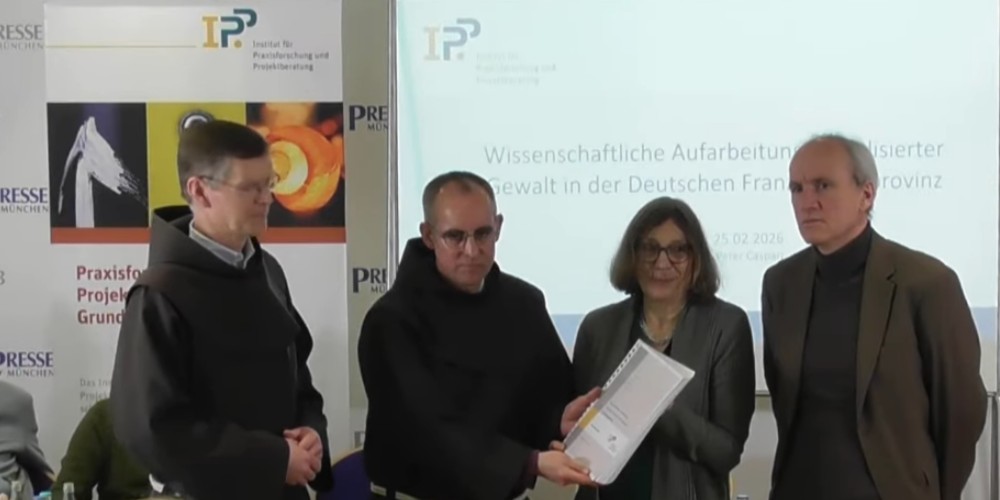
Unlike what it is still the norm in Latin America, the report acknowledges an “institutional silence” and how, at least until the 2010s, “sexualized violence” was consistently denied or only admitted under extreme external pressure.
The German Franciscans are willing to admit how their order was able to achieve a “Zero detection rate,” that is to say, through the “institutional silence, for decades on, there was no single case “uncovered from within the order’s own ranks,” any acknowledgment of wrongdoing came as a consequence of external probes at the request of survivors of abuse.
That is why it is necessary to pay attention to the potential effects of Rep. Mace’s bill in the United States. Unlike what happens nowadays in Europe and what has happened in the U. S. at least since the Aughts in, Latin America bishops largely remain in a state of denial regarding active cover-ups.
But even in Europe responses to sexual abuse are far from even, If in Ireland, the United Kingdom, France, Germany and more recently Spain it is possible to see an "arc," an evolution of the issue, going from the denialism in the Catholic, the Anglican, and other Christian churches in the late 20th century, to the current acknowledgment that there are issues in desperate need of attention, in Italy the national conference of Catholic bishops is less than willing to deal with what has happened there.
To no one's surprise, members of the ruling coalition see a chance in pursuing "at least" the chemical castration of sexual predators. The issue plays nicely into the script of most far-right identitarian parties, as such in Giorgia Meloni's current Italian government.
They are able at once to play the "tough-on-crime" card while also playing the "victim-of-Brussels" card, as there are stern laws preventing Italy or any other member of the European Union to go back to the death penalty and even warning them about the potential consequences of using chemical castration or other similar procedures as punishment.

The Italian take on the issue is actually closer to what happens in Latin America than to what one sees these days in Europe, with the German Franciscans report as the most recent evidence.
In Italy, as in Latin America, the national conference of Catholic bishops still bets on avoiding transparency and accountability while performatively adhering to an alleged stern sexual morality contradicted by the crimes perpetrated by predator clergymen. Nobody should wonde why, in the most extreme cases, the contradiction forces victims of clergy sexual abuse into suicide as the story from Ecuador after this paragraph proves.

English Edition
Suicide at the Congress
On top of that, when dealing with Latin America one must be aware of how dangerous is to add irreversible, high-stakes "solutions" as the death penalty into systems already plagued by judicial dysfunction.
Latin American justice
Latin American systems of justice are already overburdened with lengthy sentences, the systematic mistreatment of convicted felons, and large jailed populations of individuals without a sentence or even the semblance of a trial for decades.
Any textbook on Latin American justice would immediately identify several structural problems, the most notable: overburdened bureaucracies, arbitrary criteria and processes, procedurally abusive, prone to prolonged pre‑trial detention and structurally hostile to due process.
Adding the pressure of a death row to those systems, with the drama it usually brings to any proceeding even in countries with a long memory of how to deal with such cases, would only create more chaos, tension and the potential for corruption, as the stakes to avoid the death penalty would increase.
In Mexico itself there was already a change in the legislation to increase the severity of the penalties. It is unclear what will the outcome of the reform be, but Spes Viva, a local advocacy group, already celebrated the reform with a statement issued on February 26 (content in Spanish), calling for additional reforms to facilitate addressing the many pending cases in the country.
The situation is similar all the way down to La Paz, Bolivia, where a few days before, Jéssica Echeverría, the vice minister for Equal Opportunities signaled that by early March a new commission with representatives of the Executive and the Legislative branches would start going over pending cases in that country.
It is unclear how far the Commission will go, as the new government there shows no sign of sympathy for that kind of crimes, as most far-right governments, but Rodrigo Paz in Bolivia has an incentive to pursue the issue with a wide net as there is a pending accusation of sexual abuse against Evo Morales, the former president of the country.
Morales “disappeared” from the public eye by the end of 2025, allegedly because of chikungunya. He barely reappeared on February 19. Four days later, national prosecutors moved forward with a formal arrest warrant for the 2016 statutory rape case that has haunted Morales for the last decade or so.
The former President and darling of the Latin American left has framed the accusation as “lawfare” to block a future presidential candidacy. And he is not the only high profile Latin American politician facing similar accusations, in Nicaragua, Daniel Ortega, the local strongman has been accused by Zoilamérica Narváez, Rosario Murillo’s daughter with a previous couple, of abusing her while she was a minor.

English Edition
The Catholic Church in Nicaragua: a new twist in the plot
Authoritarian temptations
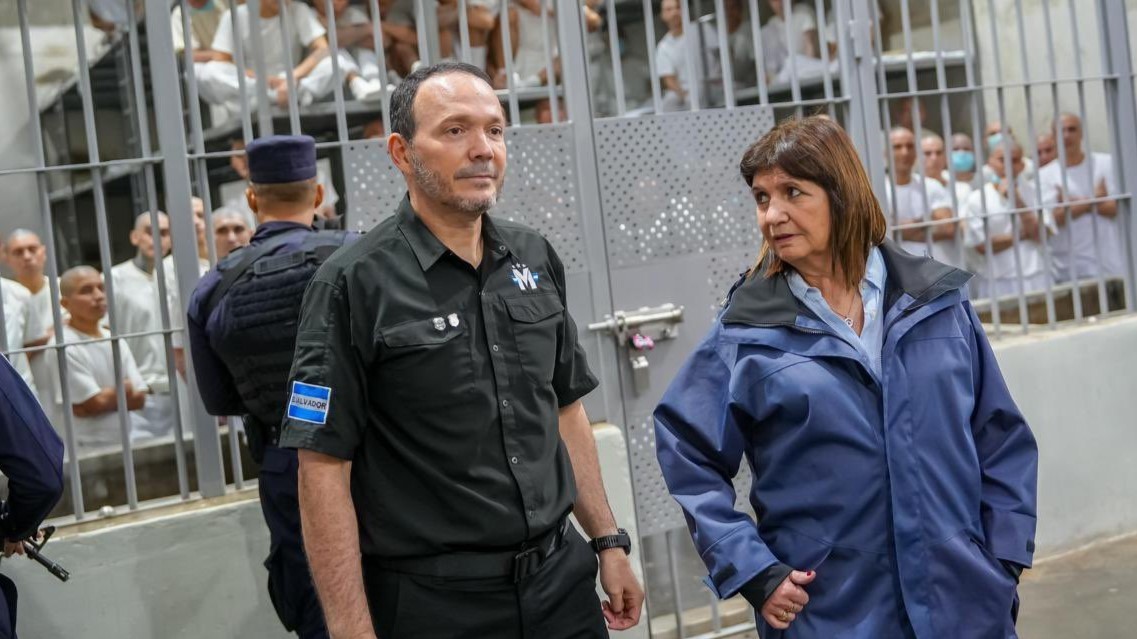
Even if it is hard to imagine the governments of Brazil, Colombia, Mexico and Uruguay, at least for the time being, supporting the death penalty in sexual abuse or in any other type of cases, it is harder to say the same about the future of Argentina and Chile, now closer to the kind of authoritarian rule one sees in Washington, D.C. these days.
One only needs to look at El Salvador to see how easy it was for Nayib Bukele to obliterate any semblance of democratic rule or respect for Human Rights, and how both Javier Milei and José Antonio Kast, presidents of Argentina and Chile, respectively, have paid lip service to Bukele’s model using it as a potential example to follow in their own countries.
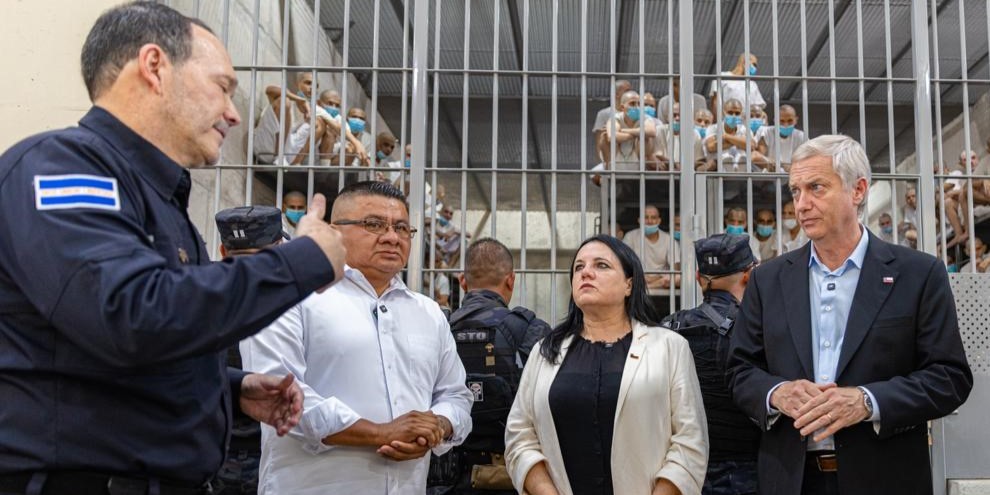
In contemporary El Salvador, one only needs to be seen as issuing a criticism of the sitting President to become the target of harassment and lengthy stays in a 21st century version of the old French prison the Devil’s Island, as proven by lawyer and human rights’ advocate Ruth López’s (content in Spanish) case or how Cristosal, the NGO López works for was forced to exit El Salvador back in July 2025.

It is even harder to predict what could happen in the future in Peru, about to enter its own election cycle or in countries ravaged by drug-violence such as Ecuador or Mexico itself where so-called “Mano dura” (iron fist), often military-driven solutions have been pursued for the last 20 years or so with little or no success.
In Mexico, 2007 was the year large-scale military driven operations started and ever since, 19 years after, the minimum number of homicides in the country has never been less than 8,000. For 16 of those years, the minimum number of murders has been 20,010 (2014), and for 12 of those 19 years, the floor has been 25,079 (2025), with little or no expectation of an actual change, despite Claudia Sheinbaum's repeated claims about a decrease which, in any case, would only be a return to the 2010's "normal" set by Felipe Calderón Hinojosa.
Even if in Mexico one sees no display of military-like discipline in prisons such as CECOT (Center for the Confinement of Terrorism), a main driver of Andrés Manuel López Obrador's reforms to the Mexican penal and civil codes as to unify them, jail populations have been growing as there are more crimes with compulsory "preventative prison," that is to say, crimes for which the very notion of bail has been obliterated by an allegedly "leftist" and "humanist" government which, strategically, avoids any criticism of Bukele's policies.
And that has happened on the tailcoats of an ever increasing involvement of the Armed Forces in the management of customs, building of airports and trains, and the very ownership and operation, as trustees of the Nation if one was willing to believe López Obrador bombastic rhetoric, of those airports and buildings.
Oddly enough, the militarization of the customs only turned the Mexican Navy, so small and symbolic for most of the 20th century that was for the most part free of corruption, into the locus of a major scandal as top officers became the masterminds of a large-scale scheme to traffic counterfeited diesel, the so-called "huachicol fiscal."
Dreaming of Mano dura
A basic review of the data on support for the death penalty shows how dangerous Rep. Mace’s bill could be for Latin America.
In Mexico, cartel violence, the high number of feminicides, and child abuse, paired with the prevalence of kidnapping and “disappearances,” drive support for the death penalty up to 70 percent—depending on the pollster, the methods, and the specific timing of the survey—despite the abolition of the last remnant of the penalty in 2005.
Peru faces a situation similar to Mexico's, with comparable levels of support that worsen depending on the political climate and the fact that capital punishment remains a viable penalty there for charges of treason during wartime.
In Brazil, opinions fluctuate cyclically around 50 percent, in a manner similar to Mexico. "Mano dura" rhetoric is frequent and was an element of Jair Bolsonaro's successful 2018 presidential campaign; as in Peru, the penalty remains on the books, though only for war crimes.
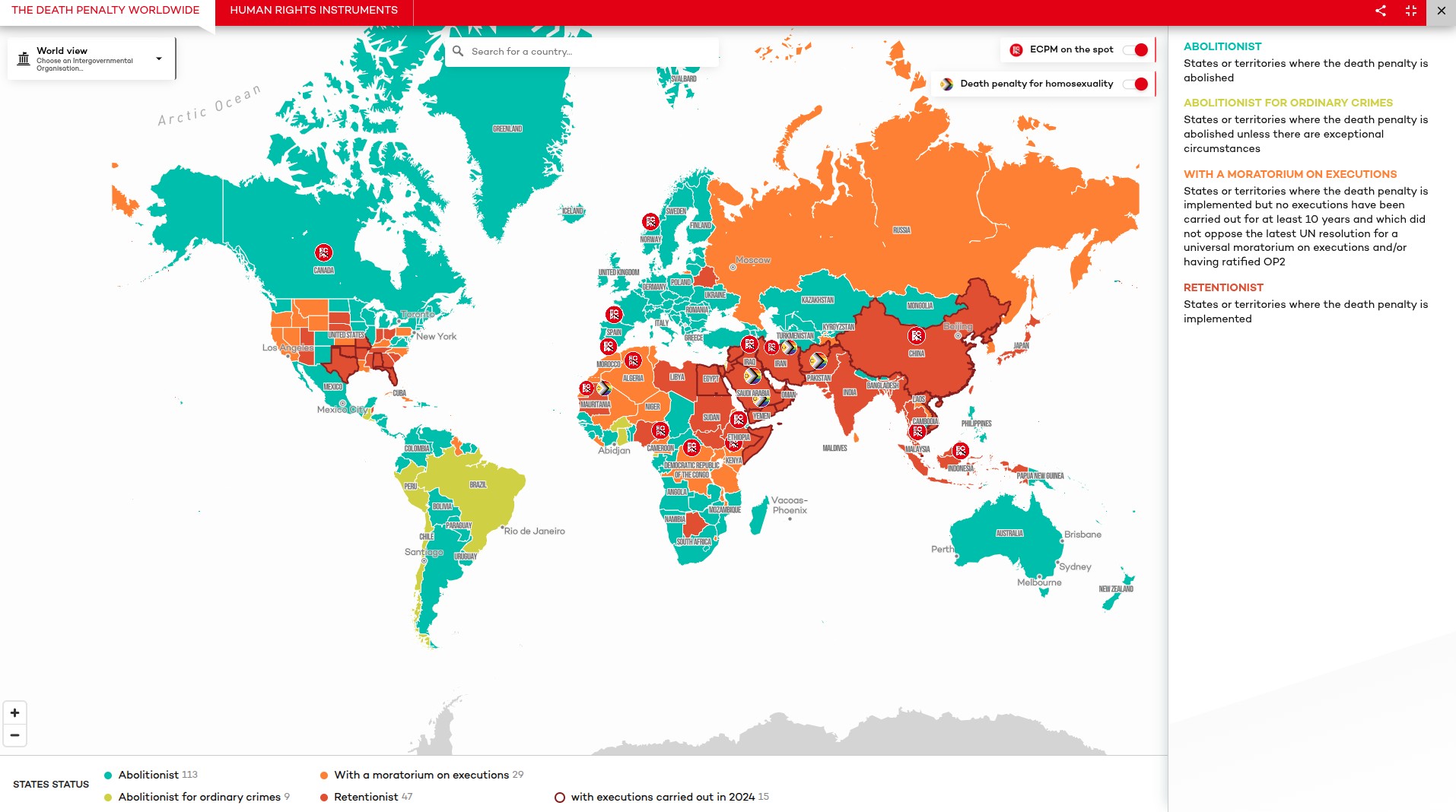
In Argentina, at least prior to Milei, support fluctuated between 30 and 45 percent depending on the methods and the wording of the question, with economic instability and the rise of petty/violent crime serving as the main drivers for calls to reinstate it, despite its abolition in 2008. The variation based on the specific timing and context is also notable.
One of the most comprehensive and recent studies on the death penalty across eleven countries in the region is the one published by Cléber Lopes, William De Soto, Ednaldo Ribeiro, and Julio González in 2022. Unfortunately, like many other research articles, it is under the control of Routledge, making it impossible to present here in PDF format. However, if you have access to digital library services, or if you know how to use a web search engine, it can be found using this identifier DOI: 10.1080/01924036.2021.1995889. To avoid a long list of data references in this section, anyone interested in the details of my sources may send me an e-mail.
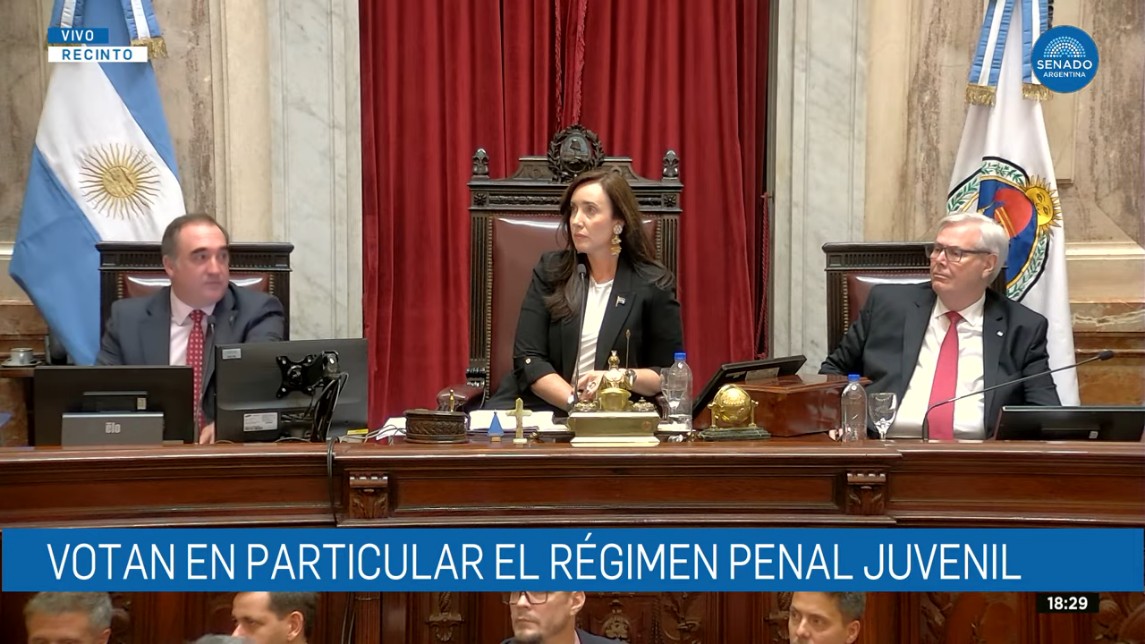
In general, the available data supports the idea that, when confronted with the atrocity of clergy sexual abuse, the Catholic Church in Latin America could soon face something far more complex than a legal battle: a populist current capable of defeating it, as happened this Friday, February 27, in Argentina, when the Senate approved Javier Milei’s bill enacting "mano dura" policies against adolescents despite the explicit opposition of the Argentine bishops.
What remains both a constant and an unknown in Latin America is if the Catholic Church will be willing to read the “signs of the times” as to prevent the further politicization of the clergy sexual abuse crisis. To do so, however, there needs to be more than the usual quota of lip service, carefully orchestrated liturgies, perhaps with the presence of one or several cardinals.
There is a clear need to remove from ministry credibly accused clergymen, a need to address the demands from survivors, and an even more pressing need to acknowledge the true roots of the crisis as such.
As much as it would be a massive win for the survivors and victims of sexual abuse, clergy and otherwise, to pursue new ways to achieve a measure of justice, the extreme formalism of the Latin American systems of law, makes it extremely hard.
English Edition
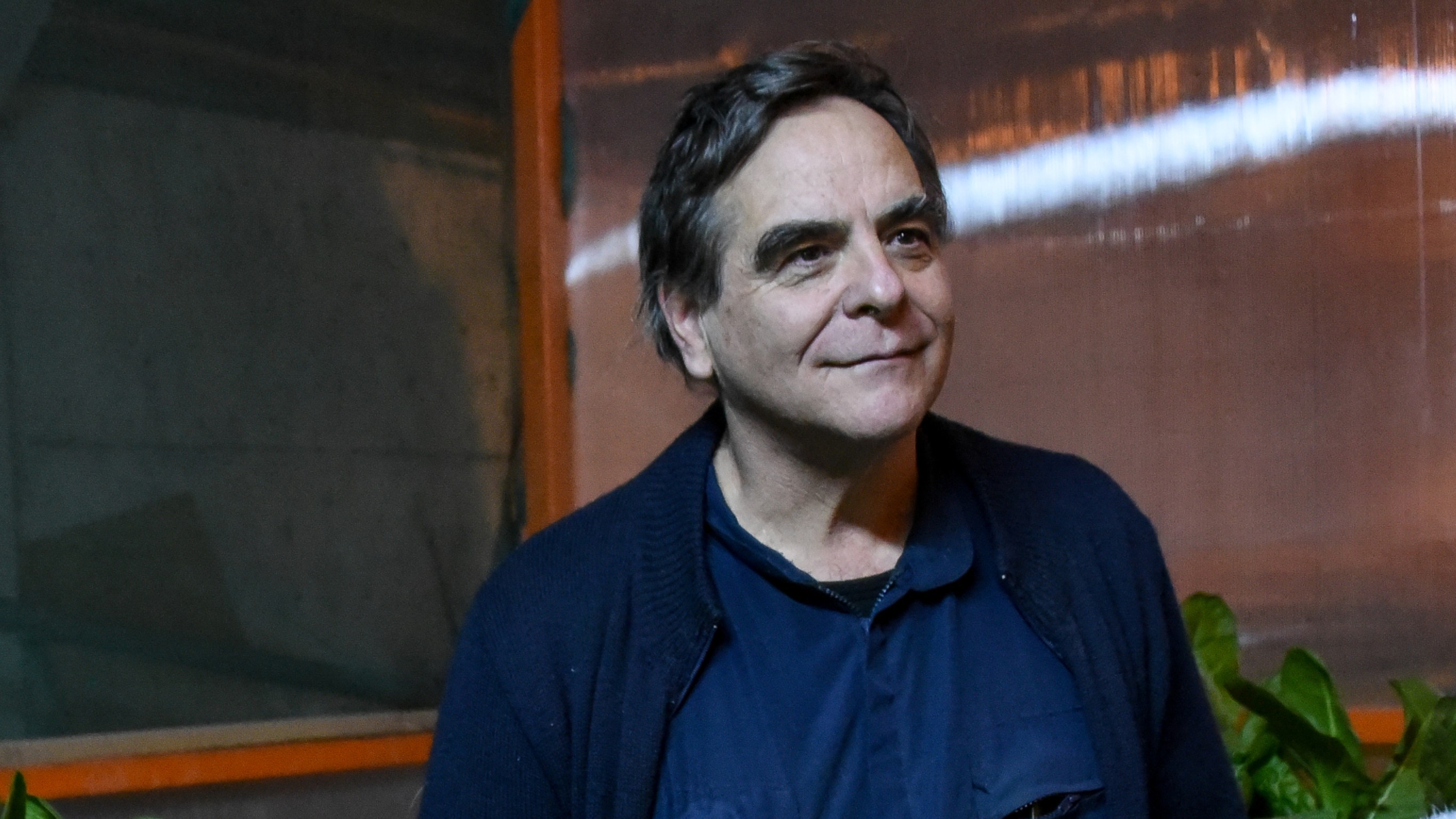
Berríos and Rupnik, the parallel lives of predator priests
Chile passed a law to end the statute of limitations that will benefit for sure anybody who has been or will be a victim after the passing of said law, however, as Felipe Berríos’s case proved (see the story linked above) the law was not passed soon enough to benefit his victims.
To add insult to injury, the Catholic Church was willing to expel him from the Society of Jesus, the so-called Jesuits, and yet the very same Catholic Church keeps him as priest.
The border of accountability
Putting aside the difficulty to understand why the Catholic Church does that, his case proved how hard is for Latin American systems of law to open something akin to the look-back windows that the state legislatures of California and New York passed before the pandemic.
Other states in the United States have been unable to do so, at least so far. In Pennsylvania, survivors remain trapped in a years-long constitutional gridlock, while in Maryland, there is hope with a sudden “opening of the floodgates” that has essentially paralyzed the local courts. In Illinois it is anybody’s guess what the outcome will be.
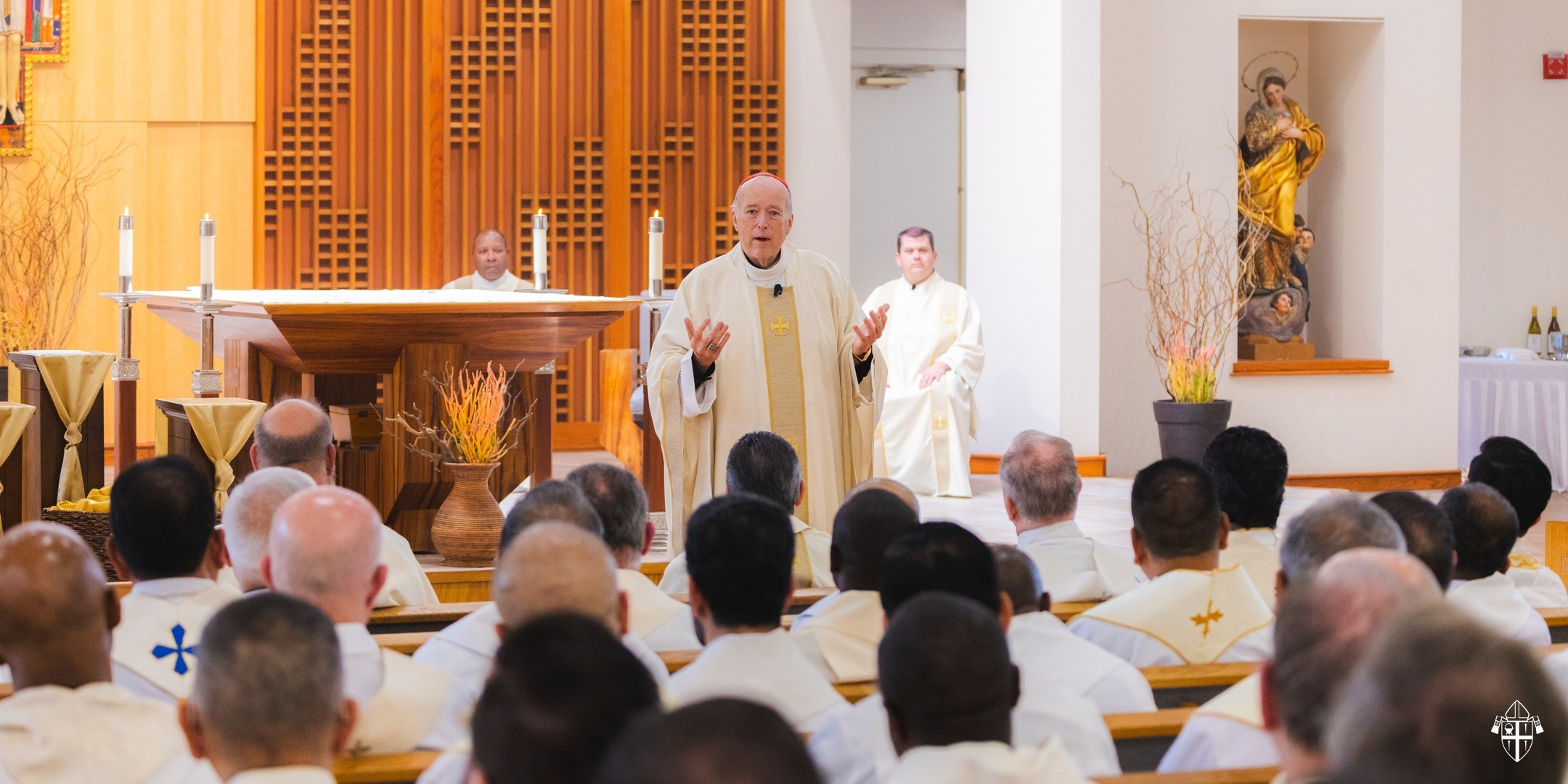
Sadly, as the story linked before this paragraph proved, if in California there was the political will of the Legislature in Sacramento to develop the look-back window and the intelligence of the Catholic Church to acknowledge its defeat in the decades’ long effort to minimize the scale of the crisis, on the other side of the border, the Catholic bishops of the Mexican Baja Californias, do their best to insist on denying not only the case, but any responsibility towards the survivors, as the story linked after proves too.

English Edition
Baja California and the clergy sexual abuse crisis
If the Common Law system in the United States, with its tradition of so-called “legislative grace,” struggles to reconcile retroactivity with the Constitution, after all California and New York only opened a look-back window for an extraordinary situation, they never aimed at trying to fully eliminate the statute for all past cases, it is almost impossible to imagine a similar path in Latin America, where the rigid Civil Law tradition views an expired statute of limitations as an untouchable “vested right”, as Berríos’s case proved.
France faced the exact same problem and that is why the French bishops’ decision to address the needs of the survivors is so relevant to understand a potential future for the clergy sexual abuse crisis where, instead of providing incentives to its politicization, the bishops of Latin America could follow their French brethren example.
Sadly, there is little or no hope of something similar happening on this side of Atlantic and south of the Rio Grande. Perhaps, in the end, politicization is the only viable solution, but one needs to be aware of the implicit risk of letting that happen.
The sad reality is that if one goes over the social media of many dioceses all over Latin America, the hierarchy as much as the most loyal of their flocks, are still unwilling to acknowledge the scale of the crisis, much less to acknowledge the need to repair the damage done so far.
English Edition
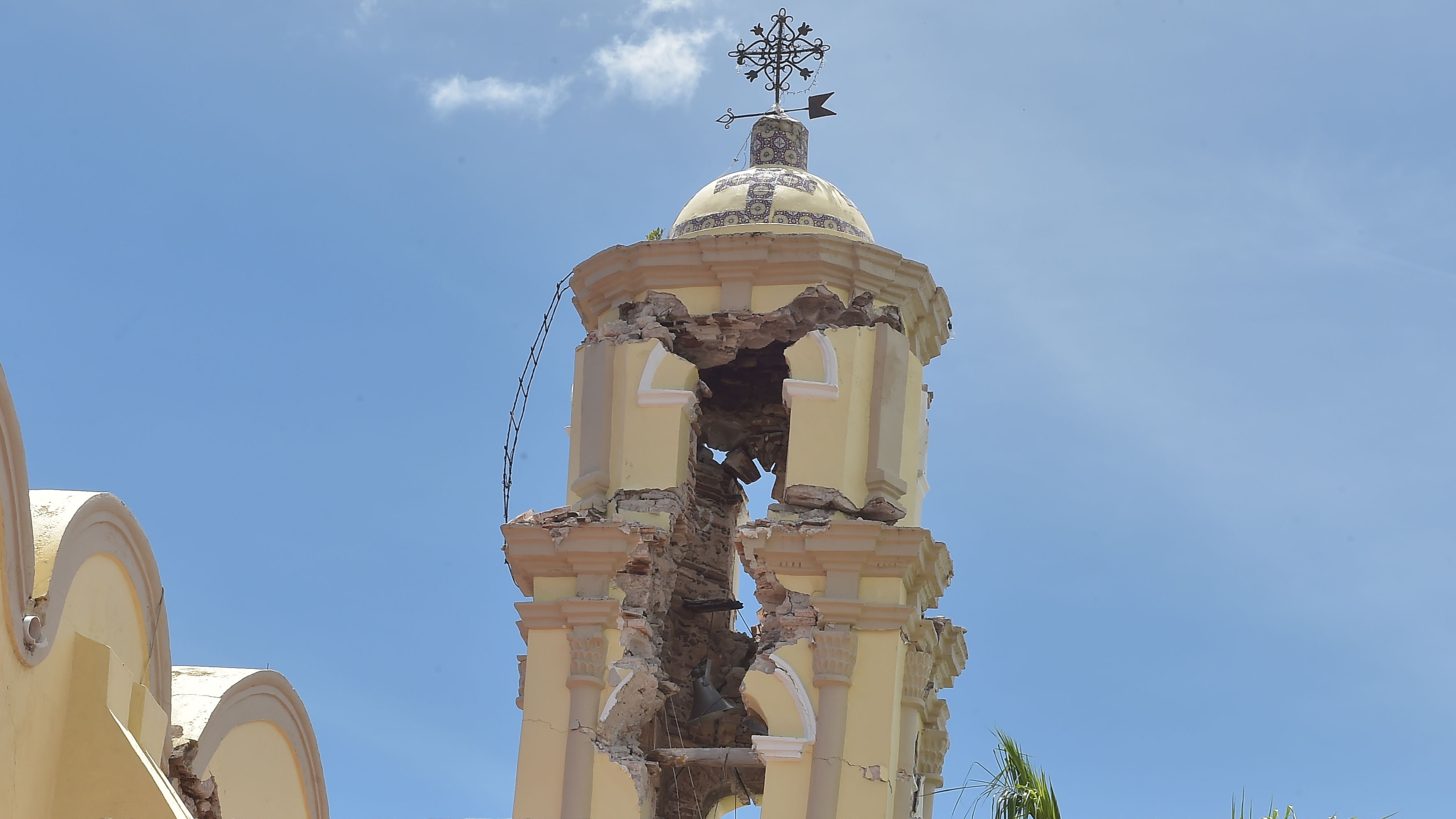
Latin American Catholicism, decades of loss
The Catholic Church in Latin America faces a stark dilemma. Continued denial risks fueling populist backlash. Sooner or later the national conferences of bishops, the Episcopal Council for Latin America and Rome itself must assess if denialism and even the active attacks on survivors, their families and advocates is a real solution.
The examples from France, Germany and Spain, suggest that, at least in Paris, Berlin and Madrid, something has changed. Sadly, no such change is evident in Mexico City, Buenos Aires or Bogotá.
The national governments must also take note that sexual abuse is not limited to religious settings and that genuine accountability demands structural reform that many legal systems in the region are ill-equipped to deliver. While politicization may appear unavoidable, it carries severe risks: once sexual abuse becomes a tool of punitive populism, justice is subordinated to spectacle, and already fragile institutions may suffer irreversible damage.
Both the national governments and the national conferences of bishops need to acknowledge that without transparency, survivor-centered responses, and institutional reform, extreme punishment will not end abuse, it will rather entrench injustice.
* * *
A summary of this piece is available as audio after this paragraph.
Note on production: The text of this summary was written and edited solely by the author. The delivery of the audio summary was achieved using a high-quality, text-to-speech engine Microsoft Word for Web. The AI was used for voice generation only, not content creation.