Rodolfo Soriano-Núñez Lunes, 25 de Noviembre del 2024
Meanwhile, in Ecuador a group of priests, nuns, and laypersons issue a letter with names of 19 priests accused of clergy sexual abuse.
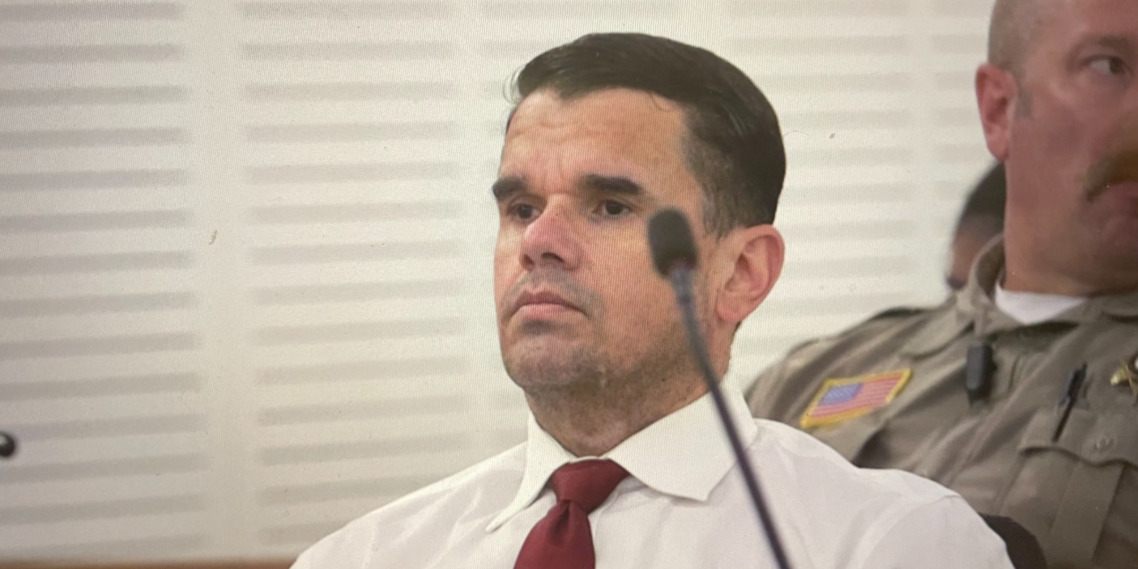
In California, a minister of the Luz del Mundo Church gets a minimum of 26 years in prision for the sexual abuse of three teens.
By Rodolfo Soriano-Núñez
Myriam’s story would not be told without paying attention to the consequences clergy sexual abuse has had on her health. The canonical file of her case offers a valuable insight into the consequences of that kind of behavior, the disdain with which bishops and other supervisors of clerics deal with said consequences and, also a window into the personal pain victims of sexual abuse suffer and deal with. In this case, as a victim of Roman Catholic clergy, although the effects are similar in other cases.
Even if she was willing to adhere to the notion of sexual purity the Roman Catholic Church proclaims as its “rule”, Myriam has been forced to deal with sexually transmitted diseases forced upon her by her predators, not to mention the physical pain coming as a result of sustaining unwanted and violent sexual relations.
But also, she has had to deal with the theological confusion resulting of the ways in which victims with a certain idea of being the offspring of a loving God have to deal with the violence on them by the same males who claim to be the representatives of that God.
And then, if that was not enough, there are the effects of the almost permanent gaslighting of a hierarchy willing to proclaim their alleged observance code of “zero tolerance” that they do not respect in practice.
In that regard, Myriam’s canonical file is, at the same time, a medical expedient of sorts, providing a relatively accurate tale of how her health has been declining, and the effect that the repeated abuse on her has had. This, probably, is the consequence of how male clergy share the knowledge of who among the female religious are either weak, vulnerable, or as in Myriam’s is partially blind.
Her partial blindness was an issue when she was already a teen. Despite the pain she went through, she was able to partially recuperate her sight, and that prompt her to offer her life, her gifts, to the loving God she still believes in. That, despite the fact that among the medical prescriptions in the file it is possible to find some from ophthalmologists, a specialist on eyes.

And even if she lives a healthy life: no tobacco, no alcohol, the frugal existence a nun living who is forced to live in, there was no way for her to prevent the sexually transmitted diseases that one of her predators put in her body when he raped her.
Three strokes
The stress created by the repeated assaults on her combined with the diabetes mellitus have made her the victim of at least three strokes or Cardiovascular Accidents (CVA) with lasting consequences for her health, wellbeing, and the ability to support herself.
In the medical report that appears after this paragraph it is possible to see the kind of affections that sent Myriam to the emergency ward of a private hospital near Mexico City, back in August 2018.

The document tells she was admitted to the hospital at 10:50 PM, after she was in pain and dizzy for several hours. The attending is unable to decide whether the CVA she suffered was “hemorrhagic”, that is say it was caused by a ruptured blood vessel in the brain, or if it was “ischemic”, caused by a blockage in a blood vessel, preventing blood flow to the brain area affected.
That day, on top of the dizziness, nausea, and other issues, Myriam reported the attending doctor her chronic diabetes, two types of Herpes, on top of a urinary tract infection.
All these are illnesses for which Myriam gets little or no help from either her order or other entities of the Roman Catholic Church as the dioceses she has worked with (Tuxtla Gutiérrez, Izcalli, among others). For her, a nun ill, survivor of clergy sexual abuse, and in her forties, there is little or no help to cover the medical bills.
Although some of Myriam’s doctors are in the Mexican public health system, and they do not charge, in the sample of prescriptions in the first image, only one of the prescriptions, the first one, comes from a public health service, the other three are private doctors who charge for the services, and who cannot offer her free medical drugs or treatment.
On page 30 of the file, Myriam tells how her now deceased archbishop in Tuxtla Gutiérrez, Fabio Martínez Castilla, offered her some “home remedies” to deal with the diabetes and other medical issues that have been affecting her for the last 20 years or so.
Putting aside the fact that Fabio Martínez died in 2023, he never delivered on his promises of offering any kind of relief to Myriam who is a faithful in what used to be Martínez Castilla’s diocese and, above all, is a victim of a former priest there, Francisco Javier Albores Teco.
Not the only case
It must be noticed too that Myriam is not the only case in her own order, much less in the universe of the many Roman Catholic female orders. Being aware of that fact was not easy for her.
At different points during the heartbreaking narrative of the different instances of sexual abuse, it is possible to find references to other nuns, novices, and more broadly to other females being abused by predator clergymen.
On p. 23 of the canonical file, she talks about how, while doing her own laundry she was able to hear other nun talk about how a teenager member of the ADOSEPA (a portmanteau of Teenager and Servidores de la Palabra or Servants of the Word), a juvenile Catholic organization linked to their order, had an abortion after being raped by the same priest who raped her.

In the next paragraph Myriam talks also about a time when Demetrio Vargas, the priest behind all these attacks, had to be rushed to the emergency ward of a local hospital after having had sex with a female.
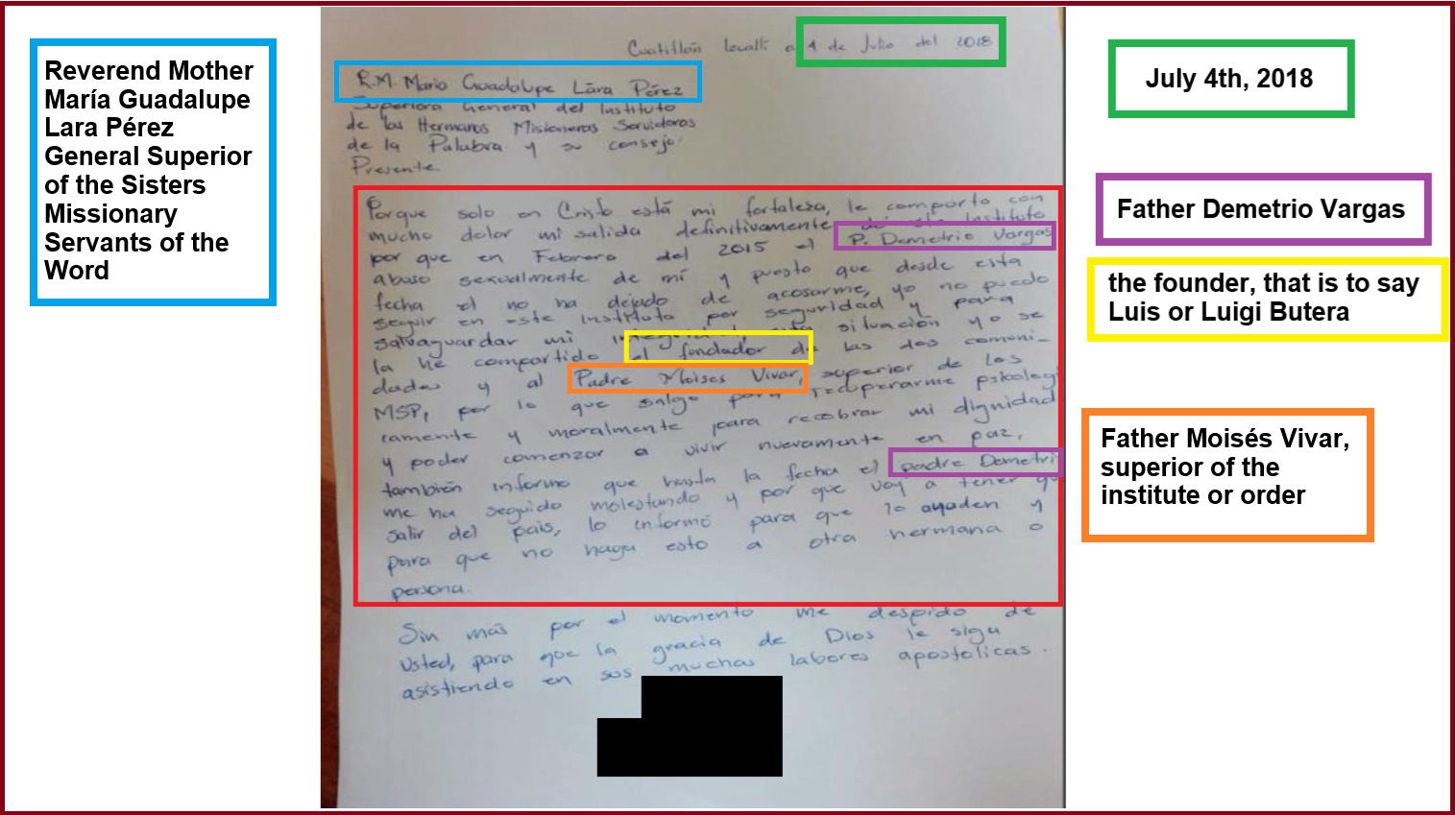
On top of that Myriam includes a picture of the resignation letter to the order of a now former nun, I will call her Alma to protect her identity. There one can read how Demetrio Vargas attacked Alma repeatedly.
Here a translation of the substantive paragraphs of her letter to then superior of the order, María Guadalupe Lara Pérez:
Cuautitlán Izcalli, July 4th, 2018.
Rev. Mother María Guadalupe Lara Pérez
General Superior of the Institute of the Sisters Missionary Servants of the Word and her council
Because only Christ is my strength I share with plenty of pain my definite exit from this institute (order) because back on February 2015, Father Demetrio Vargas sexually abused me and since that date he has been relentless in harassing me, so I can no longer continue in this institute because of my own security, and to protect my own integrity I shared this situation with the founder (Luigi Butera) of the two communities (she is talking about the male and female branches of the order) and with Father Moisés Vivar, superior of the Missionary Servants of the Word, so I leave as to be able to psychologically and morally recover my dignity and to be able to live in peace.
I inform you that up until today Father Demetrio (Myriam’s predator) keeps harassing me, so I will be forced to leave the country, I am informing you this so you can help him and to prevent this kind of attack on another sister or person.
A picture of the letter from this other female victim of clergy sexual abuse at the same order and at the hands of a serial predator appears after this paragraph, with some of the key issues highlighted. I have tried to keep the translation as faithful to the original in Spanish as possible.
It is hard to imagine what would be required for the leaders of the Roman Catholic Church in Mexico and elsewhere to acknowledge the true reach of the clergy sexual abuse crisis.
What is clear is that the crisis keeps ravaging that and other churches because of how clerics, both male and female, become complicit in a system that either finds ways to blame the victim or simply dismisses the cases as personal failures of bad actors, and not as the consequence of the design of the institutions involved in these issues.
Some of those failures of design go beyond the Church. They are related to the way in which the police, the state attorneys, and the judiciary, address the crisis, assuming that it is all about isolated cases, and not about systemic causes leading to the many cases that appear everywhere.
However, some of these failures are the Roman Catholic Church’s fault.
Pope Francis has been able to identify some of those issues, but the systems he has deployed lack the necessary teeth to achieve their goals. Some nuncios do their job, some other only waste time and resources presiding masses wherever there is a chance to attend a party.
Some bishops are willing to at least set up their commissions to prevent clergy sexual abuse, and some other lie through their teeth in grandiloquent, headline grabbing messages to the local media in their dioceses.

As I write these lines, Myriam’s hometown diocese, where she was abused first is vacant. It has been without an archbishop for almost one year. It is not clear why there has not been an appointment for the archdiocese of Tuxtla Gutiérrez, but at least for the time being there is some hope that the new archbishop will be willing to address the clergy sexual abuse crisis there.
At the same time, however, Francisco Javier Albores Teco, Myriam’s first predator who is already laicized, is able to get some deals from the priests running the archdiocese these days. After being released from jail, he was accepted in a house originally designed for elderly priests.
It is hard to understand why he is there but, with no archbishop in Tuxtla Gutiérrez local clergy will do whatever it takes to protect each other. Perhaps Albores Teco is cashing old favors, perhaps he is aware of abuse perpetrated by other priests in that archdiocese.
In any case, it is noticeable too that the archdiocese says nothing about Albores Teco low-key campaign to raise funds, asking the faithful in the second poorest state in Mexico, for special donations to pay for his legal defense, to post bail, and perhaps given the awful reputation of the Mexican police, state attorney, and judiciary to “grease the wheels of justice” in his favor.
Myriam’s trial in penal courts in Chiapas will happen sometime in the future. Given the current crisis in the Mexican judiciary it is impossible to know when the trial against her predator will happen. For now, all she can do is to wait, hoping that her frail body does not betray her, forcing a trip to the emergency ward of a hospital.
An earthquake at Quito?
A measure of how much damage the clergy sexual abuse is doing to the Roman Catholic Church comes from Quito, the capital of Ecuador. A few weeks ago, Los Angeles Press published a story about a suicide at the see of the National Congress in that country.

Suicide at the Congress
The case shook Ecuador to its core as the story linked above tells. It did so despite the frequent news of murders and other forms of violence. Violence is so prevalent in Ecuador, that back in August 2023, Fernando Villavicencio a journalist and presidential candidate was killed after a rally in Quito, as the story linked below tells.
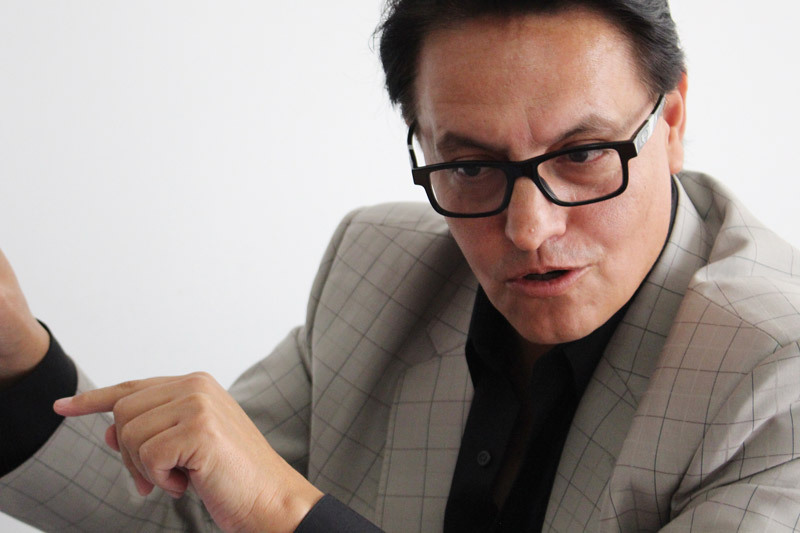
Who was Fernando Villavicencio harming in Ecuador?
As any other country in Latin America, Ecuador has had its share of clergy sexual abuse scandals, and as any other country in the region bishops there talk the talk, but never walk the walk.
And as in any other country in Latin America parish priests, nuns, and lay persons are aware of the extent of the damage. What made Ecuador different this time around is that unlike the grandiloquent statements from bishops and the few commissions to prevent clergy sexual abuse in the region, there an assortment of Roman Catholics found the courage to issue and sign a letter dispelling the idea that their church is doing their best to address the crisis.

The letter includes the names of 18 priests and bishops, besides Franklin Germán Cadena Puratambi, the priest of the diocese of the Galápagos Island who abused the male who decided to end his life in the rooftop of the Ecuadoran Congress.
Up until now, that is the most comprehensive list of clergy sexual predators in Ecuador, but not comprehensive enough. Back in 2023, Los Angeles Press published an estimation of the number of potential predators and victims of clergy sexual in Latin America and other regions.
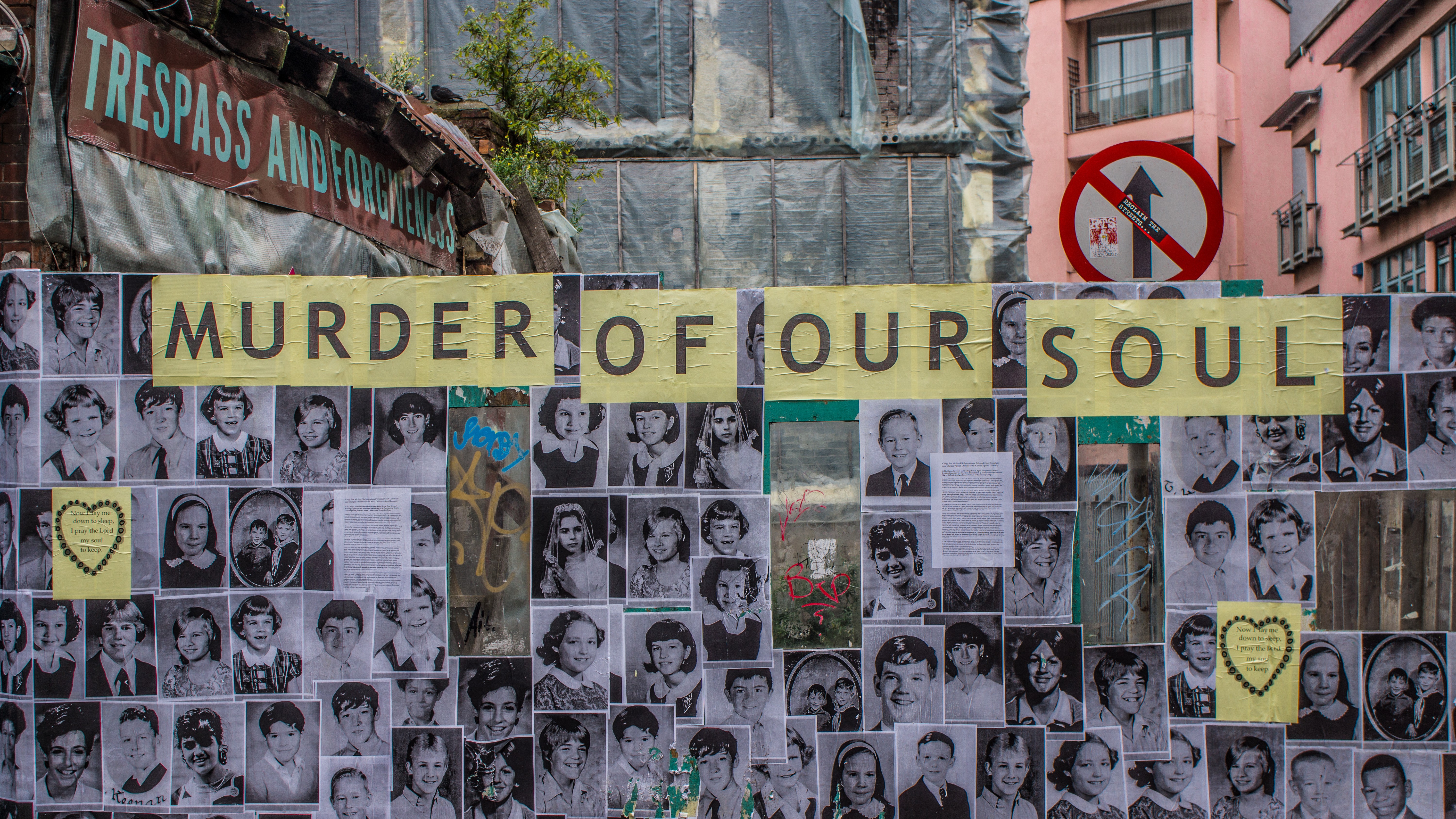
From that installment, available before this paragraph the estimation for Ecuador was at least 95 clergymen and a range of victims going from a lower limit of 2,384 an upper limit of over six thousand, as the table below shows.
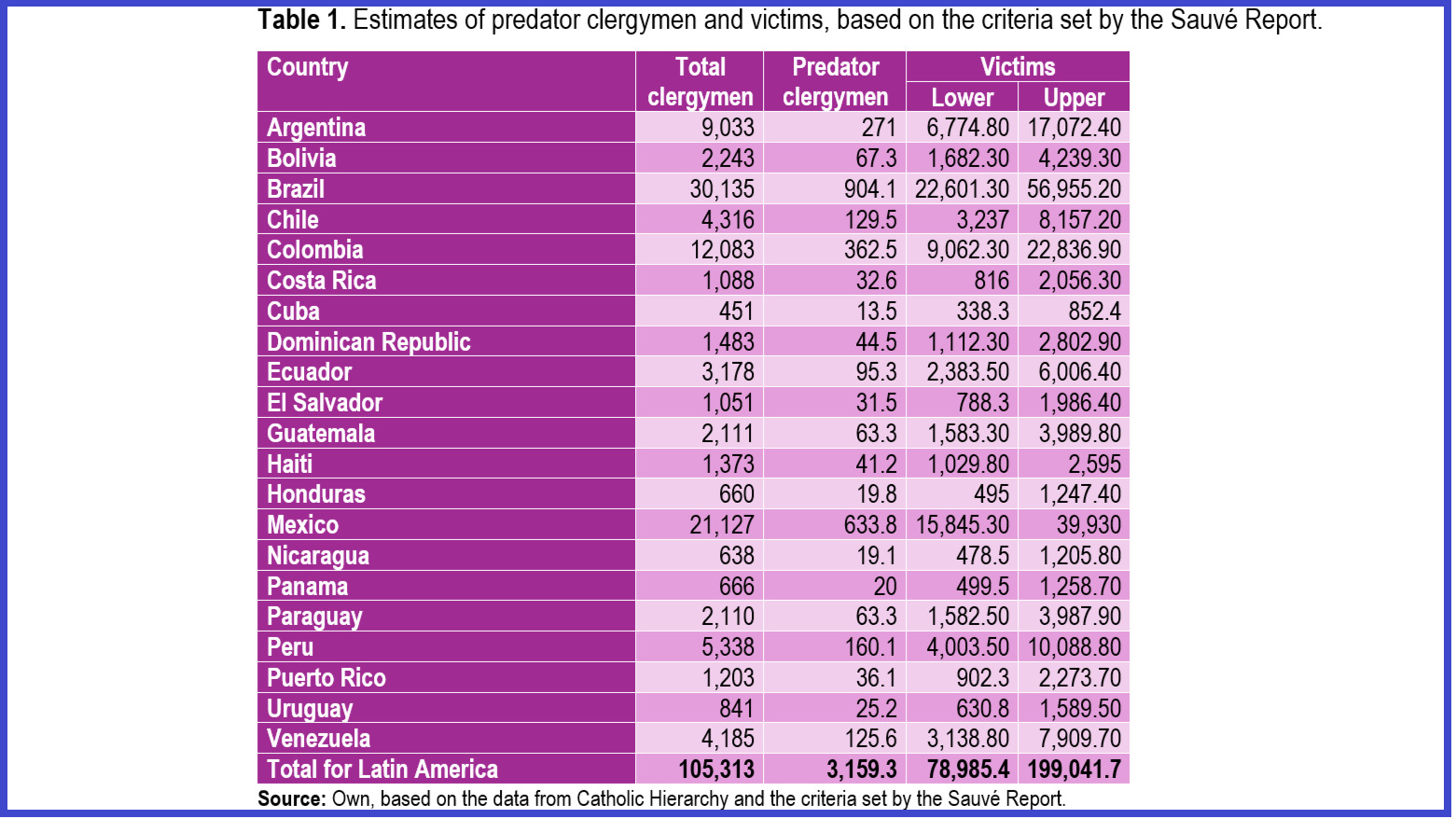
As stated then, the estimate follows the criteria set by the Sauvé Report, commissioned by the national conference of Catholic Bishops in France of a minimum of three percent of the total male clergy, both ordained and non-ordained male religious as a base for international comparisons on sexual abuse, as it appears on p. 162 of the English version of the report.
The Sauvé Report states that “a rate of around three percent of priests and members of religious orders who committed sexual violence against children, constitutes a minimum rate and a relevant point of comparison with other countries.”
Behind the letter and the information on these 19 cases is a group calling itself Solidaridad en Misión, that could be loosely translated as Solidarity in Mission. Wambra, the Ecuadoran news website describes this groups as “priests, nuns, religious males, and laypersons”, but there is no specific information as to how many of the members of the group belong to each category.
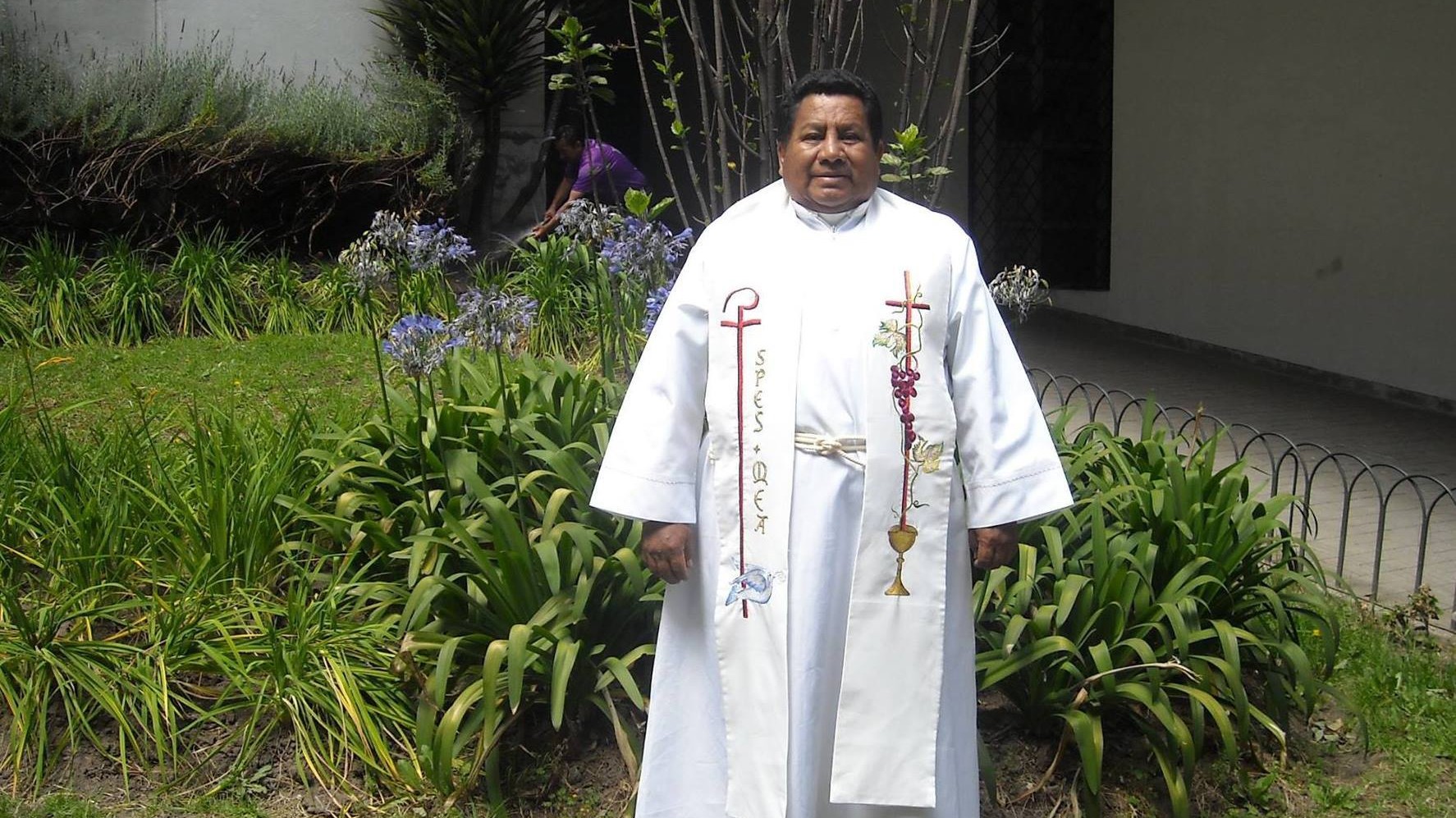
The letter comes with a promise of opening an email account to know about other cases in Ecuador: [email protected]. It is not clear how effective that would be, mostly because it is not clear if they will pursue these cases only in the Church or canonical track, or if they would be willing to help the potential victims willing to answer their call to file a formal complaint with the civil authorities.
The difference is not negligible, as the chances of the Church perpetuating the cycle of silence increase if they only file on the Church track. However, Ecuadoran justice is not known for its ability to provide a measure of justice to victims of this or other types of crimes, so even if they help filing a formal report, chances are nothing will come out of it.
It is noticeable, however, that the letter comes with another letter, a single page message asking the Speaker of the Ecuadoran Congress to address the issue. In that regard the signatories of the letter seem to be aware that even if the Nunciature to Ecuador was willing to have a stellar performance, and there is no evidence that it is willing to do so, there is a real, actual need to amend the existing legislation in Ecuador to actually provide some measure of justice to the victims.
As they are, Ecuadoran laws favor the impunity of the predators whether because in allegedly protecting the identities of the victims, they are actually protecting the identities of the predators, or because of the persistence of statutes of limitation for this type of crimes.
The letter is available in Spanish after this paragraph in the box and as a PDF file for download here.
The letter to the Ecuadoran bishops regarding clergy sexual abuse in their country. Available only in Spanish.
After Welby’s resignation
In Great Britain, the resignation of Justin Welby, the archbishop of Canterbury, leader of the Anglican Communion is not enough to address the many concerns raised by the report issued by Keith Makin, that is part of the previous installment of this series.
British newspaper The Guardian dedicates this weeks’ magazine to Welby’s case raising questions about the potential effects for the Anglican Church, for Christianity in the United Kingdom, and for religion at large there as it is not only the Anglican or the Roman Catholic Church that have been affected by sexual abuse.
As expected, at this point there are far more questions about the future of religion in Britain and elsewhere in Europe than answers. Even if clergy sexual abuse is not enough on itself to demolish centuries and even millennia of religious belief, the available evidence shows that there is an effect undermining trust in clergy, undermining practice, and the very mechanisms that allow for the transmission of faith as a shared experience.
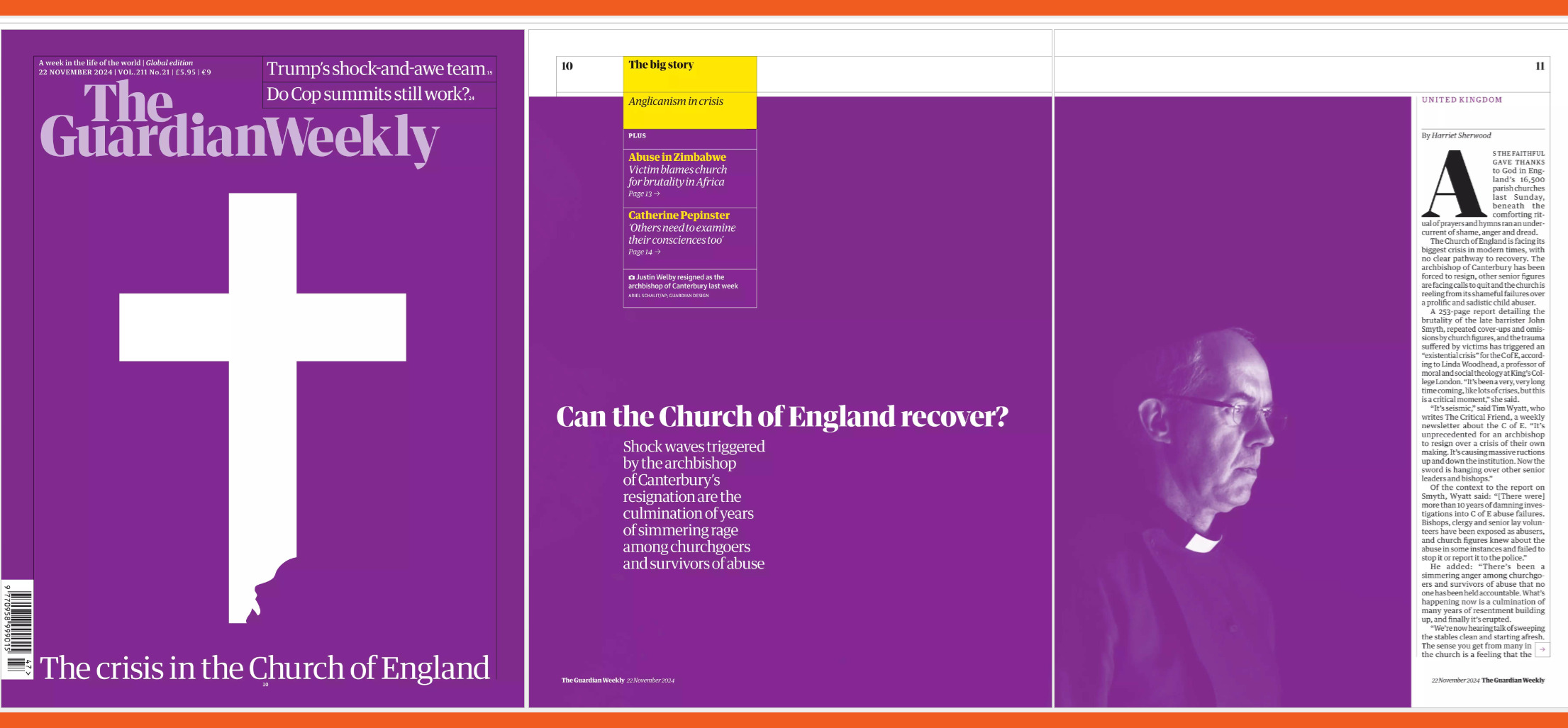
Faith resists by becoming centered around personal or familiar experiences. Priests, whether Roman Catholic or Anglican, covering up for each other or their accomplices in sexual abuse, makes it impossible to believe in the idea of a communal, shared experience, as the letter coming from Quito, Ecuador proves.
The Anglican Church has been in a long cycle of decline for the last 50 years or so and, what is worse, what John Smyth’s case proves is that the solution is not in a return to a severe, allegedly “strict” version of Anglicanism as Smyth used to render himself, whether in the United Kingdom, the United States or in South Africa and Zambia.
As many predators, Smyth was able to thrive in South Africa and Zambia because of poverty, the weak institutional design, the material desperate needs of religious leaders in the Anglican communion in Africa, but also because Anglican and Roman Catholics, as other Christian churches in Africa compete for the “most strict” approach to religion there.
The effects of such competition explain, among many other things the de facto schism in the Roman Catholic Church led by Cardinal Robert Sarah and other African bishops desperate at attacking Pope Francis’s timid attempts at change in his Church.
Predators in jail in California, never in Mexico
What they dismiss when betting on the “most strict” approach is that they invite actors like Smyth who seize the opportunities offered by the weak institutional contexts as those of Latin America and Africa.
In doing so, churches become more and more the hostages of political horse-trading, because they need to cover up the abuse perpetrated by “strict” religious leaders.
In Mexico and some regions of the United States with a heavy presence of Mexicans that has been more than clear in the case the Luz del Mundo (Light of the World) church, that on Friday was slapped with the sentencing to 175 years to one minister of that organization.
Judge John David Mazurek issued a direct sentence of 26 years in jail to Abraham Jatnel Coronado with an additional 175 years sentence after a jury found him guilty of 13 counts of sexual abuse. His victims were three males, ages 13 through 15 at the time of the abuse, between 2005 and 2007.
Those sentences are feasible in California and not in Mexico, not because in Mexico ministers of the Luz del Mundo church are pure or, as the leadership of that church claims, because the State Attorney’s office of California is controlled by Roman Catholics desperate to attack them, but because California has a robust institutional design allowing for the prosecution of cases that would be impossible to pursue in Mexico.
The Luz del Mundo church enjoys impunity in Mexico because of the many political ties said church has been able to cultivate with the leaders of several political parties.
If back in the 1960s and 1970s the then ruling Revolutionary Institutional Party, the so-called PRI, offered Luz del Mundo members positions as aldermen and councilmembers in Guadalajara and other municipalities in that city’s metro zone in Western Mexico, nowadays, ruling party Morena (Movement of National Renovation) repeats the trick with positions in the national Congress.
Abraham Jatnel Coronado is the now former brother-in-law of former senator with the Morena Party Rogelio Israel Zamora Guzmán, a member of the Luz del Mundo leadership.
In the Facebook post after this paragraph, it is possible to see former senator Zamora Guzmán shaking hands with former President Andrés Manuel López Obrador. The posting celebrates López Obrador’s recent birthday. It is a message not so much to López Obrador, but to whoever follows Zamora Guzmán in social media of how close he is to the former president.
If the posting does not display, it can be found here.
Oddly enough, Zamora Guzmán brags as much about his relationship with López Obrador as he does with figures of the Make America Great Again universe in the United States. Before his “Happy birthday!” posting to AMLO, back in October, he posted a laudatory message about a meeting he had with Rudolph Giuliani, the former mayor of New York City. Again, if the posting is not on display, it is here too.
Abraham Jatnel Coronado will spend at least some of his time in jail at Chino, California, next to the leader of that church, Naasón Joaquín García.