Rodolfo Soriano-Núñez Viernes, 21 de Julio del 2023
This installment offers four estimates of the reach of the sexual abuse crisis in the Cathollic Church based on data collected over the last forty years.
It takes the cases of the U.S., Chile, and France to estimate how many dioceses would be affected by the sexual abuse crisis in 64 countries in Africa, Asia Pacific, Europe, and the Americas.
By Rodolfo Soriano-Núñez
One key concern for an analysis of any issue is what is the extent of the damage brought by the issue one is dealing with. That is a question one cannot answer yet since it is almost impossible to find an estimate of the extent of the crisis.
As the French Sauvé Report states, we lack a global estimate of the extent of the crisis as far as the victims are concerned (p. 168 of the English edition). Despite that, we know, that clergy predators can be responsible anywhere from 25 up to 63 victims (pp. 162-163 of the report). The Sauvé Report offers additional estimates, although all of them are valid only for France. They estimate that an 11.95 of the total population has suffered sexual abuse. Almost one-third, happens in family contexts.
The friends of the victim and friends of the family of the victim account for another third, and the rest occurs in other social environments, of which another third happens in Church settings, most of it at the hands of clergy, as can be seen in the next graph.
 The original graph in the Sauvé Report is at page 164.
Main problem is that there is no way to assume that what happens in France can be valid in other contexts. Even if one could assume that the pattern could be similar in Spain, Italy, Germany, and other Western European countries, that would be misleading in the United States and Canada.
Moreover, it would be preposterous to make such assumption in Latin America, and Asia Pacific, and one would need to be under the influence of a very addictive type of drug to try to apply a similar framework in Africa.
That is why I follow here a different path. I center on the basic unit of the Catholic Church: the diocese.
It is one possible look at the abyss of the crisis of sexual abuse that spreads in Bolivia, a new territory, a late-comer, to the crisis, and keeps burning the trust in the Church and its ability to address the issue in countries that have been dealing with the crisis for the last 20 years or so, as Mexico or Peru, where this coming Tuesday, Archbishop Charles Scicluna will begin a new probe into the abuses at the Sodalitium of Christian Life, the Peruvian response to the Mexican Legion of Christ.
The model I follow centers, instead, on the number of dioceses affected with the resignation of one of its bishops. Over time, the number of dioceses is more stable than the number of bishops or the total population or the population identified as Catholic in each country. This is more relevant since the only data we know for certain is the number of bishops forced into resignation.
That makes the institutional design of the Church the key issue to take into consideration. The route I am following here is not free from potential issues and contradictions, but it would be harder to offer an estimate as I do here if I were to use the total population or the share of the population who identify themselves as Catholic in each country.
One potential problem of the approach I am following is that while dioceses tend to be small in the global North (North America, Europe, and the European offshoots in Asia Pacific), that is not the case in The Philippines and Mexico, as well as in most African countries.
If the average size of the North American, Australian, and European dioceses (with the relative exception of Germany) is somewhere between 300 to 500 thousand Catholics per diocese, in Latin America, when excluding Mexico, the average is from five hundred thousand to seven hundred thousand. In Mexico, The Philippines and Africa, that number can go well over one million Catholic persons per diocese.
In Germany, the auxiliary bishops compensate the situation. They provide an average of Catholics per bishop close to those observed in other European countries.
Three Models
In any case, I am using three models. One I take from the United States, where I assume the crisis has had a moderate effect on the Church, affecting roughly ten percent of the dioceses.
The second model is that of Chile, where the crisis has decimated the Catholic Church. The Chilean model assumes that at least a third of the dioceses in the country have been affected. It is a extreme model that I assume is closer to what has happened in most of Latin America with the relative exception of Uruguay. Even if I lack knowledge of what happens in the Catholic Church in Africa and Asia Pacific, except for Australia and The Philippines.
A third model is that of France, where the damage is less pervasive than in Chile or the United States, affecting more than five percent of the total number of dioceses. The French model is a better fit for other European countries.
In any case, it is important to notice at least four heavily Catholic countries with little or no defrocked bishops: Spain, with only two cases of bishops forced out of office during the crisis, and Italy, with only three similar cases.
Out of Europe and with no bishop forced out of office, Brazil, the country with the largest Catholic population, worldwide, and The Philippines, the country with the second or third largest population of Catholics in the world. Even though there is some anecdotal evidence and some reports in the local media in both countries, not one single bishop has been defrocked there.
If both countries have found a way for bishops to comply with the Church's own rules and regulations and the civil laws, it would be great to know what the national conferences of bishops there have done, but my perception is that both countries are heavily underrepresented in any estimate of the depth of the sexual abuse crisis in the Catholic Church.
I added an average of the three models that I think could be useful to understand how under- or overrepresented is any country in the list of bishops forced out of office since the late 1950s.
In any case, here are my numbers.
North America
My assumption is that Canada is underrepresented in the number of bishops forced out of office, since the three cases I have considered in previous installments of this series are below the estimates for the three models.
| Country | TotalPopulation | Catholic | Totaldioceses | Bishopsforced out | Diocesesaffected | |
|---|---|---|---|---|---|---|
| (Abs) | (Rel) | |||||
| Canada | 35,623,680 | 10,651,480 | 29.9 | 74 | 3 | 3 |
| United States | 334,000,000 | 75,150,000 | 22.5 | 195 | 23 | 21 |
Notice that the twenty-one cases reported for the United States in the next table are the actual cases, and not an estimate. Hence the bold casing and the asterisk, as will be the case with Chile and France later in this piece.
| Country | Total dioceses | Models | |||
|---|---|---|---|---|---|
| American | Chilean | French | Average | ||
| Canada | 74 | 8.0 | 27.4 | 4.5 | 13.3 |
| United States | 195 | 21* | 72.2 | 11.8 | 35 |
My perception is that the twenty-one dioceses affected by the resignation of a bishop in the United States is a fair reflection of the extent of the crisis. My sense is that the better practices of the media, both Catholic and civil in the United States, coupled with the social capital developed by the Catholic Church itself have been helpful to address the effects of the crisis.
I assume that in Canada people have been "voting with their feet", leaving the hierarchy of the Church to deal with arcane procedures that provide little or no relief to the victims.
Latin America
The crisis in Latin America is far from over. There are countries heavily underrepresented in the list of one-hundred bishops forced out of office. On top of Brazil, I would add Bolivia, Colombia and Venezuela. Rome has not forced out of office any bishop in those four countries, despite the stories already emerging as I write these lines from Bolivia.
In any case, if what has happened in Argentina, Chile, Mexico, and Peru is an indication of the future of the crisis in the region, the future is bleak, with people "voting with their feet" out of the Church as in Canada or Chile.
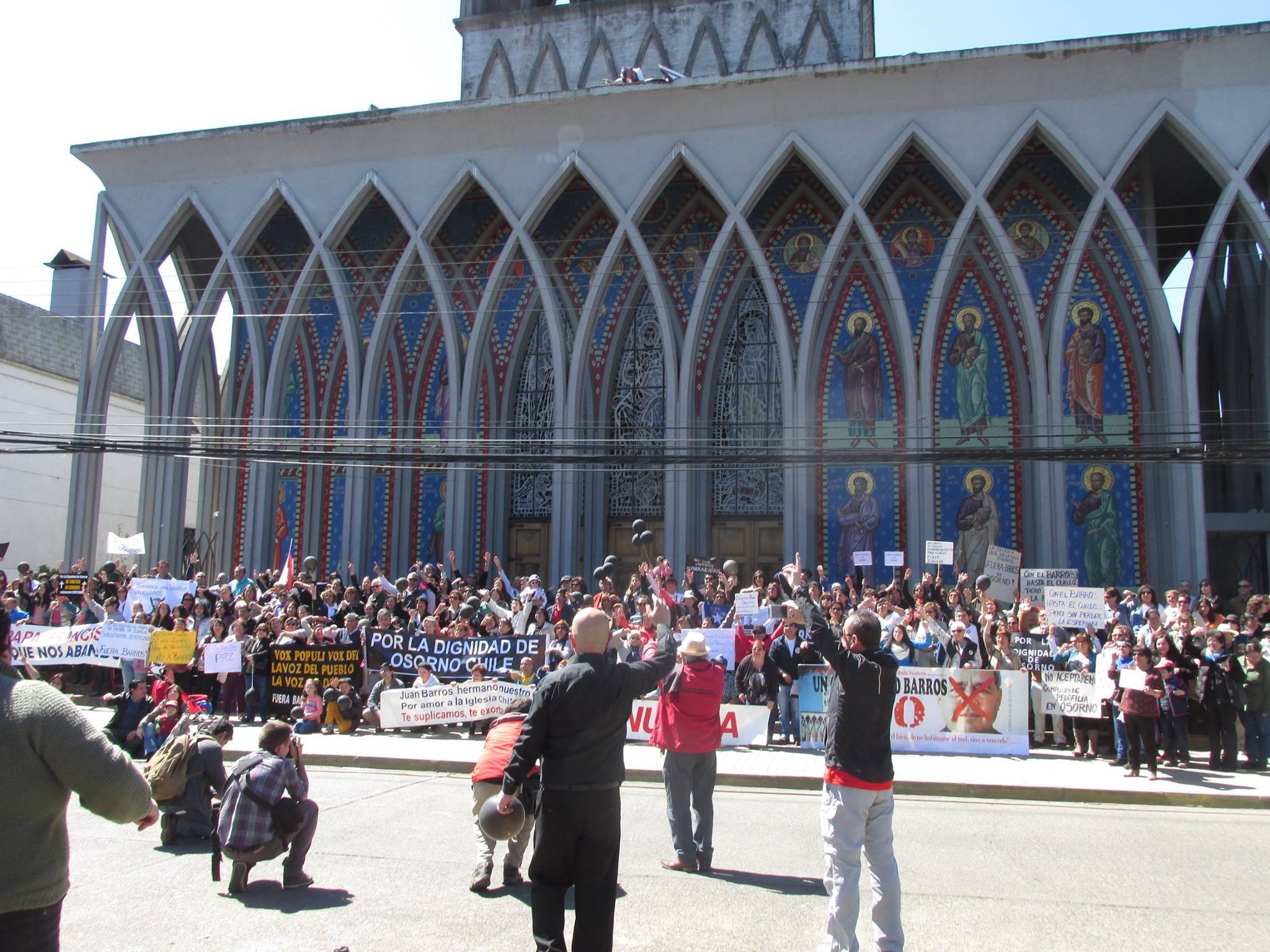
I have published in the Spanish-speaking version of Los Ángeles Press an analysis of the effects of the sexual abuse crisis in the religious affiliation of Chilean youth.
| Country | TotalPopulation | Catholic | Totaldioceses | Bishopsforced out | Diocesesaffected | |
|---|---|---|---|---|---|---|
| (Abs) | (Rel) | |||||
| Argentina | 44,293,293 | 27,860,481 | 62.9 | 72 | 10 | 9 |
| Bolivia | 11,138,234 | 8,353,676 | 75 | 18 | 0 | 0 |
| Brazil | 207,353,391 | 118,191,433 | 57 | 279 | 0 | 0 |
| Chile | 17,789,267 | 9,250,419 | 52 | 27 | 10 | 10 |
| Colombia | 47,698,524 | 35,773,893 | 75 | 78 | 0 | 0 |
| Costa Rica | 4,930,258 | 3,056,760 | 62 | 8 | 0 | 0 |
| Cuba | 11,147,407 | 6,131,074 | 55 | 11 | 0 | 0 |
| Dominican Rep. | 10,734,247 | 5,689,151 | 53 | 12 | 0 | 0 |
| Ecuador | 16,290,913 | 12,706,912 | 78 | 27 | 1 | 1 |
| El Salvador | 6,172,011 | 2,777,405 | 45 | 9 | 0 | 0 |
| Guatemala | 15,460,732 | 6,957,329 | 45 | 16 | 0 | 0 |
| Haití | 10,646,714 | 5,855,693 | 55 | 10 | 0 | 0 |
| Honduras | 9,038,741 | 3,796,271 | 42 | 11 | 1 | 1 |
| Mexico | 126,014,024 | 98,290,939 | 78 | 99 | 7 | 6 |
| Nicaragua | 6,025,951 | 3,133,495 | 52 | 9 | 1 | 1 |
| Panama | 3,500,000 | 2,170,000 | 62 | 8 | 0 | 0 |
| Paraguay | 6,800,000 | 6,052,000 | 89 | 15 | 2 | 2 |
| Peru | 32,800,000 | 24,600,000 | 75 | 46 | 4 | 4 |
| Puerto Rico | 3,351,827 | 2,453,537 | 73.2 | 6 | 0 | 0 |
| Uruguay | 3,500,000 | 1,505,000 | 43 | 10 | 1 | 1 |
| Venezuela | 32,000,000 | 22,400,000 | 70 | 42 | 0 | 0 |
In Brazil if we assume a situation similar to that of the United States, at least 30 bishops would have been forced out of office. If we assume a situation similar to that of France, which I found hard to imagine, we would have at least 50 bishops out of office. If the situation in Brazil is similar to that Chile, and every imaginable issue points into that direction, the number of bishops forced into resignation would be more than one hundred.
Similar patterns emerge for the other four countries with large Catholic populations, but no bishop forced out of office in Latin America: Bolivia, Colombia, and Venezuela.
| Country | Total dioceses | Models | |||
|---|---|---|---|---|---|
| American | Chilean | French | Average | ||
| Argentina | 72 | 7.8 | 26.7 | 4.4 | 12.9 |
| Bolivia | 18 | 1.9 | 6.7 | 1.1 | 3.2 |
| Brazil | 279 | 30 | 103.3 | 16.9 | 50.1 |
| Chile | 27 | 2.9 | 10* | 1.6 | 4.8 |
| Colombia | 78 | 8.4 | 28.9 | 4.7 | 14.0 |
| Costa Rica | 8 | 0.9 | 3.0 | 0.5 | 1.4 |
| Cuba | 11 | 1.2 | 4.1 | 0.7 | 2.0 |
| Dominican Republic | 12 | 1.3 | 4.4 | 0.7 | 2.2 |
| Ecuador | 27 | 2.9 | 10.0 | 1.6 | 4.8 |
| El Salvador | 9 | 1.0 | 3.3 | 0.5 | 1.6 |
| Guatemala | 16 | 1.7 | 5.9 | 1.0 | 2.9 |
| Haití | 10 | 1.1 | 3.7 | 0.6 | 1.8 |
| Honduras | 11 | 1.2 | 4.1 | 0.7 | 2.0 |
| Mexico | 99 | 10.7 | 36.7 | 6.0 | 17.8 |
| Nicaragua | 9 | 1.0 | 3.3 | 0.5 | 1.6 |
| Panama | 8 | 0.9 | 3 | 0.5 | 1.4 |
| Paraguay | 15 | 1.6 | 5.6 | 0.9 | 2.7 |
| Peru | 46 | 5.0 | 17 | 2.8 | 8.3 |
| Puerto Rico | 6 | 0.6 | 2.2 | 0.4 | 1.1 |
| Uruguay | 10 | 1.1 | 3.7 | 0.6 | 1.8 |
| Venezuela | 42 | 4.5 | 15.6 | 2.5 | 7.5 |
Mexico is not as underrepresented. One possible reason is that the proximity to the United States forced the Mexican bishops to acknowledge the toxic legacy of Marcial Maciel and the Legion of Christ not only in dioceses such as Rockville Centre in New York state, but also in Mexico, where the Legion was founded back in the early 1940s.
Europe
When thinking about Europe, my perception is that on top of Spain and Italy, with two and three bishops forced out of office, Poland is also heavily underrepresented in the list of bishops forced out of office that I published on the previous installment of this series.
| Country | TotalPopulation | Catholic | Totaldioceses | Bishopsforced out | Diocesesaffected | |
|---|---|---|---|---|---|---|
| (Abs) | (Rel) | |||||
| Austria | 8,754,413 | 4,552,295 | 52 | 12 | 1 | 1 |
| Belgium | 11,491,346 | 5,860,586 | 51 | 10 | 1 | 1 |
| Croatia | 4,292,095 | 3,390,755 | 79 | 17 | 0 | 0 |
| Czechia | 10,524,167 | 978,748 | 9.3 | 9 | 0 | 0 |
| France | 67,106,161 | 36,908,389 | 55 | 99 | 6 | 6 |
| Germany | 80,594,017 | 19,987,316 | 24.8 | 29 | 3 | 3 |
| Hungary | 10,402,000 | 5,201,000 | 50 | 17 | 1 | 1 |
| Ireland | 5,011,102 | 3,457,660 | 69 | 24 | 5 | 5 |
| Italy | 62,137,802 | 47,846,108 | 77 | 225 | 3 | 3 |
| Lithuania | 2,823,859 | 2,174,371 | 77 | 9 | 1 | 1 |
| Poland | 38,476,269 | 33,474,354 | 87 | 46 | 3 | 3 |
| Portugal | 10,343,066 | 8,295,139 | 80.2 | 21 | 0 | 0 |
| Slovakia | 5,450,000 | 3,052,000 | 56 | 12 | 1 | 1 |
| Slovenia | 2,095,861 | 1,509,020 | 72 | 7 | 0 | 0 |
| Spain | 46,700,000 | 30,355,000 | 65 | 72 | 2 | 2 |
| Switzerland | 8,600,000 | 2,924,000 | 34 | 9 | 0 | 0 |
| The Netherlands | 17,870,000 | 3,395,300 | 19 | 9 | 1 | 1 |
| Ukraine | 43,000,000 | 3,440,000 | 8 | 26 | 0 | 0 |
| United Kingdom | 63,100,000 | 5,679,000 | 9 | 49 | 1 | 1 |
It is hard for me to make a similar assumption in the case of Germany since it enjoys similar levels of freedom of the press to those in the United States. The predicted number for Germany following the U.S. model is close to the actual number of dioceses affected by the resignation of a bishop.
Despite that fact, the criticism raised by victims of sexual abuse about the role of Joseph Ratzinger, first as Cardinal and boss of the now Dicastery for the Doctrine of the Faith and later as Pope Benedict XVI, with the implementation of the so-called "Ratzinger system" actually silenced the legitimate complaints of the victims, so it is possible to assume that less bishops were forced out of office there.
| Country | Totaldioceses | Models | |||
|---|---|---|---|---|---|
| American | Chilean | French | Average | ||
| Austria | 12 | 1.3 | 4.4 | 0.7 | 2.2 |
| Belgium | 10 | 1.1 | 3.7 | 0.6 | 1.8 |
| Croatia | 17 | 1.8 | 6.3 | 1 | 3.1 |
| Czechia | 9 | 1 | 3.3 | 0.5 | 1.6 |
| France | 99 | 10.7 | 36.7 | 6* | 17.8 |
| Germany | 29 | 3.1 | 10.7 | 1.8 | 5.2 |
| Hungary | 17 | 1.8 | 6.3 | 1 | 3.1 |
| Ireland | 24 | 2.6 | 8.9 | 1.5 | 4.3 |
| Italy | 225 | 24.2 | 83.3 | 13.6 | 40.4 |
| Lithuania | 9 | 1 | 3.3 | 0.5 | 1.6 |
| Poland | 46 | 5 | 17 | 2.8 | 8.3 |
| Portugal | 21 | 2.3 | 7.8 | 1.3 | 3.8 |
| Slovakia | 12 | 1.3 | 4.4 | 0.7 | 2.2 |
| Slovenia | 7 | 0.8 | 2.6 | 0.4 | 1.3 |
| Spain | 72 | 7.8 | 26.7 | 4.4 | 12.9 |
| Switzerland | 9 | 1 | 3.3 | 0.5 | 1.6 |
| The Netherlands | 9 | 1 | 3.3 | 0.5 | 1.6 |
| Ukraine | 26 | 1.2 | 4.1 | 0.7 | 2.0 |
| United Kingdom | 49 | 5.3 | 18.1 | 2.9 | 8.8 |
In Spain, the bishops missed a chance to heal the wounds when they decided to create a Commission to probe the sexual abuse crisis headed by Javier Cremades, a member of the far-right Opus Dei order.
In Italy, the situation is similar to Spain, with the added complexity of the arcane relation between the Italian government and the Catholic Church.
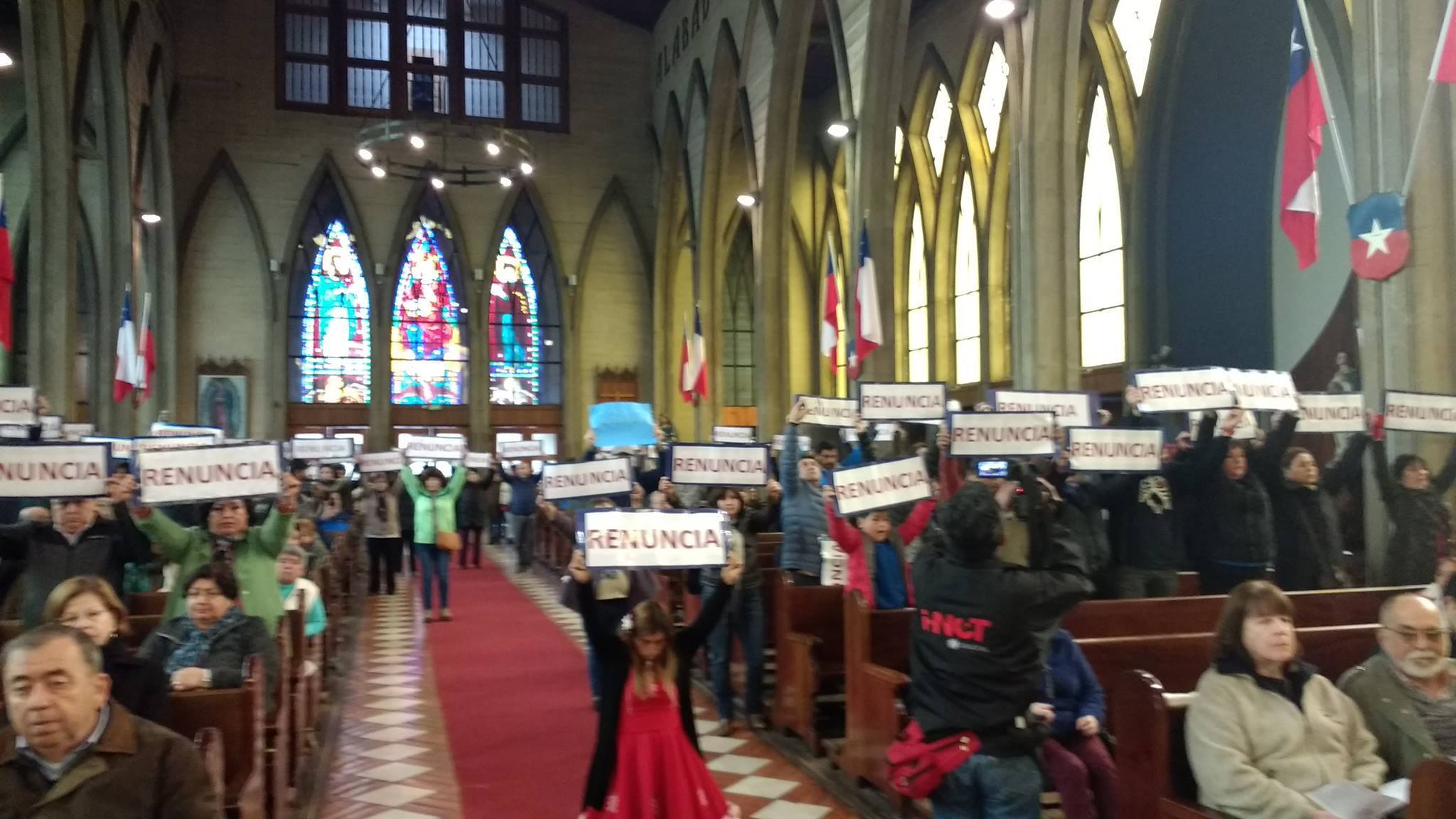
Forced resignations of Catholic bishops, justice by teardrop
Asia Pacific
Australia provides a good example of the fitness of the model derived from the experience with the crisis in the United States. The actual number of dioceses affected, and the number predicted by the US model is similar.
The same happens in Timor-Leste, where the expected number of one diocese affected is the same as the actual number of dioceses affected by the crisis of sexual abuse there.
| Country | TotalPopulation | Catholic | Totaldioceses | Bishopsforced out | Diocesesaffected | |
|---|---|---|---|---|---|---|
| (Abs) | (Rel) | |||||
| Australia | 23,232,413 | 4,646,483 | 20 | 35 | 3 | 3 |
| India | 1,400,000,000 | 16,800,000 | 1.2 | 175 | 2 | 2 |
| Japan | 127,417,244 | 509,669 | 0.41 | 7 | 0 | 0 |
| Philippines | 109,000,000 | 88,290,000 | 81 | 86 | 0 | 0 |
| South Korea | 53,121,668 | 5,896,505 | 11.11 | 6 | 0 | 0 |
| Timor-Leste | 1,054,000 | 1,028,388 | 97.57 | 3 | 1 | 1 |
In the Asia Pacific region, the case that stands out the most is by far that of The Philippines with no bishop forced out of office because of the crisis.
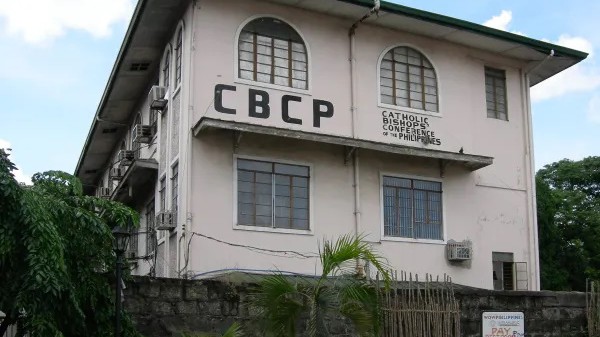
It is worth mentioning that there even a former President of the country, Rodrigo Duterte, claimed to be a survivor of clergy sexual abuse. He never provided more details about his experience, but it was clear that his claims resonated with victims, even if one was no fan of his populist and confrontational brand of politics.
| Country | Totaldioceses | Models | |||
|---|---|---|---|---|---|
| American | Chilean | French | Average | ||
| Australia | 35 | 3.8 | 13 | 2.1 | 6.3 |
| India | 175 | 18.8 | 64.8 | 10.6 | 31.4 |
| Japan | 17 | 1.8 | 6.3 | 1 | 3.1 |
| Philippines | 86 | 9.3 | 31.9 | 5.2 | 15.4 |
| South Korea | 16 | 1.7 | 5.9 | 1 | 2.9 |
| Timor-Leste | 3 | 0.3 | 1.1 | 0.2 | 0.5 |
I do not have a thorough knowledge of Catholicism in any of the other countries in this region, so I will avoid making any remarks on those cases.
Africa
I will avoid making comments on Africa since, as in the case of India, Japan, and South Korea, I lack knowledge or expertise on this region. I will only say that my perception is that Africa is the region most underrepresented in the list of bishops forced out of office.
If we take the case of Equatorial Guinea, a former colony of Spain as most of Latin America, the lack of any bishop forced out of office there strikes me as odd, to say the least. The crisis in Bolivia proves how Spain-born clerics were active in places where they were able to abuse people under their care. I found hard to believe that it was happening in Bolivia but not in Equatorial Guinea that remained a colony of Spain up until 1968.
| Country | Totalpopulation | Catholic | Totaldioceses | Bishopsforced out | Diocesesaffected | |
|---|---|---|---|---|---|---|
| (Abs) | (Rel) | |||||
| Angola | 29,310,273 | 14,655,137 | 50 | 20 | 0 | 0 |
| Burundi | 11,466,756 | 7,109,389 | 62 | 7 | 0 | 0 |
| Cameroon | 25,640,965 | 9,846,131 | 38.4 | 27 | 0 | 0 |
| Congo-Brazzaville | 4,954,674 | 2,130,510 | 43 | 10 | 1 | 1 |
| Congo, Dem. Rep. | 83,301,151 | 39,151,541 | 47 | 49 | 0 | 0 |
| Equatorial Guinea | 1,620,000 | 1,307,340 | 80.7 | 6 | 0 | 0 |
| Ivory Coast | 23,800,000 | 5,093,200 | 21.41 | 6 | 0 | 0 |
| Kenya | 47,615,739 | 9,808,842 | 20.62 | 6 | 0 | 0 |
| Madagascar | 18,041,341 | 6,314,469 | 35 | 22 | 0 | 0 |
| Mozambique | 19,196,246 | 5,374,949 | 28 | 12 | 0 | 0 |
| Nigeria | 190,000,000 | 23,940,000 | 12.6 | 59 | 0 | 0 |
| Rwanda | 11,000,000 | 5,170,000 | 47 | 9 | 0 | 0 |
| South Africa | 44,344,136 | 3,148,434 | 7.1 | 27 | 0 | 0 |
| Tanzania | 57,000,000 | 15,960,000 | 28 | 34 | 0 | 0 |
| Uganda | 42,000,000 | 17,640,000 | 42 | 20 | 0 | 0 |
| Zambia | 14,300,000 | 1,102,530 | 7.71 | 11 | 1 | 1 |
My perception is that something similar to what is emerging in Bolivia was happening in Equatorial Guinea, and elsewhere in the countries that emerged of the old European empires dissolved during the second half of the 20th century.
| Country | Totaldioceses | Models | |||
|---|---|---|---|---|---|
| American | Chilean | French | Average | ||
| Angola | 20 | 2.2 | 7.4 | 1.2 | 3.6 |
| Burundi | 7 | 0.8 | 2.6 | 0.4 | 1.3 |
| Cameroon | 27 | 2.9 | 10 | 1.6 | 4.8 |
| Congo-Brazzaville | 10 | 1.1 | 3.7 | 0.6 | 1.8 |
| Congo, Dem. Rep. | 49 | 5.3 | 18.1 | 2.9 | 8.8 |
| Equatorial Guinea | 6 | 0.6 | 2.2 | 0.4 | 1.1 |
| Ivory Coast | 6 | 1.7 | 5.9 | 1 | 2.9 |
| Kenya | 6 | 2.8 | 9.6 | 1.6 | 4.7 |
| Madagascar | 22 | 2.4 | 8.1 | 1.3 | 4.0 |
| Mozambique | 12 | 1.3 | 4.4 | 0.7 | 2.2 |
| Nigeria | 59 | 6.4 | 21.9 | 3.6 | 10.6 |
| Rwanda | 9 | 1 | 3.3 | 0.5 | 1.6 |
| South Africa | 27 | 2.9 | 10 | 1.6 | 4.8 |
| Tanzania | 34 | 3.7 | 12.6 | 2.1 | 6.1 |
| Uganda | 20 | 2.2 | 7.4 | 1.2 | 3.6 |
| Zambia | 11 | 1.2 | 4.1 | 0.7 | 2 |
Next week I will present concluding remarks of the underrepresentation of most of the countries with large Catholic populations in the list of bishops forced out of office over the last 40 years or so.

Catholic bishops forced to resign, looks can be deceiving