Rodolfo Soriano-Núñez Lunes, 18 de Agosto del 2025
Back in the 1990s, Cardinal Aguiar Retes protected at least one accused priest in Texcoco. Are his former underlings in Izcalli and Tepic following his playbook?
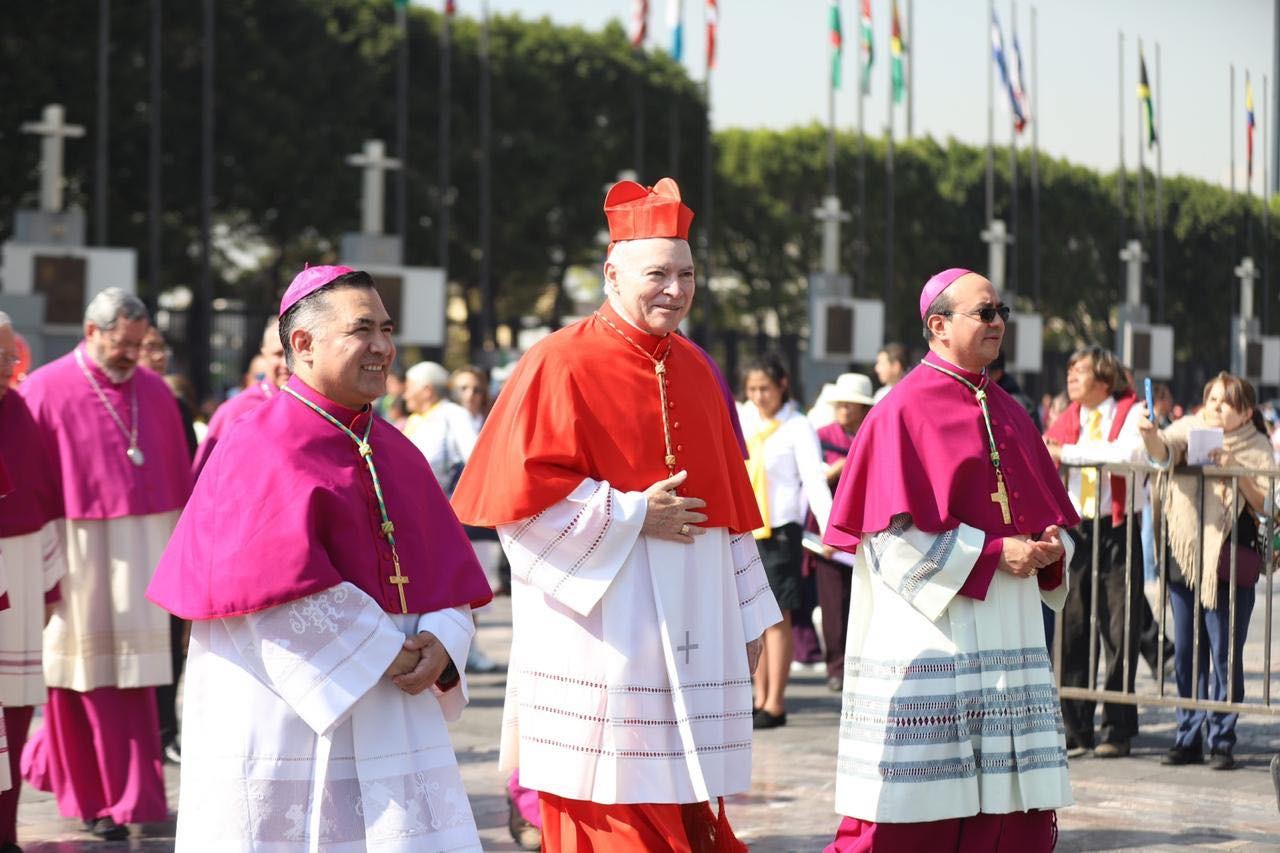
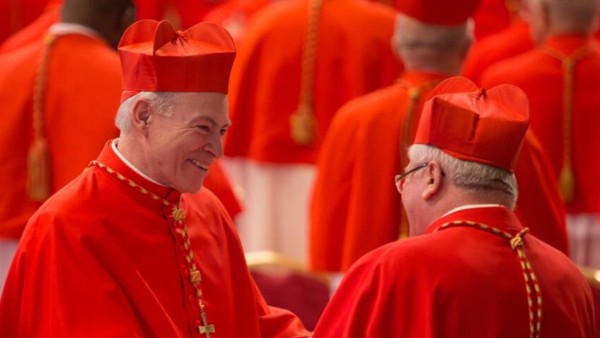
Carlos Aguiar Retes is a powerful man in Rome, one whose clout has a dark side that could be why other top clerics avoid addressing clergy sexual abuse in dioceses such as Izcalli
By Rodolfo Soriano-Núñez
Diego Pallares Contreras’s case, a Catholic priest accused of sexually abusing back in 2019 an underage member of his flock who was also his confirmation godson, is key to understand the institutional behavior of the diocese of Izcalli, the archdiocese of Tlalnepantla and, even if only symbolically, the archdiocese of Mexico City.
It is a story about the ability of the Catholic Church to build trust, the so-called social capital while, almost simultaneously a story of how Cardinal Carlos Aguiar Retes’s decisions or lack thereof destroy trust in that institution and in him, one of its key figures.
More so, as Diego Pallares Contreras’s case is not an isolated issue in Izcalli, in the Metropolitan Area of Mexico City or in the country at large.
Before news broke about Pallares Contreras’s abuse, there was the case of Morseo Miramón Santiago, another priest in that same diocese accused of a similar crime. The distinction there is that he was neither his victim’s pastor nor his godfather. Also, this series documented last year a case of a Mexican nun who was repeatedly sexually abused while working in the territory of the diocese of Izcalli.
The three cases are not new, as they go back several years, but all have happened during bishop Francisco González Ramos’s tenure, and all have happened either while Cardinal Aguiar Retes, the current archbishop of Mexico City was the head of the archdiocese of Tlalnepantla or after his promotion to his current position.
The situation is More so, since the situation in Izcalli, with already three known cases of clergy sexual abuse, two by priests directly associated with that diocese, and one by a priest of an “order” active in the diocese of Izcalli, have for the most part been dismissed by González Ramos.

That makes the current situation in Izcalli, at least in theory, a perfect example of the kind of probes that archbishops such as José Antonio Fernández Hurtado at Tlalnepantla should do when bishops in their suffragan dioceses are unwilling to address issues related to clergy sexual abuse.
It is the kind of case Pope Francis had in mind, after many similar cases worldwide, when issuing Vos Estis Lux Mundi. That is a document, a so-called Motu Proprio, a decree of sorts for the purposes of Church law, published back in 2019.
There it is possible to find a detailed roadmap for how to investigate bishops who are accused of misconduct or of mishandling abuse cases, including the active or passive cover up of clergy sexual abuse.
The probe must be carried by the so-called Metropolitan, that is to say, the head of the ecclesiastical region or province. In some cases, other senior clerics could be appointed.
In this case, the archbishop and head of the Ecclesiastical Province of Tlalnepantla is José Antonio Fernández Hurtado. The allegations of multiple cases and a lack of accountability from bishop González Ramos in Izcalli directly fit the criteria set by Pope Francis in Vos Estis Lux Mundi.
Who is protecting who?
Also, at this point, it is impossible not to raise questions as to why Fernández Hurtado is unwilling to act. Is he protecting González Ramos on his own, or is he doing so as to protect Aguiar Retes?
The issue is more relevant also, because the reports about Pallares Contreras being currently in some sort of “private” or even “informal” assignment have been confirmed by people who used to attend the Guadalupe Farms pastoral mission Masses presided by Pallares Contreras.
These former parishioners claim that Pallares Contreras is active as a chaplain of sorts in religious communities and convents of the archdiocese of Tlalnepantla. It would be impossible for Pallares Contreras to do so if he had no explicit support, the so-called “licenses” of the current archbishop of Tlalnepantla, Fernández Hurtado.
According to two sources, he acts as a chaplain of sorts of the Convent of the Sisters of the Divine Providence in Atizapán, State of Mexico, one of the six municipalities shaping the archdiocese of Tlalnepantla (see the map below). Witnesses have seen him preside over Masses and other rituals there.
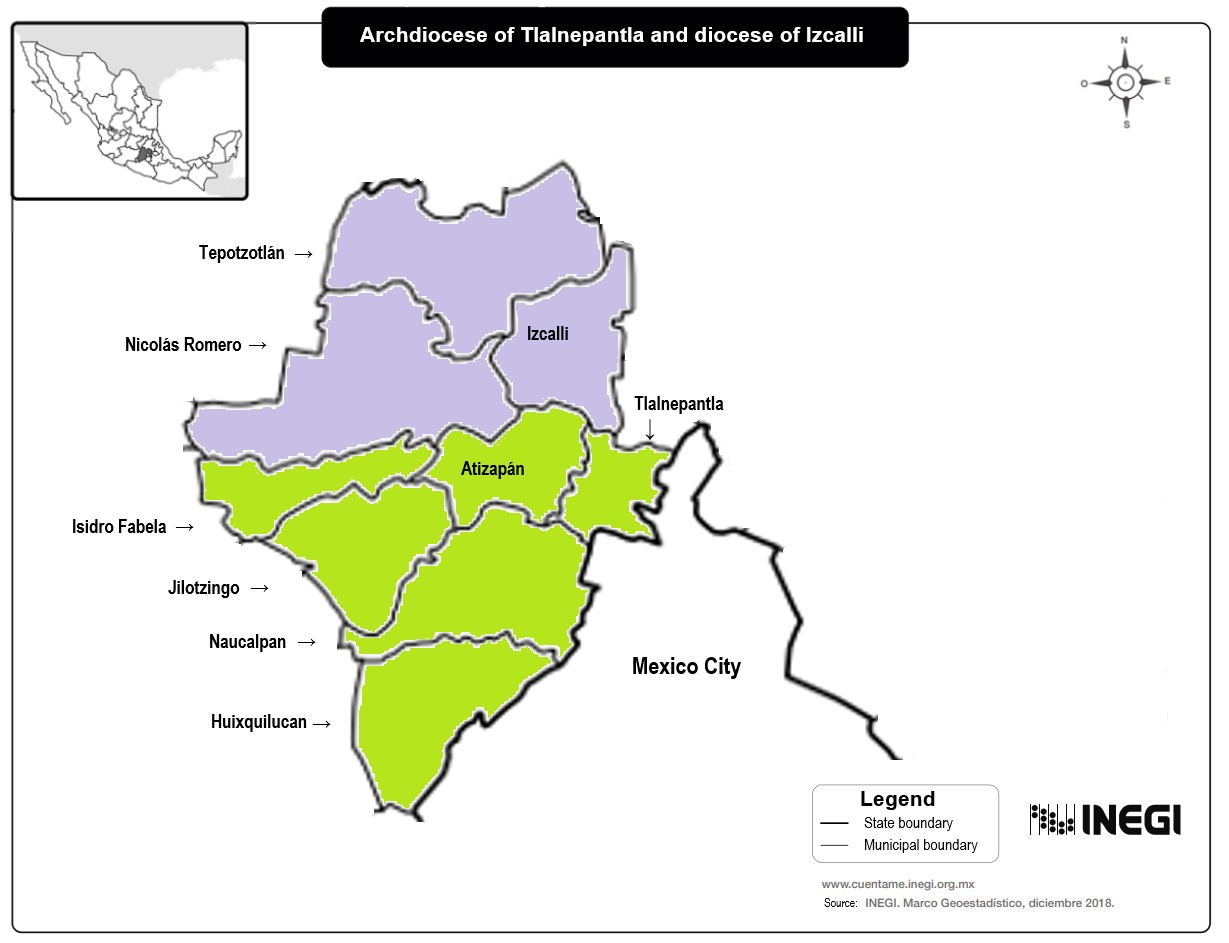
Atizapán is the Northernmost municipality of that archdiocese, and it is contiguous to the municipality of Nicolás Romero in the diocese of Izcalli.
While removing Pallares Contreras from the Guadalupe Farms mission might seem like a prudent decision to prevent contact with potential victims, the action is flawed in two key aspects.
First, the proximity of his current, informal assignment, as the location of the pastoral mission where he used to work, reveals the futility of such measure. An informal measure using Google Maps finds there is less than two miles or less than three kilometers between both locations.
Then there is the fact that González Ramos refuses to actually acknowledge in public that something actually happened. That is what comes out of more than an hour of video of his “dialogue” with members of his flock at the Divine Child chapel. A video of that dialogue is in the story linked after.

English Edition
Izcalli, Three‘s a Charm?
A year ago, he denied any accusation against Pallares Contreras, while insisting in his laconic exchanges over WhatsApp that he has reported the case to the authorities, when there is no evidence or proof of actually doing so.
This contradictory behavior is worse when one goes back to his handling of Morseo Miramón Santiago’s case. There it is possible to find the exact same pattern: a swift but silent, unaccountable removal of the accused cleric, from some of his duties, while telling the parents of the victims that he has followed procedure by reporting to the authorities.
It must be noted at this point that Mexican law is “imperfect” when it comes to setting the standard for reporting. It enunciates that there is a duty to report, but there is no time frame and, as it happens in Church law, there is no specific consequence, a punishment, fine or something akin, to enforce compliance with that duty to report.
Pervasive effects
The fact that both Miramón Santiago and Pallares Contreras remain as active priests in the listings of Mexican authorities, only adds an additional element of confusion, worsened by the lack of actual information in the failing website of the diocese or at least over their Facebook profile.
As good to communicate about certain issues, and as cheap as Facebook profiles are to operate, they lack the ability to offer accurate, reliable, access to information. Searches are only for the strong-willed, and the virtual cards format of most messages there are relatively good to send a congratulatory message for a birthday or the anniversary of ordination, but trying to find there the current status of the priests associated to a diocese is almost impossible.
The pervasive effects of this attitude are evident right there in the social media postings disguised as statements by the diocese. This is more relevant as the Guadalupe Farms community is actually divided.
The division, what in other contexts would be called the destruction of social capital, is part of the high price the Catholic Church pays for its unwillingness to come clean, be straightforward and honest when dealing with these cases.
Recently, Los Angeles Press published news about a priest in the state of Veracruz being arrested. The effects were immediately felt over the social media accounts of the diocese of Veracruz in ways similar to those already reported in the first installment about this new case in Izcalli.

There are people willing to go to war for their priests. They fall back into the standard claim about the Church being the victim of wide conspiracies, a set up or false claims. But there are also survivors, the very few willing to go through the drill of the personal attacks, who are well aware of how far the Church is willing to go when dismissing claims of sexual abuse.
And there are those who stress the contradictory nature of the Church’s behavior on this and other issues. They criticize the absence of actual institutional acknowledgment of the dioceses’ or the individual priests wrongdoing, while also emphasizing the adverse effects of the gaslighting one finds in bishop González Ramos’s messaging with the authors of the report on this case.
The original addressee of the report was none other than Pope Francis. The authors sent a paper copy of it all, with an additional paper copy sent to Cardinal Víctor Manuel Fernández, the prefect of the Congregation for the Doctrine of the Faith. A certified courier delivered the report in Rome in October 2024.
After a taxing process, the authors were able to verify the report’s delivery in Rome. The Argentine Pontiff died a few months later, but all the facts registered in the 19 pages of the report stand.
New risks ahead
And it is not only those 19 pages. There is a side of additional documents, pictures, screenshots, and audios of the few occasions where the top clerics of Izcalli were willing to answer the phone calls or text messages. More than 30 pieces of evidence, telling this devastating story. Over and over, what emerges there as a pattern of pretending to do something while actually doing nothing.
The pressure for the Church will become more evident as the effects of last year’s reforms of the Mexican penal code regarding who has access to bail during a process now have sexual abuse, especially that of minors, as one of the cases that will carry the so-called mandatory preventative prison in Mexico.
That is to say, regardless of the opinion of the judges or the claims of the district attorneys’ office or the pleas by the defense, there will be less chances to avoid jail, as there are crimes, including sexual abuse, carrying this sort of penalty.
The Washington Office on Latin America, a non-for profit covering human rights and justice issues in Latin America issued a stern assessment of the potential implications of the reform at large, not focused on clergy sexual abuse cases, available here.
An even if, as WOLA states, it is a setback for basic rights, the fact is that as far as sexual abuse is concerned, many survivors and their relatives see the reform as positive as it implies some, even if informal, punishment for those accused of abuse in México.
In that respect, even if it is unclear what will be the actual consequences of the reform, there is a new, stricter set of rules for bail, especially for cases dealing with abuse and more so when the victims are minors.
What is clear, instead, is the societal effects of abuse, how it divides communities, and how, given the new rules in place, there is an increased urgency for decisive action on the side of bishops, and other top members of the Catholic hierarchy.
Do they actually care?
One would expect that, in the new scenario, even if not out of actual care for the survivors, Mexican Catholic bishops such as González Ramos, would acknowledge the need to actually address accusations as those raised against Diego Pallares Contreras and Morseo Miramón Santiago.
But also, that given the current state of the issue of clergy sexual abuse in Mexico and elsewhere, it is necessary to ask if the Mexican Catholic bishops will be more willing to actually revisit their own behavior and to accommodate the rather cryptic practices so common in Church law process to the realities of the countries where the actual process happens.
The file offers a pristine example. Priest Epifanio Moreno Lemus, appointed as instructor or delegate of the probe sticks to an extremely formalist interpretation of the so-called Pontifical Secret, denying the involved parties in this issue access to a simple copy of his appointment as such or to some of the most basic documents coming out of the investigation as such.
In that respect, the internal process becomes increasingly complex and arcane, not to mention the unavoidable use of terms in Latin, that could be somehow similar to others in use in languages such as Spanish, but that, for the most part, force the involved parties to try to figure out what is the real meaning and why if they are doing the right thing, trusting in their Church to probe their cases, they are dismissed and disrespected by the clerics carrying the probe.
Instead of a process aimed at restoring trust in the institution and help the survivors, it is a process designed to prove the survivor is either lying, exaggerating or even fabricating the claim. Having priests from the very same diocese as a detective of sorts is marred from the get-go with all kinds of potential drawbacks.
The arrogant and insensitive attitude of priests such as Moreno Lemus is the source of long-lasting bitterness in social media exchanges where ultimately the Catholic Church ends up becoming the target of memes, jokes, and attacks that reveal the kind of grievances enticed by the insensitive adherence to the arcane procedures of the canonical process.
That attitude jumps in almost each page of the report sent to Rome by its authors. It almost read as a subplot of how this diocesan commission seems to be intent in dismissing the allegations, in exhausting the trusting faithful willing to go through the canonical process, as if they were trying to convince them of the futility of their efforts.
Undermining trust
If the goal is to undermine trust in the institution, Moreno Lemus’s attitude, whether decided on his own or as a reflection of González Ramos’s take on issue is actually achieving that goal of undermining trust in the Church and its leaders.
That effect is clear on page 10 of the report. Its authors decry how Moreno Lemus repeatedly argues that none of the requests made to him are acceptable, “lawful” within the frame of the Code of Canon Law, then the authors reveal how exhausting is the process when asking “then, is any investigation actually unlawful within the confines of Church law?”
And there is the issue of time. The abuse happened back in 2019. It is an issue already six-years-old. The first contact with the bishop happened in May 2023. The internal, Church probe started at some point in the Summer of 2024 (June 25 or July 11). Since then, there has been no progress on this matter.
And the issue is not isolated to Izcalli. The destruction of trust, what some scholars call “social capital” stemming from the sexual abuse crisis happens in many places. Even if it is impossible to go over all those places, it is possible to try to figure why it is happening in Izcalli.
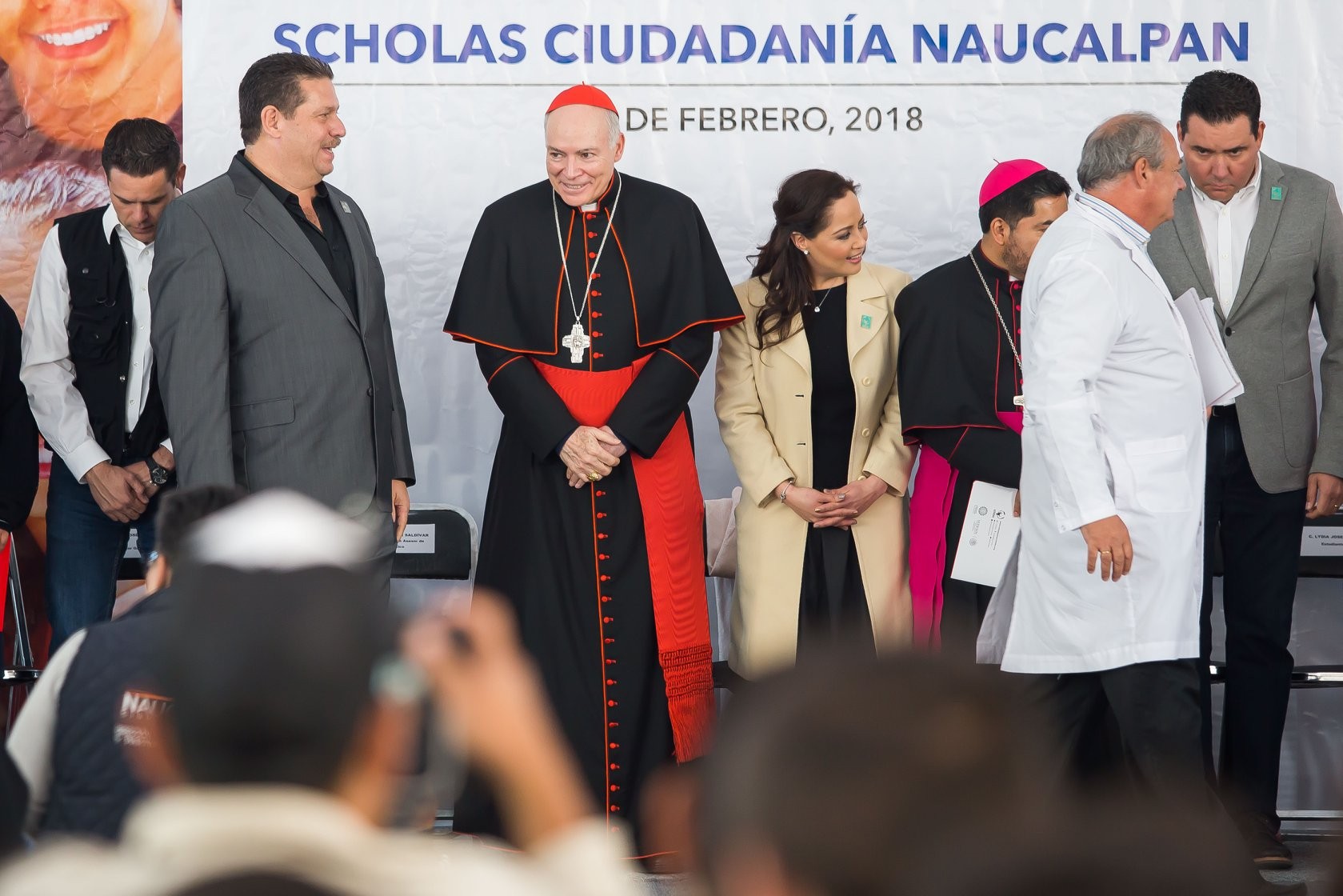
To do so it is necessary to ask who has had the ability, the power to shape what the current diocese of Izcalli is. At that point, it is unavoidable to look at the current head of the Archdiocese of Mexico, Cardinal Carlos Aguiar Retes.
Even if he now has no immediate formal authority over Izcalli and all the other dioceses belonging to the so-called Ecclesiastical Province of Tlalnepantla, he remains an influential figure in that region, all over Mexico, and in Rome.
One only needs to look at the chaotic relay at the Pontifical University of Mexico, presided by Aguiar Retes himself, as its Grand Chancellor, to see how when he was forced to find a new President of the University, he recruited a priest from his former see of Tlalnepantla.
He is so powerful, that the Dicastery for the Doctrine of the Faith needed two days to ratify Aguiar Retes’s appointment of Pedro Benítez Mestre as new President at the Pontifical University, allowing for the immediate celebration over the Mexican Bishops Conference’s social media accounts, as the posting from their account at what used to be Twitter after this paragraph proves.
One only needs to remember the difficulties the current prefect of that dicastery, Víctor Manuel Fernández, had when he was appointed by then Cardinal Jorge Mario Bergoglio, Grand Chancellor of the Catholic University of Argentina in Buenos Aires, to gauge how powerful is Aguiar Retes nowadays in Rome.
Cardinal Bergoglio had to wait almost two years for Rome’s acceptance of Fernández’s appointment back in 2009, as this story from Argentine newspaper La Nación tells (content in Spanish). Benítez Mestre’s took two days.
He was appointed in the middle of a scandal sending Alberto Anguiano García out of the University. He was one of the few remaining top officials at the Mexican capital’s archdiocese originally promoted by now emeritus archbishop Norberto Rivera Carrera.
This noisy ousting is harder to process as it happened precisely in mid-July, when the Pontifical University has some of its most intense period of activity, as many students, lay and religious or aspiring religious as in the case of seminarians and novices, go to Mexico City to attend special courses and other academic activities at that and other academic outlets in the country’s capital.
Prince of the Church
Despite that episode, Aguiar Retes is the master of the archdiocese, a true prince of the Church. Even if he is already above 75, so he already sent his resignation back in January, there is no sign that he is about to step down. Being a Cardinal, he could remain four more years in his current position.
Already all the six auxiliary bishops in his archdiocese have been promoted by him, so there is no doubt about who is in charge and, unlike the situation in the early years of this century, when Rivera Carrera remained a powerful influence in Rome, promoting his former auxiliaries as bishops of dioceses suffragan to Tlalnepantla, it is now Aguiar Retes who has the contacts in key positions in the Roman curia, able to facilitate approval for his ideas and suggestions for appointments, on top of the perception that Pope Leo XIV is willing to answer him a message relatively quickly as the relay at the Pontifical University proved.
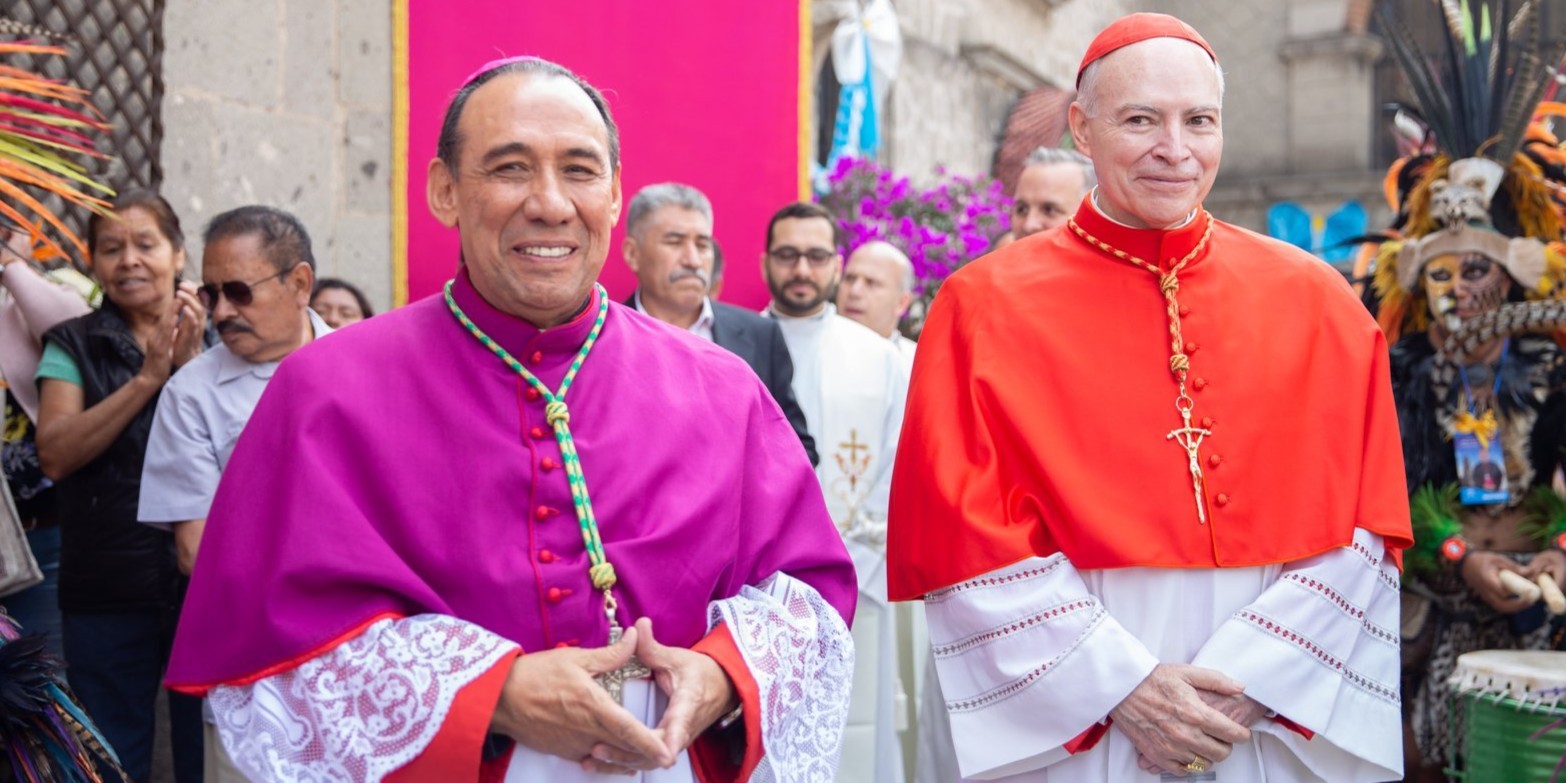
Even if Aguiar Retes’s successor in Tlalnepantla, Fernández Hurtado, could not be seen as a member of his circle, it is hard to imagine him challenging the robust networks of influence Aguiar Retes was able to knit at the archdiocese of Tlalnepantla over his eight years tenure there.
John Paul II’s appointment of Aguiar Retes’s as archbishop there, back in 2009, was an accomplishment, a somehow unexpected development after twelve years as bishop of Texcoco.
One should notice that Aguiar Retes was promoted to and ordained as bishop by then archbishop of Monterrey, now deceased Cardinal Adolfo Suárez Rivera. He was the odd case of a Mexican prelate willing to challenge Marcial Maciel in the 1990s. In Monterrey, by then, there were already signs of the devastating effects that Legion of Christ had on families, parishes, schools, and Catholic or Catholic-inspired colleges where its priests used to be chaplains.
It is impossible to go over the details of that confrontation that, ultimately was lost by Suárez Rivera, but Aguiar Retes must have a clear memory of the sustained campaign the Legion of Christ, still under Maciel, launched against Suárez Rivera and some of his closest allies in the Mexican Conference of Bishops. That was the case of Samuel Ruiz García, then head of the San Cristóbal de Las Casas diocese in Chiapas, the Southernmost state in Mexico.
Memories of Texcoco
Despite the effects of that clash, Aguiar Retes became bishop of Texcoco where he was able to build pastoral teams and solid relationships with politicians. From there he promoted one of his priests, Luis Artemio Flores Calzada, as the first bishop of Chalco, the poorest, most marginalized diocese in Central Mexico.
Sadly, he had there his first conflict regarding a case of clergy sexual abuse when accusations surfaced from Otumba, a town within the diocese of Texcoco against José Zenón Corrales Cabrera, a priest originally born in Nicaragua.
Aguiar Retes’s career was not derailed by that case, but allowed to see how, despite his much more refined demeanor, when compared to Norberto Rivera Carrera, then archbishop of Mexico City, privately described by someone in the nineties as “a Neanderthal in cassock”, both had similar difficulties than the rest of the Catholic hierarchy when addressing the causes and effects of abuse perpetrated by their cleric colleagues.
Aguiar Retes protected Corrales Cabrera until he was unable to do so, although it is not clear if the punishment to the Nicaraguan priest came as a consequence of its political activism, called out in Mexican media in the first decade of this century or because of some actual will of the Mexican government then to answer a request from its Nicaraguan counterpart on matters of abuse.
Then spokesman of the diocese of Texcoco, Eduardo Israel Salazar, defended Corrales Cabrera with the oldest “explanation” for abuse reports: “there are always groups trying to tarnish the moral image of our priests”, as reported in 2003.
Corrales Cabrera was not a run of the mill priest. In a directory published as an appendix to a book edited by the Latin American Episcopal Council in 1998, he appears as “monsignor” and head of the Commission for Legal Counsel of the diocese of Matagalpa, then headed by the current archbishop of Managua, Cardinal Leopoldo Brenes Solórzano.
Paradoxically enough, the directory with Corrales Cabrera’s data was published on a book devoted to promoting respect for human rights, where the attendees to a seminary exchanged experiences on how the Catholic Church in Latin America promoted human rights. The book is available, in Spanish, at this URL.
Besides the scandal sparked by the Nicaraguan priest, when he was in Texcoco, Aguiar Retes helped Flores Calzada become bishop of Chalco. Later, in 2012, when Aguiar Retes was at the end of his presidency at the Mexican conference of bishops and had three more years as President of the Latin American counsel of bishops, he helped Flores Calzada take over as bishop of Tepic where Flores Calzada, now at 76, is at the end of his tenure. Tepic is where Aguiar Retes was born, attended seminary, and was ordained by then bishop, Suárez Rivera.
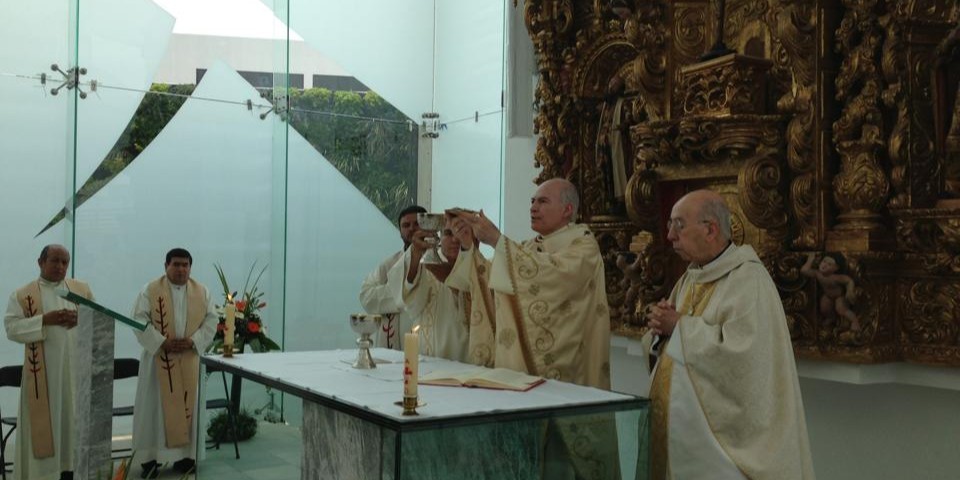
The networks within and outside the Church Aguiar Retes built in Texcoco are solid and proved to be useful when John Paul II appointed him as archbishop of Tlalnepantla. There, he succeeded Marcial Maciel's cousin, Ricardo Guízar Díaz. He has been the subject of previous installments of this series dealing with sexual abuse cases in the diocese of Atlacomulco.
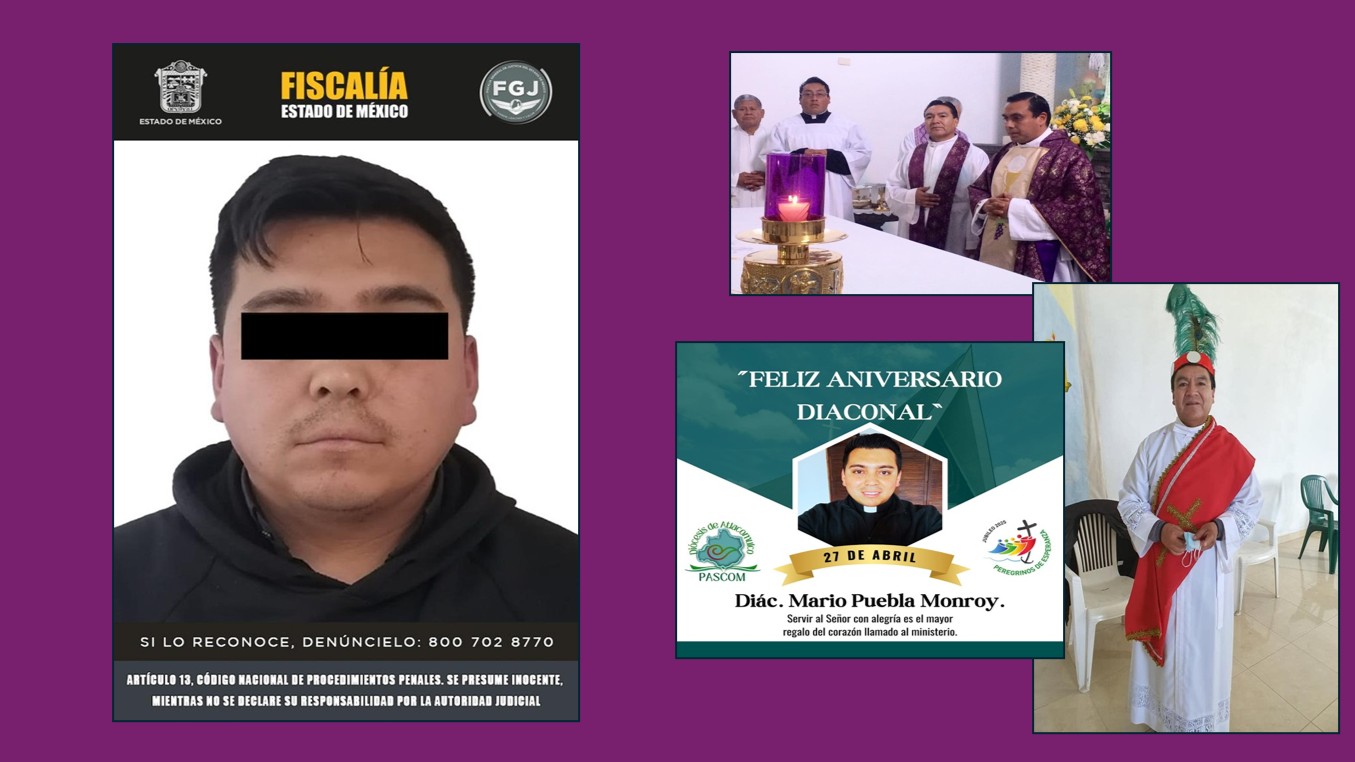
English Edition
A new abuse case rocks the Catholic Church in Mexico
From Tlalnepantla, Aguiar Retes promoted the division of his former diocese of Texcoco to create that of Teotihuacán, whose territory includes the famous Pre-Columbian pyramids a few miles North of Mexico City.
Still in Tlalnepantla, and already a major player in Rome, after Pope Francis’s election, Aguiar Retes promoted the division of the diocese of Cuautitlán to create the current diocese of Izcalli back in 2014. It would be impossible to believe that he was not at least consulted when Rome decided that Francisco González Ramos would be the first bishop there.
Major player
Aguiar Retes became such major player after a meteoric rise in the ranks of the Latin American Episcopal Council. He was first elected as the General Secretary of that Pan-Latin American body (2000-3) while bishop of Texcoco. Then he was elected Vice President (2003-7), and President from 2011 through 2015.
He followed a similar path in the Mexican Conference of Bishops, first as General Secretary (2004-6) and then President for two consecutive terms (2006-12). After Pope Francis’s election, it was just a matter of time for Aguiar Retes to become Cardinal as he actually did in 2016.
It should be noted too, that when Aguiar took over as Archbishop of Mexico City, on December 7, 2017, he remained as apostolic administrator of Tlalnepantla for more than one year, so he was able to address any pending issue there before the arrival of his successor in March 2019.
Even if impossible to confirm, rumors abound about Aguiar Retes being the confessor of former First Lady (2006-12) and current representative in the lower house of the Mexican Congress, Margarita Zavala de Calderón.
He was a main character in at least two elaborate, almost baroque, weddings in the State of Mexico, the most populous of the country, with little less than 17 million inhabitants. He presided both the wedding of then governor Eruviel Ávila (2017) and that of his daughter, Isis Ávila (2015), among others.
Having such stocks of political capital, and as the former archbishop of Tlalnepantla, who was in that position when González Ramos became the first bishop of Izcalli makes it almost impossible to dismiss the possibility that Aguiar Retes could be protecting González Ramos and his way to handle abuse in Izcalli.
In all the cases in today’s installment it is clear that Aguiar Retes is not the main character. It is clear that both González Ramos in Izcalli and Fernández Hurtado in Tlalnepantla are old enough to make decisions on their own, and yet in all of these cases it would be naïve to dismiss the reach of Aguiar Retes’s clout, of his influence at a global scale, as a Cardinal of the Catholic Church.
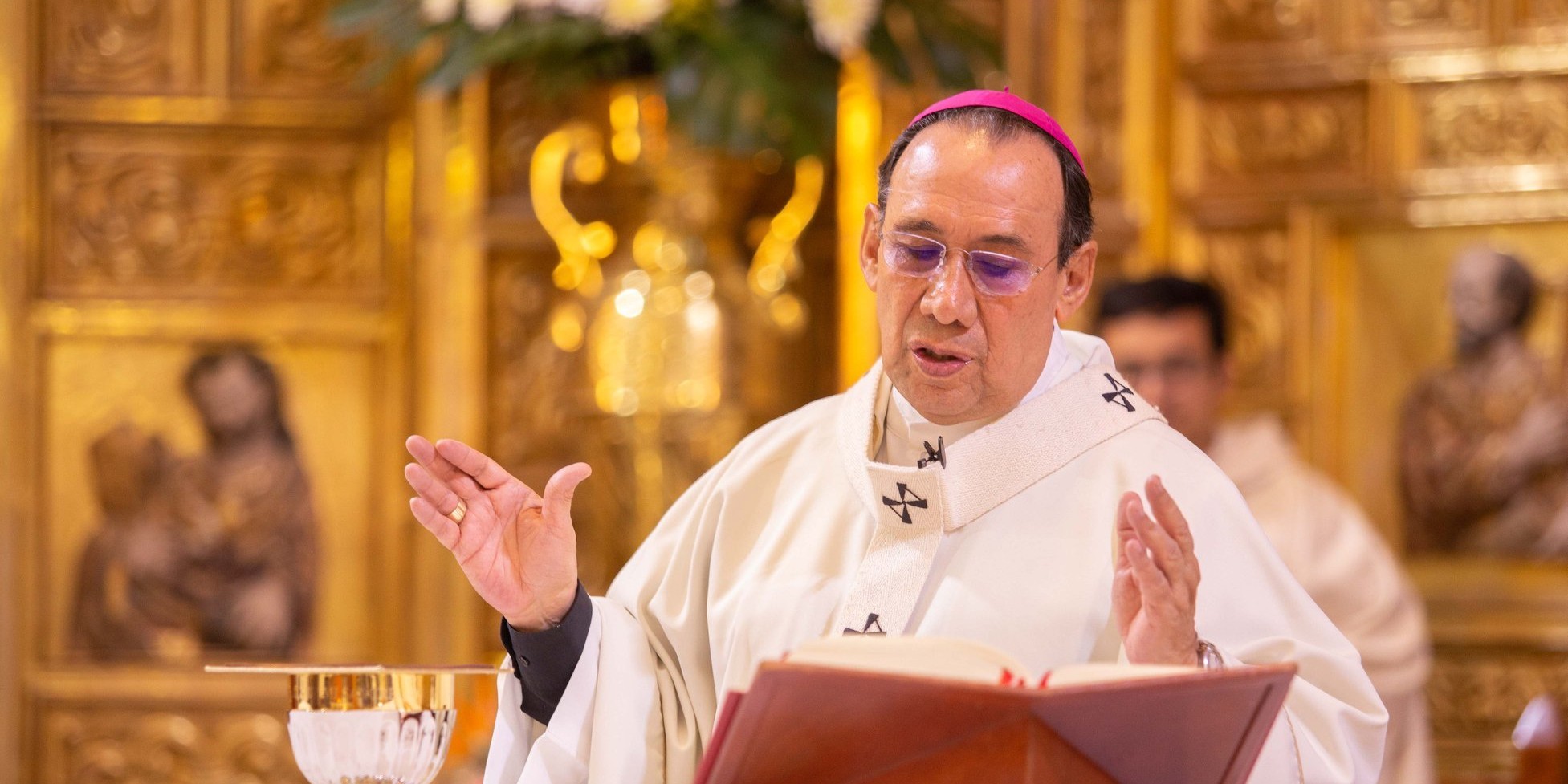
If he is not protecting González Ramos, the current bishop of Izcalli, Aguiar Retes has ways to let know about his own take on the issue. Coming forward could help his own institution, the communities, the survivors and their relatives, while preventing further damage.
Conversely, one has to wonder what archbishop Fernández Hurtado’s position on this issue is. Even if the primary responsibility falls on González Ramos, the archbishop cannot claim to be bystander, a passive spectator of what happens in the suffragan diocese of Izcalli. More so because Fernández Hurtado allows Pallares Contreras to celebrate sacraments and rituals in chapels within the territory of the archdiocese of Tlalnepantla.
Even if there is an agreement as to allow priests from the same ecclesiastical province to cross borders and preside over sacraments and other rituals, González Ramos repeatedly asserts the idea that he has filed a formal report with the State Attorney’s office regarding Pallares Contreras.
Besides this case from Izcalli, police in the state of Veracruz arrested a priest on Sunday August 10, as the story linked before tells. The arrest was at least as shocking as the news about the disappearance of a priest, originally from Colombia, associated to the diocese of Tepic, where Carlos Aguiar Retes was born, back in 1950 and where, as noted previously, he promoted as bishop a former priest of the diocese of Texcoco.
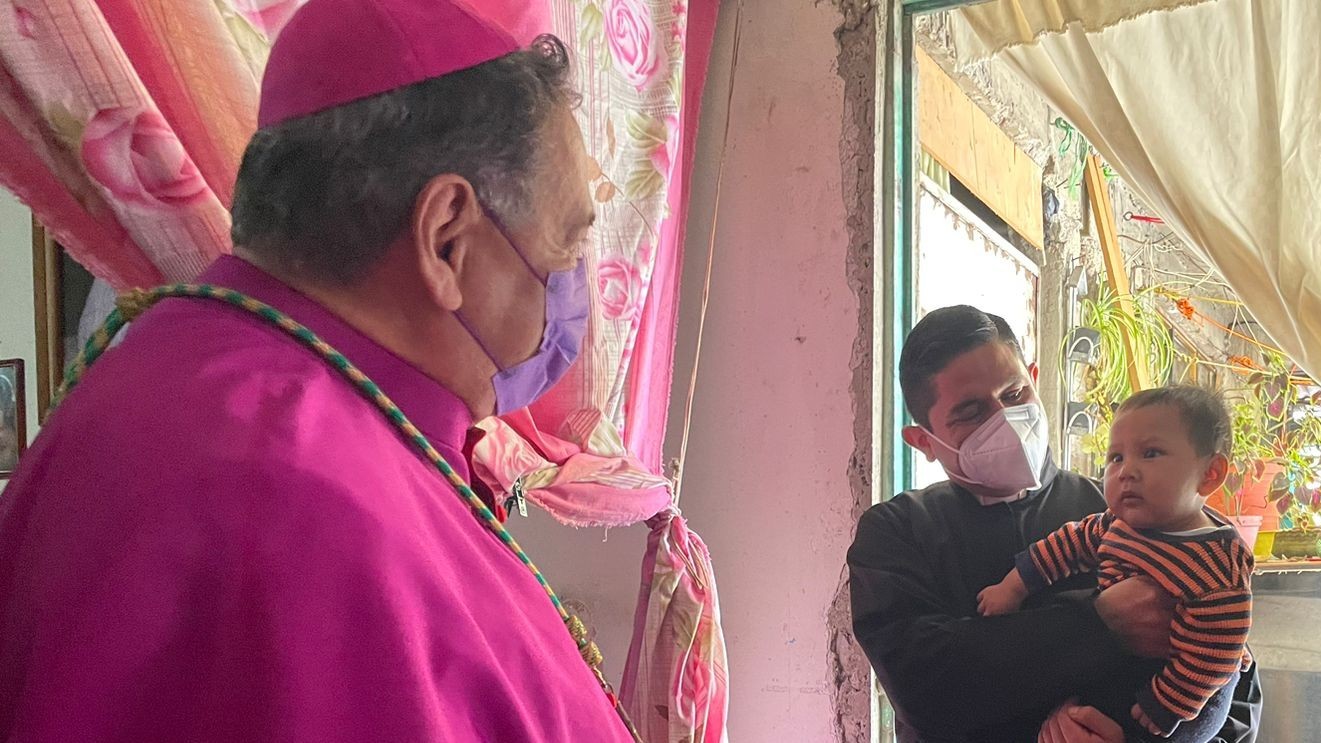
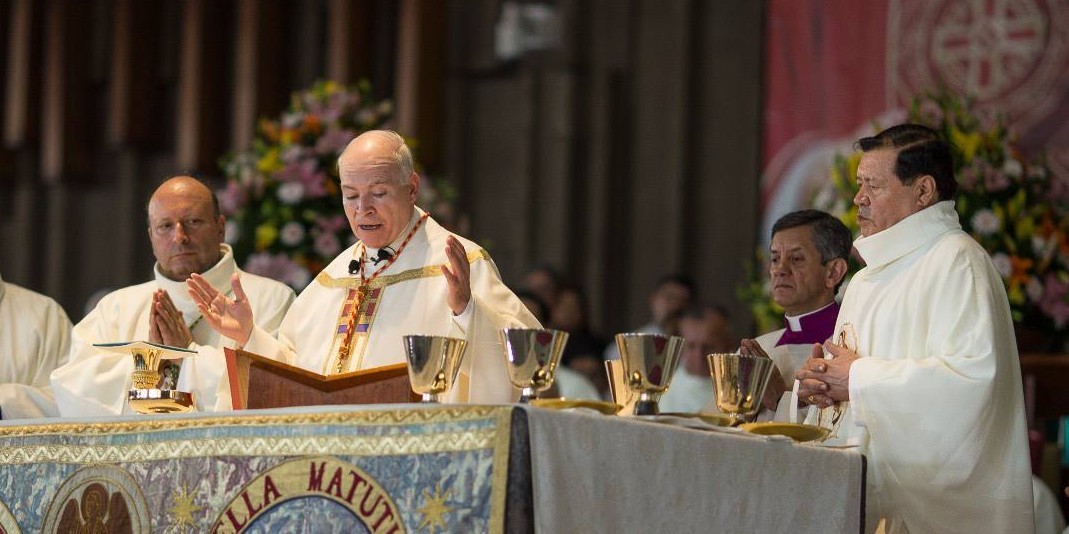
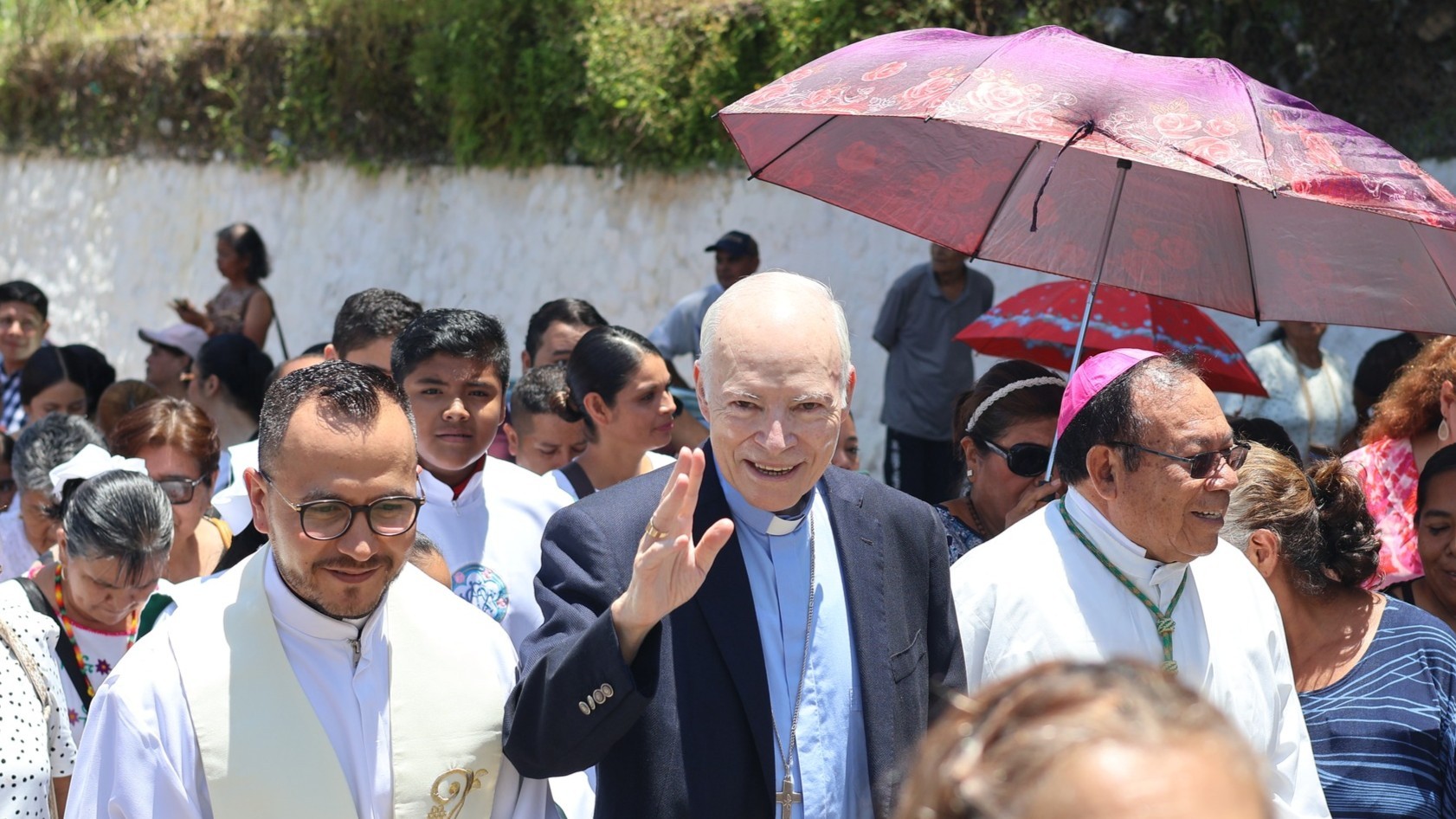
In this respect, it is impossible not to wonder if what happens in Izcalli regarding Pallares Contreras is fully independent from what happens in Tepic, where the influence of the Cardinal is noticeable every time he goes to his hometown, where one of his former priests from Texcoco is now the bishop, as it is possible to see in the picture after this paragraph from Aguiar Retes's most recent trip there to consecrate a new altar in a local Church.
Tropical exorcists
Carlos Arturo Cancelado Velasco was the subject of an unusual decree by the aforementioned bishop Luis Artemio Flores Calzada barring Cancelado Velasco from performing as priest. The document has a carbon copy to the United States Conference of Catholic Bishops, providing details of how he has been “unavailable” since 2022.
Cancelado Velasco had up until 2022 a relatively active online presence. A fan of practices commonly associated with the so-called exorcism, a ritual to cast away demons. It is unclear if he was authorized to perform that ritual, but still he was willing to play around with the idea of it over videos and social media postings.
There are in Tepic people who claim Cancelado Velasco has been accused of sexual abuse, as also has been Salvador Huizar Vera. In Cancelado Velasco’s case even some newspapers in Mexico City (content in Spanish) have printed generic allegations which, coupled with the secretive nature of the Church’s behavior, fosters the idea, summarized in the old saying “where there is smoke, there is fire” as to imply that bishop Flores Calzada is hiding something from his flock.
A couple of days later, as it is usually the case, local media in Nayarit printed a least one story where local Catholics are willing to defend Cancelado Velasco, praising his performance as priest in a rather isolated area of rural Nayarit, a state in the Mexican Pacific coast where communications are not always easy.
The story, available in Spanish here renders Cancelado Velasco as the potential victim of some sort of kidnapping or as one more case of “disappearance”, a common phenomenon in Mexico and the source of frequent confrontations between the Mexican government and NGOs addressing the issue.
So, it is possible that Cancelado Velasco could be a victim of that type of “disappearance” but those going to war for him, are unable to actually provide some evidence of it.
Precisely because of how frequent the “disappearance” of civilians in Mexico is, there are always some signs of this kind of issue. None of them seems to exist in this case. Also, it would be hard to believe that the bishop of Tepic was issuing the decree regarding Cancelado without having paid some consideration to the possibility of a kidnapping or disappearance.
In any case, it should be noted that both him and Huizar Vera have been at some point associated with parishes in the municipality of Rosamorada.
For the time being, Cancelado Velasco remains out of sight, while Huizar Vera enjoys both the trust and friendship of bishop Flores Calzada and the unwillingness of the State Attorney’s office to actually advance the reports filed against him at least by the parents of a female, underage, victim.
Bringing havoc
Local media outlets in Nayarit called out Flores Calzada for allowing priest Huizar Vera to celebrate Mass at the Cathedral in the city of Tepic, as the video from Facebook linked after this paragraph shows (if the video is not displaying you can access it here too, content in Spanish).
Sadly, given the absence of clearly stated policies to address clergy sexual abuse, the Catholic Church leaves itself open to the unavoidable gossip emerging from this kind of situations.
If that was not enough, back on August 4, that diocese issued a statement actively calling out a certain Francisco Isaías Rodríguez Núñez a “fake priest” despite the fact that they acknowledge him as a deacon.
Rodríguez Núñez is yet another example of how the Catholic Church itself brings havoc into its own dioceses and parishes. The statement goes into details of this deacon’s life.
They acknowledge that he was a seminarian in two religious orders before being admitted in Tepic’s seminary. They go into other stints he had at the seminaries of the dioceses of Huajuapan, Oaxaca, and Acapulco, Guerrero.
They also acknowledge as valid his ordination as deacon on August 3, 2018, at the neighboring prelature of El Nayar, a region within the same state of Nayarit, in Western Mexico. They even tell the story about Rodríguez Núñez being defrocked after his superiors at El Nayar filed a report to Rome.
Flores Calzada goes into details about the deacon getting an invalid ordination as presbyter, what most Catholic priests actually are, while warning about the validity of any ceremony or ritual presided by Rodríguez Núñez.
So, it is clear that when bishops and their underlings in Mexican dioceses want to go after someone they perceive as somehow illegitimate, they will use all the resources at their hands to discredit, even if avoiding any explanation as to why Rodríguez Núñez was expelled from Tepic’s seminary.
One should notice that according to the statement, Rodríguez Nuñez has been expelled by six different seminaries or equivalents during his career.
Priestly gambling
And the fact that one of those six seminaries is Acapulco is even more revealing. Morseo Miramón Santiago, the other priest accused of abuse of at least one male minor in Izcalli was also dismissed by the seminary of the archdiocese of Acapulco, which denied him ordination as a deacon, the necessary first step to becoming a presbyter, what is commonly known as a priest.
It would be González Ramos who entered the ordination casino, making a huge gamble on “ontological change” when he decided to lay hands on Morseo Miramón first as deacon and then as presbyter in Izcalli. Where were the catechists who used to lecture Catholic youth about the risks of gambling?
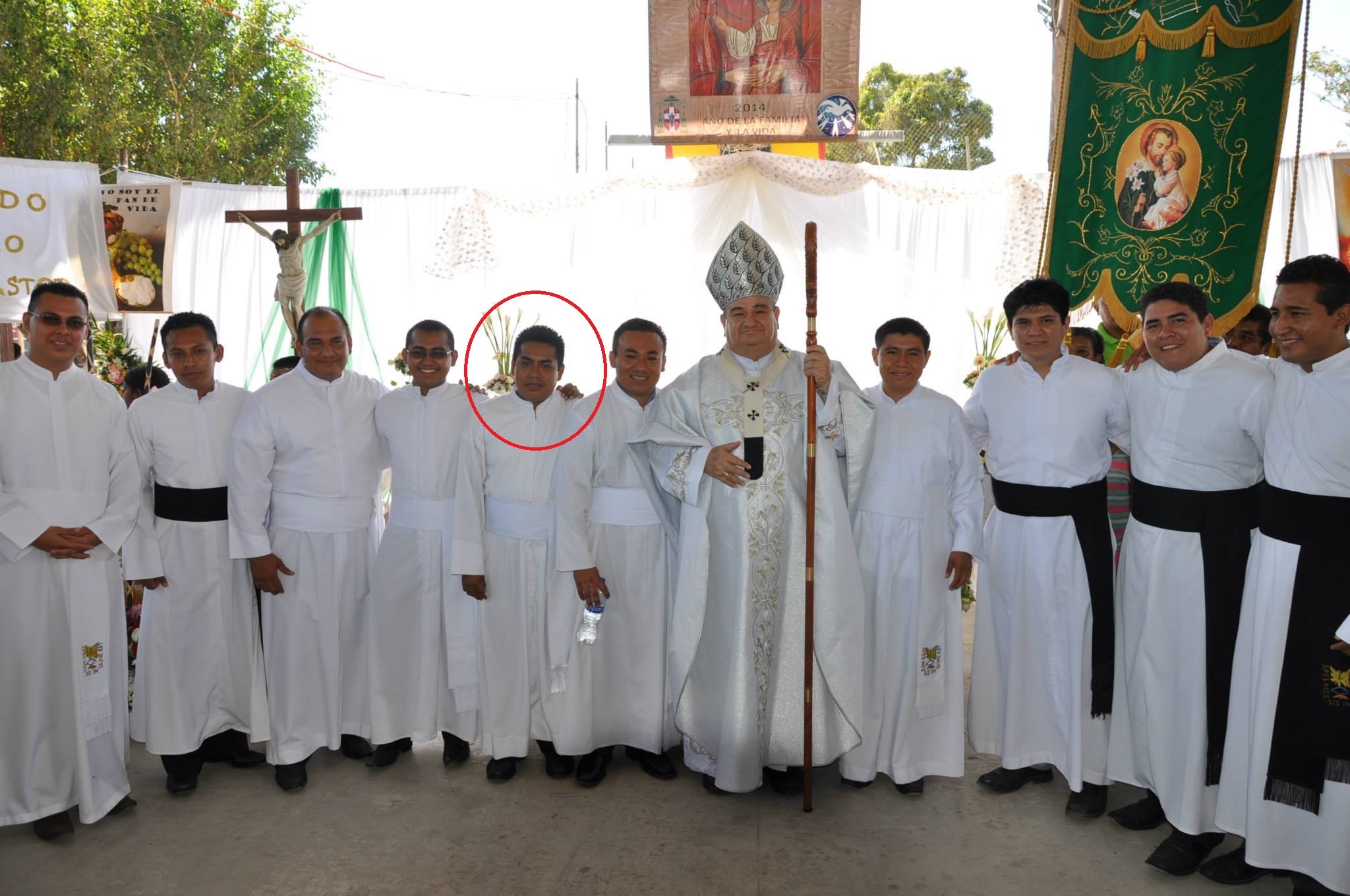
This additional piece of information delivered by bishop Flores Calzada zealous take on not letting “fake priests” operate in his diocese reveals deeper, institutional issues at play, potentially involving a network of clergy who have moved through the same system.
How many other priests or former priests have had “issues” in the seminary of the archdiocese of Acapulco? Why there is no central database collecting all data on current and former seminarians in the Mexican dioceses as to avoid either cases such as that of allegedly fake priest Rodríguez Núñez or cases such as that of Morseo Miramón. Is it necessary that laypersons tell the bishops how failures in one part of the Church's training and oversight system can lead to problems in multiple dioceses?
And it is necessary to stress here how confusing is the statement from the diocese of Tepic for whoever goes through the pain of reading it. Why if Rodríguez Núñez is a “fake priest” they address him as “deacon”? And even worse, they do so after spilling the beans about how the El Nayar prelature got Rodríguez Núñez defrocked.
Putting that issue aside, why if the Catholic Church is so willing to discredit fake priests is, simultaneously, willing to put its flocks at risk in Tepic of Izcalli or Tlalnepantla allowing priests with credible accusations of clergy sexual abuse to continue presiding over sacraments and rituals?
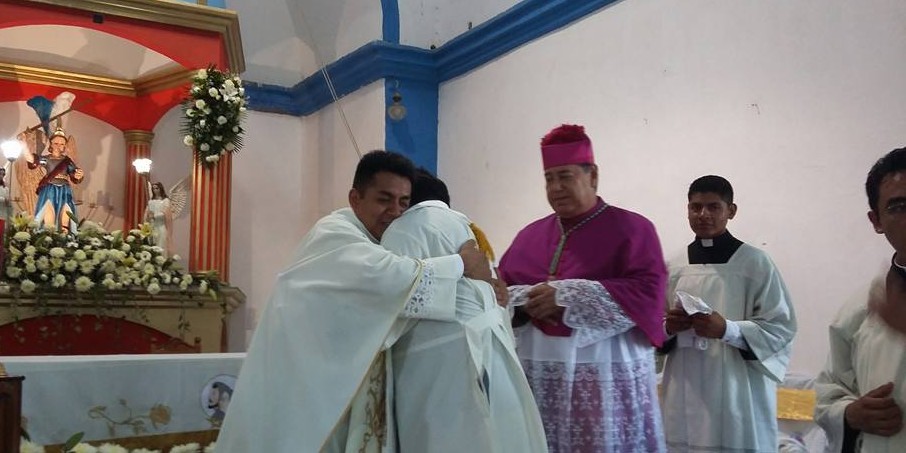
In that respect one should wonder if the decision to initiate a Vos estis Lux Mundi kind of probe will have to wait until more cases emerge in Izcalli.
The report delivered in Rome, of which Los Angeles Press has a copy, already makes the implicit call for launching that kind of probe, as it petitions, on page 16, after quoting sections of the Code of Canon Law, for “the removal of the bishop” for failing to comply with his duties and, as it states at different points, for his unwillingness “to prevent and repair scandals.”
The authors of the report go further. They state their suspicion that the diocese of Izcalli was dismissive when carrying its own internal probe. Among the key reasons to say so they state on page 19 that the diocese never carried not even a basic psychological test to assess the survivor of Pallares Contreras’s clergy sexual abuse. The survivor is now a 22-year-old adult.
At this point it is the report originally written to inform Pope Francis about the situation in Izcalli that draws a stark comparison with what González Ramos was unwilling to do with the survivor of Morseo Miramón Santiago.
The key question at this point is if the involved parties will at least acknowledge their own wrongdoing while trying to fix what seems to be a larger scandal waiting to happen.
It should be noted, again, that the report talks about other cases involving Diego Pallares Contreras, and that there are unresolved issues in Izcalli going back to the assassination of who was, up until April 18, 2018, the day he was killed with a knife, the judicial vicar of that diocese, Rubén Alcántara Díaz, who as such was in charge of addressing this kind of cases.
Given Cardinal Aguiar Retes's immense power in Rome, is his own silence and the silence of other top clerics a sign of obedience, of discipline, or a Mexican example of what Richard Sipe’s called the “scarlet bond” perpetuating impunity for sexual predators?