Rodolfo Soriano-Núñez Jueves, 16 de Julio del 2026, 00:00
Unlike what happened almost simultaneously in Buffalo and Chicago in the United States, the Catholic Church in Mexico City still bets on opacity.
By the time the authorities in Mexico City informed about the arrest, the alleged culprit’s name had been removed already from the sole Catholic official database publicly available.
By Rodolfo Soriano-Núñez
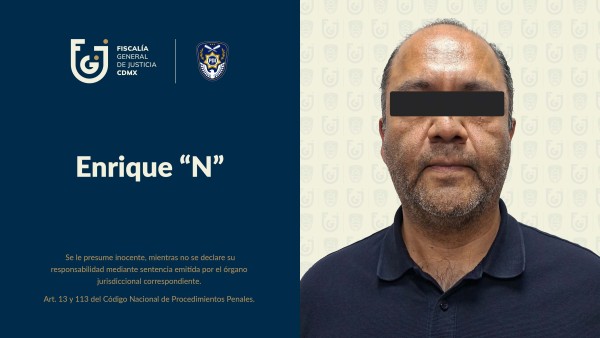
On Wednesday, July 15, the Mexico City attorney’s office released a statement providing some detail on the arrest of a Catholic priest only identified, per the Mexican code, as Enrique “N.”
A few minutes before, Spes Viva, a Mexican human rights advocacy NGO that helps some victims of clergy sexual abuse in their cases, released a short statement of their own, where they offered a bit more detail about the identity of the arrested priest.
Although it also identified the alleged predator only as Enrique “N,” Spes Viva offered small clues: the arrest happened near the Saint Martin of Porres parish in the Peralvillo neighborhood of the Cuauhtémoc borough, near downtown Mexico City.
The Cuauhtémoc borough has more than 500 thousand inhabitants, and official channels only offered severely censored information that protects those who abuse others.
Figuring out the priest's identity was an exercise in cross-referencing the available data, which, far from demonstrating transparency on the part of civil authorities or the Catholic hierarchy, only confirms that they insist on hiding and minimizing these facts.
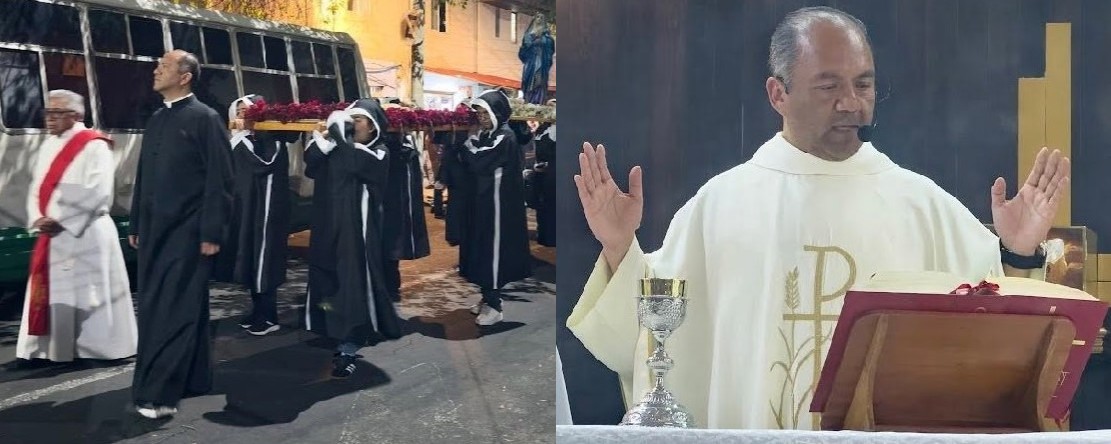
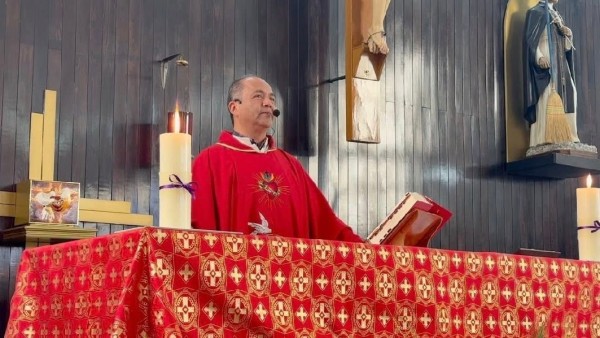
However, those sparse geographic clues made sense when mapped against historical appointment records and social media imagery from the parish. A digital comparison of the unredacted features from the parish's public photos against the blacked-out booking photo released by the attorney's office confirms the accused priest is Enrique Esquivel Rodríguez, whom Cardinal Carlos Aguiar Retes, the archbishop of Mexico City, appointed as pastor of that parish on July 15, 2022.
Per the statement released by the attorney’s office, the alleged victim’s mother filed the original complaint back in June. The statement goes further to explain that back in January, the alleged victim’s mother had a chance to read her daughter’s personal messages on a mobile phone.
There, she was able to identify an exchange with a profile identified as Winnie Poo. Later it was possible to know she had had at least four sexual encounters with the owner of such profile whom she identified as Enrique Esquivel Rodríguez.
The arrest happened on Thursday, July 9, but it was not until Wednesday, July 15, that the Mexico City attorney’s office published a statement, first on their website (content only in Spanish) and, a bit later, in their social media profiles.
Even if by Mexican standards this was a relatively speedy operation, it is necessary to wait for the judiciary procedure that could take, depending on the decision of the alleged culprit, several years.
A few minutes after the attorney’s office published its statement, the Mexico City Catholic archdiocese published in their social media profiles a statement of their own. Adhering to the common practice of the Catholic dioceses in Mexico, they avoided offering any details about the identity or assignment of the alleged culprit.
What is worse, even if the archdiocese keeps a robust website (content only in Spanish), they have not uploaded any statement for 2026, so the only way to find some rather vague information about this case is over the social media profiles of the archdiocese.
It was noticeable that even if it that website has a feature to find out if a priest has valid licenses in the archdiocese’s territory, when one tries to find a priest identified as Enrique Esquivel Rodríguez, there is no such name there, probably because the archdiocese’s webmaster used the time between the arrest and the release of the statement by the attorney’s office to remove that name from that database.
The statement released by the archdiocese emphasizes the idea that they are concerned with the victim’s and her family’s wellbeing, and the need to protect their identities, but they expect a similar treatment for the alleged culprit.
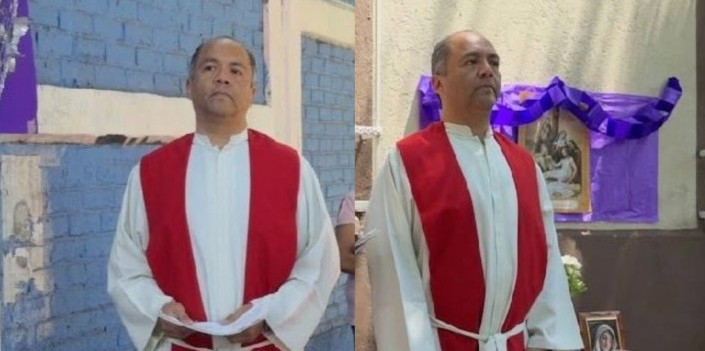
An uncomfortable comparison
In this respect, the way both Mexican authorities and religious leaders deal with these issues stands in open contradiction with what one sees in other countries. Almost at the same time the Mexico City police arrested Esquivel Rodríguez, in upstate New York, the Federal Bureau of Investigation arrested Jeffrey Nowak, a Catholic priest working for the diocese of Buffalo.
Almost simultaneously with the Catholic archdiocese in Mexico City, the Diocese of Buffalo published a statement over its social media profiles acknowledging the arrest, the accusations, without trying to hide the accused priest’s identity.
Nowak was one of the accused priests behind the scandal engulfing that diocese since 2019 forcing the early resignation of Richard Joseph Malone, the now emeritus bishop of Buffalo, for his mismanagement of several cases of sexual abuse there.
The way U.S. law enforcement and the media cover clergy sexual abuse cases allows for other victims of that practice to come forward while making credible the Catholic Church’s discourse about their commitment to end that scourge.
In Mexico, if left to the designs of the law regulating these kinds of cases and the media behavior, there is no way to track down who could be the potential culprit, and little or no incentive for other victims to come forward.
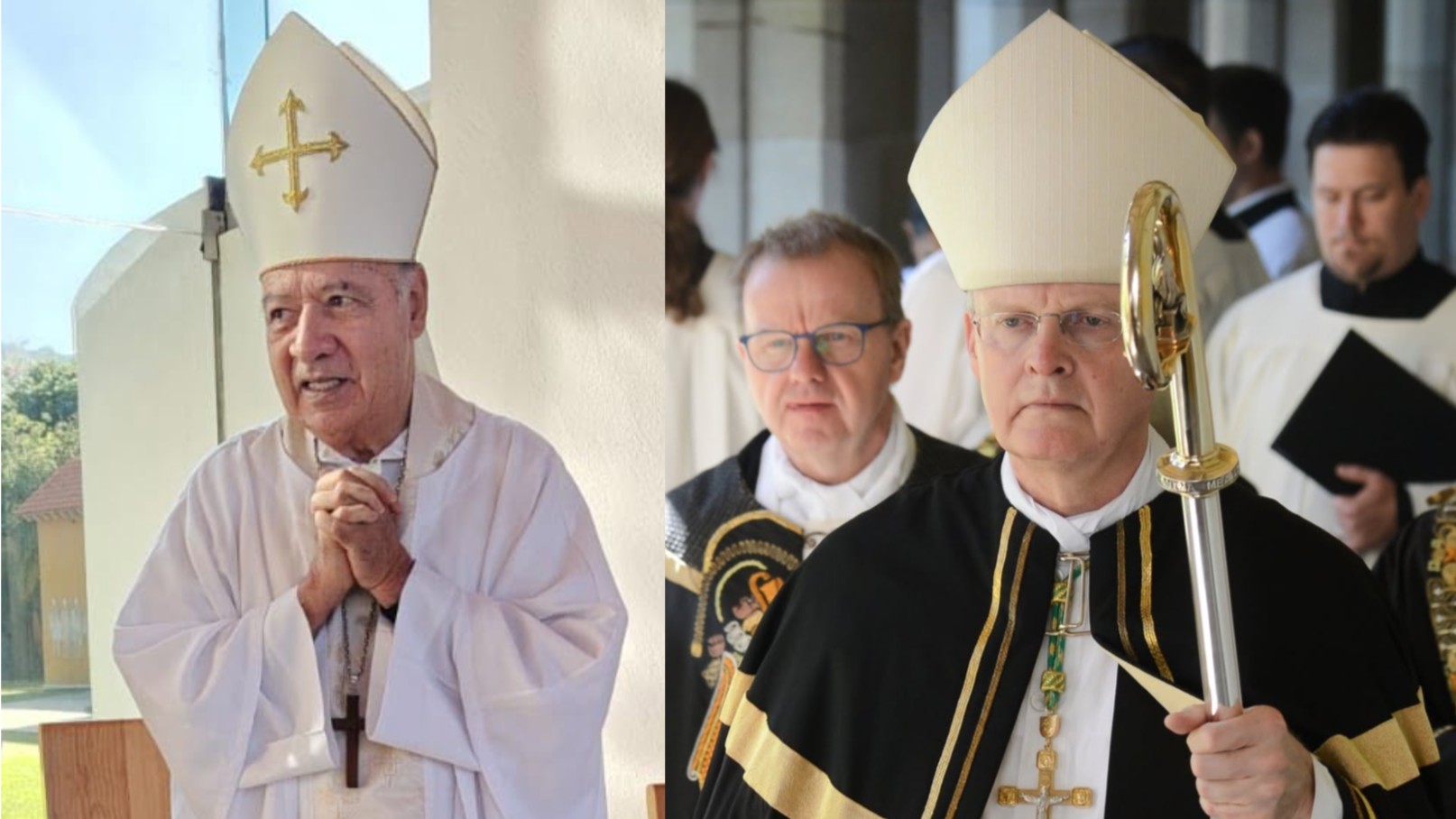
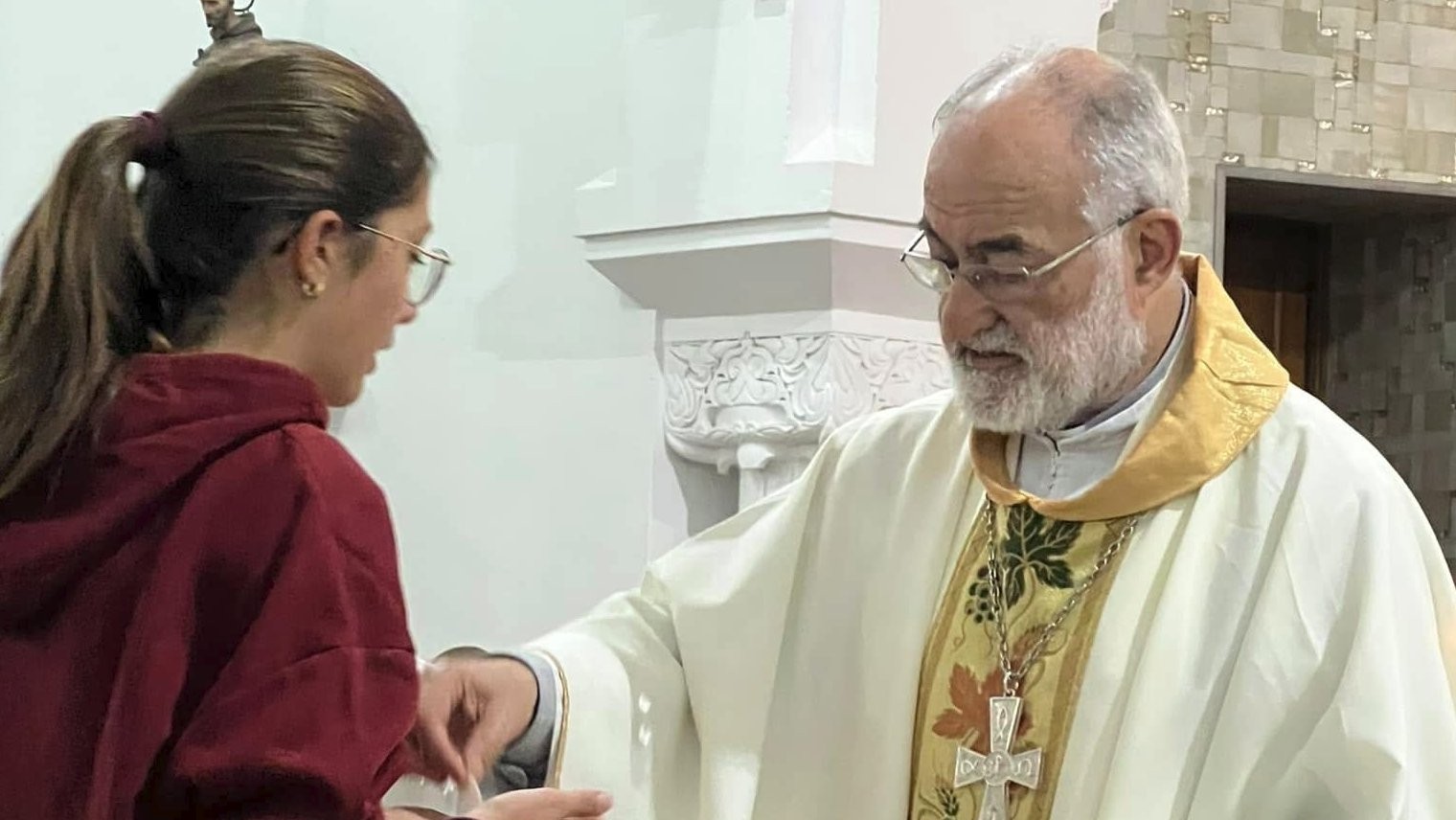
The secrecy with which the Catholic Church deals with these cases in Mexico and elsewhere in Latin America has been the subject of at least two previous installments of this series, one from Acapulco, Mexico, in the story linked before this paragraph, and one from the ongoing investigation on the record of Cardinal Cristóbal López Romero at different points in his career in Spain, Paraguay, Bolivia and Morocco.
English Edition
Cardinal López Romero: Abuse from the Amazon to the Sahara?
The differences in how these cases are handled extend beyond Mexican law and the attitudes of local authorities; they are also clear when comparing how the Catholic hierarchy and media are willing to acknowledge the accusations and, without exonerating or condemning an accused priest, they are open to acknowledging the existence of such accusations, as in the recent case of Chicago priest Michael Pfleger.
Not only the archdiocese there acknowledged the existence of accusations and a probe, also Catholic media in the United States are well aware of how futile and counterproductive it is to try to hide the names of accused clergy and, as the story from Black Catholic Messenger available here, they openly acknowledge the accusations.
Pfleger being identified by Black Catholic Messenger is not easy for a media outlet such as them. Pfleger has been pastor of Saint Sabina, a parish located in a historically black neighborhood of South Side Chicago.
Cardinal Carlos Aguiar Retes's record on this issue of in Mexico City and other sees where he has been bishop (Tlalnepantla and Texcoco) or metropolitan (Izcalli) is mixed. In Mexico City he set up the commission to prevent clergy sexual abuse in the archdiocese’s territory, unlike archdioceses such as Tijuana or Acapulco.
English Edition
Adult males abuse: the hardest story to tell
However, there is little evidence of will to follow up on reports in his current see in Mexico City (see the story linked above) or to use his influence to favor the solution of pending cases in dioceses where he played a key role, such as Izcalli, a territory separated from Tlalnepantla when he was the archbishop there, as told in the story linked after this paragraph.

The strategy followed by the Mexican authorities and Catholic leaders was unable to prevent the identification of the potential culprit. It only made it harder to figure out what happened, and left the media in Mexico to figure out the riddle of whether or not to infringe upon the existing regulations in the country.