
Rodolfo Soriano-Núñez Lunes, 11 de Mayo del 2026
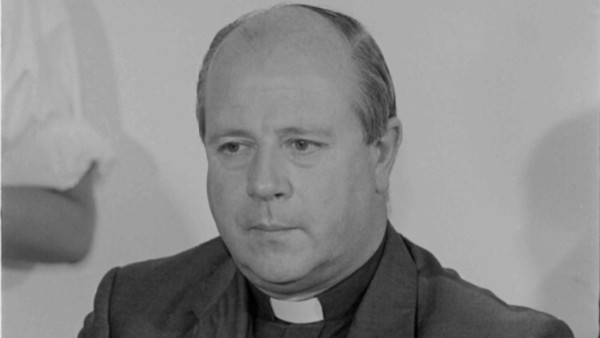
Both Theodore McCarrick and José Francisco Cox Huneeus reached the heights of the Catholic hierarchy by the end of the 20th century despite their record of abuse.
Unlike what happened with McCarrick’s abuse in the United States, there is no official Vatican report on Cox Huneeus’s abuse in Chile.
By Rodolfo Soriano-Núñez
Last week saw a flurry of small steps on several fronts of the clergy sexual abuse crisis. As hard as it is to pick up one of the many cases seeing some movement, not necessarily an actual development, it is really hard to dismiss one coming from Chile.
It is not a groundbreaking ruling from a top court there, nor the kind of news one sees these days coming from the state of New York, or even the expectation it is possible to find in German media about the upcoming dioceses or orders releasing reports where they do not only go through the “we are sorry” routine, but where they are willing to actually walk the walk of reparations when required.
On Thursday, May 7, Christian LeCerf Raby, an official at an Appeals Court in Chile, admitted what was known: Francisco José Cox Huneeus, the former archbishop of La Serena (1990-7), was a sexual predator (content in Spanish) and the Catholic Church protected and covered up for him.
One of Cox Huneeus’s victims, Abel Soto Flores, now 57, came forward back in 2018 (content in Spanish), in the aftermath of Pope Francis’s Chilean debacle, his pastoral visit there in 2017, accusing the then already emeritus archbishop of abusing him when he was a minor.
Besides Soto Flores there would be at least other six victims. The abuses go back at least to 1975 and the last of the victims of that group reported the deceased archbishop’s assault as happening in 1988.
To better understand such timeline, 1974 was the year Pope Paul VI appointed Cox Huneeus as bishop, before he was 41, sending him to Chillán, 230 miles or 370 kilometers South of Santiago, where he spent seven years before getting a ticket to Rome.
Allegedly, the reason to move to Rome was to become the secretary of the then Pontifical Committee of the Family, an entity now transformed into the Dicastery for the Laity, the Family and Life. Given what we know now, it must be stressed that there was no clarity as to why he left Chillán for Rome.
Opacity as policy
The very opacity with which the Catholic Church has been handling these cases for the last century at least, makes it necessary to cast doubt about the real reason behind such move. In any case, Cox Huneeus was able to render the move as a promotion even if, in actuality, the move to Rome raises all kinds of questions.
Once in Rome, as the secretary of that committee, he benefited from his relationship with Cardinal Edouard Gagnon. He was a member of a generation of very influential Canadian prelates in Rome. Their power was directly proportional to the large number of Canadian priests active at the time in Latin America, Africa, and Asia as missionaries.
It is not hard to imagine why Gagnon would have wanted to have a Latin American bishop as his right-hand at that Committee, but the questions about why Cox Huneeus left Chillán “in a hurry” and how he was able to recycle and even boost his career in Rome, remain unsolved and troubling.
More so if one takes into consideration the similarities of his case with that of former Cardinal Theodore McCarrick and how Pope Francis summarily defrocked both. One would guess that similar, even symbolic, punishments were issued because of similar crimes. Cox Huneeus was laicized on October 11, 2018, five months before the Argentine Pontiff set the same “punishment” on Theodore McCarrick on February 19, 2019.

English Edition
Theodore McCarrick: Dead dogs don‘t bite?
In that respect, given the “severity” of the punishment, inconsequential for the survivors, but a major move when seen from the logic of Catholic clergy, it is impossible not to wonder how many more victims of Cox Huneeus are besides the seven who came forward in the months after Pope Francis’s disastrous trip to Chile in 2017.
One should also wonder whether Gagnon was aware of Cox Huneeus’s behavior. It would be impossible for him not playing a role in Cox Huneeus’s triumphant 1985 return to Chile. Sadly, even if with McCarrick there is the acknowledgement of what was known to the Roman curia about his predatorial behavior, there is no similar report on Cox Huneeus’s.
Why there is a report on McCarrick but none regarding Cox Huneeus goes back to an issue this series has been stressing over several installments: the willingness of the Catholic Church or any other religious organization to be accountable is not doctrinal, because doctrine is the same in the United States and Chile.
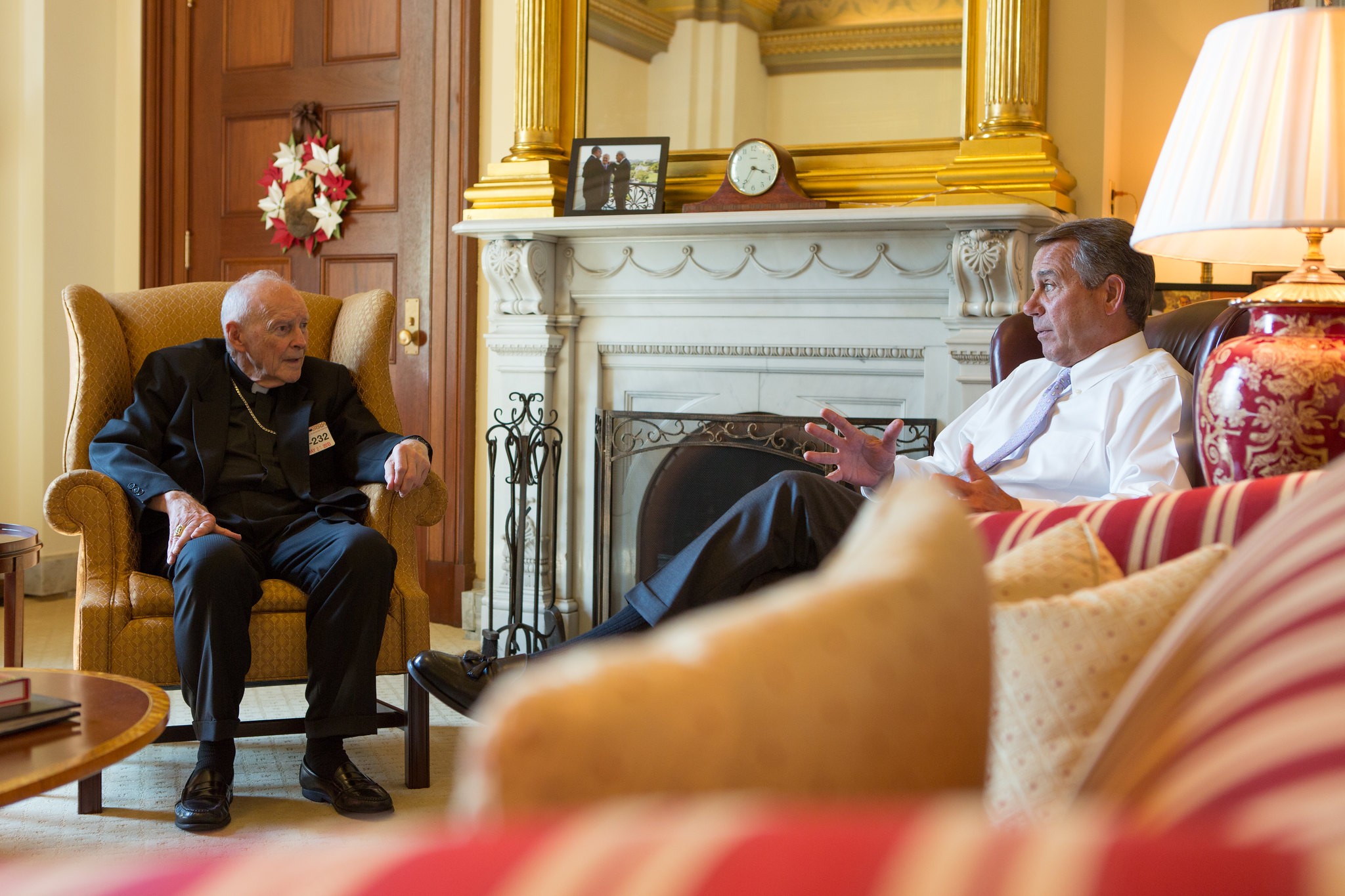
The will to provide a thorough account of what made McCarrick the kind of predator he was and the black hole around Cox Huneeus depends on how far the authorities in the United States have been willing to go or, conversely, the unwillingness of the Chilean ones to follow a similar path.
The absence of accessible records regarding episcopal vetting is not incidental. It forces any reconstruction of events into the realm of inference, a condition that illustrates the structural opacity that has characterized the Catholic Church’s handling of the appointment of bishops.
One must keep in mind in that regard that by the institutional power they concentrate, bishops have the power to burn to the ground the Church itself. They can do so when protecting abusers; more so when they are the predators, as in Cox Huneeus’s case.
Two predators, similar patterns
Rome saw fit publishing a report to set the record straight about what was known at what point over McCarrick’s rise to power, because there was the risk for Pope Francis to be named as somehow involved in that issue.
Carlo Maria Viganò, the now excommunicated former nuncio to the United States did his best to blame Francis, joining a campaign with support from U.S. and Canadian Catholic far-right movements, as in the case of LifeSite News.
Said movements did their best to amplify as much as possible both Viganò’s anti-vaccine conspiracy theories, as much as his allegations about Pope Francis’s role in McCarrick’s rise.
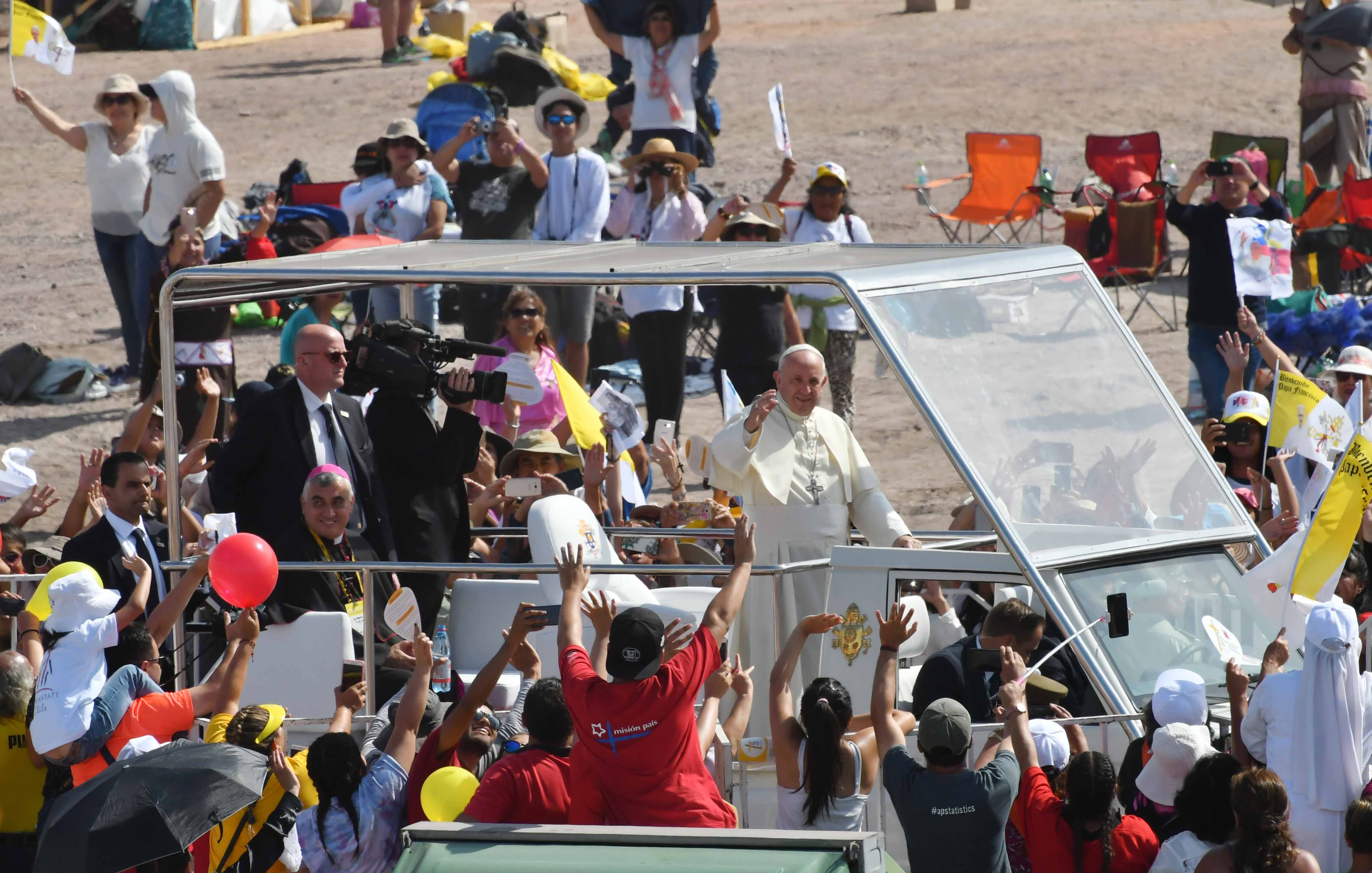
Even if Viganò’s allegations had little or no support, given the risk of the sitting Pope being implicated directly in the kind of scandal McCarrick’s case became by the end of 2018, the Vatican’s Secretariat of State saw fit to publish what remains, up to this date, the sole thorough account of the rise of a sexual predator within the Catholic Church, available here.
A Chilean report similar to McCarrick’s would have to explain the nature of the vetting process led by then-Nuncio Sotero Sanz Villalba (1970–77) when Cox Huneeus was proposed as a candidate for bishop. While the nunciature archives remain inaccessible, it is impossible not to wonder if there were already then, in the early 1970s, reports about Cox Huneeus’s predatory behavior.
Sadly, it is known from other cases, McCarrick’s included, that being named in accusations of clergy sexual abuse was effectively not a disqualifying feature. The system’s primary interest has been the Church’s own expansion and so the overbearing trust in its own ability to “handle” such issues internally, a confidence that—as we now know—resulted in repeated instances of abuse.
That is where McCarrick’s report excels at providing an internal account of how many voices came forward to John Paul II, warning him about previous accusations against McCarrick, some of them dating back to his days a priest in New York City, when then Cardinal Karol Wojtyla visited the United States and had a chance to meet future Cardinal McCarrick, who was able to speak a few lines in Wojtyla’s native language.
Church’s interests
Putting aside his gift to speak several languages, what helped McCarrick’s rise to bishop and eventually Cardinal was his abilities as both fundraiser and lobbyist for the Church’s interest in the United States.
No matter how much evidence McCarrick’s adversaries were willing to send to Rome, John Paul II saw him as a bridge with the U.S. political establishment. Democrats or pre-Trump Republicans, McCarrick was able to play along and pursue the Church’s interests whether in the United States, China or Latin America, and John Paul II wanted that kind of influence in the District of Columbia.
Even in the case of Theodore McCarrick—where the Vatican produced an extensive report based on internal documentation—critical decisions remain ultimately unexplained.
No documentary record can fully reconstruct why John Paul II dismissed repeated warnings. If that level of uncertainty persists in a case with unprecedented access to archives, the absence of comparable documentation in cases such as Cox Huneeus’s does not merely complicate analysis; it renders definitive explanation structurally impossible. What appears as speculation is, in fact, the unavoidable consequence of a system designed as a black box.
Was that the case with Cox Huneeus in Chile when Rome decided to send him to an early retirement in Germany? It is hard to tell, but it is possible to assume that the former bishop of Chillán, regardless of what forced him to live for a few years in Rome, was attractive to Rome as a bishop because he was a member of the Chilean elites, and probably that played also a role in the protection he enjoyed until his death.
It would be impossible to go into the details of Cox Huneeus’s genealogical tree, suffice to say at this point that him, as many other priests promoted to bishop in the second half of the 20th century were members of large clans, powerful both inside the Conference of Catholic Bishops and with close ties to the political and economic elites.
Cox Huneeus was the cousin of now emeritus archbishop of Santiago, Cardinal Francisco Javier Errázuriz Ossa. Both were members of a relatively new and rather powerful religious “order” in Germany and South America, the so-called Institute of Schönstatt Fathers. Before becoming a high-ranking member of John Paul II’s curia in Rome, Errázuriz Ossa had been the general superior of that “order” (1974-90).
After his Roman stint as secretary of the now Dicastery for the Consecrated Life, the one dealing with all the Catholic “orders” worldwide (1990-6), Errázuriz Ossa got the crown jewel of the Chilean Catholic Church, the appointment as archbishop of Santiago (1998) and eventually as Cardinal (2001), both from John Paul II.
Besides his familial relationship with Errázuriz Ossa and other members of the Chilean episcopate, and even if it is impossible to prove it at this point, chances are Cox Huneeus left a good impression in Gagnon who, in May 1985, five months after the Chilean bishop’s departure from the Committee, was already a Cardinal.
Gagnon’s was the head of the Pontifical Committee dealing with the family during a papacy obsessed with a certain notion of the defense of family that included an all-out war on abortion. When Gagnon left his post in 1991, the committee had been elevated to the rank of a Council, signaling how relevant it was for John Paul II.
Gagnon’s move was hardly a demotion. He remained in Rome, as head of the Pontifical Committee for the International Eucharistic Congresses, giving him a chance to play a major role in John Paul II’s very active international agenda.
Austral oddities
Moreover, when Cox Huneeus went back to Chile, he did so as coadjutor archbishop of La Serena. Why he was appointed as coadjutor is, once again, anybody’s guess, as the then sitting archbishop Bernardino Piñera Carvallo was apparently, at least at the time, in good standing in Rome and he was not reported as being ill, otherwise why would he run for president of the Conference of Catholic Chilean bishops?
Oddly enough, when one goes over Piñera Carvallo’s page at Catholic Hierarchy, it is possible to notice his resignation was readily accepted seven days after turning 75. Was there any reason for such a rushed retirement?
Once again, the opacity with which the Catholic Church manages the appointments of its top leaders, forces this kind of speculation, more so when one takes into consideration that Abel Soto Flores, the survivor who came forward in 2018, claims he made Piñera Carvallo and other Chilean bishops aware of what Cox Huneeus’s did to him.
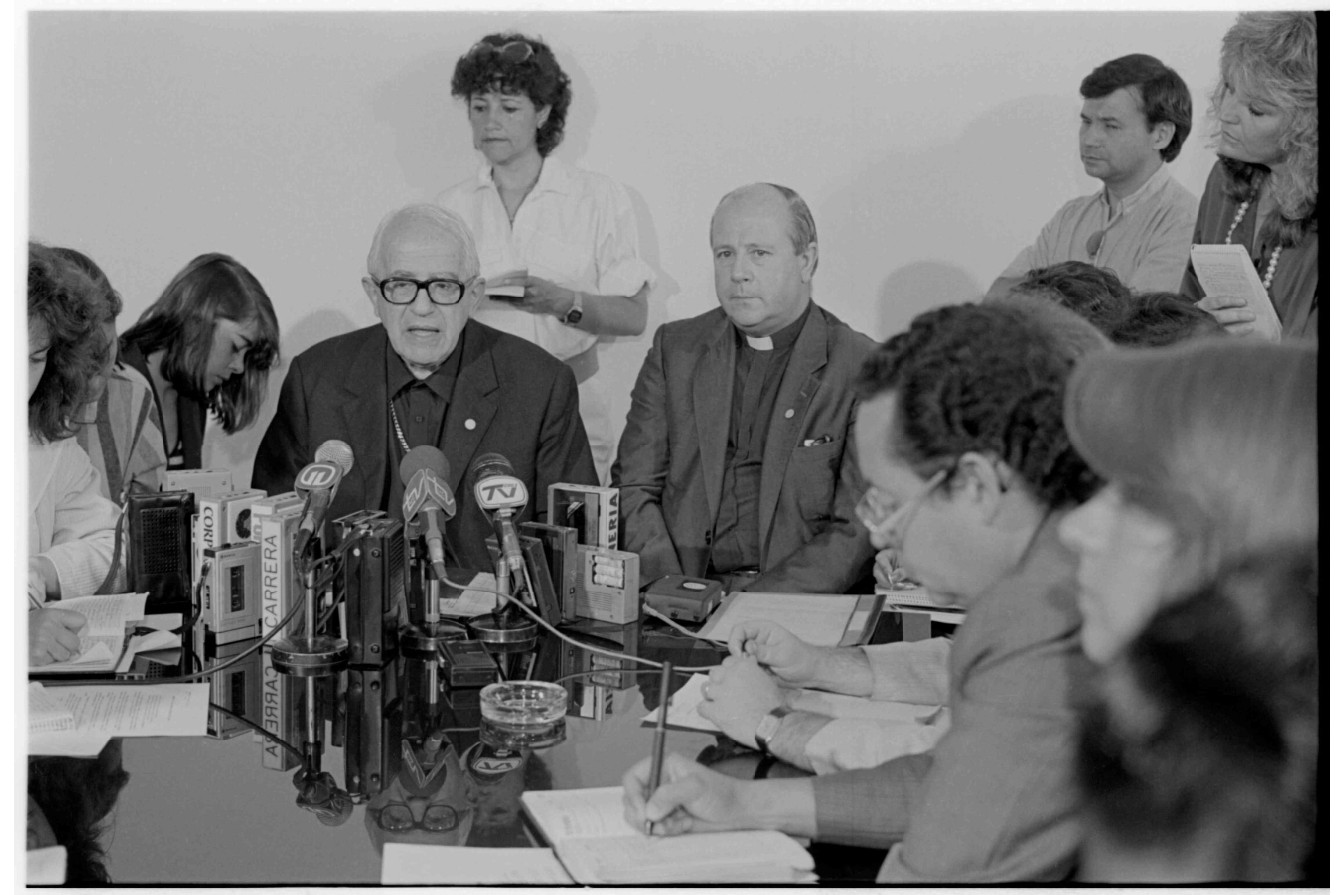
Theoretically, Piñera Carvallo retained some seniority over Cox Huneeus, but the fact Cox Huneeus went there as coadjutor makes the whole situation murky to say the least. Moreover, in 2019, one year before his death, Piñera Carvallo was accused of abusing at least one minor back in the 1970s (or here in Spanish).
As it is usually the case, the Church’s internal probe, heralded by then nuncio to Chile Ivo Scapolo, as part of the comeuppance after Pope Francis’s disastrous 2017 trip to the South American country and the Catholic Church’s renewed interest in finding a solution had no legs.
Was abuse the reason why Cox Huneeus’s return to Chile was as coadjutor to Piñera Carvallo? Was that the reason why Piñera Carvallo’s resignation as archbishop of La Serena was accepted seven days after reaching 75?
Putting aside those details, what strikes the most of his case was that at the time Cox Huneeus was archbishop of La Serena, a coastal city 250 miles or 400 kilometers North of Santiago de Chile, and he was abusing his flock, other Chilean predators were also very active, preying on the faithful: in Santiago de Chile, the nation’s capital there was Fernando Karadima, at the time the almighty pastor of the parish of the Sacred Heart in Providencia, at the time one of the most exclusive neighborhoods of that city.
Close by, there was the large-scale abuse happening at the Jesuit Catholic School of El Bosque. Around those years, another predator associated with the Chilean Jesuits, Renato Poblete, was very active preying on whoever he saw weak enough, needy enough.
The Legion of Christ, probably aware of how easy it was to prey on Chilean Catholics, more so on those with money of their own, was at the time getting ready to deploy the first group of their members, with Irish priest John O’Reilly as one of “Maciel’s boys” there, more than ready to emulate the Mexican founder of the order.
Perhaps to avoid missing a key piece of the “action”, their college the so-called Universidad Finis Terrae is also located near Karadima’s old parish.
These cases do not unfold in isolation. They are geographically concentrated within a narrow sector of Providencia—an affluent enclave in the country’s capital, where all the people with the right last names (Basque, French, German) used to live. An area developed in the 1950s, historically shaped by religious and institutional presence—raising questions not about coordination, but about the kind of environment that repeatedly attracts and shields predatory actors.
Opacity and trust
How aware were these predators of each other’s behavior, and how aware were their superiors is anybody’s guess. Once again, the opacity with which Rome deals with these issues, not only in Chile but elsewhere makes almost impossible to actually understand what happened at the time.
Despite the illusion of somehow controlling the narrative, the main effect of opacity is distrust in an institution which, at least in 1970s Chile, tried to play a major role preventing Human Rights violations from the military junta, while promoting characters such as Karadima and Cox Huneeus who performed their own brand of Human Rights violations.
Were there any safeguards? What prevented such safeguards from ever having any impact? Putting the Catholic Church’s many mistakes aside, it is impossible not to question what was happening with the police and the judiciary, more so in a country whose political leaders take pride in emphasizing their commitment with the rule of law.
Sadly, as putting aside the rhetoric vim of Chilean politicians, left and right, what stands is their will to endorse the Catholic Church’s official take on the clergy sexual abuse crisis as the byproduct of a rather large number of abominable “lone predators.”
It is impossible not to question how many of those “lone predators” it takes before the Chilean Catholic Church, the Chilean authorities, and the Catholic Church at large to realize that when you have that many “lone predators,” you are probably dealing with a rather complex system rewarding or at least being unable to actually punish them.
One could argue that social groups such as religious organizations have a right to provide whatever explanation fits their short-term interests the most, even if in doing so they risk their own prestige or credibility, on top of their relation with their members. However, that cannot be the case of the authorities if, regardless of their relationship with any given religious institution, they want to be perceived as legitimate.
A measure of justice
That is where the issue in Chile stands. That is what explains the anger one finds in Chilean social media these days, because regardless of LeCerf Raby’s statement, there is a long story of cases where the authorities acknowledge wrongdoing, even abuse, but they are unwilling to offer a measure of justice to the victims.
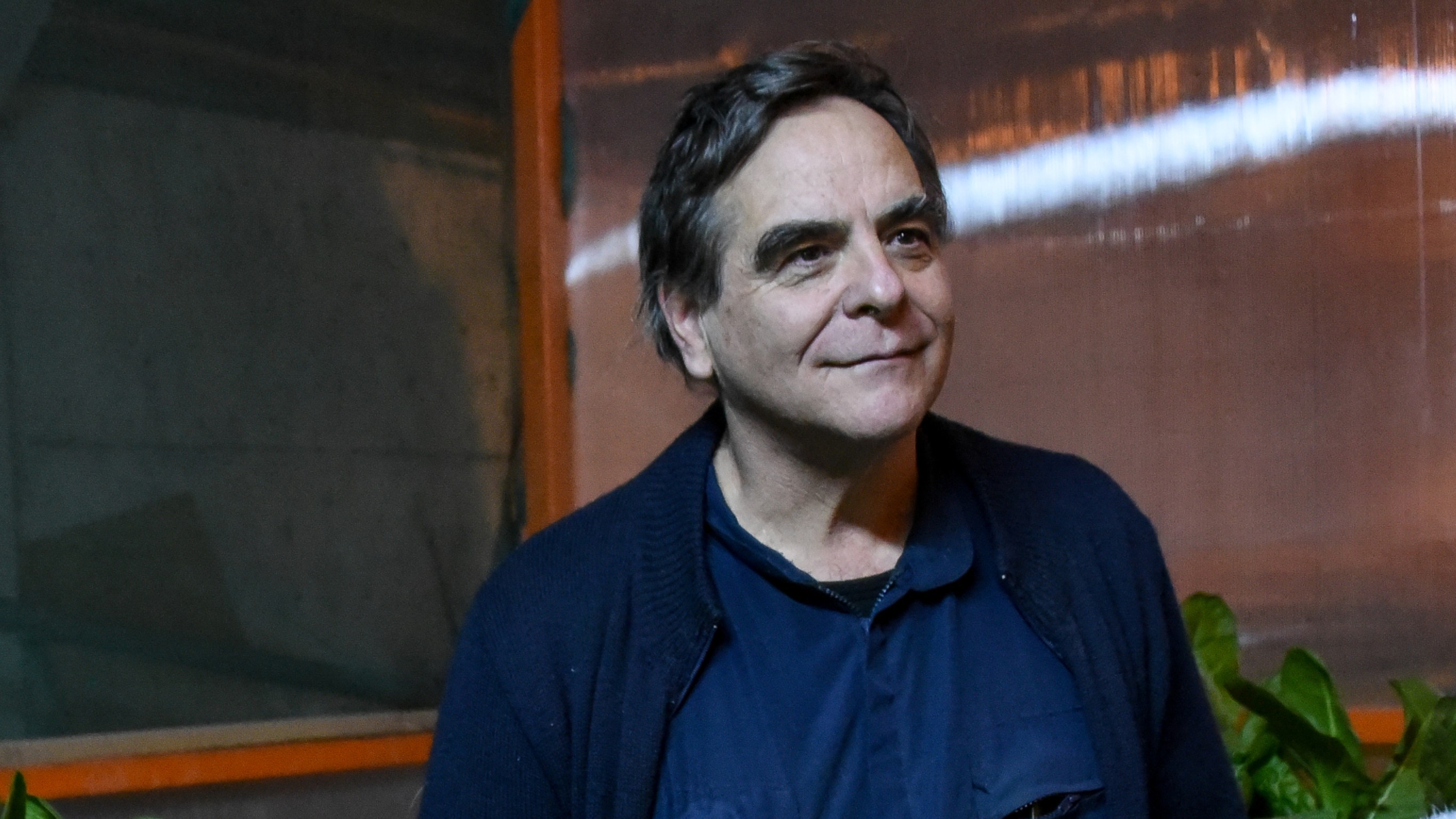
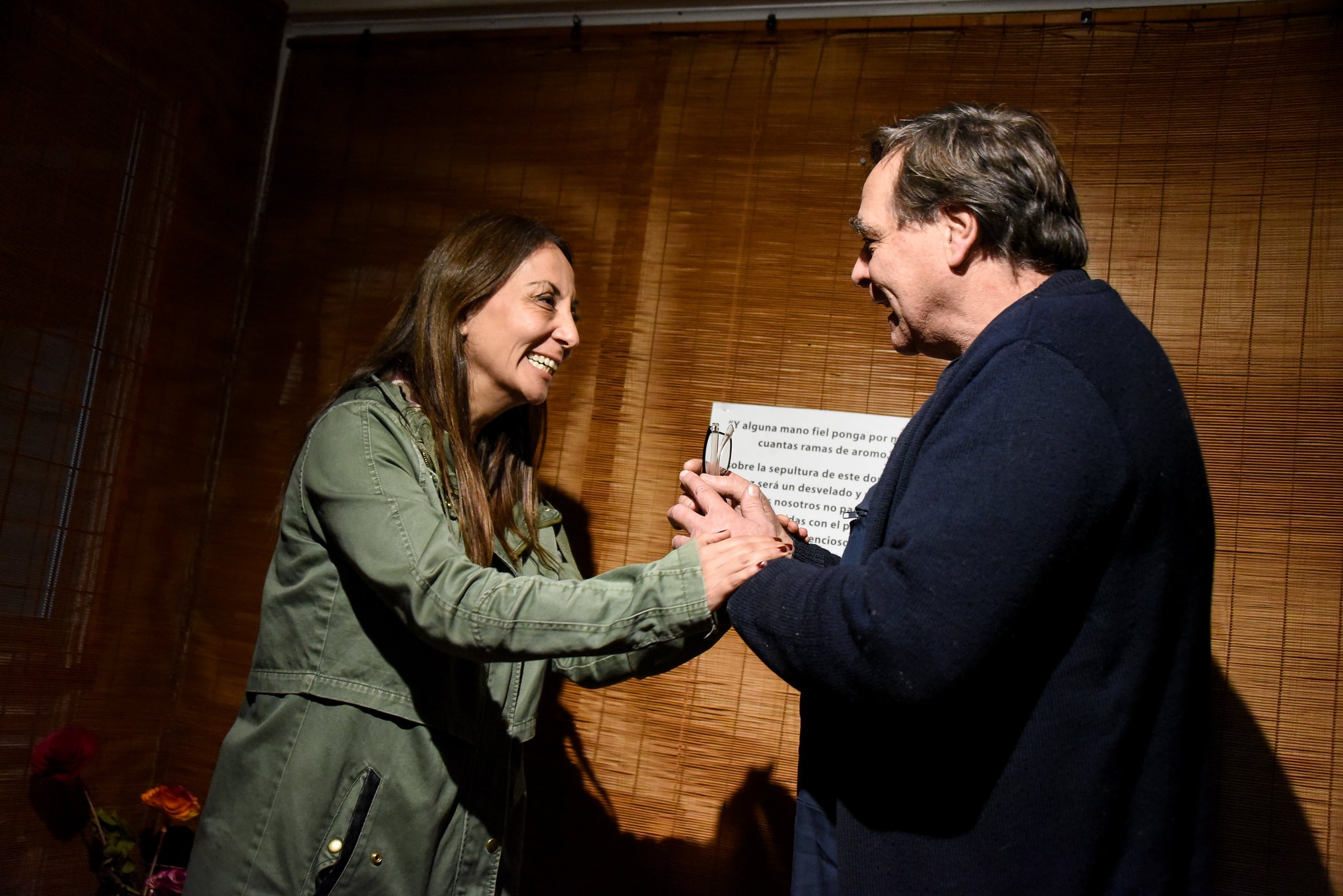
A few weeks ago, this series compared Felipe Berrío's and Marko Rupnik's cases. Both remain priests,although both were expelled by the Jesuits, as they see them as guilty of the accusations they face. A key difference is that Berríos is also seen by the Chilean authorities see as the culprit in the abuse of a group of females who, when underage, were his victims. As it happens with Cox Huneeus, the Chilean authorities accept Berrios abused them, but they also claim to be unable to do nothing else.
As the previous installment of his series documented when dealing with Felipe Berríos, including direct testimony from victims, the pattern is not denial of abuse, but official acknowledgment that something awful, crimes, happened, without judicial consequence.
English Edition
Berríos and Rupnik, the parallel lives of predator priests
What is worse, that allows Berríos, and many other predators benefited by that kind of approach to law and legal doctrine, to go after the victims who rightfully demand a real, tangible, acknowledgement of what happened to them.
Formally, the Jesuits went as far as they are able to go and even if no Chilean bishop has been willing, at least not publicly, to accept Berríos as priest, there is a chance some would do it, just as it happened with fellow former Jesuit and predator Marko Rupnik who, soon after the Jesuits expelled found refuge in a diocese in his native country.
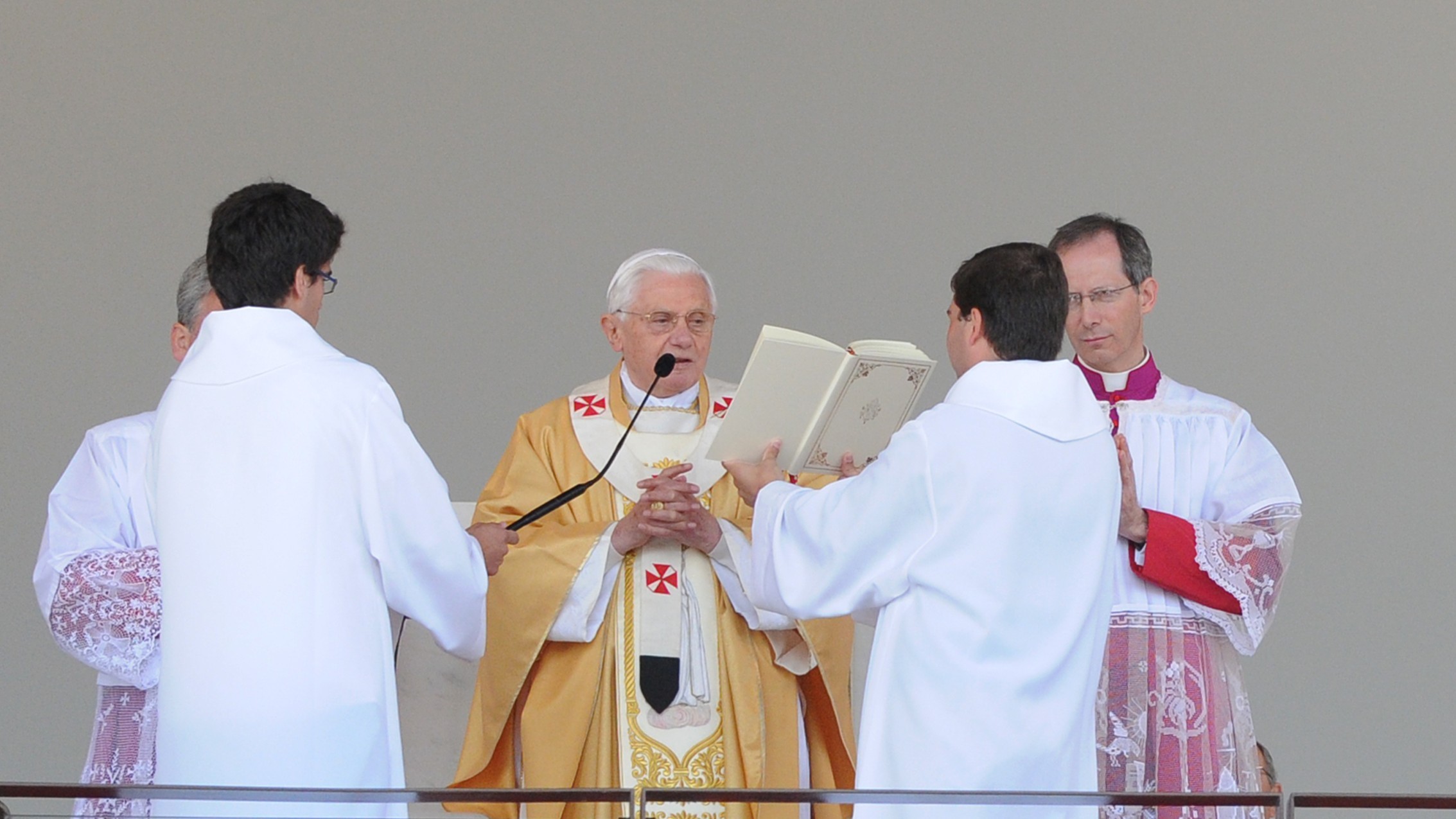
Sadly, the issue is not limited to Chile. Back in July 2025, the Argentine Supreme Court issued a similar ruling related to former Catholic priest Justo José Ilarraz. As it happened in Chile, a majority of three Argentine justices decided Ilarraz’s abuses have prescribed and, as such they rejected the very notion of finding a solution to offer some measure of justice to his victims. A previous installment of this series, linked after this paragraph, went over the Ilarraz case in more detail.
English Edition
Benedict XVI and sexual abuse: real zero-tolerance?
What was at stake in that case is the same principle as in the Cox Huneeus’s one: whether or not there is a standard of prescription for grave violations of Human Rights. So far, the Chilean and Argentine authorities seem to imply that yes, there is a standard of prescription and that, despite the examples of other countries finding creative ways to address the issue, there is no reason for the courts in both countries to change their set doctrine.
Main problem is that both the Inter-American Court (IACHR) and the Inter-American Commission of Human Rights has been developing over several years now a doctrine centered around the notion that national statutes of limitations (prescription) are legally “incompatible” with the American Convention on Human Rights when they are used to shield institutional crimes.
Human Rights doctrine
Going over the different cases considered by the IACHR it is possible to see four elements of a doctrine:
1. The inadmissibility of procedural obstacles
The Court has established that no domestic or national law—including statutes of limitations, amnesty laws, or the principle of *non bis in idem* (similar to double jeopardy)—can be used to block the investigation and punishment of grave violations of human rights.
2. The illusory remedy standard
Under Article 25 of the Inter American Convention on Human Rights, the State must provide an effective remedy. The IACHR argues that a judicial system that acknowledges a crime but refuses to litigate it due to the passage of time, as in the Cox Huneeus and Ilarraz cases in Chile and Argentina, respectively, is offering an illusory remedy.
The Court has explicitly stated that national statutes of limitations must be interpreted in a way that does not result in “de facto impunity.” If the State’s own negligence or institutional cover-up caused the delay, the State cannot later invoke prescription to benefit from its own failure to provide a prompt investigation.
3. The continuous violation
The Court maintains that as long as the State refuses to provide a comprehensive solution (reparations and truth), the violation of the right to judicial protection is continuous and permanent.
In this regard, the Court has already ruled that the “duty to investigate is an obligation of means and not of results,” but it becomes a violation when the State uses its domestic legal architecture to create a “legal vacuum” where crimes are acknowledged but not addressed. For cases of institutional abuse, the clock on prescription is effectively suspended as long as the institutional “protection” (the cover-up) remains in effect.
4. The right to truth as an independent obligation
Even if a domestic court insists that criminal liability is extinguished (the “guilt without consequences” scenario), the IACHR insists the State has an autonomous obligation to establish the truth and provide reparations.
The Court established that there is a “right to the truth” that is essential for the victims and for society. Therefore, rulings such as those dealing with Ilarraz in Argentina or Cox Huneeus in Chile that say “it happened, but it is too late for justice” violate the Human Rights Convention. The Court acknowledges a right to “comprehensive reparation” (restitutio in integrum), which includes measures of satisfaction and institutional reforms that rulings based on prescription or the statute of limitations fail to provide.
The Inter-American Court’s position is that prescription is not a mechanical clock, but a judicial duty. If a State (like Chile or Argentina) admits that an institutional protection (cover-up) existed, it has admitted to obstructing justice.
An appeal to San José
Fortunately, the Argentine Networks of Survivors had already appealed the Ilarraz’s case ruling. Sadly, the wheels of justice in Latin America are slow, and even slower at both the Commission and the Court, which also face constant attacks and threats from the countries that, at least in theory acknowledge their authority.
It is unclear what would be a IACHR ruling regarding the Ilarraz case, but if their precedents stand, cases such as the judiciary decisions taken by both Argentina (2025) and Chile (2026) regarding Ilarraz and Cox Huneeus could be overturned as, to put it simply, the authorities cannot claim the “clock ran out” when the authorities themselves have played a role in controlling when, where and if the clock runs.
Next week, Los Ángeles Press will offer a more detailed account of what the survivors there are trying to achieve through the Inter-American system of Human Rights by challenging, with the help of Constitutional lawyer Andrés Gil Domínguez the Illarraz case.
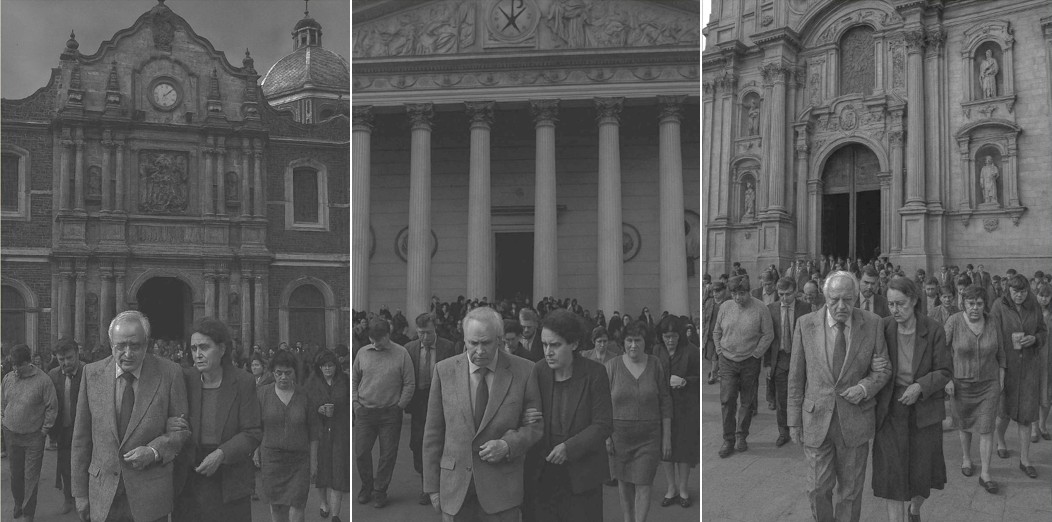
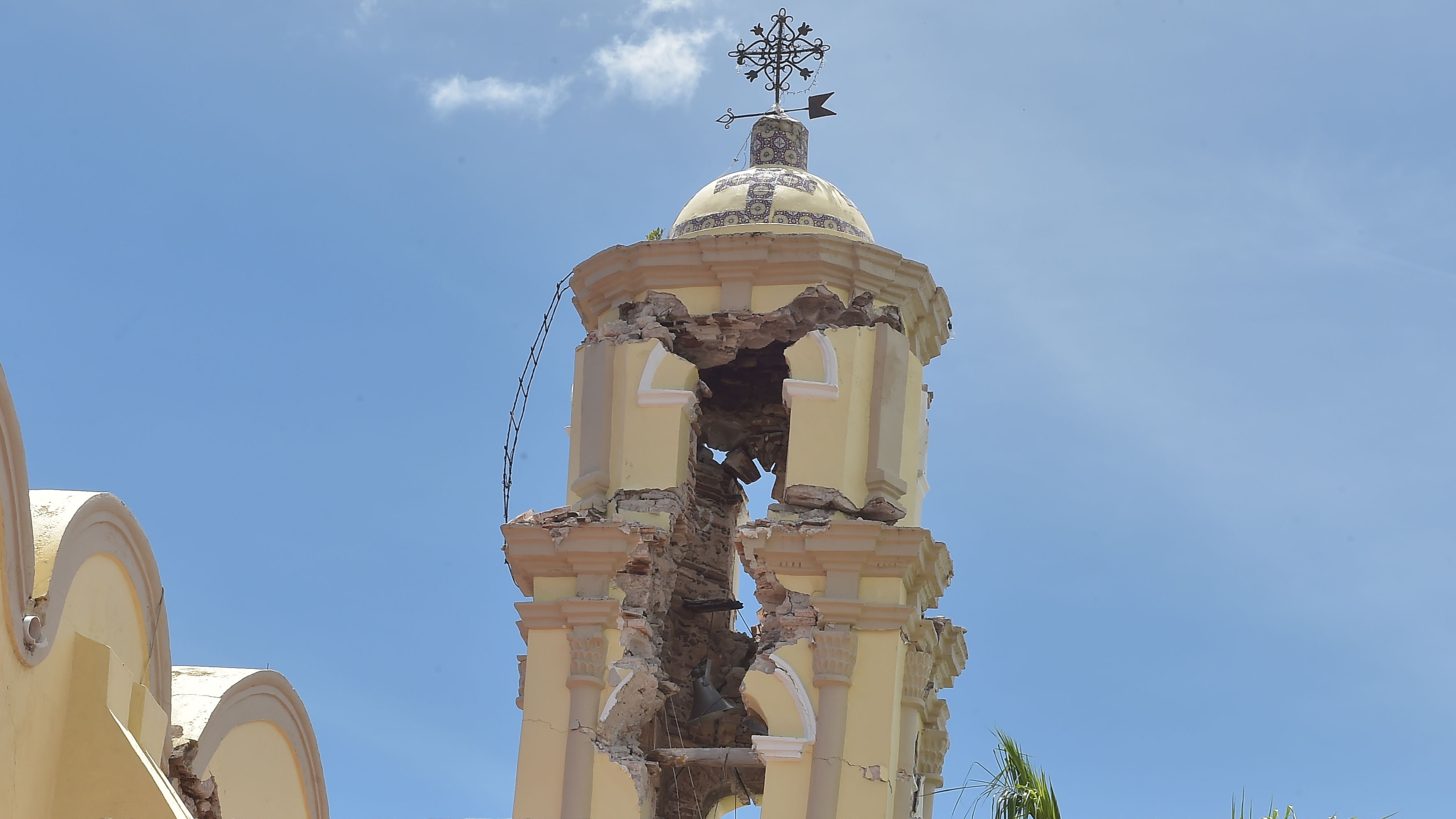
Even if the Catholic Church has been hardly spared from the consequences those have been for the most part the loss of trust. Over several installments of this series the available evidence from the Latinobarómetro (see above) and the Pew Research Center series (see below) have been presented here in detail. But beyond the decimation of its own flock there is little or no record of measures to repair the damage done to the many victims of this scourge.
English Edition
Latin American Catholicism, decades of loss
That stands in clear contrast with what has happened so far in the states of New York and California in the United States, where the authorities acknowledged the need to overcome the limitations of a model accepting something awful happened but unwilling to actually address such atrocity.
Moreover, it also stands in clear contrast with the news coming from France, Germany and more recently from Spain about the need to address such contradictions. In France and Germany, it has been the bishops, whether through the national conference (France) or through the individual dioceses or the orders, that have accepted the need to offer some actual reparation to the victims. In Spain, it has been up to the national ombudsman to build an ad hoc solution to the issue.
* * *
A summary of this piece is available as audio after this paragraph.
Note on production: The text of this summary was written and edited solely by the author. The delivery of the audio summary was achieved using a high-quality, text-to-speech engine Microsoft Word for Web. The AI was used for voice generation only, not content creation.