Rodolfo Soriano-Núñez Lunes, 16 de Noviembre del 2026, 00:00
Leo XIV and the Catholic Church try to recruit young people to enter religious life, while dismissing the scale of the clergy sexual abuse crisis.
To no one’s surprise, survivors from all over Latin America decry Leo XIV’s and the Catholic Church’s response to the crisis.
By Rodolfo Soriano-Núñez
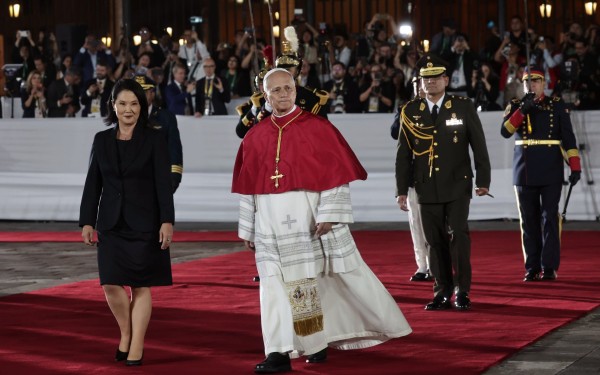
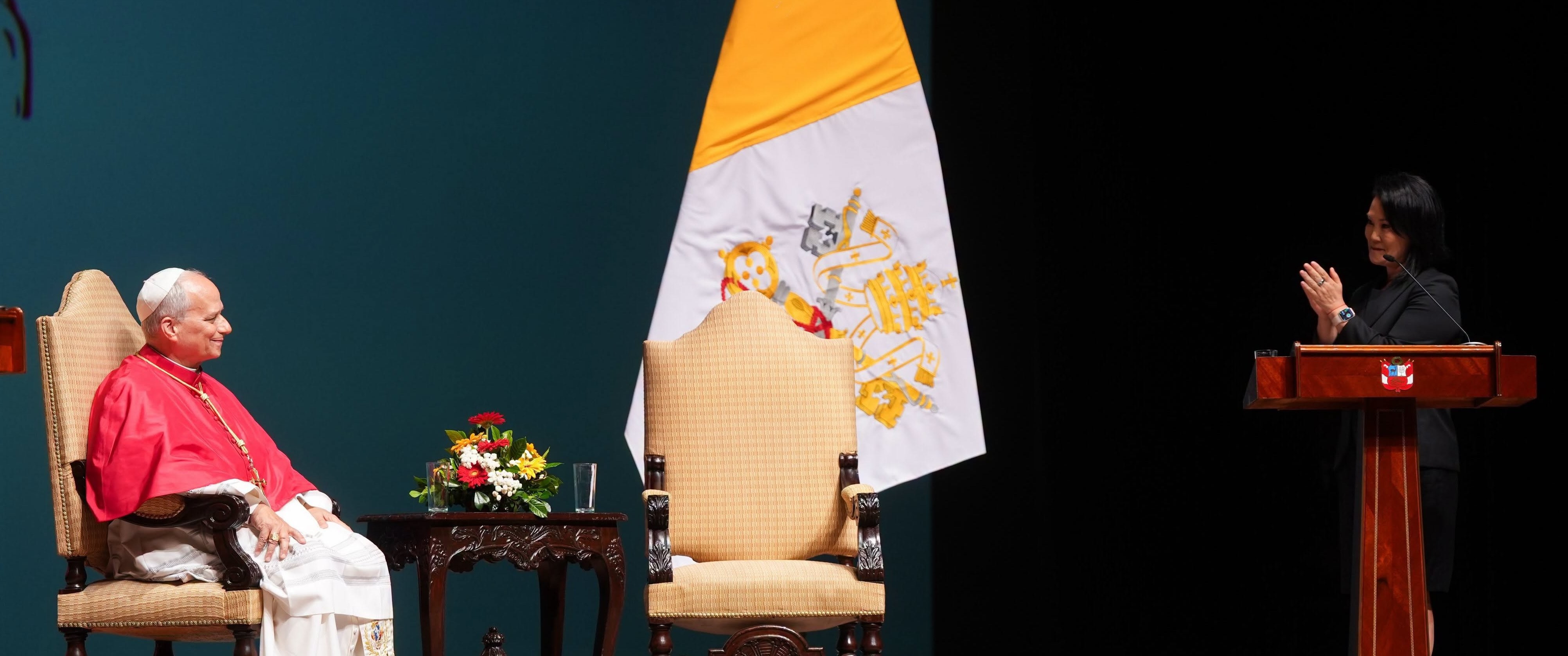
Early on Thursday, November 12, the streets of downtown Lima were abuzz. For blocks and blocks, a double human wall of the Peruvian security forces marked the route Pope Leo XIV would follow to reach the Chapel of the Episcopal Palace of the oldest capital of South America.
Robert Prevost Martínez, as Pope Leo XIV is identified in his Peruvian documents, went there to meet an undisclosed portion of the 96 living Peruvian Catholic bishops (excluding Pope Leo himself) from the 46 dioceses shaping the national conference in the Pontiff’s adoptive country.
As part of a brief message to the conference he was a member of less than five years ago, Padre Roberto, as he was known in Peru when he was a missionary, the Pontiff delivered one half of a paragraph where 67 out of 1,822 total words in Spanish addressed the clergy sexual abuse crisis in Peru.
The Vatican-aligned media and influencers, as much as the die-hard Catholics active in social media, tried to render the message, a total of 65 out of 1,923 total words in the official Vatican translation to English as some kind of major breakthrough.
Survivors all over Latin America were far less impressed. As José Enrique Escardó Steck, chair of the Peruvian survivors’ network puts it: “hearing is not enough,” more so when the only real, quantifiable action taken by the Vatican in both Argentina and Peru as far as clergy sexual abuse is concerned was holding two private meetings, spanning little more than hour each.
Granted, Leo XIV broke the silence, he actually spoke over little more than half a minute about abuse, as the video after this paragraph proves. As relevant as his acknowledgement that abuse is an issue, it is unclear what would be the consequences of such gesture from pontiff.
One issue is that the very brevity of such message, with little or no set up or follow up, leaves so many things to the imagination that is really hard to gauge how relevant clergy sexual abuse for the Pope himself.
It is clear that he is doing his best to dig deep in the history of Peruvian Catholicism, invoking the figure and attributes of one of the early Catholic saints in what used to be the Spanish Empire, Turibius of Mogrovejo, but the second half of the paragraph devoted to the issue in the message, available in full here, reads as something closer to a non sequitur, than as a road map to address what stands as the source of distrust in the ability of the Catholic Church to walk the walk.
In that regard, as good as breaking the silence was, the issue remains. Putting aside the secretive meetings in the nunciatures in Lima and Buenos Aires and the 35-second snippet, putting aside Leo XIV’s appointment of Thibault Verny, a French archbishop, as head of Tutela Minorum, the very narrative of the Vatican, seems to be still trapped around prevention which, it is indeed a relevant aspect of the crisis, but with little or no expectation of progress on reparations, and setting up real measures able to actuality prevent abuse from ever happening again.

English Edition
Leo XIV appoints Verny at Tutela, new wine in old wineskins?
Padre Roberto’s private meetings with six unidentified victims of clergy sexual abuse in Lima and five in Buenos Aires followed the “new normal” to address these meetings. Unlike what Pope Francis did in Philadelphia in 2015 (see the story below), where the meeting was private, but officially acknowledged in the schedule of the Pope’s trip, in Spain, France, Argentina and Peru, the meetings were private and expunged from the official schedules, itineraries and records of the Pope’s pastoral trips, as it also has happened with meetings in Rome with Belgium survivors, and in 2025 with the leaders of Ending Clergy Abuse (ECA), an international NGO advocating on the subject.
English Edition
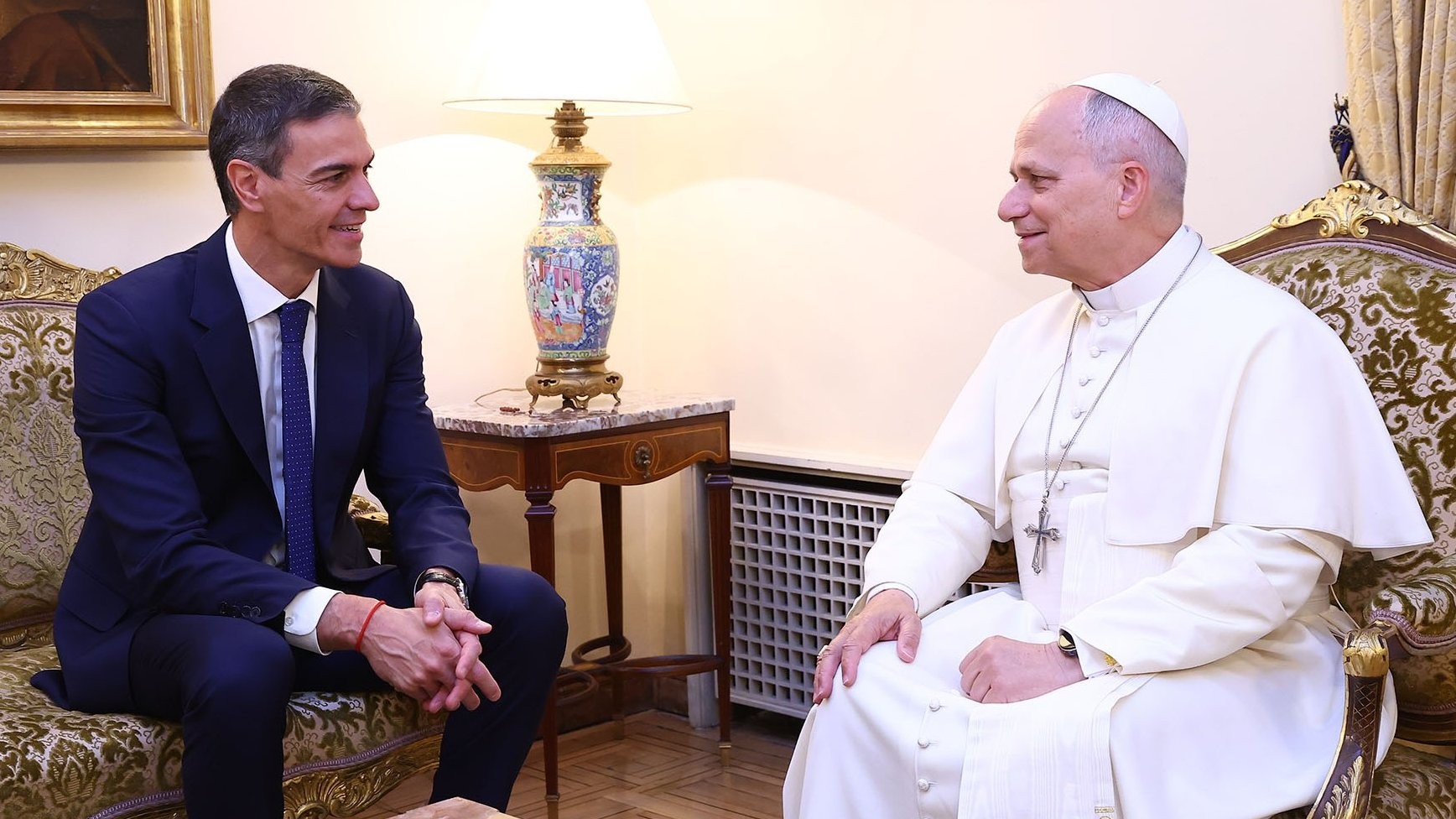
Leo XIV in Spain: The Catholic Church’s many paradoxes
We know some aspects of what was said at the nunciature in the Peruvian capital, because one of the survivors who was invited to attend, Camila Bustamante Soto, a Chilean national who was a member of one of the feminine branches of the canonically suppressed Sodalitium of Christian Life, was willing to tell her side of the story to a handful of Latin American media who were there as the Facebook video after this paragraph shows (audio available only in Spanish).
In the video available after this paragraph, a few days before Padre Roberto’s arrival to Lima, she is with Matthias Katsch, a German survivor and leader at ECA, and Sergio Salinas Giordano, an Argentine solicitor and director of ECA in Latin America, where she briefly summarizes her experience as a survivor. The video is subtitled in English.
Unlike the meeting in Peru, which was handled by the national conference of bishops, in Argentina, it was up to Michael Wallace Banach, the current nuncio to select the five survivors, although there was some input from the “local Church” as stated by the official communiqué, available here at Vatican News. The meeting happened at the nunciature in Buenos Aires, a French-inspired beautiful building at Avenida Alvear 1637, in Recoleta, one of the most exclusive neighborhoods of the Argentine capital.
Under lock and key
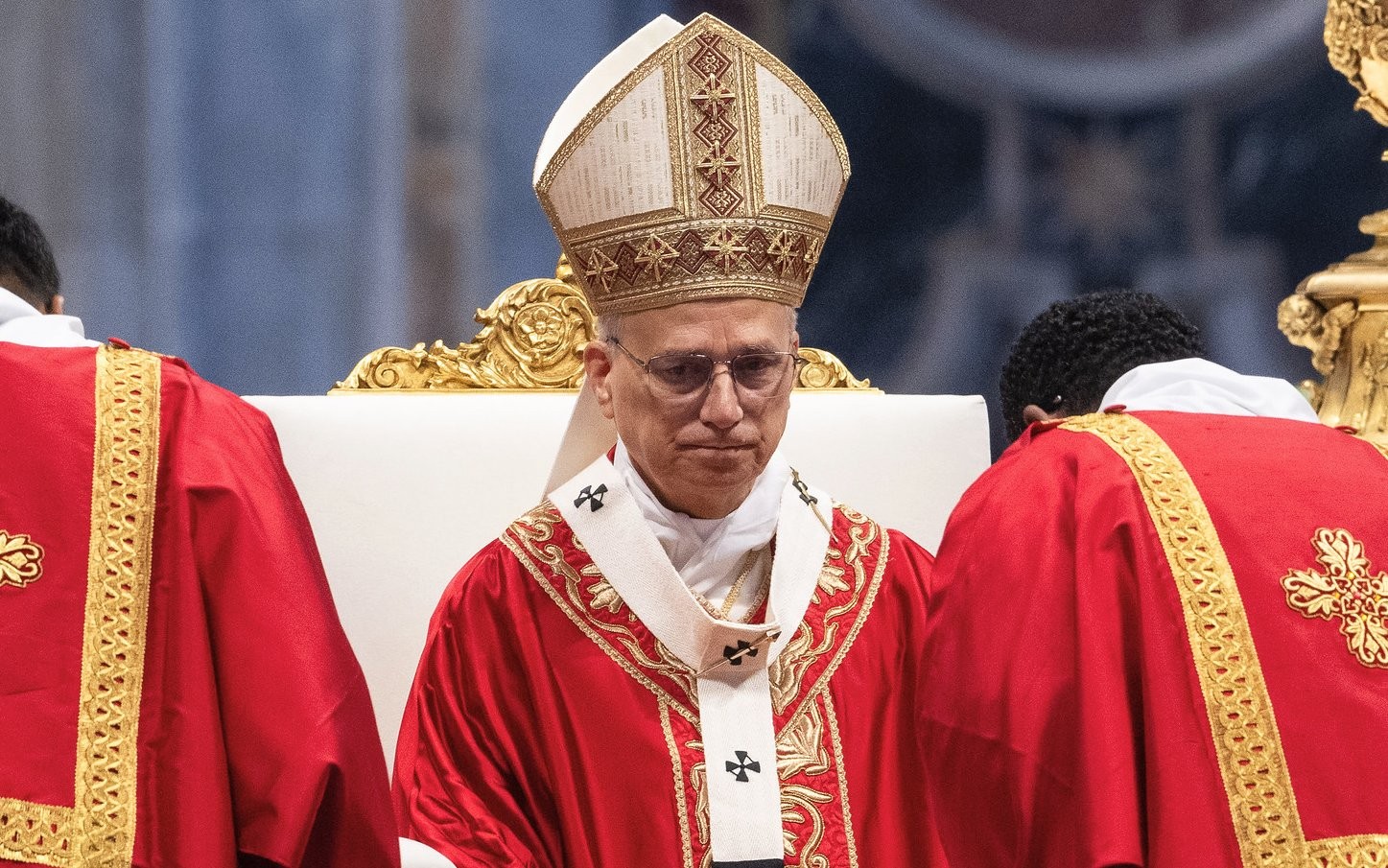
So far, the identities of the survivors remain under lock and key, and there was no post-meeting press access, forcing unavoidable questions as to whether some condition was set on the survivors to remain anonymous and to avoid disclosing their identities, a far cry from how French bishops handled Leo XIV’s meeting in Lourdes, where one of the most “rebellious” survivors of the large-scale abuse at the Catholic school of Bétharram, Jean-Marie Delbos, was invited at the last minute, and he has been more than willing to offer details about his experience.
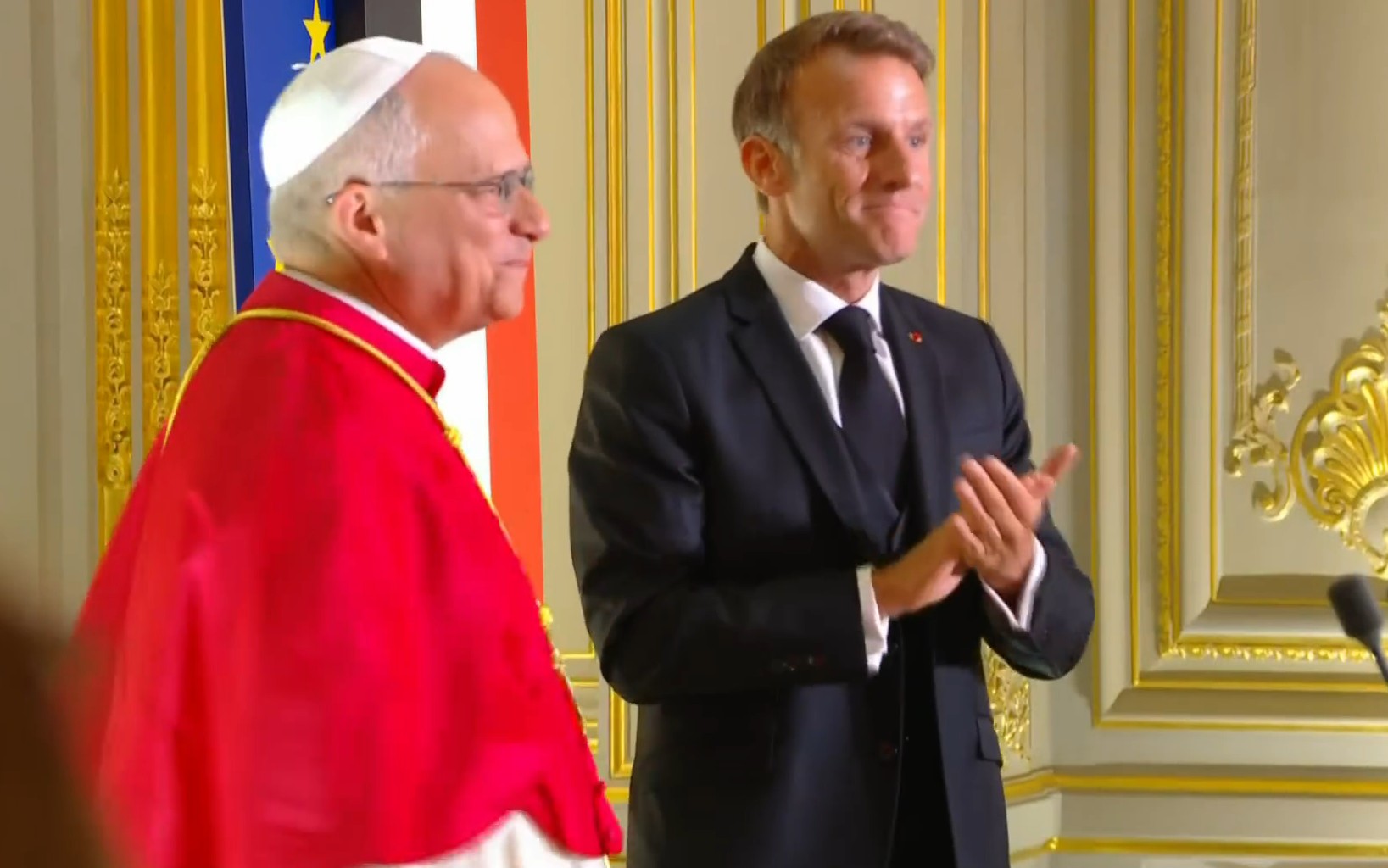
In Lima, the Vatican was willing to leak a few details about what had happened. In Buenos Aires, for reasons that only the new management at the Dicastery for Communication could explain, the official Vatican communiqué released by the Sala Stampa and published by Vatican News omitted the physical venue entirely, stating only that the private encounter with “five survivors” took place “in Buenos Aires” on Monday, November 9, 2026.
It was up to the Argentine media to provide some details of where the meeting happened and how it was held behind closed doors prior to Leo XIV’s public engagements later in the day in the city, notably the encounter with the “world of work” (unions and professional and trade associations) at the Pontifical Catholic University of Argentina—UCA, after its Spanish-language acronym and the Mass at the so-called Monumento de los Españoles, a landmark in the Argentine capital donated by the citizens of Spain living in Argentina back in 1910.
To no one’s surprise, independent survivor networks and legal representatives stated publicly that they had no knowledge of who the five individuals were or how they were vetted and far from acknowledging any change in the Vatican’s attitude regarding clergy sexual abuse, they elevated the tone of their criticism to the Catholic hierarchy as they had been doing right after Pope Leo’s Latin American tour was officially announced.
As the story linked after this paragraph, already then, the Argentine Network of Survivors of Clergy Sexual Abuse released a statement excluding themselves from any potential meeting with the Pontiff.
Before and after the private meeting at the nunciature in Buenos Aires, survivors who were not included in the “input” by the local Church, criticized the opacity of the overall process and the official communiqué. Sergio Salinas Giordano noted how a formal audience request filed on September 15, 2026, on behalf of survivors of abuse in Opus Dei houses went unanswered.
Notably, victims of the ongoing case at the Antonio Próvolo Institute in Mendoza, a Catholic school for mute and/or deaf children, those of Alejandro Nicola, a recently denounced priest from the archdiocese of Córdoba who is currently under a partial restriction to preside over rituals, and those of now emeritus bishop of Orán, Gustavo Óscar Zanchetta, among many others were, as far as it is possible to know, also excluded.

English Edition
Matías, Argentine survivor key to jail a bishop and a priest
The fact that Zanchetta was one of Pope Francis’s early promotions in Argentina, months after his own election as Pontiff in 2013, and the fact he appointed Zanchetta to an obscure office in Rome when the scandal broke, further complicate any analysis or assessment of the decision to meet with five anonymous survivors, and also of the visit to Pope Francis’s home country.
It should not surprise that both U.S.-based Survivors Network of those Abused by Priests and the aforementioned Argentine network decried the Church’s response to the clergy sexual abuse crisis at large and the rather anemic improvement perceived on that issue during the Argentine leg of Pope Prevost’s tour.
Perhaps that is why, on Thursday, when the Vatican issued the communiqué about the meeting at the nunciature in Lima, there was a bit more information although, once again, the meeting as such remains private, off the official schedule, and clouded by secrecy.
Peruvian stories
What is worse, if one goes back into the message at the Palace of the Archbishop in Lima, although Padre Roberto displays an extensive, highly stylized rhetorical command of Peruvian history, with references to the Inca Trail, the chasquis, the Yachay wasi, and a lengthy roll call of Peruvian saints (Turibius of Mogrovejo, Rose of Lima, Francis Solano, Martin de Porres and Juan Macías), he buries the lede.
The sole, brief, abuse reference is tucked near the bottom of a massive paragraph cataloging those saints, introduced almost as an afterthought (“In this regard...”), that is rather hard to understand as the logical consequence of the intensive course in Peruvian Catholic history.
Not that abuse was unknown in the days of the Spanish Empire, as the story about what the Spanish Inquisition knew about clergy sexual abuse in what is now Mexico and Peru told early this year.
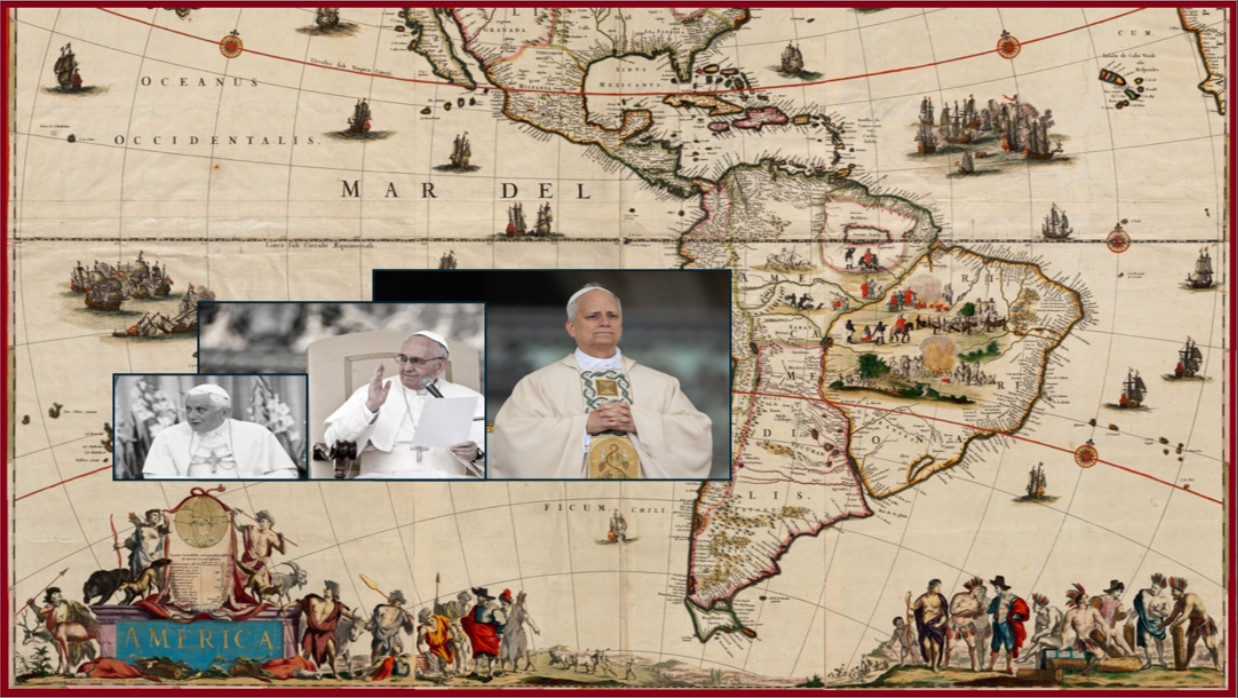
English Edition
The Inquisition’s long memory and sexual abuse
The issue is that there is no actual explanation of why he inserts the reference there, why it was necessary to break the conspiracy of silence regarding abuse, and much less any actual agenda of what should be the priorities of the Peruvian Conference of Bishops on this issue.
He pivots away to quote Pope Francis's 2018 admonition against clerical “cliques” and divisions, effectively swallowing the abuse crisis back into internal governance and episcopal unity.
It is impossible not to wonder why if Padre Roberto was a key figure in the canonical suppression of the Sodalitium why only dedicates a 35-second verbal snippet and 67 words to the crisis. Far from being perceived as an acknowledgment of central priority of the Catholic Church it becomes some kind of “mandatory” compliance check.
And even if both as head of the diocese of Chiclayo and as prefect for the Dicastery of Bishops Robert Prevost Martínez played a huge role in the suppression of the Sodalitium, abuse in Peru and elsewhere in Latin America and the world is far more complex than what happened in the Sodalitium.
Back in 2023, this series used the algorithm developed by the Sauvé Report, the most complete tool to understand the true scale of sexual abuse, in religious settings or elsewhere in France, to develop a series of global estimates by region. The piece with the information is linked above.
Below, it is possible to read the data for Latin America. As it was explained back in 2023, the Sauvé Report is limited, because its data is heavily concentrated in France. Despite that limitation, perhaps because of the many order-like organizations born in France but with extensive missionary work abroad, its authors saw fit to develop an estimation for international comparison.
As such, its model is static in the sense that it does not allow one to look back and calculate the number of victims from other eras. One must limit the estimation to the current number. The other limitation is that the independent variable of its algorithm is the total number of clergymen from which it assumes, based in the observations made by the team behind the report that a minimum of three percent of the clergymen, ordained or not, are predators.
That number could be too much for certain dioceses and perhaps too small for others. Over the years, I have witnessed heated exchanges in social media, in English, Spanish and French, where the Sauvé Report algorithm is either accepted as valid or validated as a fabrication.
Given the absence of any similar estimate in the two decades older, John Jay College study or the much more disperse and heterogenous reports published by German dioceses, the algorithm developed by the Sauvé Report is the best chance available to have some ball-park estimate of the scale of the crisis at a global scale.
In the table, Peru would have a minimum of little over four thousand victims and a maximum of over ten thousand of them.
Even if one went with the Sauvé Report’s bare minimum, is it possible for the Vatican to justify that an issue affecting at least four thousand Peruvian victims merits less than a minute of a papal address to the country’s conference of bishops?
And at least in Peru the reference was there. For the almost 17 thousand Argentine victims in the upper limit the estimation developed after the Sauvé report’s algorithm there was no public acknowledgment, as there has not been for the bare minimum of 79 thousand and a potential maximum of 200 thousand all over Latin America.
This is more relevant as a key element of the visits to the three Latin American countries was a renewed call for young people to discover their faith and commit themselves to religious life.
In Uruguay, Argentina and Peru, there were moments during the visit when priests, nuns, seminarians and novices, among other actors of the religious field in each country, offered their testimonies of why they have committed to that kind of life and how such commitment has changed their lives.
Sadly, in Argentina, despite the restrictions set on the Institute of the Incarnate Word to admit new members in their houses, Carlos Miguel Buela’s disciples, much like him, dismissed with the help of their friends in Catholic media the restrictions, and used the Pope’s visit to invite young people to join their organization, as the social media post available after this paragraph proves.
It is really hard to imagine an institution trying to reconcile the large number of victims of abuse, sexual, labor and otherwise, while at the same time trying to successfully recruit young people attracted by the social justice message that Leo XIV, following the steps of his eponymous predecessor in the 19th century, Leo XIII, and Pope Francis pursued in Argentina.
The issue of how abuse hurts the recruiting efforts of the Catholic Church in Latin America and elsewhere was the subject of the installment of this series linked after this paragraph.

More recently, this series looked at the experience of the Heralds of the Gospel, a predatory order-like organization born in Brazil (see below), but with an active recruitment system in the global North, that imitates and radicalizes the models originally developed by the Mexican Legion of Christ and Opus Dei, among other similar organizations with a known record of predatory recruitment practices.
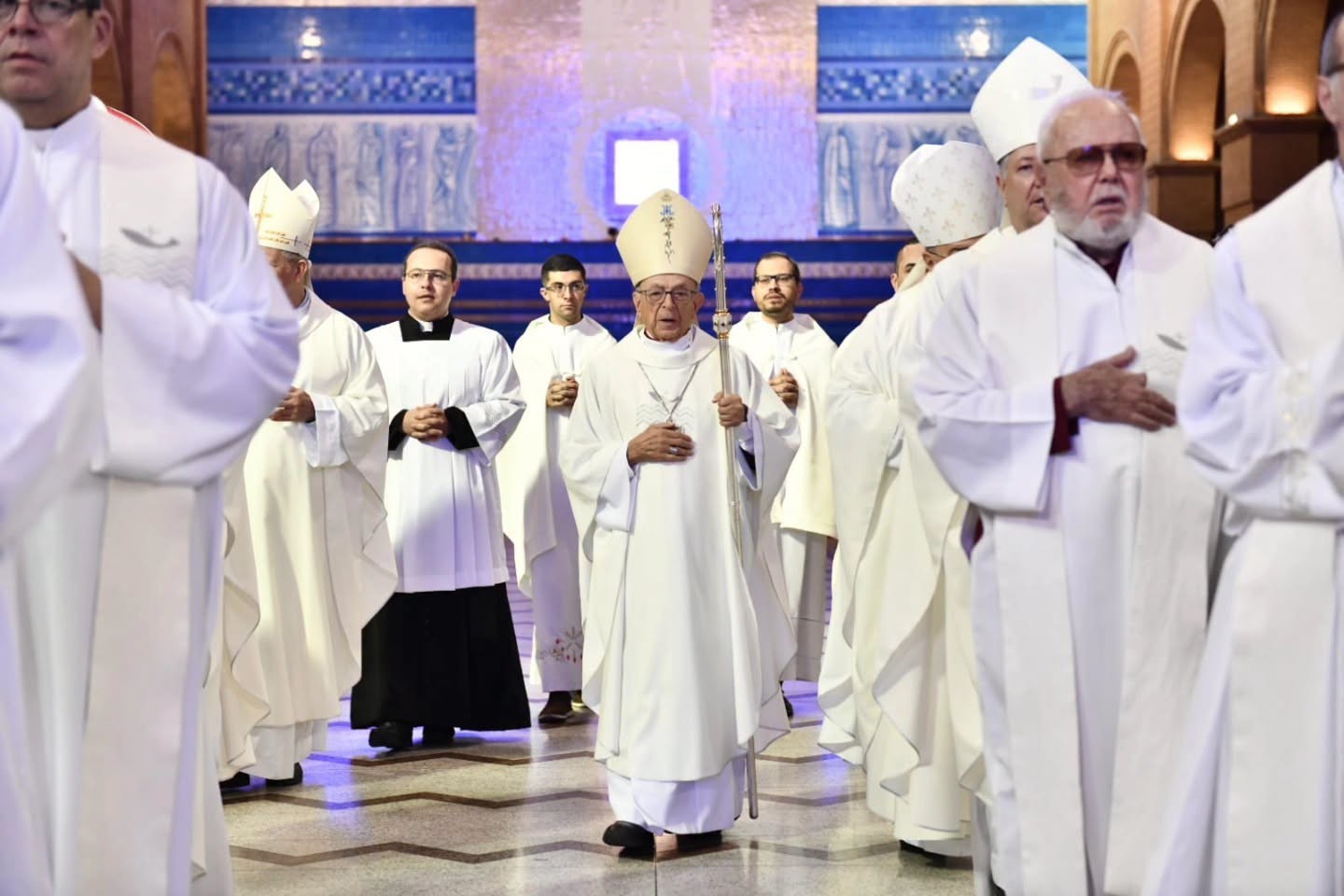
To be fair, if one follows the account of Padre Roberto’s visit to Argentina in the Perfil newspaper and its TV news channel, it is possible to assume that he was successful in bringing to Argentina a counternarrative to Javier Milei’s impulsive style of politics, unable to at least beat the monster of inflation he promised to kill three years ago. Perhaps that is why, despite the evidence of a secularized public life in Argentina, there were large crowds in Luján and elsewhere in Pope Francis’s homeland.
But also, to be fair, it is impossible to give a pass to the rather dismissive style of many Argentine bishops when dealing with the consequences of clergy sexual abuse in their dioceses. Suffice to remind Hernán René Rausch’s case, featured in the story linked below, who has been fighting for justice for several decades in Argentina.
Post Data
Although in Peru the canonical suppression of the Sodalitium seems to stand, it is impossible not to wonder why it took so much for the Vatican to pursue a measure that would have been effective back in the first decade of this century, when the Sodalitium had already launched a campaign for Germán Doig’s canonization.
It was only because of Escardó Steck’s brave stubbornness that the Sodalitium dropped the campaign, but more than 20 years after his original testimony about the scale of abuse at the Sodalitium, the Vatican seems unwilling to adopt similar measures with the Argentine Institute of the Incarnate Word, the Mexican Legion of Christ or Opus Dei, the organization born in Spain a century ago.
Regarding the Argentine Institute, the five different apostolic visitations have confirmed, one after the other, the fact that Buela was a predator, and that large-scale abuse was happening in their houses.
Similar evidence exists about the Mexican Legion. At least two of their members have been recently accused of clergy sexual abuse, one in Spain and one in Mexico, and yet, Leo XIV was more than willing to validate the outcomes of their most recent meeting of their leaders and they continue operating colleges, parishes and schools in Mexico, Colombia, Spain, and a Venezuelan bishop recently entrusted a parish to Marcial Maciel’s heirs.
Something similar could be said about Opus Dei. While Leo XIV strolled the streets of Lima, Chiclayo and other Peruvian cities, Gareth Gore, a British author who recently published an exposé of the order-like organization founded by Josemaría Escrivá de Balaguer, used his Substack series to share his disappointment with Padre Roberto’s response to his offer of information about the scale of abuse.
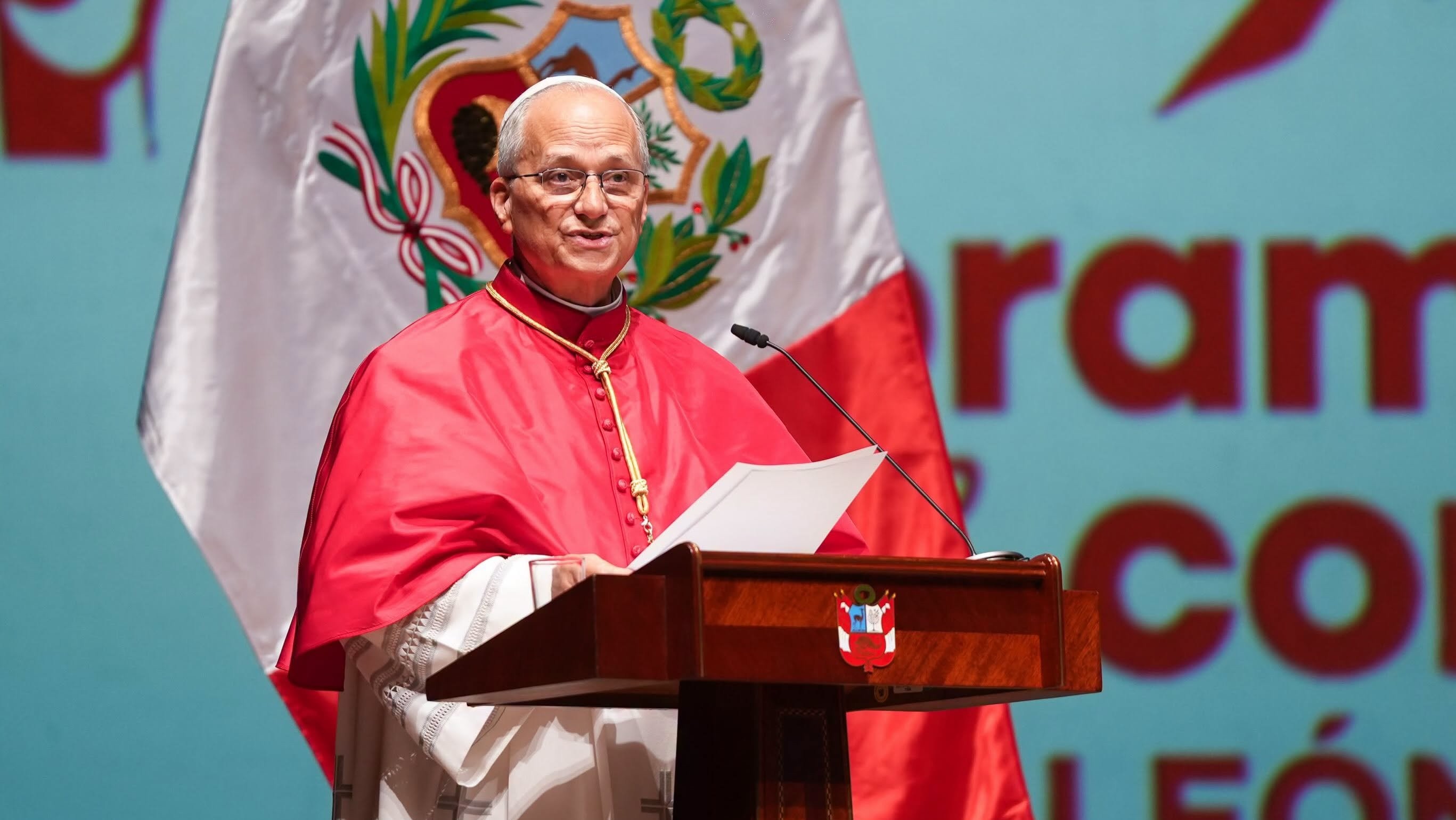
What Gore expresses there is the kind of sad realization that even if in their first contacts Popes seem to be willing to acknowledge how dangerous are these organizations, something prevents them from ever actually acting.
John Paul II built the myth of his own ignorance about the scale of Marcial Maciel’s abuses at the Legion of Christ. Benedict XVI used Fernando Karadima’s systematic attacks on young Chilean males to discredit LGTB people at large, avoiding any actual, legally binding acknowledgment of the consequences of abuse by Karadima and many other predators.
Even if Francis seemed to be more aware of the scale of the crisis and the potential risks for the Catholic Church, and called the first global summit on clergy sexual abuse in his church in February 2019, while setting up Tutela Minorum and finalizing the canonical suppression of the Peruvian Sodalitium, whoever tries to see him as the paradigm of thorough and consequential reforms to tackle the clergy sexual abuse crisis runs the risk of being reminded of his own awful record when protecting Argentine predators such as Gustavo Óscar Zanchetta, the now emeritus bishop of Orán, Argentina, or his ambivalent attitude towards Marko Rupnik.
Four decades after the first blow of the clergy sexual abuse crisis, Padre Roberto, the Peruvian born in Chicago, runs the risk early in his pontificate to fall in a trap rather similar to the ones that swallowed his predecessors.
English Edition
Berríos and Rupnik, the parallel lives of predator priests
Perhaps he and his teams at the Roman Curia should pay attention to the shocking numbers coming from the chart of Ipsos Global Trustworthiness Index 2026 after this paragraph, where the category described as “clergy and priests” is considered “trustworthy” by only 27 percent of the respondents.
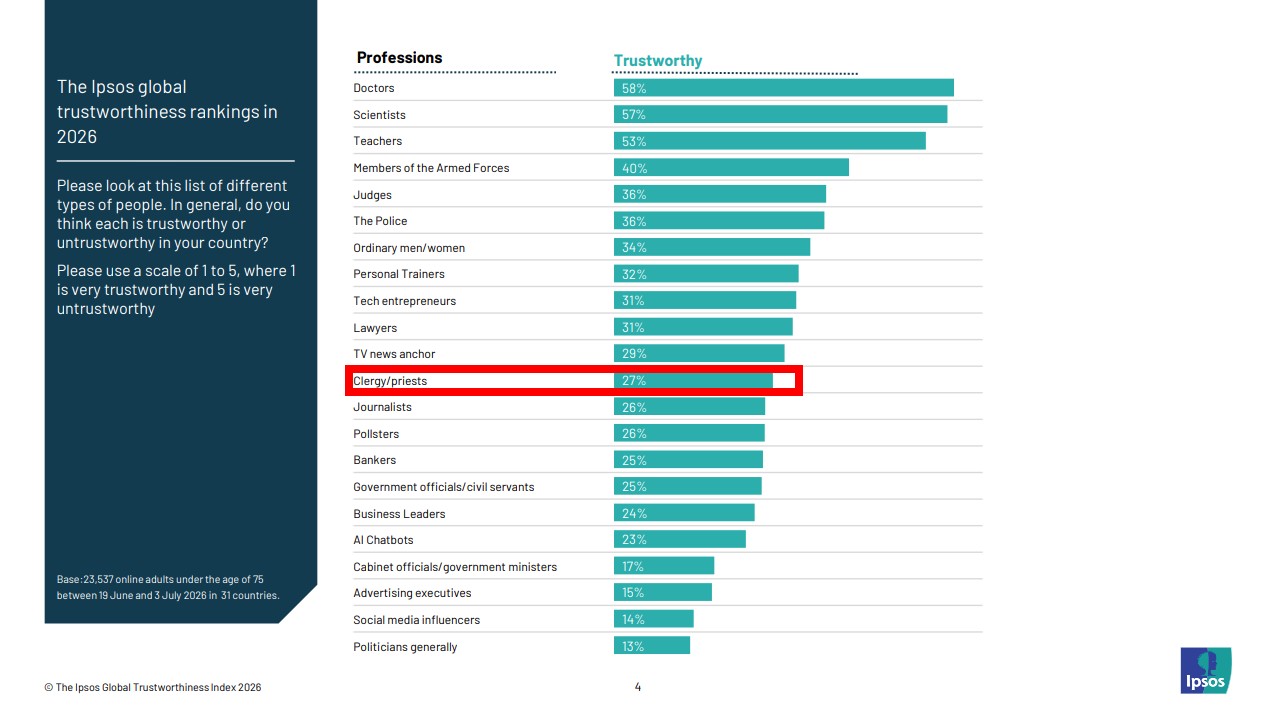
When that value is transferred to what Ipsos calls “net trust,” see below, the “clergy and priests” category stands at a -11 value in the corresponding chart. Granted, the Index is not built around Catholic priests only, but it is hard to imagine that a tool built with over 23 thousand online questionnaires with adults under 75, from 31 countries, and the pollster acknowledges some biases and limitations in the samples.
The full report is available as a PDF above this paragraph or it can be downloaded at IPSOS’ website here.
It should be noted also that, as it is usually the case in comparative polls, countries with Catholic majorities as most of Latin America still is, usually display lower levels of trust than countries with Protestant or Eastern religious traditions majorities, and that the data on trust as related to the “clergy/priest” category for the Latin American countries with Catholic majorities included by IPSOS are similar to the data reported by Latinobarómetro (see the story above) and the Pew Research Center (see below).
English Edition
Latin American Catholicism, decades of loss
The data tells a story that the Catholic Church should be more willing to pay attention to. If not out of respect for the victims of clergy sexual abuse, out of an instinct of survival and self-preservation.
When looking at Peru, only 36 percent of the respondents trust in priests and clergy, in Argentina it is higher, at 50 percent, but Brazil, Chile, Colombia and Mexico stand at 38, 54, 41 and 42 percent, respectively.
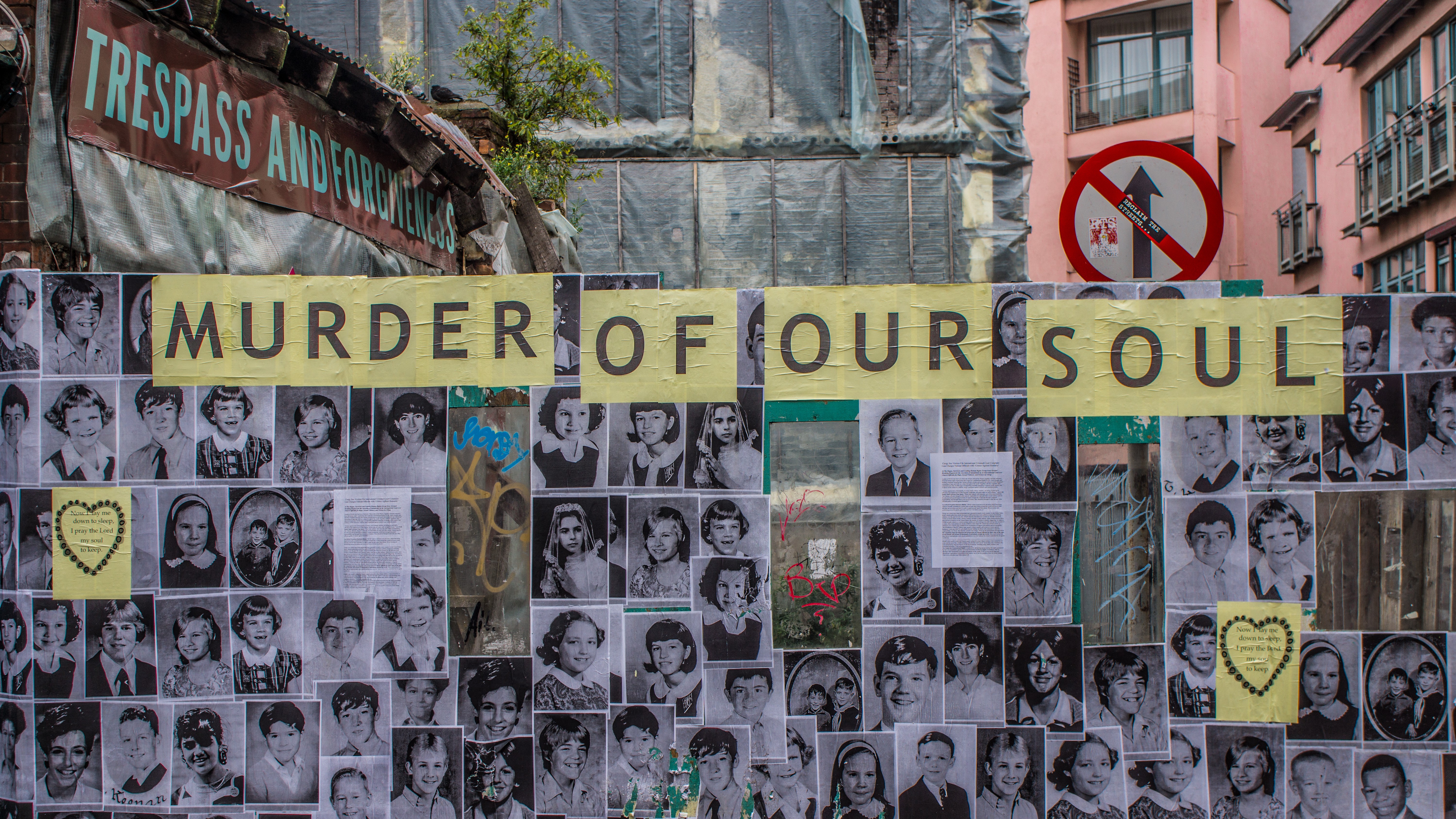
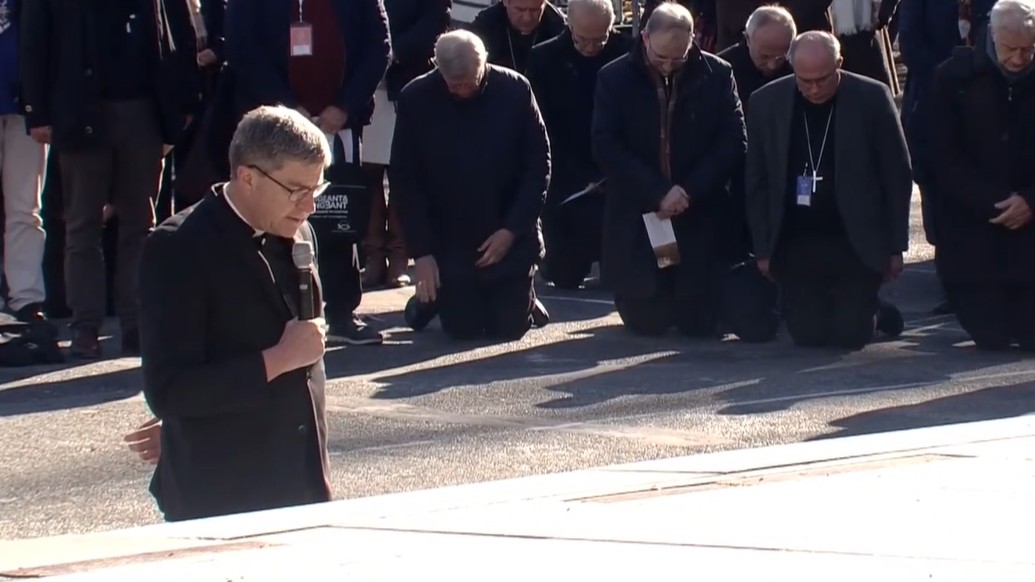
Finally, French media recently published stories about something unthinkable in Latin America. The recently rebuilt Cathedral of Notre Dame will host an exposition-tribute to the victims of what happened at the Catholic school of Our Lady of Bétharram (content in French) in southern France.
It is hard to imagine something similar happening in the hallways of the Basilicas of Our Lady of Guadalupe, Luján, Aparecida and Chapi. Not because there is an absence of pictures or narratives of similar tragedies in Mexico, Argentina, Brazil or Peru.
What seems to be behind the decision to open the shiny floors of Notre Dame in Paris to large pictures of what happened in Bétharram is a sharper realization, the same that has been driving the French Conference of Bishops, to commission the Sauvé Report to a team of independent and qualified social scientists and to repair the victims.
In Latin America, it seems as if the bishops are still betting on an easy solution, one centered around the deaths of the predators and/or the survivors or on collective amnesia striking Latin America, from Tijuana all the way down to Ushuaia.
* * *
A summary of this piece is available as audio after this paragraph.
Note on production: The text of this summary was written and edited solely by the author. The delivery of the audio summary was achieved using a high-quality, text-to-speech engine Microsoft Word for Web. The AI was used for voice generation only, not content creation.
English Edition
Bétharram, a mirror for all countries to look at