Rodolfo Soriano-Núñez Lunes, 23 de Marzo del 2026
It is easy to understand why Vatican News defangs its Spanish, Italian, and Portuguese editions from clear references to abuse; why would civil media do it?
While The Boston Globe, Correctiv and Mediapart, breakaway from the myth of clergy sexual abuse as pederasty; others, in the Spanish-speaking world, revel in it, while Portuguese and Italian media ignore it.
By Rodolfo Soriano-Núñez
The previous week will go in the books as one of the most intense to understand in the future the evolution of the clergy sexual abuse crisis. From the palaces in Rome to the grape fields in California, it was a week to talk about abuse and about how we are talking about abuse.
On Monday 16, Pope Leo XIV received British financial journalist Gareth Gore. He gained global recognition after he published a book and a series of articles and interviews about the Opus Dei. Unlike what has happened before, even with some survivors of this scourge, the Vatican was willing to provide some information about the meeting.
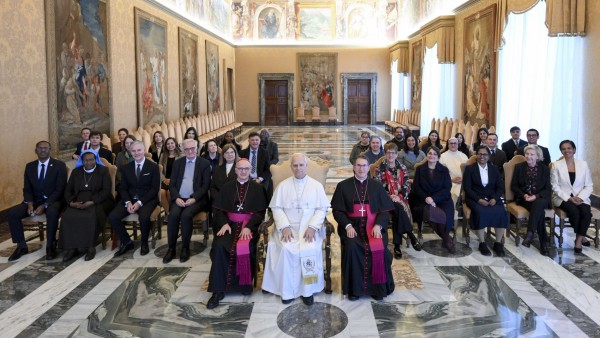
A few hours after, Leo XIV held a public audience with members of Tutela Minorum, the entity tasked with preventing clergy sexual abuse in the Catholic Church. What Pope Prevost said followed what is expected from him. Sadly, it was how the Vatican communications office handled the information what makes observers wonder if the Catholic Church has learnt something of the 40 something years of dealing with this issue.
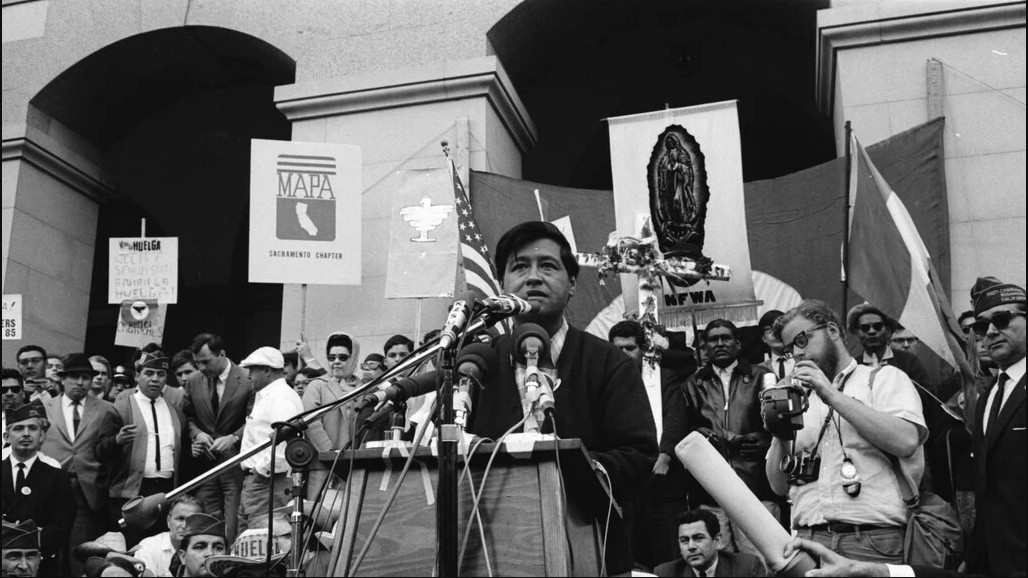
On Wednesday, the United States and Mexico were jolted when The New York Times published a story dealing with the many instances of sexual abuse perpetrated by César (Estrada) Chávez, the Mexican American human rights activist and union leader who was a key player in many social movements in the United States in the 1960s and 1970s.
The mind-blowing revelations of the scale of the abuse shattered Chávez’s until then revered memory. More so as he used both stylized designs of the eagle devouring a serpent in the Mexican flag frequently mashed up with traditional and avant-garde, for the 1960s aesthetics, renditions of the image of Our Lady of Guadalupe.
When Chávez and his movement did so, they were intent in jolting in both Mexico and the United States memories of the many times the religious icon has been used as the flag to mobilize Mexican communities all over the world.
In that regard, as it has happened with many Catholic priests, the use of Our Lady of Guadalupe became a trap. The very same icon used to rally support, solidarity, and mutual protection—a role cemented during the devastating Matlazáhuatl epidemic of 1737 and later during the Mexican Independence—turned out to be a shield for Chávez’s abuse of people working for the greater good of the Latino communities in the United States.
On Thursday, media in several countries, published accounts of what it has been known for several years now about the kind of practices Rome was willing to follow to minimize as much as possible the reporting, knowledge and discussion of instances of clergy sexual abuse. Sadly, there are huge differences in how the story was told across different languages in the world.
Even if The Boston Globe followed its own footsteps to go deeper into the root causes of the clergy sexual abuse crisis, in the Spanish-speaking world, the media behind the publication, sadly, were more than willing to support one aspect of the Vatican’s narrative on the crisis, as Spaniard newspaper El País framed the issue in the rather dated logic of pederasty.
In doing so, at least in the Spanish-speaking Catholic world, what remains if the very exclusion of the cases of clergy sexual abuse where the targets of abuse were adults at the time of the crime, as in the case of the many victims of Renato Poblete in Chile or Marko Rupnik in Europe, to name only two known super predators whose victims were adult females.
English Edition
Berríos and Rupnik, the parallel lives of predator priests
Today’s piece is about abuse as reality, a constant, and how institutions and the media use language used to describe it, and to position themselves before it. What changes across English, French, German, Spanish, Italian, and Portuguese is not the evidence, but how and if a religious or a media organization says something about the reality of abuse.
What emerges is not a fixed hierarchy. It is a picture of many possibilities to address a painful devastating reality. In Vatican News, it is a small group of monsignors who decide how and even if the story is published; in civil media, when the issue really matters, almost always there is a point at which someone, the owner or the general editor, has to make a call as to whether the story is published or if it dies.
Roman meetings
Pope Leo XIV’s meeting with Gareth Gore is particularly significant because his work focuses on the financial and internal power structures of Opus Dei. By acknowledging this meeting, the American Pope signals to the English-speaking world a willingness to engage with “the critics.”
It also signals the Spanish-speaking world, where Opus Dei base remains, that despite the many accusations launched against Gore by the movement’s leadership, Pope Prevost is not dismissing the many criticisms made by Gore in his books, articles, blog entries and social media.
Although there was no read-out of the specifics of the meeting and chances are the Pope already knew Gore’s work, the fact is that Rome wanted the world to know about the Pontiff’s meeting with Gore raises the stakes for the imminent reform of the religious organization originally founded by Josemaría Escrivá de Balaguer in the 1920s that, for the last 20 years or so, has been dodging with weak arguments the many accusations of abuse of its members.
Gore’s merit is that, having the access he had to the financial documents of Escrivá’s “order,” he was able to offer a complex account of how religious obedience en devotion becomes profitable within Opus Dei.
His work also offers a structural template to understand similar dynamics of religious surplus extraction in the Mexican Legion of Christ, the Argentine Institute of the Incarnate Word, and other order-like religious organizations that have long used vows and oaths to shield their balance sheets.
Robert Prevost has had a rocky relationship with Opus Dei. When Pope Francis appointed him as bishop of Chiclayo, Peru, Prevost took over an entity that had been under Opus Dei or Opus Dei-friendly bishops, as the story linked after this paragraph told in May 2025.

English Edition
Leo XIV and the risk of victims remaining pawns
On top of the troubles he faced when trying to change the clericalist approaches in Chiclayo, he was a first-row witness and potentially a party in Pope Francis’s bitter dispute with the former archbishop of Lima, the first Opus Dei cardinal, José Luis Cipriani Thorné.
When Francis was already sick, in January 2025, Cipriani challenged the Argentine Pontiff by going back to his former diocese, to attend public functions in clerical garment, despite the specific sanctions issued by Francis and originally accepted by Cipriani, when tempted by the chance to go back to Lima and play Master of the Universe, dismissed Francis’s original slap on the wrist.
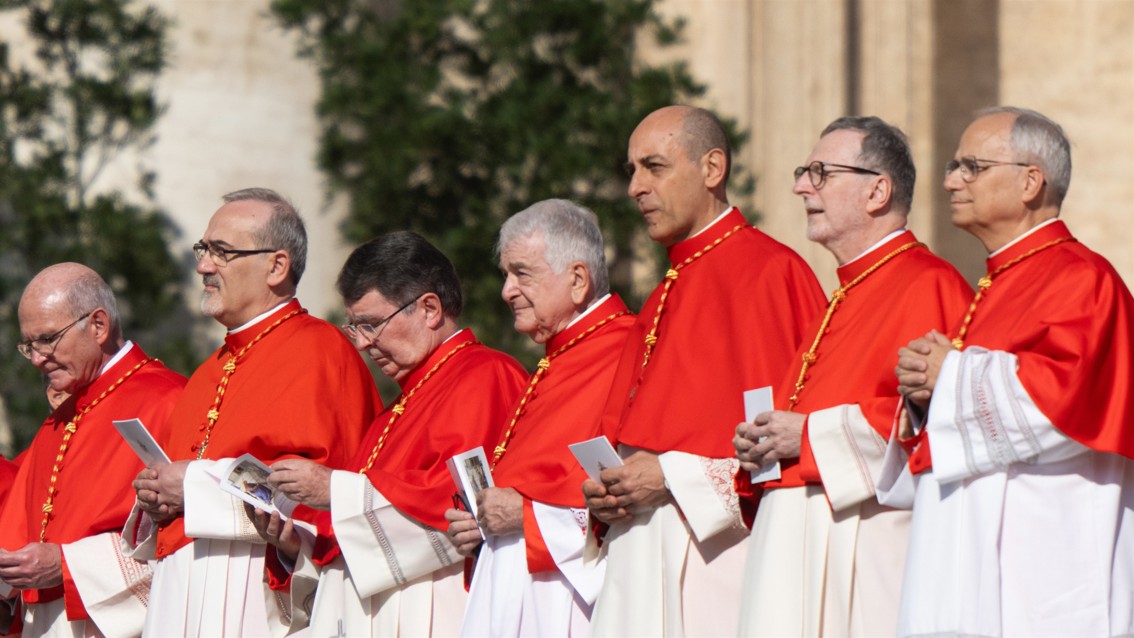
What is worse, when the Argentine Pontiff eventually died, Cipriani went to parade the streets of Rome and Saint Peter’s basilica, once again in clerical garments, despite Francis’s restrictions on Cipriani. The restrictions were the “old school” way to symbolically punish Cipriani’s sexual abuse of a minor while he was an Opus Dei priest in Peru in the 20th century.
However, in hindsight, they also become a cautionary tale for the current Pope who needs to figure out if he will insist on that “old school” approach that, for the most part achieves nothing.
Mockery of the victims
One can trace the effects of such restrictions on predatory clergy, from Marcial Maciel down to Cipriani, and see how, ultimately, they become a mockery of any meaningful penance and even worse when one moves from the realm of canon law to those of penal or civil law. More painfully, at least when one steps into the shoes of the survivors, on these issues the ultimate mockery is that against the victims.
In lieu of actual punishment, some monsignor in Rome used Spaniard newspaper El País, early in 2025, to “leak” the file with Cipriani’s case. Putting aside the shock value of it, amplified by La República in Lima own version of the El País’s piece little of value was achieved.
Yes, the plight of many Peruvian journalists who suffered Cipriani’s threats of endless, punitive litigation, weighing against them the very restrictive media legal framework in Peru was validated. That is relevant, because of the oversized influence of Opus Dei’s influence in the Peruvian judiciary, as pervasive as the one ProPublica has documented for the case of the Supreme Court of the United States.
According to different accounts, Cipriani served as the de facto mediator and moral validator for Alberto Fujimori and his approach on judiciary issues. This relationship allowed Opus Dei to place sympathizers in high-ranking positions in the Judiciary.
Following a template similar to what the Federalist Society does in the United States, the Opus Dei-run University of Piura became the primary training ground for a conservative legal elite that viewed the law as a tool for “moral order”—often prioritizing institutional protection over human rights, and extending that approach to protect individuals with accusations of major human rights violations.
In both countries, the strategy was the same: capture the gatekeeping mechanisms. In Peru, it was the Ministry of Justice and the Episcopal Palace in Lima; in the United States, it was the judicial nomination procedure and the “dark and soft money” far-right donors who bank-rolled the Supreme Court's ideological shift. In both cases, as it happened also in Nicaragua, fighting abortion was the ad-hoc excuse to grab the Catholic Church’s support.

English Edition
The Catholic Church in Nicaragua: a new twist in the plot
Shooting their own feet
Sadly, as seen later in the coverage of Vatican News, Pope Prevost’s “openness” to Gore and more so to the very issue of the pervasive effects of the clergy sexual abuse crisis is not being faithfully translated for the Latin America and Southern European Catholic flocks.
Even if Vatican News, the true media operation of the Holy See (L’Osservatore Romano is actually a Jesuit operation in Rome), was willing to provide coverage to Pope Leo’s meeting with Tutela Minorum, Vatican News seems to be trapped in the idea of providing a contradictory, segmented account of what the sitting pontiff does regarding the clergy sexual abuse crisis.
While the English-language story of the meeting with Tutela Minorum was as clear as possible when telling what happened, emphasizing the need for bishops to actually prevent abuse from happening, the Spanish-language story of the very same activity is a relic from an era where the Catholic Church was still unwilling to acknowledge the true reach and depth of the crisis.
Instead of emphasizing the Pope’s call to protect, the Spanish-language version went for a fluffed message asking the very same bishops to “hear” the victims (content in Spanish). The difference is not academic, more so as the authors of the pieces are different as the stories themselves.
While the English-language story is signed by Deborah Castellano Lubov, the Spanish-language piece is a translation of the Italian one (content in Italian), signed by Benedetta Capelli.
Noticeably, for whoever takes the time to figure out how Vatican News works, the French-language version (content in French) of the Pope’s meeting, closer to the English-language is signed by Alexandra Sirgant, and although different from the English piece, is closer to that than to the Italian and Spanish pieces.
The German-language piece, published by Anne Preckel, offered yet another approach, emphasizing the role of cooperation to achieve Tutela’s goals.
Even if one should expect some differences in the way a global medium such as Vatican News addresses what should be perceived as a major activity for the sitting Pope, the differences in tone and attitude one finds in the more emphatic and clear English-, French-, and German-language versions of the story and the rather ambiguous take in the Italian- and Spanish-language versions.
Selective ambiguity
The editorial divergence reaches its peak in the Portuguese edition. Whoever runs Vatican News’ Portuguese edition opted for absolute silence. Not that they do not have resources to spread the word about Pope Prevost’s activities, as they are more than willing to chronicle Leo XIV’s routine visits to Roman parishes. However, there seems to be an embargo on clergy sexual abuse news in Portuguese, at least a partial one, even when the newsmaker is the reigning pontiff.
Granted, the Portuguese-speaking world is far smaller than the English- or Spanish-speaking worlds, but similar in size to the French-speaking world, and far larger than the German- or Italian-speaking worlds. It is as if Vatican News, was willing to play now in the 2020s with the “old school,” 1990s, rules that were common currency in Rome when the monsignors there used to tell us, the native Spanish-speakers that abuse was an issue in the English-speaking world, but not something we were supposed to be worried about in Mexico City or Buenos Aires.
On Saturday, there was another chance to see how this selective ambiguity operates in Rome. That day, Tutela held a final meeting with Pope Leo XIV after a week’s work going over its Guidelines.
Even if the linguistic divide was not as clear as with Monday’s activity, and the stories were not signed by the reporters working for Vatican News, some silences and differences were noticeable.
The English-language account of the final meeting highlights the “emergence of new forms of abuse” while stressing the affirmation of the Guidelines. The Spanish-language drops the emphasis on the Guidelines while calling to improve the victims’ participation.
It is as if the English-language version exists to provide some kind of “accountability” shield, a way to appease the demand from the transparency and accountability demands prevalent in the Anglosphere. It goes for the “forensic-like” language markers of “prevention,” “cooperation” and “reporting”. It is a document of compliance designed to survive the scrutiny of The Boston Globe and similar outlets.
As of 7 PM in Mexico City on Saturday, March 21, the German and French editions remain silent. It is impossible to determine if a localized account of the Pope’s second meeting with Tutela Minorum will ever materialize in those languages.
What is already clear, however, is that the Spanish-speaking world got the usual dose of edulcorated language centered around “pastoral” notions of the will to listen, the ever-present notion of closeness (that never actually materializes in Buenos Aires, Bogotá or Mexico City) and the promise dating back to Benedict XVI’s papacy that things are “about to change.”
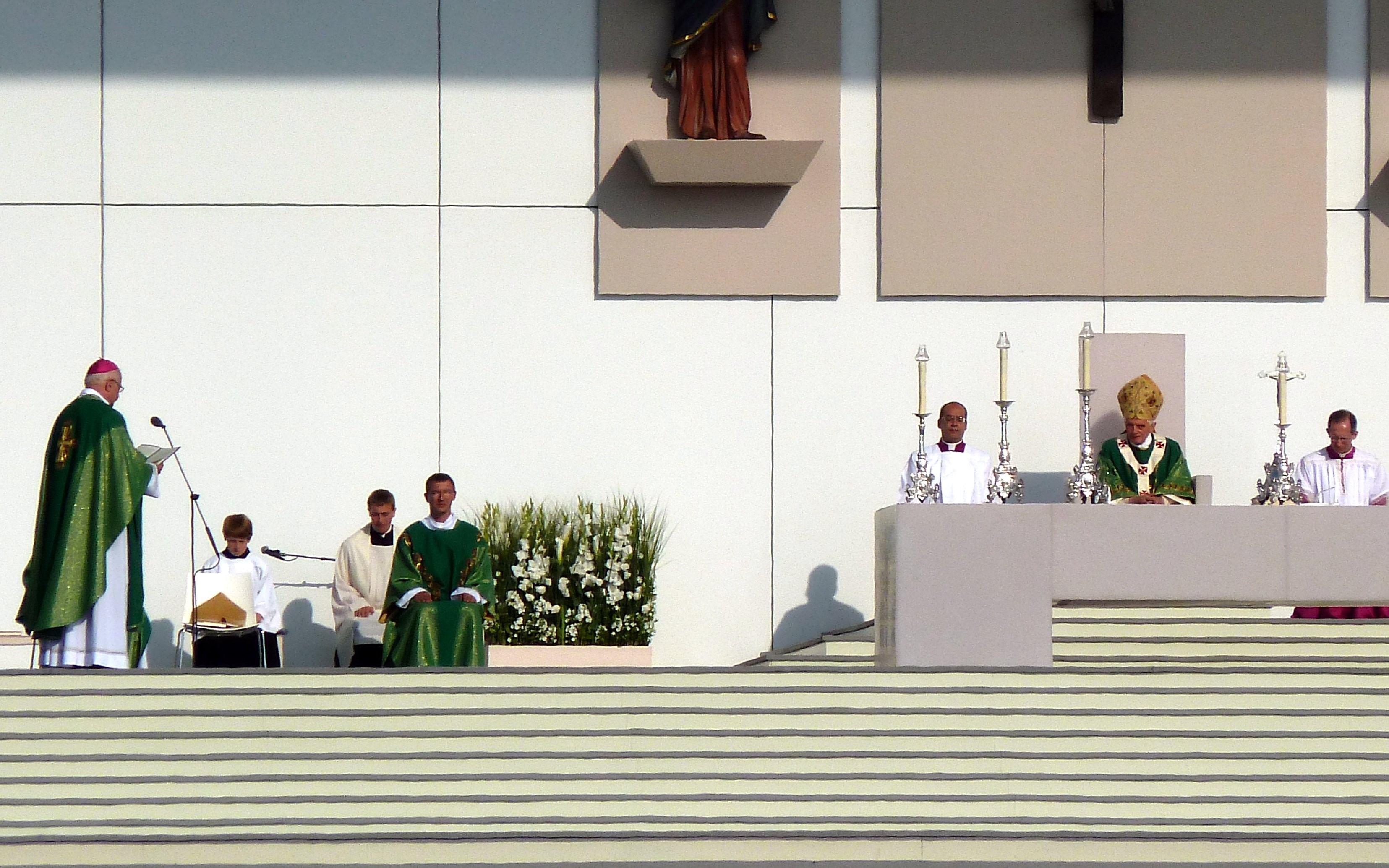
Once again, Vatican News in Spanish defangs its own account of this pontifical activity framing the meeting with Tutela as part of some kind of spiritual journey of “conversion” rather than a template for institutional justice subject to metrics, terms, and consequences.
This time around, the Portuguese-speaking world got what seems to be a translation of the Spanish-language text. Both follow the same narrative structure and are anchored in the same emotional markers. Both languages are very similar, so it is impossible to state what came first, as there are no dates, much less time stamps on publication at Vatican News, but what is clear is that both are miles away from the English-language piece.
As it happened with the meeting for Monday, there was no story in Italian. It ensures that the Roman Curia and the local Italian press have no official text to debate or dissect. It keeps the “home front” quiet, preventing any internal factional wars over the specifics of the Pope's words.
Ultimately, Vatican News seems to have developed its own Coca-Cola formula: action verbs and a semblance of policy-orientated prattle for the English speakers who would demand it. Emotional verbs and nouns for the Spanish and Portuguese speakers who they hope will be numbed by the gestures of the Pontiff, while keeping Italian speakers in the dark.
Falling on the Catholic hierarchy’s trap
Sadly, despite their independence on many issues, civil media, often very willing to criticize what Rome does, follow for the most part what Vatican News does in its several editions. In that respect the recent release of a series of articles in at least four different languages and five countries offers the odd chance to observe how the media addresses clergy sexual abuse.
Such chance appeared on Thursday when Colombian CasaMacondo, French Mediapart, German Correctiv, Spaniard El País, and the U.S. Boston Globe, tested the limits of the media’s understanding of their own role by using a common pool of documents mostly centered in Benedict XVI’s papacy on how the Catholic Church has been dealing with clergy sexual abuse.
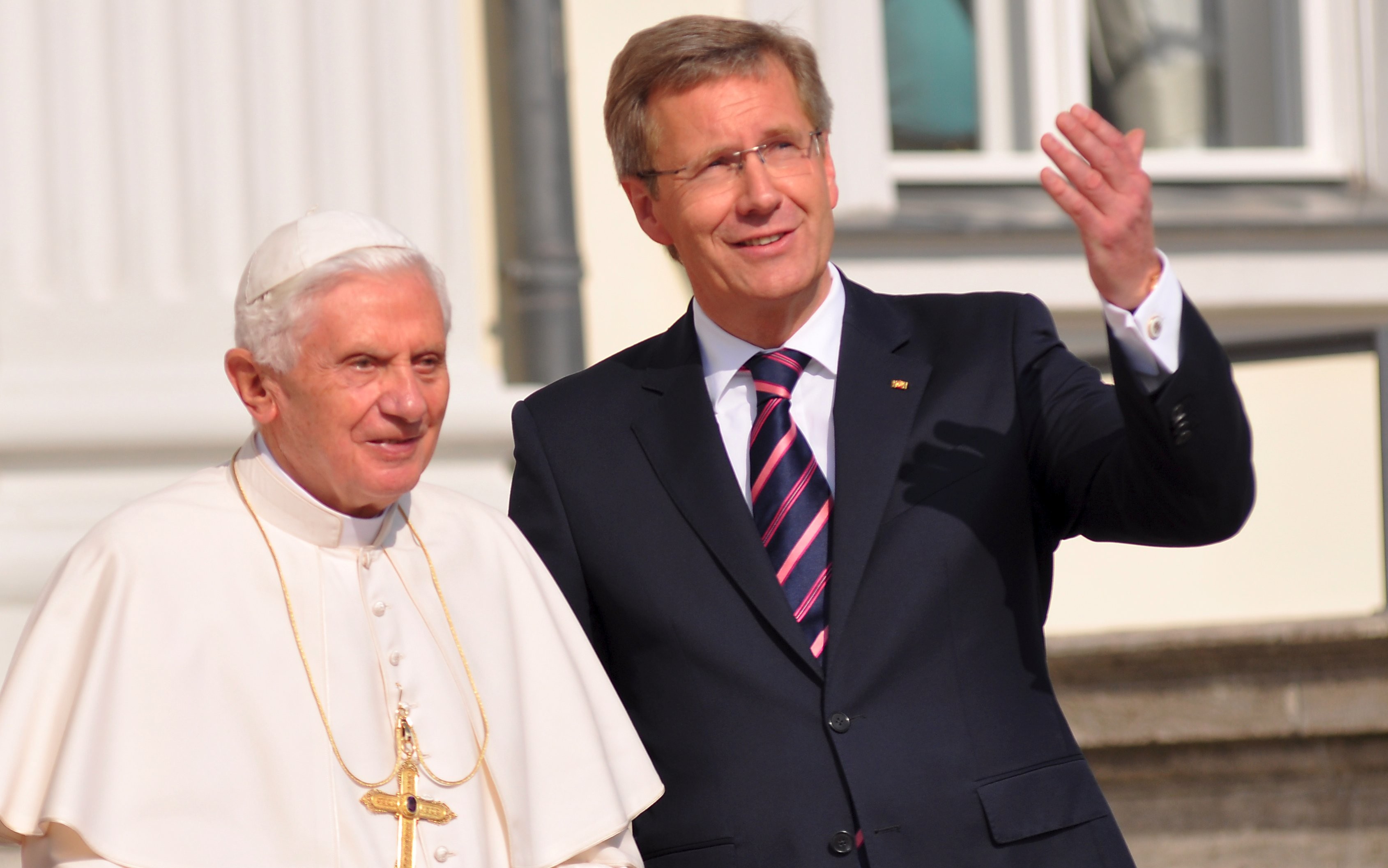
Even if there are some unavoidable new details here and there, nothing there is new. It confirms what we already knew: the Catholic Church has been doing its best to minimize the acknowledgment of its role in the clergy sexual abuse crisis.
The collective takedown of the papers coming from the Ratzinger papacy is anything but even. There is a clear division reminiscent of what Vatican News does. On the one hand, there is a “mature” pole with Correctiv, Medipart and The Boston Globe, challenging the casuistic, isolated, understanding of each case, while El País and CasaMacondo fighting out their own demons when dealing with the coverage of the many cases touching on the Spanish-speaking world.
As much as it was possible to find in Vatican News a “Language Iron Curtain” of sorts, something similar emerges in the choices made, on the one hand by the editors in Berlin, Boston and París, the decisions made in Bogotá and Madrid, and the deafening silence coming from Brasilia, Lisbon and Rome.
What emerges from the narratives of the Spanish-speaking media and the silence of the Italian and Portuguese media is the other side of the tragedy that is clergy sexual abuse, as the media, following their own preferences and designs, mirror the Vatican's own administrative silos.
Berlin-Boston-Paris, the forensic axis
The way Correctiv, Mediapart and The Boston Globe released the so-called Dossiers of abuse is a testament to the media’s ability to offer a grounded, proactive understanding of the clergy sexual abuse crisis. Sadly, that was the kind of autopsy that the Spanish-speaking world could have had, and that the Italian- and Portuguese-speaking worlds can only dream of at this point.
Correctiv, Mediapart and The Boston Globe went beyond restating the obvious (the Catholic Church conceals information and cover ups for predators). They went after the bureaucratic fingerprints. They seem to be intent on providing an accurate map of how the information has been concealed and how the cover up of notable and not so notable predators has happened.
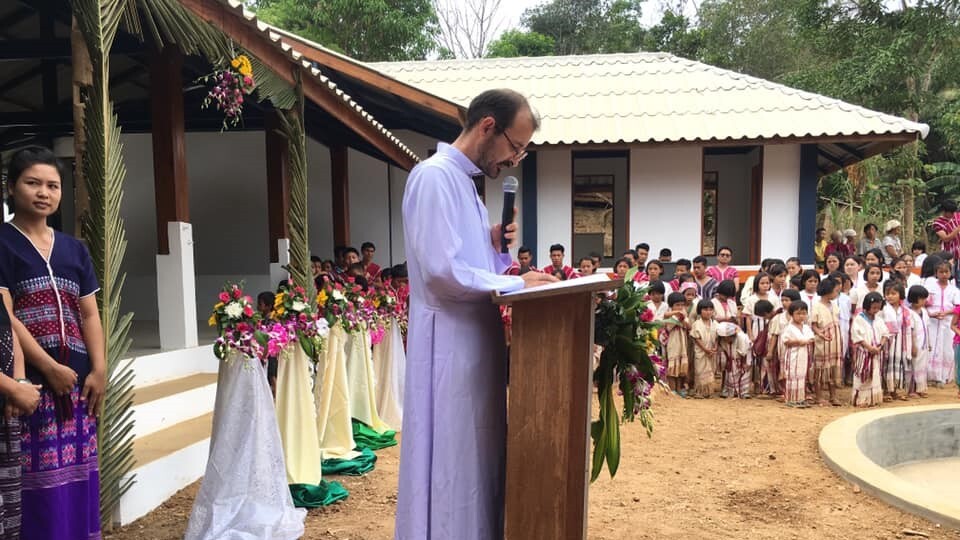
Mediapart treated the documents as evidence of “organized crime within the Vatican.” For a very French take on such behavior, the so-called omerta, you can go over the couple of pieces Camille Rio has published at Los Angeles Press. The first, linked before this paragraph, on the failed report on sexual abuse by the Foreign Missions of Paris, an order-like organization, and on the scandal at the Catholic school, in Bétharram in Southern France, linked after this paragraph.
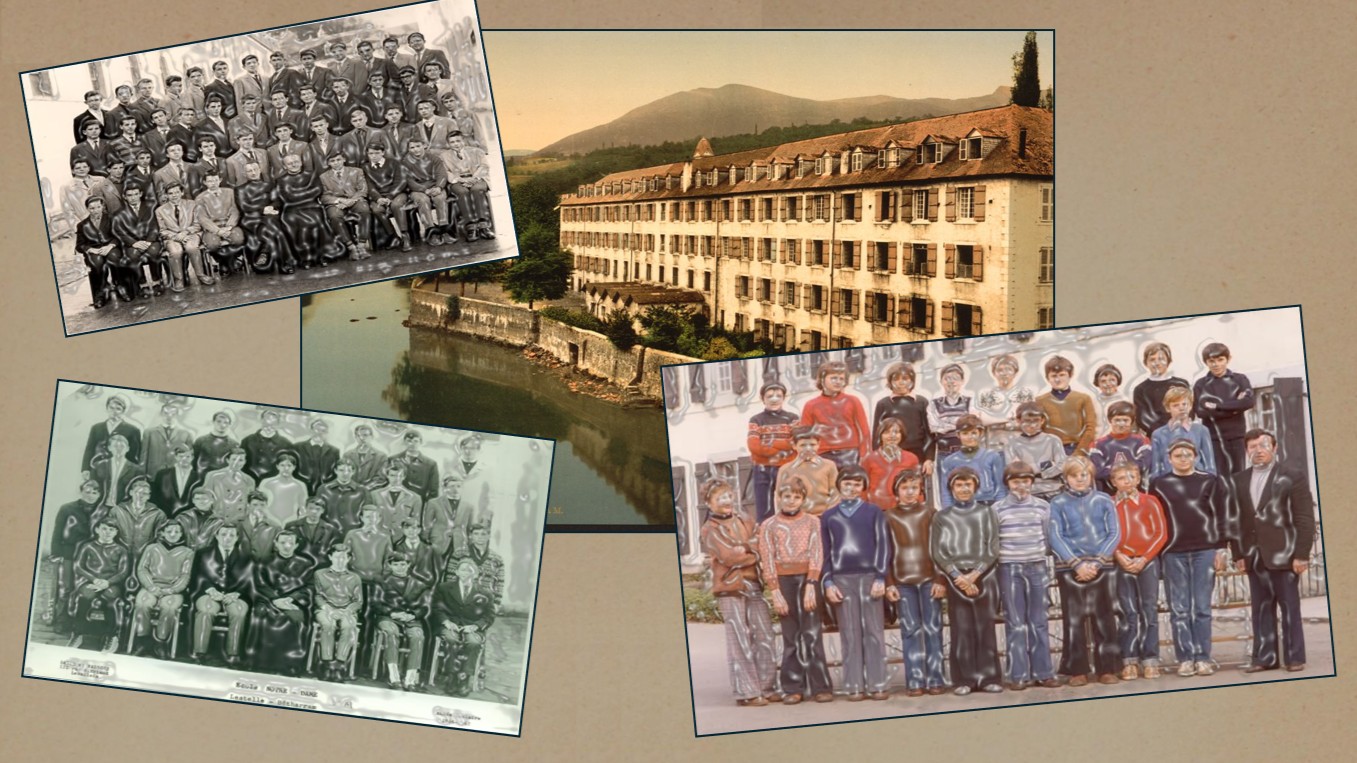
English Edition
Bétharram: Sacrificing the head so the body may live
Mediapart dismissed terms such as “pédocriminalité” (a French portmanteau of pedophile and criminality) to focus on “La mécanique,” the institutional machinery making concealment, cover up and impunity possible.
They do so by going to the so-called protocol breach numbers as evidence of “organized crime within the Vatican,” by showing how for over a century there has been a team of monsignors willing to sort, file, and bury evidence of violence to protect the Catholic Church even if to do so they must destroy the Catholic flock.
In doing so, Mediapart breaks the jail where Spaniard media El País decided to stay. Unlike, their French counterpart, El País followed the standard narrative of clergy sexual abuse focused on “pederastia,” pederasty, in doing so the Madrid newspaper falls in the trap Correctiv, Mediapart and The Boston Globe consciously avoid.
Correctiv postings over Instagram, as one example, is not centered on Kindermissbrauch (children abuse), it is centered in Missbrauch, that is to say, abuse, avoiding the trap of the victim’s age (see below).
In breaking away from the pederasty trap, the French and German media honor the victims of noted predators who, for whatever reason, decided to attack adult females or males, as Poblete and Rupnik.
Mediapart and Correctiv include, rightfully so, adults, some of them nuns, linking the Vatican’s “standard operating procedure” to a “système de dissimulation” (system of concealment) or a “bürokratischen System,” a burocratic system, shifting the focus from the age of the victim to the abuse of power and what lies behind the mechanisms creating the very power of clergy over the faithful in the Catholic Church.
In that regard, The Boston Globe coverage proves how media can be an institutional witness for this kind of tragedies. Having “blown the lid off” the crisis in 2002, the Globe’s participation in the March 2026 Dossiers is the ultimate validation of their own work for over three decades now.
The Globe provides the link between the local cover-ups of the Bernard Law era in Boston and the global “standard operating procedure” revealed over last week. They report on new victims; but more significantly they are proving that the “Boston model” of shuffling priests was a directive being managed and cataloged by protocol numbers in Rome.
The Spanish-language quagmire
While the Boston-Berlin-Paris axis is busy performing a forensic, bureaucratic autopsy, the Spanish-speaking media has largely retreated into a “pastoral loop” that serves the Vatican’s interests better than any press release could.
By distancing, perhaps even consciously avoiding the frames followed in Berlin, Boston and Paris, going for the biased lens of “pederastia” (pederasty), outlets like El País in Madrid and CasaMacondo in Bogotá effectively grant secular amnesties to the institution.
The narrow scope of the narrative of the crimes followed in Madrid and Bogotá, centered around the age of the victim, erases the systematic nature of the issue.
When El País focuses on the age of the victim, it dismisses the significance of the administrative decision-making made in Rome and at the local curias. And it is not as if El Pais could claim not being aware of the scale of Marko Rupnik’s or Renato Poblete’s abuse of adult females that shatter the easy narrative of the underage boy being abused by the Maciel-like “lone predator.”
And if in El País’ case it is possible to understand why the focus only on cases of pederasty, perhaps to save on legal fees, it is really hard to figure out the reasons behind CasaMacondo’s editorial choices.
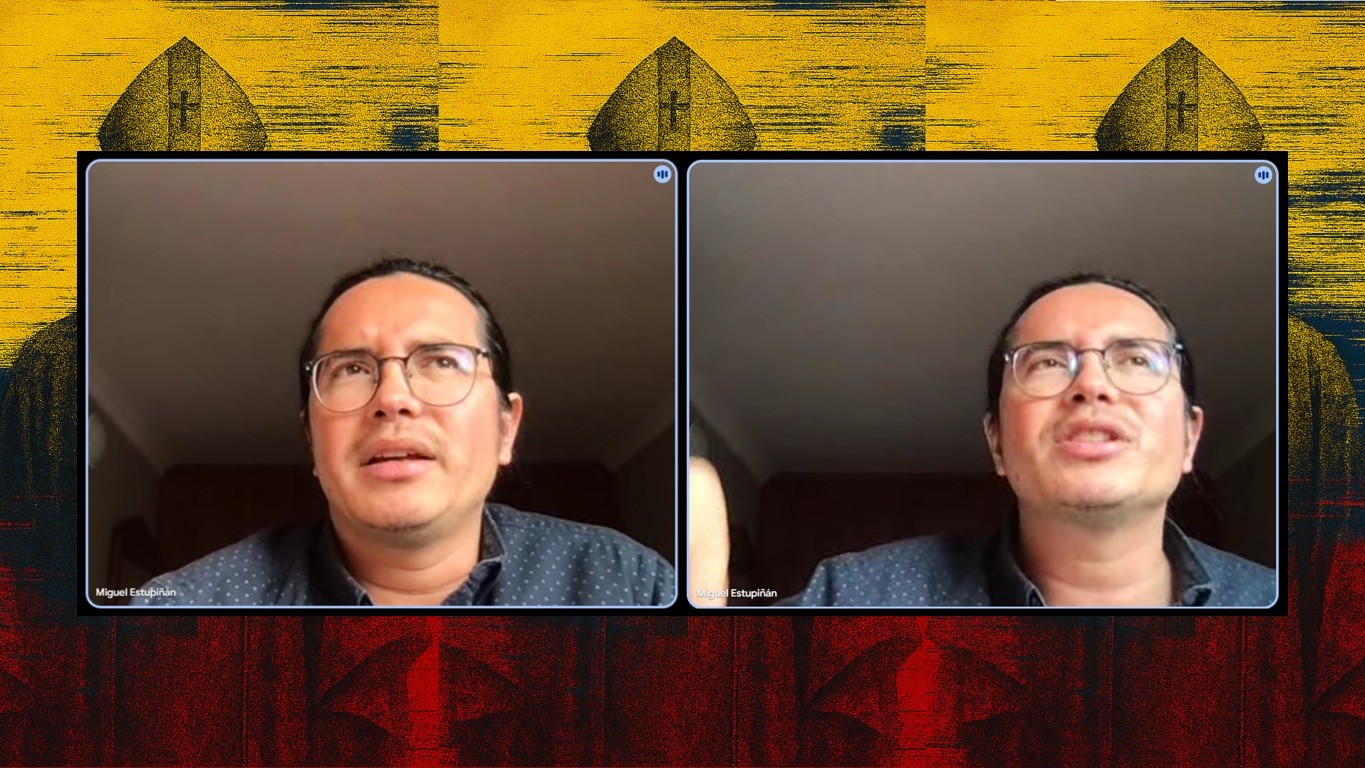
The lead figure behind CasaMacondo, Juan Pablo Barrientos is one of two brave Colombian journalists who published a few years ago El archivo secreto (The Secret Archive).
The other author is Miguel Ángel Estupiñán, who is behind Hacia el umbral, a different Spanish-language outlet driving a separate narrative on the issue. Los Angeles Press published last year an interview with him, available after this paragraph, where he goes into the details of what is a landmark investigative long-term project whose potential is being suffocated by a narrative of “pederasty” that feels thirty years out of date.
It is a secular mirror of the Vatican’s own segmentation. While the data exists to map the systemic “mechanics” of impunity, as the Berlin-Boston-Paris axis did, there was some editorial decision behind the idea of going not for a forensic takedown but for the far simpler, perhaps lazy, storytelling of a series of mini-accounts of individual sexual scandals.
It is not just a waste of data; it is a secular mirror of the Vatican's own segmentation. It is possible to understand why the Vatican “defangs” reporting on what Leo XIV asks from bishops unwilling to comply. What is impossible to understand is why a medium would defang its own pieces.
By focusing on the “pederast,” CasaMacondo perpetuates the narrative of the lone predators that HBO decided to follow in Maciel: Wolf of God even if in doing so, CasaMacondo turns Ratzinger-Benedict XVI into yet another lone perpetrator.

English Edition
Marcial Maciel, wolf of God or symptom of a broader crisis?
If it was not a matter so painful for many human beings who became victims while adults, it would be similar to “Keystone Kops” routine where the media is so distracted by the “abominable lone predator” that they fail to see the truckload of evidence documenting an organized, century-long operation, damaging boys and girls, women and men.
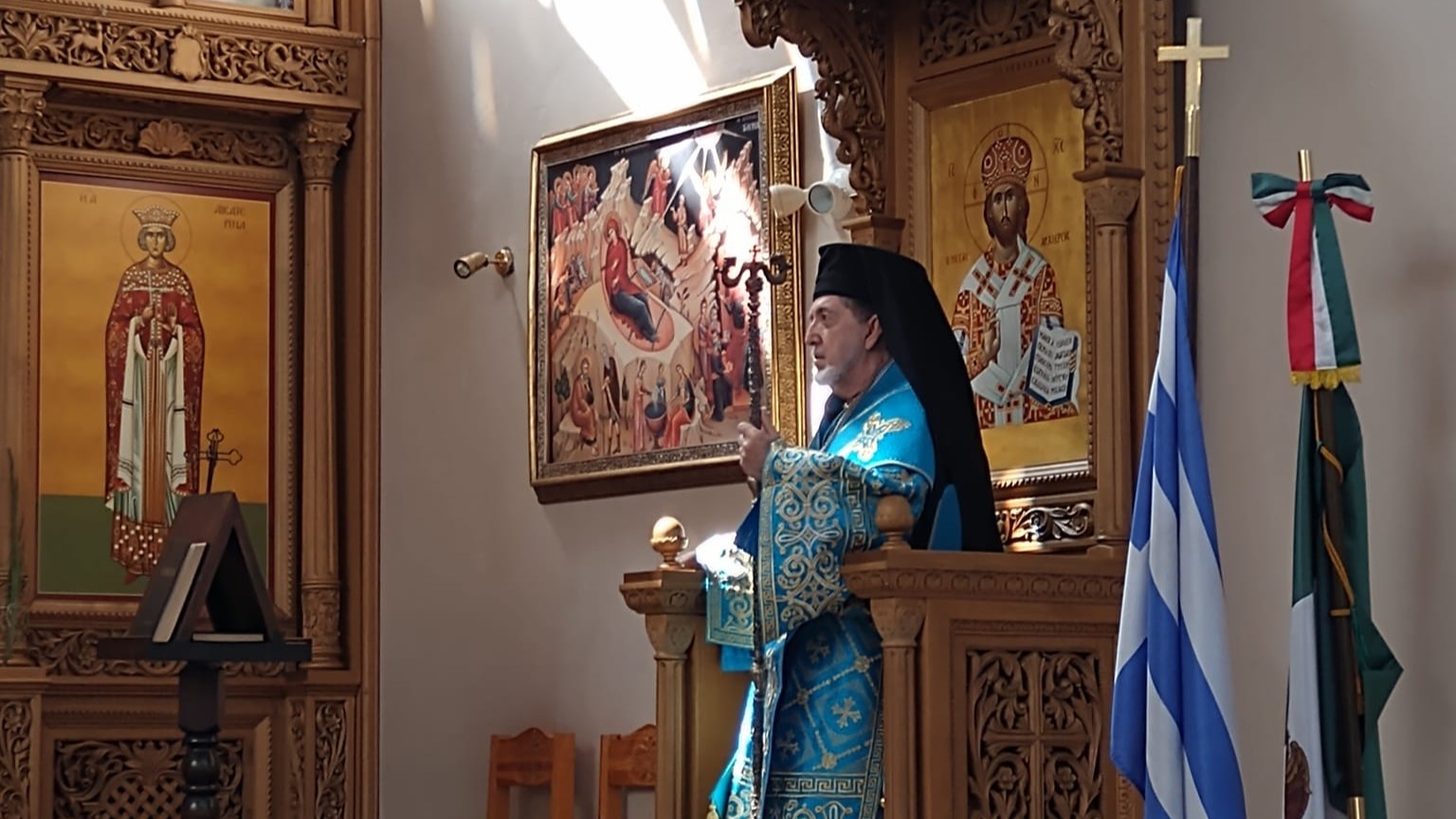
That is the reason why Los Angeles Press publishes pieces devoted not only to those who experienced this as minors, but also to those who suffered as adults—as seen in the story linked below of a successful politician who became a victim of his Greek Orthodox bishop in Mexico City. It is impossible to develop a rational or meaningful "hierarchy of abuse" within a system designed for total cover-up.
English Edition
Lost in Mexico City: clergy abuse, Orthodox style
The geography of silence: The Southern side
The failure reaches its peak in the deafening silence from Brasilia, Lisbon and Rome. It is a striking contrast: while Mediapart has used the French language to perform a “mechanic” autopsy of the system, and El País and CasaMacondo went for the profitable narrative centered on “pederasty,” dismissing the adult victims of predatory clergy, forcing them to beg or at least compete for attention, in the Italian and Portuguese-speaking worlds the media opted for a “pastoral silence.”
This is not a linguistic limitation, but an editorial alignment with the hierarchy. For the papers of record in Portugal and Brazil, the Dossiers of Abuse are a matter for the foreign news desk curiosity—a “someone else’s’” type of problem—rather than an issue affecting their own homes.
The failure reaches its peak in the deafening silence coming from Rome, Lisbon and Brasilia. Despite having the third-largest Catholic population in the world, the Portuguese-speaking media—led by Portuguese Público and Brazilian Folha de Sao Paulo—have largely ignored the forensic breach. They report on the issue of sexual abuse in religious contexts the way they would do with the conflagration in the Strait of Hormuz.
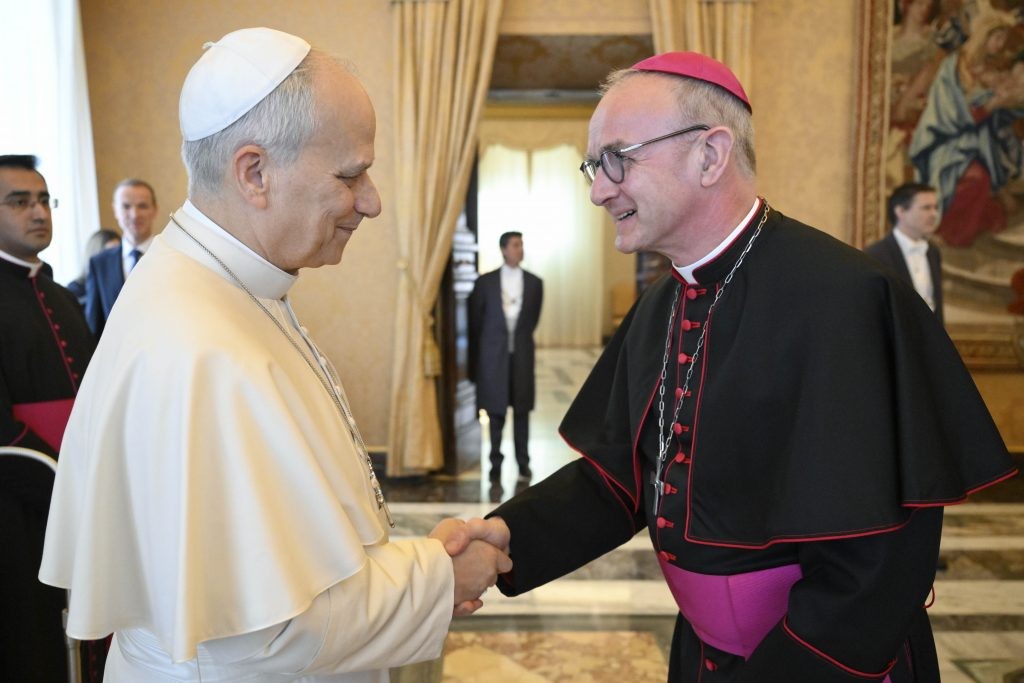
In Lisbon, Público and the rest of the national media act as if the 2023 Independent Commission report was the “end of history,” a foreign curiosity rather than a pandemic affecting their own country, while ignoring the forensic data that links the Vatican’s administrative machinery directly to the Lisbon, Fatima or Porto diocesan curias. Were they invited to join forces with The Boston Globe and Correctiv?
What about de Folha de Sao Paulo or O’Globo? For a fraction of their obsessive coverage of the Verde-Amarela in the upcoming Canada-Mexico-U.S. Soccer World Cup they could have had a chance to uncover what happens, abuse wise, in Rio or Sao Paulo. As Público in Portugal, they passed on such chance?
And what about the many Vaticanisti in Italy? They, who can tell the world what the menus were for each of the sessions of any given conclave for the last 60 years or so, had no interest in uncovering clergy sexual abuse in their own backyard? It is unavoidable to raise, even if in a rhetorical manner, the question, who are they protecting by keeping mum, quiet?
By refusing to join the forensic joint venture, the media in Italy, Portugal, and Brazil has allowed the Vatican to maintain the very “Language Iron Curtain” defended by Vatican News.
The “Language Iron Curtain” is, therefore, a collaborative process perhaps set in motion by Rome but sustained and reproduced by media in the European and Global South where the Catholic flocks only see the old story of the abominable lone predator attacking innocent kids.
On César Chávez’s abuse
Despite the ongoing war in the Strait of Hormuz and its devastating effects on the U.S. and global markets, the last days of the week were dominated by the fall out of the new allegations against César Chávez.
Los Ángeles Press being a mostly Spanish-speaking media in California has been following the issue. As heartbreaking as it is to see Chávez becoming a lay version of Marcial Maciel or Naasón Joaquín García, the sad reality is that these are not actually revelations. That Chávez was promiscuous was already known, as details of his very active sexual escapades emerged even during his life.
As with many other predators, Chávez seemed to believe that the good he objectively did for the Mexican American, Latino, Migrant, and agrolaborers communities somehow justified the abuse he was willing to perpetrate.
As other predators from marginalized communities, he was very willing to replicate the abuse he was fighting against in the vineyards in California and in factories from Texas to Arizona, by attacking females, including girls, who were somehow willing to protect him, to keep quiet as Dolores Huerta did for several decades.
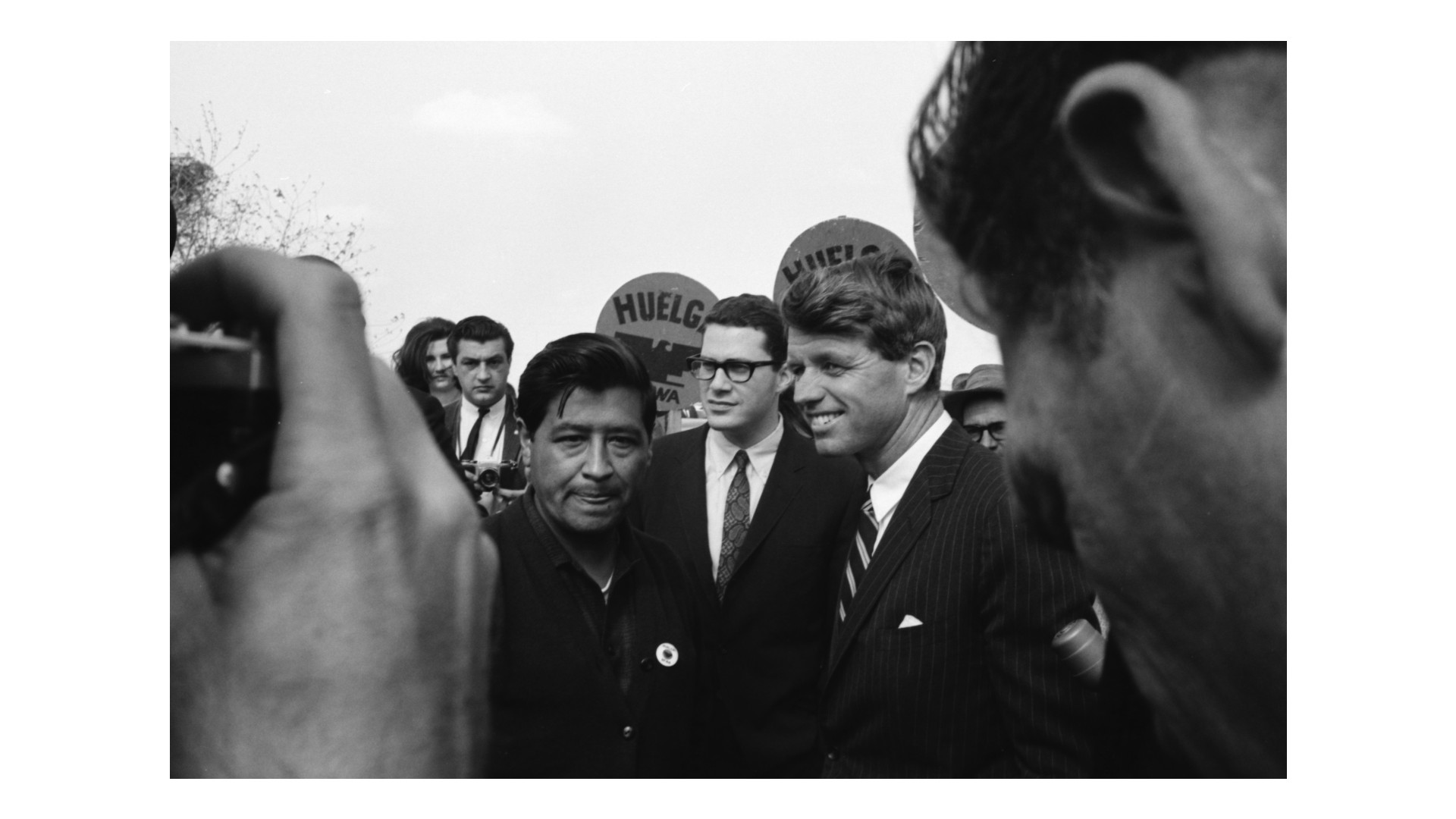
The recent revelations concerning César Estrada Chávez represent a staggering shift in the historical narrative of the American labor and civil rights movement. It makes no sense to try to minimize the extent of the abuse. His own family and the Foundation bearing his name accept that it happened.
It is extremely hard to witness the fall of a hero of the Mexican American and Latino communities in California and elsewhere in the United States. He was able to build coalitions, to engage the Kennedys in Washington, D.C., as much as he was able to do with Jerry Brown in Sacramento. Still, pretending this is an anti Mexican, anti Mexican American or anti Latino smear conspiracy makes no sense.
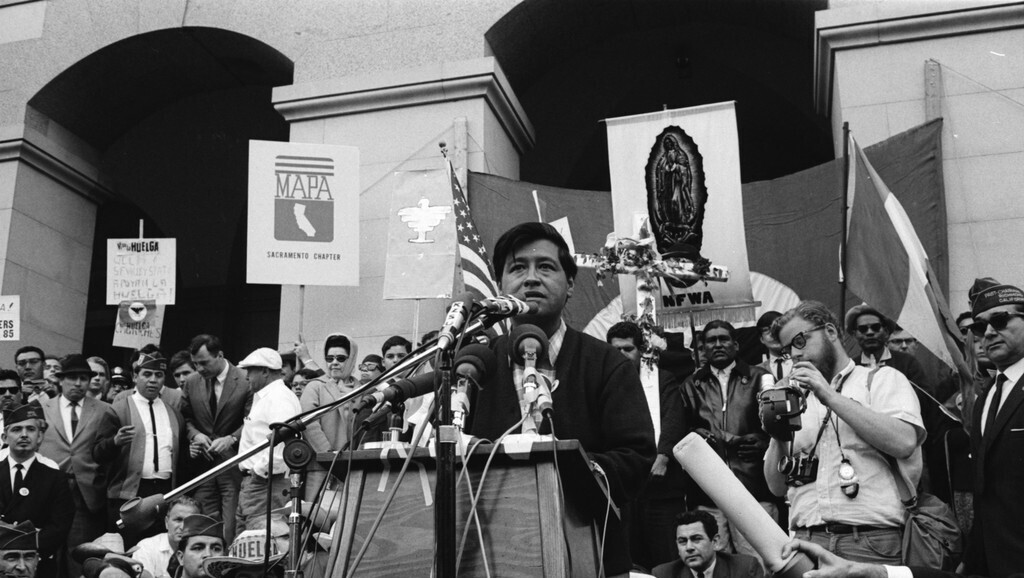
English Edition
The kidnapping of Our Lady of Guadalupe
Beyond the individual acts of violence, the emerging picture suggests that Chávez utilized sexual control and a cult-like atmosphere to maintain authority over the United Farm Workers (UFW). That behavior is consistent with what it is known now about French priest Abbé Pierre, to name only one of many possible examples. It is hard to admit it, but heroes and philanthropists can be also sexual predators. That is what the clergy sexual abuse crisis is teaching us all.

English Edition
Hero, priest, and sexual predator: the story of Abbé Pierre
Historian Miriam Pawel notes that while Chávez's adultery was a known "whisper" for years, the sheer scale and predatory nature of these new allegations—involving the daughters of longtime organizers starting as young as 12, makes it hard to assess at this point his legacy.
As it happens in the Catholic and the Luz del Mundo churches in Southern California, Chávez enforced a “culture of silence” where activists dismissed numerous red flags, including verbal abuse and internal purges at UFW.
It is hard to imagine what will be the ultimate effects of this, but at least his relatives and his foundation are willing to acknowledge the facts. Compare that with the silence about the Epstein files.
Post Data
The abundance of news for last week made impossible to follow up other developments including some in Asunción, Paraguay. Also, late on Friday, a Belgian bishop, Johan Jozef Bonny, head of the diocese of Antwerp, issued what some posited as a challenge to Rome: his decision to identify potential candidates to the priesthood among married males.
He does not need to go too far to look for them. Antwerp has a compact of 60 married or permanent deacons since the 1990s, when now emeritus Paul Van den Berghe was the bishop there. When he originally took over in 1980, there was no married or permanent deacon there.
There is a chance his predecessor, a major figure of the reformist wing in the European Catholic Church, Cardinal Godfried Danneels, had been working for a while to create a small corps of married or permanent deacons.
Now deceased Danneels remains the target of all kinds of accusations from the conservative wings of the Catholic Church, so nobody should be surprised if Bonny’s announcement on Friday 20 reignites the usual dynamics of the 60-year-old war of factions in Catholicism.
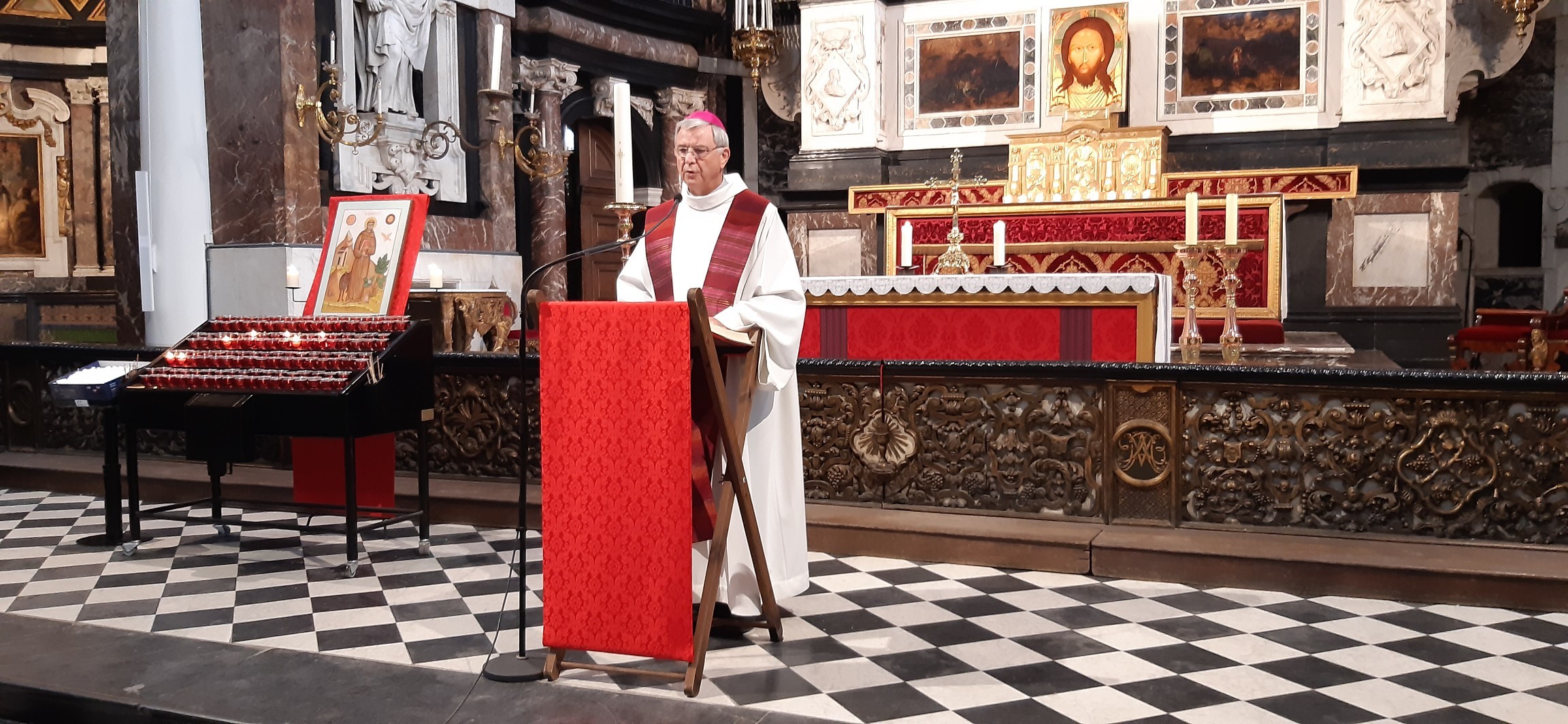
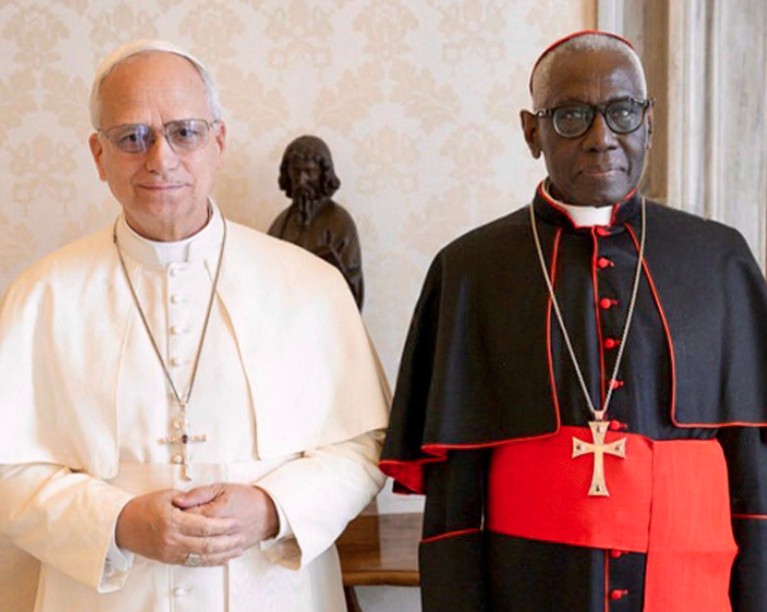
Main problem now, after Bonny’s announcement is what Rome is going to say. When Pope Francis hinted a similar measure for the Church in Latin America, centered in the so-called Amazonia region, a vast area encompassing portions of Argentina, Bolivia, Brazil, Colombia, Ecuador, Paraguay, Peru, Uruguay and Venezuela, Cardinal Robert Sarah betrayed both Benedict XVI and Francis.
He did so by publishing a book with a manuscript originally written by Joseph Ratzinger but published as if it was a new paper issued by the emeritus Pope as a response against Francis. Ultimately, Sarah and his allies used Ratzinger’s piece to attack Francis and kill the pontiff’s proposal.
The proposal died, but the aftertaste bitterness or Sarah’s guerrilla behavior persists, more so as he remains a darling of the Trumpian, MAGA-adjacent factions of U.S. Catholicism.

English Edition
The crime of Father Araújo
The story linked before this paragraph, about a clergy sexual abuse case in a Brazilian diocese of the Amazonia region offers more details of the impact of Sarah’s guerrilla behavior in the “Untested male” section.
Next week this series will continue trying to address the many developments in the global sexual abuse crisis.
* * *
A summary of this piece is available as audio after this paragraph.
Note on production: The text of this summary was written and edited solely by the author. The delivery of the audio summary was achieved using a high-quality, text-to-speech engine Microsoft Word for Web. The AI was used for voice generation only, not content creation.